Get in Touch with BOSHIYA

Power Plant Condenser Tube Extraction: Techniques and Best Practices

Contents
show
Maintenance of condensers in a power plant efficiently and effectively is the most significant factor for delivering top-notch performances and a reliable long-term service life. One paramount maintenance activity is the extraction of condenser tubes — certainly a task that requires precision, expertise, and the right way to do things. In this post, we will explore best practices and methodologies that make for successful removal of condenser tubes while minimizing downtime, preserving the safety of operations, and protecting the rest of the components. This guide will be useful for anyone planning to enter this world — new entrants in the field will find this guide helpful as it will encourage them to develop confidence while conducting the extraction phases with potential fruitful outcomes. Continue to read about proven methods, trigger mechanisms, and how to be distinguished in the practice.
Introduction to Condenser Tube Extraction

The condenser tube extraction refers to the method of extracting tubes out of the condenser unit for the main reason of replacing those tubes which have been damaged or are too worn down to continue functioning well and thereby ensure that the system operates to its fullest capability. Ensuring the system maintains its full heat exchange efficiency is key to maintaining the equipment effectively in the industries involving the power generation, HVAC, or manufacturing. Removing the old existing tubes will help in saving energy, reduce leaks, and prolong the lifespan of the equipment. Tube extraction requires planning and procuring the right tools and taking the relevant safety measures; this is imperative for a successful tube extraction.
Overview of Condenser Systems in Power Plants
Condensers in power stations are key components that enable the conversion of exhaust steam from the turbines to water. Such condensation allows the use of water and, therefore, water conservation, cutting back on energy consumption and waste to achieve a high-power cycle. Such a system usually involves a cooling path for water that is streamed through a network of tubes. When this watercourse absorbs heat from the steam, a condensation process starts to reversely transform it back into the liquid stage. Generally, there are two types of condensers in power plants that are used with a fair amount of it, the first being the surface condenser, which is the most preferred one compared to the direct contact type.
For adequately supporting one’s condensed work, efficient performance on condensers is essential for plants’ output and efficiency. Regular attention given to the heat transfer mechanisms and any challenges like scaling or corrosion need to be watched against, with maintenance, cleaning, and tube repair or replacement which are paramount. Among others, careful consideration should be extended towards factors such as cooling water temperature, flow rate, and material selection to guarantee the system’s proper functioning. By selected design, regular maintenance techniques, and advanced monitoring techniques, power plants can most effectively gain strong functioning and less noise for their condenser systems with minimal detriment to the environment and energy.
Importance of Condenser Tube Maintenance in Power Plants
Maintenance to air-condenser tubes is crucial if a power plant is to be run efficiently and seamlessly. Through various sources, proof has been provided that air-condenser tubes in a bad state can affect the plant’s thermal efficiency to the extent of 2–5% or more. This refers to the uncleaned, or even worse, condemned upon condenser colonization (scaling, fouling or corrosion), which restricts the heat transfer capacity of the condenser and entails higher energy costs and more maintenance costs. Hence with scheduled cleaning, application of the most modern monitoring systems as well as the use of protective coatings on the tubes, the life expectancy of the piece of equipment might be prolonged and realize compliance with the environmental legislation by minimizing carbon emissions. AI-based predictive maintenance, however, modernizes the very perception of patrolmen, developing a way to solve troubles before they reach the point of expensive and costly shutdowns. Modern maintenance standards are mandatory in order to better define priorities and to integrate measures for increasing operational reliability and sustainability in terms of existing power plants.
Common Issues with Condenser Tubes
-
Tube Fouling: A combination of deposition, algal growth, and scale reduces heat transfer efficiency and may propel overheating.
-
Corrosion: Continuous exposure to water and various other environmental entities can corrode the tubes’ integrity.
-
Erosion: High-speed steam or water flowing through the tubes causes inner wall erosion, triggering tube leaks in the long term.
-
Tube Leaks: A material composed of cracks or defects from which the water seeps, reducing system efficiency and related maintenance costs.
-
Stress Cracking: Stress (thermal and mechanical) will develop over time, resulting in fracture — namely in situations such as off-point connections or in bends in the tubes.
Safety Protocols for Tube Extraction

Essential Safety Equipment
Protective Apparel
The workman should always be covered in heat resistant gloves, hard hats, and safety/chemical goggles just to avoid physical injuries and likely exposure to dangerous substances.
Hearing Protection
When blasting off equipment, the noise affected working environment must be decided. The choices between muffs and plugs serve to neutralize these specific boundaries of harmful noise.
Respiratory Protection
Appropriate respirators shall be worn while inhaling dust or fumes from work, well skimmed through a device complying with appropriate safety requirements.
Lockout / Tagout (LOTO)
Locking and tagging the equipment prevents it from being started accidentally and material begins moving.
Insulated Handtools
Using tools with insulated handles can help prevent from electric shock.
Fall Arrest System
A falls arrest system/harness should be used by the person working at height.
Risk Assessment Procedures
The safe and effective removal of tubes of a condenser in a power station requires a systematic risk assessment of potential hazards to be identified, assessed, and mitigated. Following are the basic steps in a risk assessment process:
- 1
Identify Potential Hazards
Assess your working environment and look for possible risks involving high-pressure systems, chemical exposure, electrical, and confined space hazards. Evaluate the potential dangers associated with your equipment and tools in this extraction process. - 2
Assess the Likelihood and Impact of the Hazard
For every hazard identified, predict how often it may likely happen, and the damages it may likely cause on the people on the construction site, equipment, and the environment. Risk matrices can be utilized as benchmarks in support of this. - 3
Action Control Measures
- ›Eliminate hazardous task or accommodate substitutes feasible.
- ›Utilize engineering controls: for instance, ensure that the equipment and machinery have guards and the proper use of mechanical lifting devices to move heavy loads.
- ›Follow-through safety manuals with numerous procedural descriptions and instruction guidelines available to staff.
- ›Workers should always wear relevant personal protective equipment (PPE) such as rubber gloves/steel caps, safety casing, and sound-reducing earmuffs in areas with high noise levels.
- 4
Environmental Conditions
Environmental conditions are critically important for consideration. Continuously review plant environment condition changes like temperature, humidity, etc. to observe minute climatic risks associated with the operation near components such as coolers or chiller. - 5
Emergency Procedures and Preparedness
- ›Formulate and disseminate evacuation, first aid, and general emergency planning.
- ›Ensure availability of one or more spill kit, fire extinguisher, and emergency power off switches.
- 6
Review and Update of Risk Assessments
Ongoing review of risks, development of any risk mitigations, training of staff, and review of analyses from previous similar projects.
By adhering to these stringent procedures, the employees would prevent any chances of unforeseen accidents in the power plant from occurring, and sure enough, the condenser tube extractions would be carried out safely.
Best Practices for Safe Operations
- 01
Pre-op Training: The instruction pre-operation for removal of condenser tubes has been suggested for the workforce involved; this should include the training on the equipment to be used, the safety rules of said equipment, and the identification of the hazards.
- 02
The Use of Proper Tools and Equipment: Use and maintain suitable tools and equipment only. They must be checked for defects or any wear before use so as not to fail during operations.
- 03
Personal Protective Equipment (PPE): PPE should be followed strictly with use, including gloves, a hardhat, safety glasses, and steel-toed boots. With the proper PPE, the risks can be reduced for all threats posed by falling objects, exposure to hazardous chemicals, or sharp edges.
- 04
Risk Assessment And Check-Lists: Carry out a comprehensive risk assessment before any work begins. Here, have a sequence of checklists; this way, the stated requirements related to safety measures will be checked, corrected, and work can get underway.
- 05
Effective Communication: It sets a clear path for communication through team members. A must-to-in tools for maintaining connection and coordination would be radios or hand signals.
- 06
Controlled Work Environment: Keep monitoring and maintaining the work area in a clean and organized condition. Deleting any unnecessary garbage or implements that could trip over or otherwise impede is something you have to do for the sake of security.
- 07
Emergency Preparedness: Keep emergency equipment available where it is easily reachable, like fire extinguishers and first aid kits or spill containment kits. Exercise in full also emergency drills to learn about evacuation routes and responses.
- 08
Periodic Maintenance and Inspection: Plan out the periodic inspections and maintenance work in the condenser tubes and related systems. This way, wear and damage can be identified at an early stage. When detected in the initial phase, wear or damage can decrease failure probabilities abruptly.
- 09
Monitoring and Logging: Use advanced tools to monitor extraction activities, and also input technology to create logs in real time of those activities. This information would help in determining abnormalities and in improving future performances.
It is understood that the implementation of these best practices will make power plant operations safer and more fuel efficient, in addition to serving the commitment of the industry to maintain very high safety standards in the power plants.
Methods of Condenser Tube Removal

Manual Extraction Techniques
Primarily, through manual procedures, the condenser tubes are removed from power plants by various techniques that operate manually respecting accuracy and personnel safety during manipulation. These techniques often need various specially-designed tube tools like tube pullers, tube cutters, and tube expanders. The process begins with cutting off the tube, removing any obstruction so that the tubes could be easily untightened and removed in a safe manner. Invariably, no mechanical or hydraulic tube puller with better control shall help to displace the gutted tube.
Arguably, eliminating friction and maintaining the alignment of the plate during the manual condenser extraction would minimize wear on the structure constantly. The operator, keeping in mind the scope of damages in loosely packed tubes near the condenser, needs to carry out a very thorough inspection to minimize such damages at all costs when going forward with the process. As lower-cost alternatives, human processes take longer and demand more physical work, while automation is sometimes not available or just not practical. While a manual extraction process can be dangerous, reduced occurrence risk by following safety guidelines and leveraging appropriate equipment will put an altogether different cast on manual operation performances.
Automated Tube Removal Systems
Efficient solutions ensure optimal removal of tubes from the condenser in a power plant of an automated tube removal system. This removes almost all physical labor and the time it takes to extract tubes, meaning that mass levels of work will be created. Works such as tube cutting and tube pulling are part of automated plants, meaning there will be fewer mistakes, normalizing the workings for men and their physical effort. Hence works in favor of promoting a higher standard of workplace safety and quality within which they are now practiced.
One essential benefit offered by automation is that it minimizes the likelihood of mistakes and provides speedy and accurate results. It can remove a tube at a rate almost incomparably higher than the manual way — ultimately reducing downtime in power plants. Besides reducing the liability, the mechanical means for removing tubes provide a gentle removal of tubes from the condenser, leaving the integrity of neighboring features unblemished.
In their design, automated systems stand out for their safety. Included in a broader range of features are remote operation and advanced controls which tend to limit direct human participation in precarious situations. Such workers remain safe while generating increased efficiency within challenging environments, which in particular make the automated systems a technical necessity in any modern condenser tube project.
Step-by-Step Extraction Process
-
1Inspect and Preparation
Starting with an inspection, check the condenser unit thoroughly so that one can locate conditions to rectify and hindrance against extraction. Check to ensure that all tools and safety equipment are present and in working order. Make sure the system is depressurized and powered off for safety precautions. -
2Disconnecting Ancillary Components
Disconnect any other essential components or connections that may obstruct the working of both tubes, as the headers or phrasal seal on the tube might be. -
3Getting Tube Access
Open the condenser casing or designated access points so that the tube bundle is visible. Exercise care when actually executing the operation so as not to damage any nearby tube surfaces. -
4Tube Cleaning
For ensuring better tube extractions, the tubes shall be cleaned to remove any accumulation or debris that may thee while performing the removal of the tubes. Automated cleaning systems should ideally be employed for ease of cleaning. -
5Cutting / Extraction
Use tube cutters or automated tube pullers to cut and remove the tubes from the condenser. Such a process should stay within defined tolerances to prevent damage to any components around it. -
6Tube Inspection and Disposal
Inspect the tubes removed for wear, rust, or other damage. Discard tubes according to regulatory standards and local environmental guidelines. -
7Replacement Preparation
Clean the interior of the condenser shell and prepare it for installation if fitting new tubes. New tubes must satisfy the required specs. -
8Reinstallation and Final Inspection
Reinstall headers, seals, or any other components. Do one final inspection to ensure that all the parts are safely attached. Pressurize the system and run any performance checks to ascertain all functions are working properly. -
9Documentation and Reporting
Put together a list of the removal process detailing inspection, preventive maintenance, etc.; reports should be few for compliance and future use.
Post-Extraction Analysis and Retubing

Evaluating Condenser Tube Condition
Inspecting power plant condenser tube condition is a major concern for the maintenance of the efficiency and prevention of systems failure. When tubes are unrolled, examination should be carried out in corrosion, pitting, scale, and fatigue-crack-induced crack systems. Advanced diagnostic technologies such as non-destructive measurements (NDT) like eddy current testing and ultrasonic testing can be put to use to detect internal and external flaws of tubes without causing any harm to the tubes.
The Industry’s latest data suggests that fouling and corrosion are the primary culprits that reduce heat transfer efficiency in power plants condensers. Proactive examinations along with routine maintenance timetables would help substantially in extending the life of the condenser tube. Also material characteristics and environmental conditions such as water quality and operational pressure should be monitored continuously.
The correct evaluation is necessary to determine whether re-tubing is needed or other remedial measures like chemical cleaning or plug tubes are adequate. This will reduce downtime and increase efficiency and cost-effectiveness.
Best Practices for Retubing
It is remarkably important to carry out tube replacement in the condenser of a power plant so that longevity can be ensured. A structured key removal program is meant to appropriately ensure efficiency. Start by examining the condition of the old tubes in detail. An inspection is needed to ascertain the extent of fouling, wear, or any detrimental effects which obviously do have a say in this respect. Furthermore, use either eddy current or ultrasonic, whichever would be most appropriate according to the location and position of tube alloys.
For easy compatibility, select replacement tubes that can well adjust to the given operational conditions such as water chemistry, temperature, and pressure. Material options suggested are titanium, stainless steel, and copper-nickel alloys, all of which, with robustness and corrosion resistance, are usually suitable. Material selection is still most important in mitigating the risk of future damage, and at the same time, it ensures long years of action.
For excellent post installation care of the condenser, first manufacture straight-front roller expanded and straight-bottom tube retained arrests. It will help to work and keep within the concrete condensed construction, thus preserving real working relationships with engineers from condensers to condensers.
Tool Selection for Tube Installation
It is crucial that precision is achieved and the equipment installed in a condenser tube. Expanding tools are vital for ensuring a snug fit within the tube plate, while tube rolling motors ensure constant tube wall expansion to avoid charging material. Finally, cutters and deburring tools are key for cutting and preparing tubes for fitting. As another step in the assembly procedure, calibrated torque wrenches prevent over-torquing. The use of premium-quality calibrated equipment shall help the installation team achieve maximum performance and reliability out of the condensing system.
Troubleshooting Common Extraction Issues
Identifying and Resolving Extraction Problems
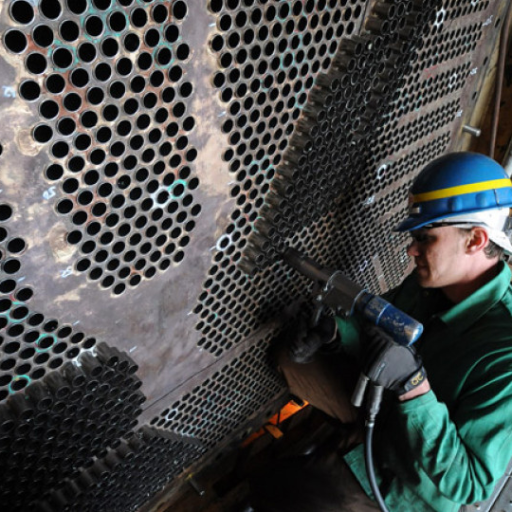
Lower revenue occurs, increased maintenance or replacement costs, etc. These usual unwarranted requirements are critical at the plant: an area of abnormal heat exchange fluid film thickness, unusual sound that indicates some presence in the tube of physical loss of cooling water. Below follows the usual kinds of fouling: scaling and contamination under attack by biological components, so the next one could be small particles or heavy debris plugging the condenser tubes and mechanical damage and intermittent or a few cracks. Successful interventions shall require a thorough inspection, with either ultrasonic or eddy current tests that shall reveal the actual areas needing attention; however, any fouling issue can be eliminated by chemical cleaning or high-pressure water jet cleaning to restore maximum efficiency. It is highly advisable to install some sort of filter system that can obstruct debris from accumulating. With the mechanical issue, tube plugging and/or replacement are essentials to see that minimal impact on the system. Regular maintenance in combination with predictive diagnostics will significantly minimize the possibility of the problem resurfacing and, hence, will increase reliability of the condenser.
Maintenance Tips for Equipment
1
Regular Inspections
Inspect visually at regular intervals to check fouling, corrosion, or mechanical and heat damage at the earliest.
Inspect visually at regular intervals to check fouling, corrosion, or mechanical and heat damage at the earliest.
2
Periodic Cleaning of the Tubes
Let them steam out with chemicals, use high-pressure water spray for proper cleaning to take-out chips, scaling, and process deposits on time, to enable plants work at optimum capacity.
Let them steam out with chemicals, use high-pressure water spray for proper cleaning to take-out chips, scaling, and process deposits on time, to enable plants work at optimum capacity.
3
Water Quality Checkup
Check the standard parameters of feedwater and cooling water also to prevent corrosion and fouling.
Check the standard parameters of feedwater and cooling water also to prevent corrosion and fouling.
4
Protect the Tube by Protective Coating
Apply coatings and high volume of chloride treatment or use ally-titanium condenser tubes to extend tube service life.
Apply coatings and high volume of chloride treatment or use ally-titanium condenser tubes to extend tube service life.
5
Predictive Maintenance
Use advanced diagnostic devices and sensors that assist continuous monitoring and timely detection of tube condition as soon as it starts to deteriorate, allowing preventive intervention.
Use advanced diagnostic devices and sensors that assist continuous monitoring and timely detection of tube condition as soon as it starts to deteriorate, allowing preventive intervention.
Documentation and Reporting Best Practices
- DOC
Retain the data: Comprehensive noting of each and every pulling event, including the date, location, and the reason for the extraction operation. This makes it easy to trace back to the machine it came from. Common failure or wearing patterns might be understood rather easily — should the record-keeping be good!
- DOC
Inspection Reports: Check the tube conditions of the extracted tubes for corrosion, fouling, or any other structural defects. This can start from examining the tube, looking for patterns, and agreeing on photographs to help identify the problem.
- DOC
Standardization of reporting: Use a consistent format for recording removal data, guaranteeing readability and uniformity between departments. This enhances sharing and analysis of data.
- DOC
Frequent information update: Periodically send such reports to maintenance teams and management — informing them about the condition of the system for decision-making on system upgrades or replacements.
- DOC
Standards and norms: Ensure the paperwork on the tubes conforms to safety and environmental legislation, fitting in with either pollution emission limits or procedures to be followed when disposing of extracted materials.
- DOC
Digital Tools Use: Utilize software or digital platforms for efficient documentation thereby making historical data available at a mouse-click. The right tools make data entry, analysis, and sharing more accurate and less time-consuming.
Practices like these mentioned can make sure that teams really run it down systematically and transparently to coming out with a good overall approach for managing condenser tube pulls.
Reference Sources
-
A Review of Literature on Air Cooled Steam Condenser (A Heat Exchanger Used in Steam Power Plant): This paper discusses various techniques and methods used in air-cooled condensers, including tube maintenance and extraction. Access the paper here.
-
Thermal-Power-Plant Condenser-Tube Corrosion Analysis: This study analyzes corrosion in condenser tubes and the methods used for their investigation and maintenance. Read the study here.
-
Current State and Trends in the Design and Operation of Water-Cooled Condensers of Steam Turbines for Thermal and Nuclear Power Stations: This article explores the design, operation, and maintenance of condenser tubes and tube sheets. Read the article here.
-
Parametric Analysis of Surface Condenser for Thermal Power Plant: This paper examines the impact of condenser tube performance on power plant efficiency and maintenance practices. Access the paper here.
- Bundle Puller
![Polypropylene Resin: Grades, Types & Selection Guide [2026]](https://boshiya.com/wp-content/uploads/2026/05/0-150x150.webp)