Get in Touch with BOSHIYA

Bundle Extractor Operator Training: A Comprehensive Guide to Tube Bundle Extraction and Maintenance

Operating and maintaining tube bundle extractors is a high-level skill in the industrial and maintenance sectors. These machines are central to the safety, efficiency, and longevity of heat exchanger systems. This all-encompassing guide has been designed to teach tube bundle extractor operators about the performing tips and tricks required to excel in tube bundle removals and maintenance. Whether new to the field or a seasoned professional eager to shore up on his skills, this training source will offer knowledge in terms of tasks to complete, incremental processes, and safety policies. At the conclusion of this document, you should be clear on the tools, pattern techniques, and professional attributes demanded by the tube bundle extraction skill, putting you in a very good position to fulfill the betterment requirements of your profession and ensuring system reliability.
Contents
show
Section 01
Understanding Bundle Extractors
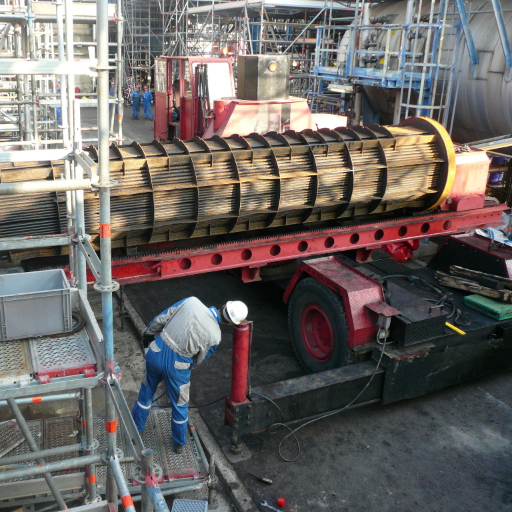
Heat exchanger bundle extractors are tools specifically used for taking out tube bundles in cases where shell-and-tube heat exchangers are needed for cleaning, maintenance, or possibly alteration. These contraptions facilitate labor and assure safety of bundles during extraction, doing controlled and regulated extraction of tube bundles through support when lifting, lowering, pulling, or pushing, assuring an efficient operation of the system and thereby prolonging the life of the heat exchanger.
What is a Bundle Extractor?
A bundle extractor is an engineered mechanical device in particular used for the removal of tube bundles from shell and tube heat exchangers efficiently and safely. These extractors are frequently seen being used in industries like chemical process, power generation, and oil refining where a fast turnaround on heat exchanger cleaning and maintenance is essential for consistent operation. Bundle extractors of these modern days incorporate upgraded digital controls such as hydraulic or pneumatic systems in order to ensure close manageability and higher safety, thereby allowing reduced physical strains during operation. They would normally be found as portable or established types to best fit specific needs and workspace shapes. Essentially, by systematically streamlining the extraction process, they play a pivotal role in ensuring minimum downtime along with the viability of systems.
Section 02
Types of Bundle Extractors
| Type | Description | Operation | Key Feature |
|---|---|---|---|
| Portable | Mobile use | Manual | Lightweight |
| Fixed | Stationary | Manual | Permanent |
| Manual | Hand-powered | Manual | Simple use |
| Hydraulic | Fluid-driven | Automatic | High power |
| Pneumatic | Air-powered | Automatic | Precision |
| Electric | Motorized | Automatic | Efficiency |
Section 03
Applications of Tube Bundle Extraction
- 01
Heat Exchanger Servicing
Expelling tube bundles for cleaning and inspection for the greatest functionality. - 02
Re-tubing
Tube-logs are accidentally noticed to be worn-out or damaged quickly needing replacement with new ones in the industrial units. - 03
Chemical Processing Plants
Perfecting the exchange within which maintenance of exchangers is needed for chemical processing. - 04
Power Generation Facilities
General maintenance works on condensers and steam generators. - 05
Oil and Gas Refineries
Guarantees enhanced operation by keeping heat transfer equipment in good condition with suitable maintenance action.
Section 04
Importance of Certified Training for Bundle Extractors
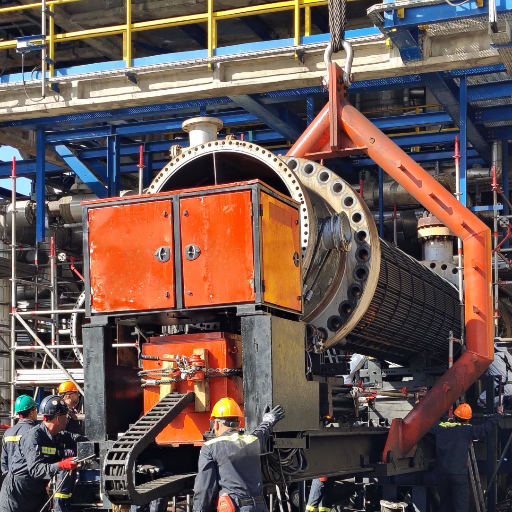
Ensuring Safety in Bundle Extraction
Safety in bundle removal begins with training and adherence to safety policies. Operators need to master the use of specialty equipment like bundle pullers and recognize the hazards inherent in their work. These include hazards related to equipment failure and handling, improper tool use, exposure to high-pressure systems, etc. The efforts at removing such risk would include early identification of probable risks by workers as they acquire more training, making it possible for such preventive measures to be implanted and resulting in smooth and incident-free operation.
Along with the other about safety guidelines, personal protective equipment (PPE) also acts as a major tool to guard the workforce. The workforce must always wear safety equipment like helmets, gloves, goggles, and the like to bear minimal physical harm. The business life cycle should commence with a check before the equipment runs for the first time, and that no chance of malfunction is allowed to slip through. Locked out-tag out will keep machinery from mistakenly energizing accidentally during maintenance, which is executed entirely assiduously through a system predetermined by employees.
The workplace must foster a safety culture. By these standards, it becomes, hence, Kay for any company to encourage open communication about any other safety concerns from all the workers and provide updates frequently on safety standards and policies. An appropriate emergency response plan must be formed and walked through, on a regular basis. This way, workers can come to serve promptly and efficiently in the event of an incident. Blunting risks to the maximum extent improves the safety of the environment of the people undergoing bundle extraction.
Enhancing Efficiency in Heat Exchanger Maintenance
Despite complete confusion over the fact, one has to seriously work to maintain training regarding the efficiency of the heat exchangers but especially training in hand-on bundle extractor condition. Training is necessary to provide operators with knowledge of technology and practical skills. This enables operators to perform the follow-ups without any error, enhances maintenance services quality by minimizing unnecessary downtime, and on top of everything, energizes the confidence level of operators.
These short courses provide interim training on action, principles of operation or troubleshooting aspects that generally harmoniously gather all indispensable engine noise and technical data in course order. The trained technician is often not just an industry claimant but possesses commendably sound knowledge of rules and regulations about the industry-claimed skill. If they are already well prepared, however, they will be better suited to identify problems even before they occur. Regular preventive maintenance doses thus increase the long-held sub-stratum circulation of the equipment.
In the final analysis, training in certified training programs for bundle extractors does promote the effectiveness of workers and the reliability of heat exchanger systems, beneficial to companies in terms of productivity gains, economic savings, and safety for worker performance enhancement. The ongoing tech changes and best-in-industry training programs will also ensure the constant efficiency of the group’s members and their flexibility to adapt to new challenges.
Benefits of Professional Certification
Benefit 01
Increased Safety-Consciousness
Certified training programs deepen implementation of the safe operational practices, subsequently minimizing the risks for accidents and injuries.
Benefit 02
Heightened Productivity
Trained personnel becomes more efficient, achieving tasks with precision and minimizing downtimes.
Benefit 03
Adherence to Industry Standards
Certified personnel authorize the following of industry guidelines and best practices, thus assisting in the maintenance of quality and reputation.
Benefit 04
Extended Life Span
Training cuts down on operational errors that ultimately cause damage to or reduce the efficiency of bundle extractors.
Benefit 05
Growth Prospects
Certification provides the employee with authentication of skills and adds value to the individual, thereby enhancing his/her growth prospects.
Section 05
Safety Protocols for Bundle Extractor Operators
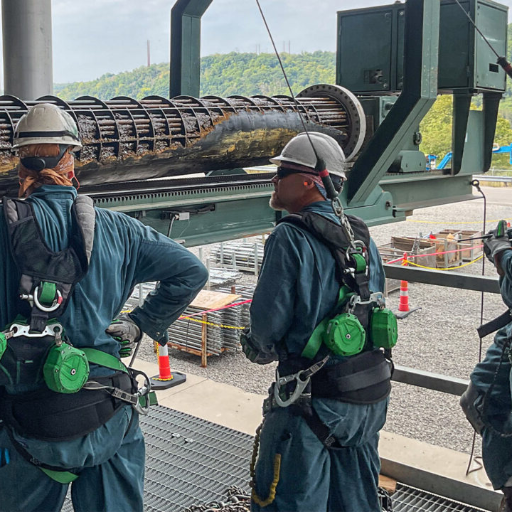
Essential Safety Equipment
-
Hard Hat: It protects the operator’s head from falling objects or accidental impacts.
-
Safety Goggles: It protects the eyes from debris, dust, and potential chemical splashes.
-
Protective Gloves: It reduces the risk of hand injuries related to sharp edges or exposure to harmful substances.
-
Steel-Toe Boots: It ensures foot protection against heavy or sharp objects.
-
High-Visibility Vest: This is a significant requirement for visibility in busy or low-light work conditions.
-
Hearing Protection: This is indispensable during activities involving enhanced noisy operations such as in industrial sites where protection is utmost in preventing hearing loss.
-
Respiratory Mask: This is demanded when the person is dealing with the potential risk of inhaling harmful particles or vapors, including dust, fumes, smoke, and masks.
Common Hazards in Bundle Extraction
Sharp Edges
Sharp or jagged edges could cut the handler during removal and handling of bundled materials.
Heavy Lifting
Musculoskeletal injuries may result from a failure to employ the correct lifting techniques as a result of lifting overly heavy bundles.
Slippery Surfaces
Wet floors or floors covered with oil around work areas can greatly increase the chances of slipping and falling while working on the bundle.
Falling Objects
A falling bundle of material could cause serious injury to those below if not properly clipped and secured.
Dust and Particulates
Most bundles are bound to release various fine particles during extraction that might cause skin irritation, eye irritation, or even respiratory problems.
Emergency Response Procedures
In the occurrence of an accident, the bundle extraction staff should follow the emergency response procedures to manage immediate response effectively:
- 1
Evacuation of Premises
Emergency situations, including fall of objects or a significant spill on slippery surfaces, require that the complete cessation of activities is followed by full evacuation of persons from the immediate risky area. This is done to minimize the possible injuries.
- 2
Notify the Head of the Department
As soon as such incident takes place, communicate with the duty supervisor or safety officer. They should describe the nature of the hazard, afflicted people, and immediate risk.
- 3
Treatments
According to the rule book of the company, whatever is required — someone getting injured because of slip or fall or musculoskeletal strain or exposure to dust and particles — you should administer first aid accordingly. Equipment and PPE must be provided to the person involved. It should enlist some medical help if the need arises.
- 4
Secure the Zone of Danger
There are proper signs, barricades, and warnings to keep workers out of a dangerous area until forensic resolution is completed.
- 5
Spill and Dust Control
Initial response to liquid or particulate spills — provide spill control through containment for liquid spills and ventilation or dust suppression will ease particle spread but contribute to setting the area to normalcy.
- 6
Equipment Shutdown
If you sense electrical or mechanical malfunctions with extractor bundles, stop and shut down operations, as you can prevent further damage and injury. Eventually, mark non-operational status on the equipment until repairs are finished.
Section 06
Best Practices for Bundle Extractor Operators
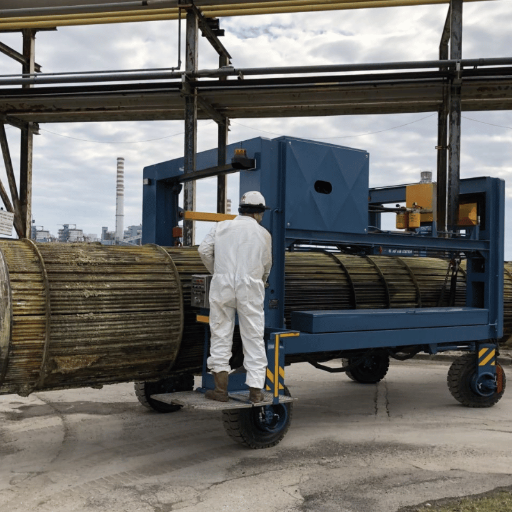
Safety Protocols During Extraction
- Step
Pre-Operation Inspection
Before commencement of operations, a thorough inspection must be carried out on the bundle extractor. During this inspection, look out for obvious signs of wear and tear or mechanical damage, ensuring that all safety guards are properly stationed.
- Step
Use of Personal Protective Equipment (PPE)
Under all conditions, operators must wear proper PPE, like hand gloves, helmets, safety goggles, and steel-toed boots, whenever there is any possibility of the operator being injured due to hazardous conditions in the work area, like falling debris or sharp-obstructing metal edges.
- Step
Compliance with Weight Limits
You are supposed to understand and follow the maximum weight limit, as specified by the manufacturer, of a bundle extractor, which is to prevent the extractor from mechanically failing or overload causing an accident.
- Step
Emergency Stop Buttons
Make it a point to know the location and operation of emergency stop buttons or levers. The buttons can be used in an emergency, which contains abrupt events of accident or hazard, presence of machinery faults, or anything critical while being involved into the extraction.
- Step
Clear Communication
Keep a continuous line of communication with team members all through the extraction process. Standard hand signals or the use of radios assures alignment and avoids any miscommunication, especially in noisy environments.
By following these safety measures, operators safeguard themselves while also ensuring overall safety and efficiency at the worksite. Staying updated about recent developments and industrial best practices in creating more opportunities to improve the safety of operations.
Regular Maintenance Practices
Regularly scheduled maintenance is deemed to be the self-correcting mechanism by which the squid extraction equipment can have both durability and, importantly, efficacy. The sequencer will employ daily checks at any point of inspection for visible signs of wear, such as exploration-like symptoms including frayed cables, or loosely tethered bolts, or damaged components. Use of lubricants in the lubrication of moving parts can help reduce friction and impede mechanical failures. The particular attention to cleaning the machine from that condition becomes very necessary after finishing of each and every day of mechanization so that a system obstruction with acceptable rapidity and discharge flow degrade over time.
An ideal practice for extensive service of the components periodically is the adherence of the manufacturers’ maintenance schedule — besides that — the replacement of parts when they need wear, to postpone can only lead to catastrophic effects. Well-kept records of all maintenance done would provide information for service history, therefore anticipating potential issues long before they even break up. Highlighting these points can confer reliability to the system, subsequently smoothening the essential extraction procedures — limits on potential operation of the same.
Training and Skill Development for Operators
Appropriate training and skill building are essential for bundle extractor operators to work effectively and safely. Compact initial training is given to the operator, which concentrates on machine operation, safety protocols, and the troubleshooting tool. Therefore, practical training with live and real-time events is most important to strengthen the technical aspects and thus boost operator confidence when using specific machines.
Continuing training and re-certification workshops will be important to maintain our operator’s current awareness regarding technological innovations in the sector and industry norms. Workshops and training programs on a regular basis helps in nurturing their capabilities in emerging methods and techniques to affect machine operation, GTBA, and machine downtime by saving time. They can also offer solutions to meet forthcoming operational challenges in the training sessions.
The importance of regular safety training cannot be overstated if we want to evoke an inclination for thinking about safety first in the work. Other guidelines include knowing and rectifying unsafe environments as well as understanding emergency procedures or observance of safe working methods. Improving training and safety awareness assures that one will become more competent in the performance of their tasks. However, typically, the acknowledgment that diligence is vital and is the way to operational excellence cannot be initiated without consistent application of safety principles.
Section 07
Maintenance Practices for Bundle Extractors
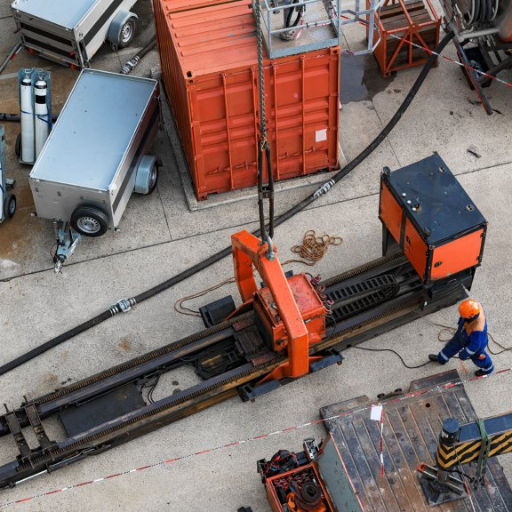
Routine Maintenance Schedules
An intensified maintenance program extends the lives of bale extractors and their many activities. Please refer to the user manual for more guidance on upkeep.
Inspection Procedures for Equipment Integrity
A regular inspection for pell extractors, so that they preserve functionality and thus work as soil-protecting devices, is crucial. Look at the equipment and check for visible marks of external damage, such as: cracks; corrosion manifestations; or looseness of any part. Check the fasteners and make sure correct bonding has taken place and that no fastener wearing/deformation is found.
Next, the operation process must be monitored via actual operation with the extractor under careful, controlled conditions. Note any abnormal noises, vibration, or performance variations, as they may be indicative of issues with the mechanics. Pay particular attention to movement and alignment of the critical parts so adequate lubrication may be maintained. Ensure smooth function with no tight or snagged parts. Verify that all monitoring mechanisms and safety features are functioning as designed.
Finally, carry out an internal check for worn parts, foreign materials, or blockages that may hamper proper functioning, only when accessible and by following the manufacturer’s instructions for the equipment. Meanwhile, ensure the lubrication systems are supplying water or lube. These results should be properly documented, and if anything does not measure up, proper improvement options should be put into place for any further damage requiring action, health, and injury hazards.
Replacing and Repairing Bundle Extractor Components
When replacing or repairing bundle extractor tools, the actions must involve a methodical approach to ensure safety and effectiveness. The very first action is turning the machine off and isolating it to reduce the chances of its being operated accidentally. Look directly in the manual from the manufacturer to know the specifics and specifics about the components. With all your good intentions, carefully extract the nasty or faulty components using whatever tools you have that are appropriate.
Examine replacement parts for compatibility and constituent quality against standards that meet their required specifications. For a repairing component, habitually remove dirt and mop it clean at the work premises for the designated technical purpose. After replacing a few worn components or realigning them after a minor dent repair, assemble the new component or new-to-repair patched-up component, following good sealing, fitting torque application, or spring-torque configuration instructions. A functional test on the extractor should be conducted separately after these last steps, ensuring good operation and smooth running conditions without difficulties appearing among its systems. Record what is done every step of the way in the record book to remain usable for future needs, especially maintenance.
Consulting with a certified technician or manufacturer representative is a must before starting the repair task, where the need of prompt action after completing cleaning is warranted, therefore, if the solution is not clear or does not work, one, as usual, is to contact their health and safety manager or consultant.
Section 08
Frequently Asked Questions
Section 09
Reference Sources
-
Comprehensive Strategies for Addressing Tube and Tubesheet Joint Leaks in Shell-and-Tube Heat Exchangers: This paper discusses practical strategies for tube leak repair and maintenance methodologies for shell-and-tube heat exchangers. Read the abstract here.
-
VTE Tube Bundle Component Study for Desalination Program: This study explores variations in tube bundle shapes and their implications for maintenance and cost analysis in desalination programs. Access the study here.
-
Results of Demonstration Tests of Maintenance and Repair Techniques for LMFBR Steam Generators: This research includes demonstration tests for maintenance and repair techniques, focusing on tube bundle removal and evaluation of heat transfer tubes. View the details here.
- Bundle Puller
![Polypropylene Resin: Grades, Types & Selection Guide [2026]](https://boshiya.com/wp-content/uploads/2026/05/0-150x150.webp)