Get in Touch with BOSHIYA

EPC Contractor: Engineering, Procurement, and Construction Services
We take your project from concept to commissioning under a single contract. One team. One responsibility. No gaps between design intent and what gets built on site.
ISO 9001:2015
ISO 14001
ISO 45001
API Compliant
What We Deliver
Our EPC Services
Engineering
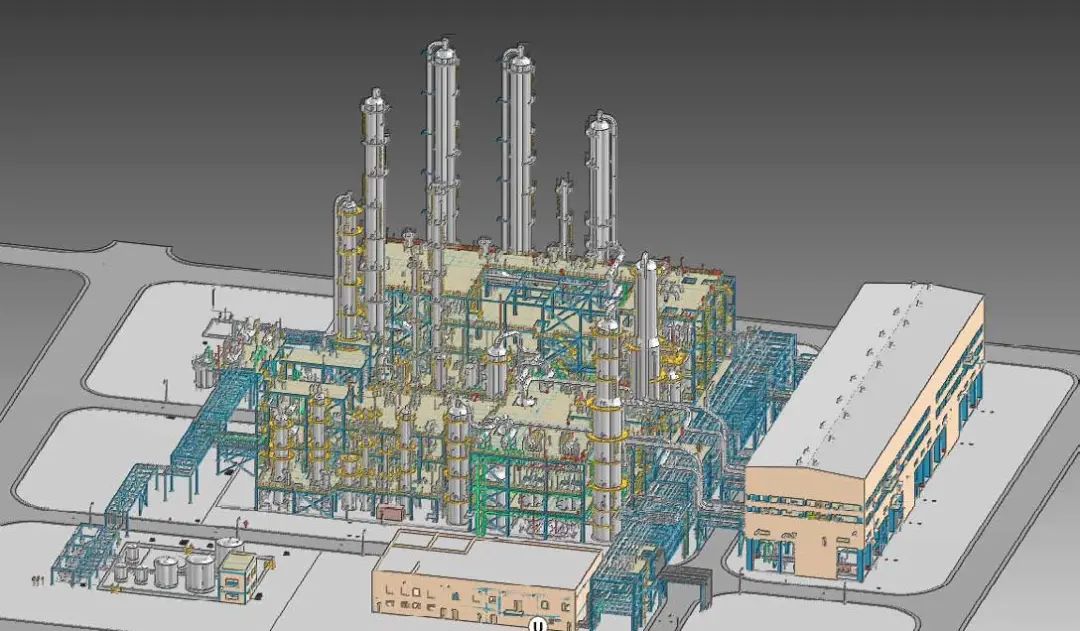
Multidisciplinary design teams — process, mechanical, civil/structural, electrical, instrumentation, piping. We use 3D plant modeling (PDMS, SP3D), run constructability reviews before we release a single drawing, and embed HSE into design from day one. Not as an afterthought.
Procurement
Three procurement hubs: China, Singapore, Middle East. We maintain a qualified supplier database of 2,800+ vendors across rotating equipment, static equipment, electrical, instrumentation, bulk materials, and specialty items.
Construction & Commissioning
Direct-hire crews and managed trade partners, depending on the project and the market. We run construction management with earned value tracking, daily constraint analysis, and — this matters more than people think — weekly look-ahead schedules that actually get updated.
Lifecycle & Maintenance
The relationship doesn’t end at commission. We offer operations support, predictive maintenance programs, turnaround management, and long-term service agreements. Our maintenance equipment division — tube bundle pullers, industrial scaffolding, cleaning systems — handles the heavy lifting (literally) when your plant goes into scheduled maintenance.
Proven Delivery
EPC Project Capability & Capacity Specifications
Numbers talk. Here’s what we can put on a site — and what we’ve actually delivered.
| Project Type | Capacity Range | Typical Duration | Contract Model | |
|---|---|---|---|---|
| 01 | Combined Cycle Power Plants | 50 – 800 MW | 18 – 36 months | LSTK / EPC |
| 02 | Solar PV + BESS | 20 – 500 MW | 10 – 22 months | EPC / Turnkey |
| 03 | Oil Refineries (Grassroots / Expansion) | 20,000 – 200,000 BPD | 24 – 48 months | LSTK / EPCM |
| 04 | Petrochemical Plants | 100 – 1,000 KTPA | 26 – 42 months | EPC Lump Sum |
| 05 | Water Treatment / Desalination | 10,000 – 500,000 m³/day | 14 – 30 months | EPC / BOT |
| 06 | Industrial & Manufacturing Facilities | Custom scope | 12 – 28 months | EPC / Design-Build |
| 07 | Pipeline & Terminal Infrastructure | Up to 1,200 km | 18 – 36 months | EPC / LSTK |
Note: every project is different, and duration depends on scope definition, site conditions, permit timelines, and equipment lead times. The ranges above assume a well-defined FEED and reasonable access to labor and materials. If your project falls outside these ranges — bigger, smaller, weirder — just ask. We’ve probably done something similar.
How We Engage
EPC Partnership & Wholesale Project Engagement
We work with project owners directly, and we also partner with other engineering firms, general contractors, and development companies who need EPC execution muscle. Depending on your situation, here’s how we typically engage:
Direct EPC Contract
You’re the asset owner. You want one contractor for everything — engineering through handover. We sign a lump-sum or target-price agreement and take it from there. This is our bread and butter. 70% of our backlog is direct EPC.
EPC Subcontract / Package
You’re a general contractor or EPCM firm and need to subcontract a specific scope — maybe the mechanical package, maybe the electrical and instrumentation, maybe the full process unit. We can take discrete construction packages under your management framework.
OEM / Equipment Supply
Our manufacturing divisions produce steel structures, pressure vessels, heat exchangers, and modular skids. If you need equipment supply with engineering support but not full EPC, we can quote on a supply-and-supervise basis. MOQ depends on the equipment type — contact us for specifics.
Joint Venture / Consortium
For large-scale projects where a single contractor can’t cover every discipline or geography, we form JVs with complementary partners. We’ve done this on infrastructure projects in Southeast Asia, power plants in the Middle East, and industrial complexes in Africa. Our legal and commercial teams have the JV structures ready — it doesn’t have to take months to set up.
For Procurement Departments
We can provide pre-qualification packages, safety statistics (EMR, TRIR, DART), financial statements, insurance certificates, and reference lists within 5 business days of request. Email our business development team or use the quote form below.
Execution That Matters
Real Problems We Solve for Project Owners
Problem
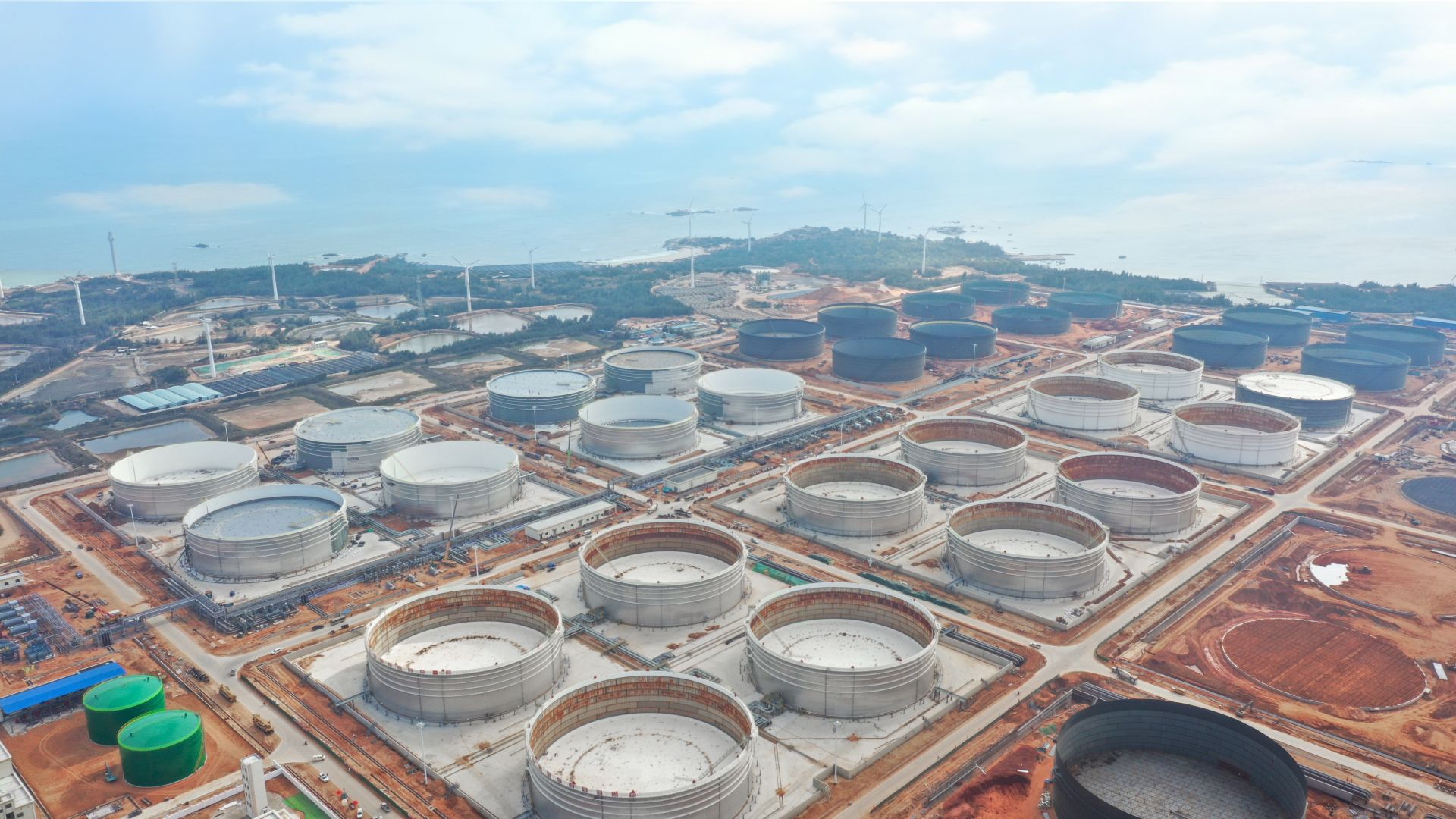
Schedule slippage between engineering and construction
You’ve seen this. Engineering releases drawings late, construction can’t start on time, procurement orders get pushed back, and suddenly the entire project is three months behind before a single pile gets driven. It happens because engineering, procurement, and construction are treated as sequential phases instead of overlapping workstreams.
Our approach:
We run concurrent engineering. Ordering of long-lead items starts during FEED. Construction mobilization planning begins during detailed design. We use a rolling 90-day look-ahead that ties engineering deliverables to construction need-dates — not the other way around. If a drawing isn’t needed on site for 6 months, it doesn’t jump the queue ahead of something needed in 6 weeks.
Project Story — Gulf Coast Refinery
Crude Distillation Unit Turnaround — Southeast Texas
CDU Capacity Recovery & Desalter Overhaul
A refinery operator called us mid-2023 with a CDU running 40% below capacity. Their team scoped the turnaround at 14 months. The board wanted 9. We flew a six-person engineering team to site within 72 hours, spent two weeks walking the unit and pulling P&IDs with the operations crew. Found a desalter issue the original scope missed entirely.
Restructured the scope to include the desalter overhaul without blowing the schedule. Pre-fabricated 70% of piping spools offsite in Jubail, shipped by container to Houston. Finished the construction project in 10.5 months — $2.1M under budget. The unit hit nameplate capacity on day three of startup.
“We expected delays. We got early delivery instead.”
— Plant Manager
Problem
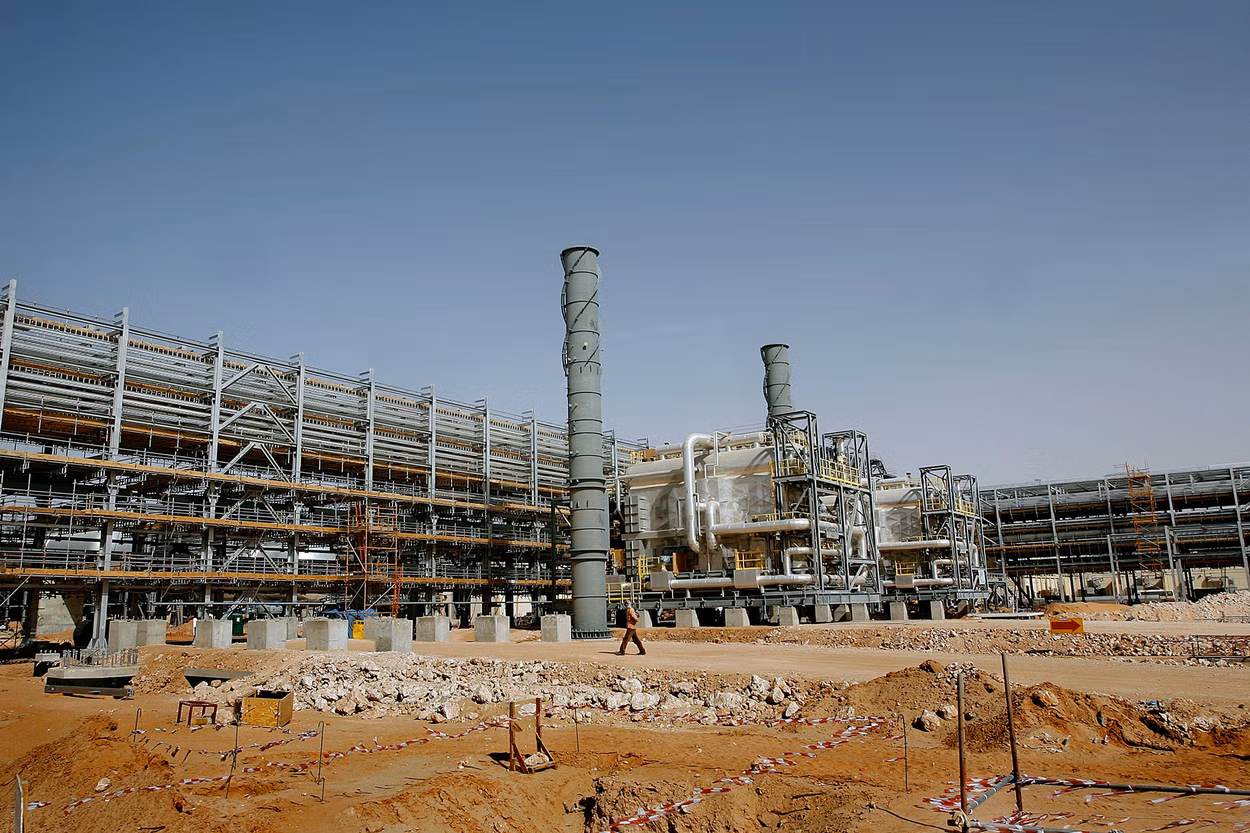
Cost overruns from poorly managed procurement
This is the second biggest killer of fixed-price projects (after scope creep). The epc contractor places orders too late, vendor quality issues surface at inspection, or currency fluctuations eat the contingency. The client ends up funding change orders they didn’t anticipate.
Our approach:
Three procurement offices. Dual-sourcing on all critical-path items. Total cost of ownership analysis — not just unit price, but delivery time, inspection pass rate, warranty terms, and logistics. We hedge currency exposure on large foreign-currency POs. And we station procurement engineers on the ground near major fabrication shops to chase deliveries personally. Old-school? Maybe. But nothing ships until someone with our name badge watches it leave the factory.
Problem
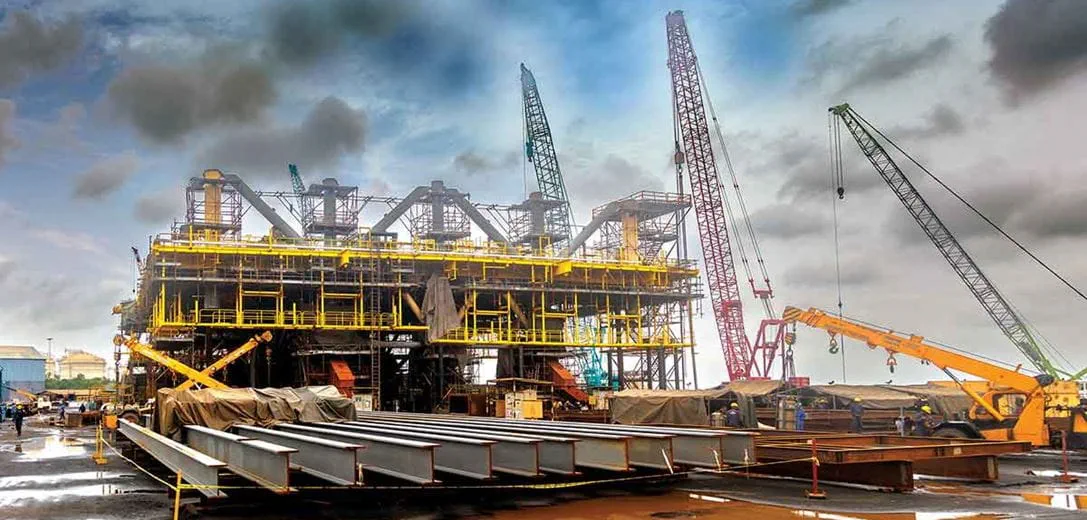
Managing multiple subcontractors in remote or harsh environments
When you’ve got 14 different trade contractors on a site in the Saudi desert or the middle of North Africa, coordination isn’t a nice-to-have — it defines your approach to project success. It’s the whole ballgame. One late subcontractor can hold up three others. A safety incident shuts the whole site down.
Our approach:
Single-contractor governance model. All trade partners report to our site management team — not to the client, not to each other. We run daily constraint meetings (15 minutes, standing up, no PowerPoint) and weekly schedule updates with every trade superintendent in the room. HSE is non-negotiable: same rules, same training, same PPE standards for everyone on site. Period.
Project Story — Middle East Petrochemical
400 KTPA Polyethylene Line — Saudi Arabia Eastern Province
Large-Scale Multi-Contractor Execution
Over 1,200 workers at peak, 14 subcontractors, and a tie-in to a live ethylene cracker that could not have an unplanned shutdown. We ran three-shift operations for the tie-in work with live gas monitoring on each shift. Stationed procurement engineers in Dammam, Jeddah, and Dubai to chase deliveries on the ground.
Mechanical completion: 26 months from NTP. Handed over 97.4% punch-list-free. The total project value was north of $380M — final cost within 1.5% of target price. The client signed us for the next expansion phase before we’d finished commissioning.
Problem
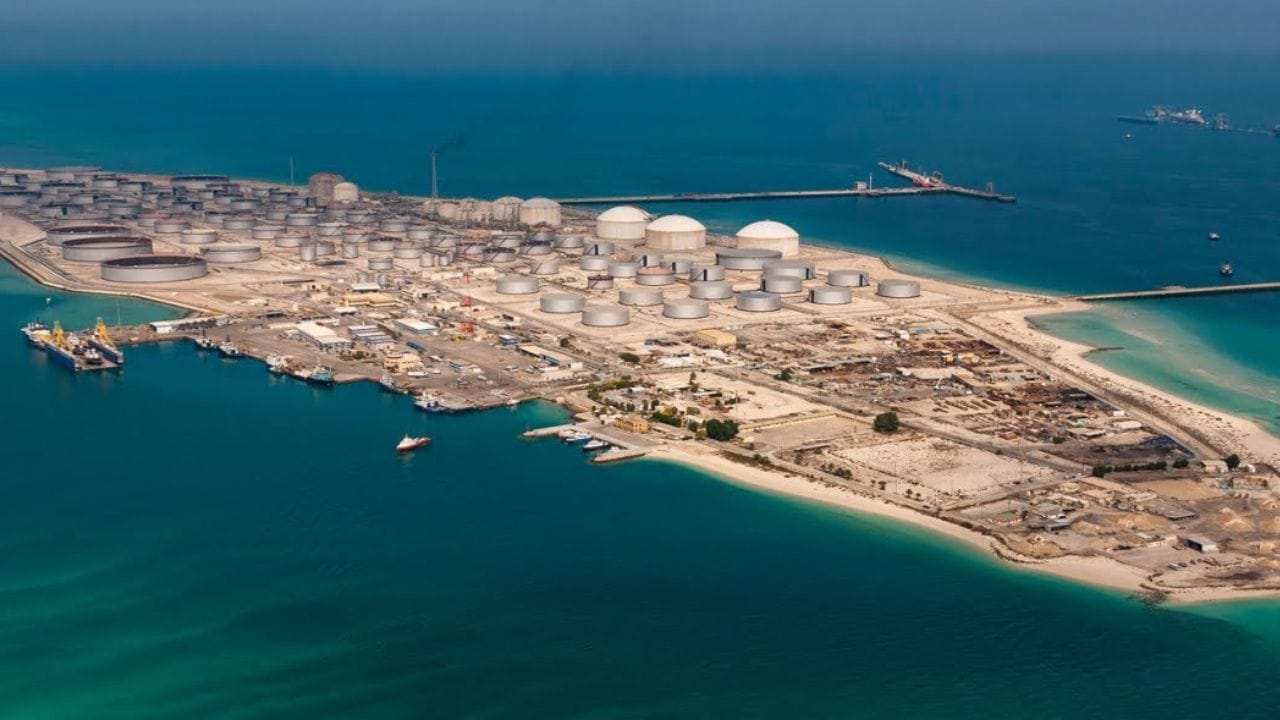
Technology integration and commission risk on renewables projects
Solar-plus-storage, hydrogen, waste-to-energy — the technology works in the lab. Getting it to work at scale, in the field, with a performance guarantee attached, is a different conversation entirely. Many large capital projects stall because the execution partner doesn’t have experience integrating the battery management system with the grid, or the electrolyzer with the balance of plant.
Our approach:
In-house systems integration team. We handle BESS commissioning, inverter tuning, grid compliance testing, and performance verification internally — not through a fourth-party commissioning agent who’s never seen your specific equipment configuration. On our Morocco solar project (120 MW PV + 40 MWh BESS), we reached commercial operation in 16 months and the facility now delivers approximately 210 GWh annually.
EPC Interactive Toolkit
EPC Project Planning Tools
Estimate costs, compare delivery models, and evaluate contractors — all in one place. Powered by data from 340+ projects.
Project Parameters
Enter capacity in MW
Estimated Results
Select your project parameters
and click Estimate
and click Estimate
Estimates are indicative only, based on industry-average benchmarks (2024-2025 data). Actual costs depend on site conditions, scope definition, equipment selection, labor markets, and permitting. Contact us for a detailed proposal.
Evaluation Criteria
Contractor Score
Check the criteria that apply
then click Calculate Score
then click Calculate Score
Knowledge Base
Frequently Asked Questions About EPC Contracting
01 What does an EPC contractor actually do on a project?
Short answer: everything from engineering design to handing you the keys. Longer answer — the lead firm takes single-point responsibility from start to finish. That means detailed engineering, sourcing of all equipment and materials, construction management, and commissioning. You sign one contract with one entity. If something goes wrong between what engineering designed and what got built in the field, that’s the contractor’s problem to solve, not yours.
02 How is EPC different from hiring separate engineering and construction firms?
Integration and risk transfer. With separate contracts, you — the project owner — become the interface manager. You coordinate between the engineering firm, the procurement agent, and the construction company. If the engineering deliverables are late, you chase them. If the procured equipment doesn’t fit the design, you referee.
03 What types of projects work best with the EPC model?
Capital-intensive projects where the interfaces between disciplines are complex. Think refineries, power plants (gas-fired or renewable), petrochemical facilities, water treatment, mining process plants, and large infrastructure projects. Basically, anything where a mistake in engineering creates a $5M problem in construction. The EPC model catches those mismatches before steel gets cut.
04 How long does a typical EPC project take?
Depends on what you’re building. A 100 MW solar plant: 12-18 months. A grassroots petrochemical facility: 30-48 months. Refinery turnarounds with EPC scope: 8-14 months. Our 150 MW combined-cycle power plant in Vietnam went from contract signing to grid synchronization in 19 months — three months ahead of deadline.
05 What certifications should I look for in an EPC contractor?
ISO 9001 for quality management — that’s table stakes. ISO 14001 for environmental. ISO 45001 (or the older OHSAS 18001) for occupational health and safety. Beyond those, look at industry-specific accreditations: API compliance if you’re in oil and gas, ASME stamps for pressure equipment, NFPA and IEC for electrical work.
06 How does an EPC contractor handle cost overruns?
Under a lump-sum fixed-price arrangement — and most of ours are lump-sum — the contractor eats the overrun. That’s the whole point of the risk transfer. If steel prices spike or productivity drops or we underestimated the earthwork, that comes out of our margin, not your budget.
07 Can you work with our existing FEED or engineering package?
Yes, and about 40% of our projects start exactly that way. The owner completes FEED with a separate engineering firm, then awards us the EPC scope based on that FEED package. We review it, flag any gaps or risks (there are always a few — that’s normal), and then develop the detailed design from there. This is especially common in petrochemical and refinery work where the owner wants design control during the early phase.
![Polypropylene Resin: Grades, Types & Selection Guide [2026]](https://boshiya.com/wp-content/uploads/2026/05/0-150x150.webp)