Get in Touch with BOSHIYA

Bundle Extractor Safety: Best Practices & Standards

In most industries, the operational efficiency and safe use of machinery or equipment is key. There are a few areas besides this that need more attention; one of them is bundle extraction. Bundle extractors are very important when it comes to cleaning heat exchangers’ tube bundles and/or changing them, but they can cause such damages, hazards, and losses in time if they are not handled properly. This post focuses on the tips and common practices that exist to achieve use of bundle extractors efficaciously and safely as well. Therefore, whichever your level of experience in the industry is, beginner or an expert, this article proffers useful information how to maximize productivity, minimize accidents while maintaining health and safety in the workplace. You will learn the protective techniques that have been proven effective to curb employees and equipment in place. Proceed for more information.
Contents
show
Introduction to Bundle Extractors
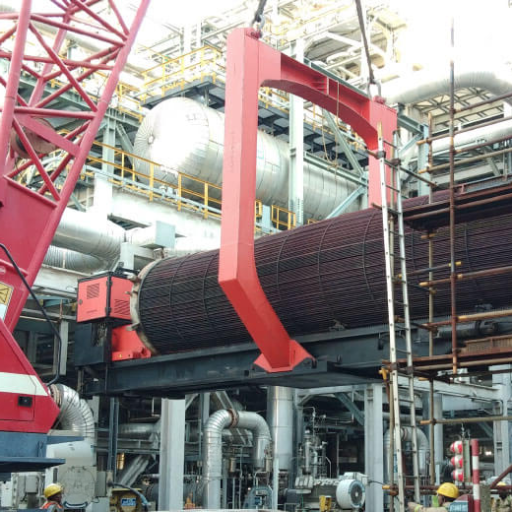
Bundle extractors find applications in various industries such as manufacturing, construction, oil and gas. They’re used to remove or install insulated bundles of conduits or cables or the like. Bundle extractors are designed to perform tasks with efficiency so that the workers don’t have to go through the time-consuming and physically straining work. By lifting heavy loads and aligning with precision, bundle extractors reduce imminent risk to the workers and potential damage to the machinery. These lead to substantial time savings in daily maintenance and much cost savings in case of any construction projects.
What is a Bundle Extractor?
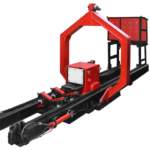
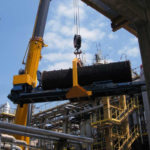
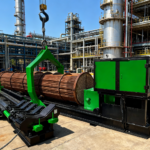
A bundle extractor is the apparatus employed in multiple industrial settings, such as heavy industries including the manufacturing, construction, petrochemical, and others, for the removal and installation of tube, pipe, and cable bundles with accuracy and speed. These instrumental technologies are meant to carry heavy loads and work at fine increments of alignment, therefore, simultaneously reducing danger to those doing the job and ensuring best quality of work. For this more high tech age, the typical bundle extractor, per se, is greatly equipped with modern technology such as hydraulics and automation to process more effectively and accurately from that time on. Used in hostile areas amidst repair, maintenance, and installation work, the lines support efficiency as well as security against physical as well as equipment injuries.
Importance of Safety Features
Safety features on bundle extractors are crucial for the continued effective and safe operation, especially in the industrial contexts. Such safety measures, particularly the emergency stop functions, overload sensors, and locking systems, safeguard both operators and machines in operation. During operation, injury risks due to accidents, which could be triggered by mechanical failures or forklift misoperation, are nearly eliminated. Making the apparatuses easy to operate creates additional safety; errors by the operator are minimized through control systems. This enhanced level of safety thereby increases reliability and operator well-being, whilst also adhering to the strictures of health and safety regulations.
Applications Across Various Industries
Pulp and Paper Industry: Bundle extractors are used in the movement and processing of raw materials such as woodchips and pulp bales, improving the smooth running of production processes.
Metal Recycling: These machines are dedicated to extracting and segregating metal bales, giving an edge to the recycling process and improving the rate of recuperation of the materials.
Automotive Industry: The bundle extractors help in taking panels, metal sheets, and otherwise heavy material bundles that would be used in assembly line operations and guarantees accuracy and reduced manpower.
Textile Industry: They are able to handle bales of fabrics or raw materials with intent to use in processing for production and for storage in inventory.
Building Industry: Bundle extractors are indispensable in the processes of moving and preparation of construction materials such as steel rods or pipes ready for use and many other items enhancing safety and productivity on site.
Operational Safety Procedures
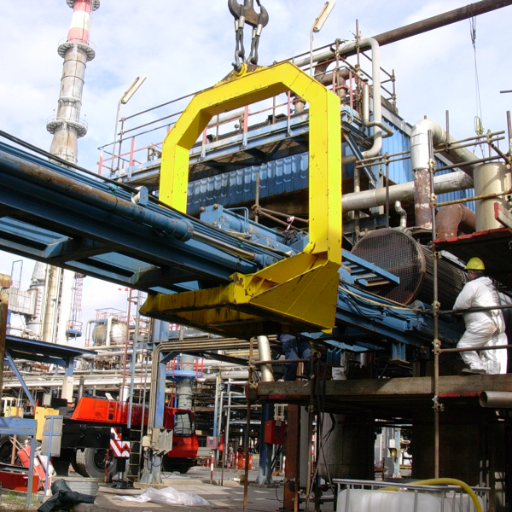
- ✓
Regular Checks: Regular among schedule base checks need to inspect whether the assembly and kit are at the best operating condition free from damage and disappear as an immediate priority. - ✓
Operator Familiarization: All operators ought to be oriented on correctly using and handling the equipment, with consideration to emergency stop mechanisms. - ✓
Loading Guidelines: Stick to maximum-load ratings specified by manufacturers to avoid overloading, which could lead to a situation of one can cause machine failure or accidents. - ✓
Open Work Floors: When working in and around equipment, it is necessary to allow enough-open space for storage, which will lessen the risk of being thrown off by such objects down causing a slip or even accidents. - ✓
Avoid Workwear: Operators should put on protective equipment that includes gloves, helmets, and safety boots. - ✓
Fast Emergency Response: Emergency procedures are studied, which should include procedures for gaining access to emergency stop buttons or devices when an emergency condition must deal with. - ✓
Maintenance Schedules to be Followed: Preventive maintenance schedules must be followed as specified by the manufacturer for lubrication and parts required to operate the machines.
All these safety measures applied can lead to a substantial reduction in the chances of safety accidents from the operating premises and from equipment malfunctions.
Pre-Operation Checks
- Visual Inspection: Look to see if the equipment is cracked, worn, or has loose equipment. Make sure all guards and covers are in their right places.
- Check Connections: This may include making sure all electrical and hydraulic connections are not loose or distorted and that there are no leaks.
- Probe Capacities: This includes the state of all emergency stop pushbuttons and other safety controls that it is installed and they are in good order and easy to reach.
- Lubricants and Fluids: Lubrication should be checked on all moving parts, while keeping an eye on fluid levels as well, refilling as needed.
- Remove All Obstructions: This would help free up the space around the bundle extractor and ensure restricted access to a safe working ground for gunman during operation.
These checks preoperational would guarantee successful use while reducing risks of harm to men and property.
Step-by-Step Safe Operating Procedures
- 01
Before-Operation Inspection:
All pre-operational checks mentioned above must be done to make sure the extractor will be in perfect working condition. These checks include lubrication and confirmation of reservoirs for the required fluids and safe operating conditions. - 02
Area Security:
Make sure the area is cleared of any unnecessary personnel, obstacles, or rubbish. It is necessary to set up warning signs or barriers. - 03
Position the Extractor:
Slowly drag the bundle extractor to be in line with the equipment from which the bundle will be picked. You may use guide markings or instructions to do so. - 04
Deploy the Stabilizers:
Deploy any stabilizer legs or components required to prevent the extractor from moving as it performs the lift. - 05
Hook the parts:
You need to attach securely the extractor arms or hooks to the bundle. Verify the connection and every attachment point is locked and settled. - 06
Test All Connections:
Always double check these connections between the hydraulic or mechanical systems before proceeding with the next important step in getting them right for service. - 07
Operating Test:
Activate the extraction controls at a very slow speed to gauge the motion and potential possibilities before initiating the removal. Watch whether the artifacts are operating diligently, report and take action. - 08
Promptly Removing a Bundle:
Pull the bundle under the guidance of the manufacturer under an adequately controlled lowering speed and adequate striking force application. - 09
Monitor Process:
The extractor package and support lined up should continuously be monitored on their behaviors and performances. - 10
Secure the Bundle Removed:
Safely lower and immobilize the bundle for inspection or closure once extraction is complete-and do it at the prescribed area. Maintain loosejonts at the supports, and stop them at the turn of the parcel. - 11
Extraction Unit Shutdown:
Power down the machine after conducting the task because this is the only way operators are guided to do so by some manufacturers. In that period of shutdown, attendees are stationed to disconnect the assemblage. - 12
Post-Activity Inspection:
Equipment should be inspected for any signs of misuse or damage plonked upon them during the course of the activity. Any manufacturer’s repair and service details should be followed for storage of any equipment. - 13
Cleaning and Storage—Equipment:
Consequently, following cleaning, special attention to cleaning should be provided to consumption of any dust, dirt, or contaminant from the extractor, and the unit should be properly stored dry thereafter until its next usage.
Use of Personal Protective Equipment (PPE)
Regarding the subjects using the handful of extraction procedure, it is an imperative requisite to make use of the proper PPE so that safety may indeed get guaranteed. Proper PPE uses ought to include:
| PPE Item | Protection Purpose |
|---|---|
| Safety Glasses or Goggles | It protects the eyes from all flying debris, dust, and other unidentified small particles. |
| Gloves | These are sturdy gloves that protect the hands from all injuries from sharp edges, hot surfaces, cuts, or other personal unintentional injuries. |
| Hard Hat | This equipment provides good protection for the head from falling objects, collision, or impact within the work area. |
| Steel-Toed Boots | These protect the feet from the weight of heavy objects and provide excellent stability on slippery surfaces. |
| Hearing Protection | The use of earplugs or earmuffs help to minimize the degree of noise levels that could go up while using the equipment. |
| Appropriate Working Attires | Another shield is placed to cover the whole area of the skin owing to dirt and other airborne contaminants with long-sleeve clothing or coveralls. |
Make sure every piece of PPE fits well before you use it, and if it does not, do not use it. Always follow the regulatory standards and manufacturer’s safety recommendations.
Equipment Maintenance

Monitoring of bundle exchangers is essential to ensure a safe and productive process. Starting by regular examination of the equipment for signs of wear, damage, or loosening of any component. Also lubricate the moving parts according to manufacturer specifications to minimize friction and increase the effective life span of the equipment itself. Due to any contamination affecting the performance, clean the whole extractor once in a while to remove residue and debris. Any worn-out parts should be replaced immediately. Use only original spare parts to ensure high-quality repairs and maintain safety requirements. All controls and safety mechanisms should undergo test runs to verify their proper working order. In each and every case, the equipment book must be followed along with proper maintenance guidelines.
Routine Maintenance Practices
- Scheduled cleaning tasks: Keeping dust and residue and dirt out is the most important thing to do to avoid clogging and let systems do their jobs in an optimized manner; filters, nozzles, and areas of heavy build-up must be the most important places for attention.
- Inspection of different parts: Check for wear and tear in places where such indications come up, such as belt thinning, rusting, or any loose bolt or screw and put the detected in-good statutes solution after looking into their potential intensification.
- Everything that needs lubrication: The lubricant-for-moving-parts stipulation applies to most machine types which the user must endorse in the manufacturer’s technical manual shall be made use of, for reduced friction and assured smoother movement.
- Safety checks: It is very important to test the emergency stops and protective covers from time to time to ensure that they are working rightly as they are supposed to comply with the safety regulations.
- Replace Worn Parts: New parts should be replaced following the companies’ policies, ensuring compatibility and preventing them from causing performance deficits.
- Obey the Maintenance Schedule: Always follow the maintenance schedule put in place by the manufacturer to avoid downtime and realize the best performance.
Preventative Maintenance Strategies
- Make Routine Inspections: Standard daily and weekly checks take on wear, corrosion, or other potential problems. For instance, check the belts, bolts, and seals for damage or looseness.
- Lubrication: Guarantee the necessary bearings to move as per the maker’s instructions so as to lower the friction of machinery parting and also reduce wear.
- Erase Dust and Debris: Make sure no dust, debris, or residue associated with operation can be allowed to accumulate on the extractor; otherwise, an issue or blockage might be caused.
- Watch the Performance: Monitor performance metrics, a few of which are production efficiency, excessive noise levels, etc., so as to observe any out-of-the-way traits.
- Schedule a Skilled Service Job: Only the displayed professionals can come through for high-grade examinations and adjustments required to keep the packer in top condition and to adhere to state of the art safety standards.
Abiding by these guidelines on maintenance can help raise the life of bundle extractors, increase operational downtime, and ensure that they continue to operate reliably.
Inspection Protocols and Technical Data
Proper inspection protocols are very important in ensuring proper functioning of a bundle extractor. Every well-structured inspection method should have the inspection of critical parts such as seals, bearings, hydraulic systems, etc. in terms of any breakdown or wear. It is prudent to have records of inspection results such that change across time can be monitored for purposes of proactive maintenance instead of reactive repairing.
There are a few key technical parameters that need to be measured: operating pressure, cycle time, temperature limits, energy use, etc. It is also good practice for the operators to refer to these values based on the limits prescribed by the manufacturer in order not to incur inefficiency in the system. New sensor development and Internet of Things applications enable data to be collected and fetched constantly, paving the way for the decline of routine checks.
Through controlled inspections and application of advanced data techniques on bundle extractors, organizations are able to manage costs and guarantee the operation and availability of bundle extractors all the time.
Industry Standards and Regulations
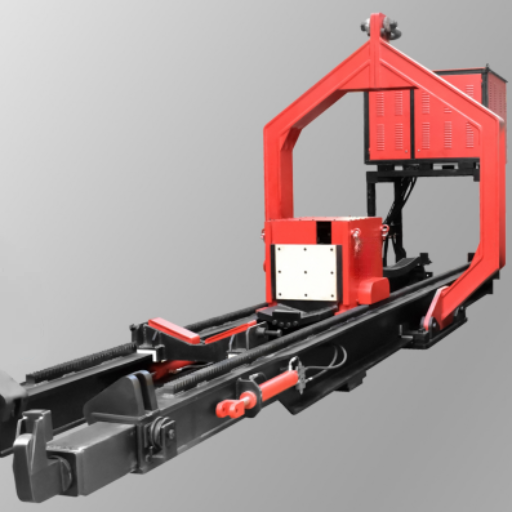
The industry best practices and regulations on bundle extractors are more concerned with safety, productivity and environmental considerations. Some of the main ones are from organizations like ASME- American Society of Mechanical Engineers because it’s dealing with mechanical safety and API (American Petroleum Institutes) per the reliability of operation. Following OSHA-Occupational Safety and Health Administration’s regulation is necessary to protect health issues at the workplace. In case of adverse environmental standards, say the EPA-Environmental Protection Agency for instance Bundle Extractor Safety is safe seal can be used. It has been estimated that compliance with all these standards reduces risks and it also enhances the performance as well as achieving consistent and efficient operations.
Safety Features in Bundle Extractors
Concerning the safety of the bundle extractor, several considerations have been taken into account and remedies provided. The components include automatic emergency cut-off switches which come into operations at the instance of faults to prevent damage or injuries which could escalate into fatal accidents, pressure, and temperature sensors for the detection and rectifying any unwanted operational conditions, and fra its enclosures for protecting the operator inncidents with the said equipment. Where applicable, there are also provisions for providing anti-slip materials for flooring and witting devices for minimising incidences of work-related accidents. In addition to the expansion and fail safe devices, also features have been incorporated in the equipment to ensure its safe functionality in case maintenance activities are not carried out in a timely manner.
Compliance with Petrochemical and Refinery Standards
Employing bundle extractors in the petrochemical and refining processes entails multiple safety standards and best practices as these equipment cannot be compromised in any way. Some of the organizations whose guidelines are strictly adhered to in such cases include the American Petroleum Institute (API), the International Organization for Standards (ISO), Occupational Safety Health Administration (OSHA) and others. A case in point is the API 660 which sets the standards for shell and tube heat exchangers that are maintained and inspected using bundle extractors.
Additionally, the design of bundle extractors should conform to ISO standards especially in terms of safety and operational capacity of the devices, meaning that they should be able to withstand heavy duty work in industrial settings. The equipment, through available features inclusive of emergency stop devices and appropriate fence guards, is ensured to be safe for the workers owing to OSHA regulations. Many companies, on occasions, carry out routine audits and inspections to ensure compliance to these standards, trace and waste minimization measures active in the running of petrochemical and refining units.
Overload Protection Mechanisms
Bundle Extractor Safety is important as several layers of overload safety exist to protect equipment from being damaged during operation. Weight load sensors for instance, which are fitted in all these units, measure the weight and detect any overloading in real-time basis. Should an overload occur, protection devices including but not limited to shutdown and load limiting features will protect the machine and its operators. Additionally, mechanical fail safes that include torque limiter systems and pressure relief valves are very common. Mechanisms such as the above should be regularly serviced and checked and the standards followed for peace of mind.
Common Hazards Associated with Bundle Extractors

The Bundle Extractor Safety manual explains that these machines, while indispensable in most of the industries, may present several risks to the users if not well controlled. The most common risk associated with the use of these machines is the load exceeding the capacity of the machine, resulting in mechanical failure, or injury to an operator as a result of lack of training or inappropriate use. Other risks includes hydraulic leaks that cause fire and slipping on the fluid, as well as wearing of clothing and a part of a person’s body into the moving components. In addition, poor maintenance procedures also have potential to result in failure of the machine, which puts the operations at risk. In order to avoid the above mentioned risks safety procedures must be observed, periodical examination of the equipment conducted together with proper training of users.
Potential Risks During Operation
The operation of bundle extractors is associated with a wide range of dangers, which must be appropriately addressed. The mechanical breakdown is one of the primary concerns as it is triggered mostly by overuse or neglect. Then there is the hazard of employees suffering from pinch points or getting crushed by the moving parts when appropriate safety guards have not been applied. In some instances, they result in slips, leaks, and even a fire hazard, which is all due to defective hydraulic system functioning. Other causes of concern are electrical, as circuits could fail and wires could be open, which is very dangerous to individuals and the equipment itself. People, machines, and equipment must be protected from these factors only when they are given proper training, the equipment is regularly repaired and servicing, and above all, safety procedures are adhered to.
Identifying and Mitigating Hazards
Bundle extractor safety is of great concern to many industries due to the hazards involved in their operation. One of the dangers especially when conducting repairs as already mentioned is getting in contact with the moving components or body parts caught between the components. In any case, if such a situation will arise it is advisable that a means of protection is installed such that no parts are exposed unless the machine is in an off mode and de-energized. It is also important to note that bundle extractors are mostly operated by hydraulic systems, which presents certain dangers such as leaks of fluid which may still increase the risks of slipping on the floor and also if there are flammable materials, a fire can break out. This can be avoided by having all hydraulic parts properly checked and repaired.
There is also a concern regarding electrical issues caused by power cuts and damaged or exposed wires. Insulating all power sources properly and checking them frequently helps avoid electric shocks or malfunctions. It is necessary to instruct operators on the symptoms of machine malfunction and what actions to take in response; there should also be emergency shut-off mechanisms available. Such preventive activities together with a strict observation of the standard practices for handling the equipment guarantee safer operation and better performance of bundle extractors at any work place.
Future Trends in Bundle Extraction Safety
Bundle Extractor Safety in future involves more emphasis on automated processes and the use of modern systems and technologies in minimizing operational risks. Automation systems complete with sensing devices and constant assessment of events in the environment ensure that such potential dangers are anticipated and dealt with in time thereby improving the level of safety and cooperation. In addition, the adoption of artificial intelligence together with machine learning facilitates this kind of activity for maintenance in advance thus forgetting about surprises. There is an increased use of virtuaI reality and augmented reality as it pro vi des the opportunity to simulate and guide operators in a safe manner, like training on safety. There are such developments in practice which are bound to redefine bundle extraction procedures with enhanced safety norms and ease of long maintenance requirements.
Reference Sources
- Design of a Mechanical Stator Winding Extraction System for Small Scale Industrial Workshops: This study addresses safety concerns and operational design for mechanical pullers, offering insights into safety practices for similar industrial equipment.
-
Assessing the Health and Safety Aspects of Reboiler Maintenance Activities: This study discusses the operation of bundle pullers during reboiler maintenance, focusing on safety aspects and operational best practices.
-
Heat Exchangers: Classification, Selection, and Thermal Design: While primarily about heat exchangers, this book provides insights into equipment design and safety considerations, relevant for bundle puller operations.
- Self Propelled Bundle Extractor
Frequently Asked Questions (FAQs)
What is a tube bundle extractor and how does it work in heat exchanger maintenance?
A tube-bundle extractor, also known as a tube-bundle puller or puller-bundle extractor, is a construction used for moving administrations of tube associations from a shell-and-tube heat exchanger. In working mechanisms, the device uses a hydraulic, hydraulic cylinder, or mechanical system. When it is activated, these mechanical devices will apply a controlled force to extract, while guides will assist in keeping secure by straightening the connecting flanges, avoiding damage to exchange. This equipment is a controllable manual, remote control, or automatic extraction even where actual operation and designs allow it for well-thought-out working of these tools. Accurate operation of this equipment and a well-organized program of operator education in safety lead to guarantee the safe operation of an exposition to all the vessel-type exchanger tubes.
How are flawless extractions without damaging the tube bundle flange or tubes guaranteed for bundle puller designs?
Functionalities in bundle puller designs might involve flexible clamps, high-strength tie points for lifting, and cylinder-based pushing or pulling mechanisms to help ensure that the extraction forces are uniformly distributed across the tube bundle. Tooling that can be placed under the tube bundle and guides for the tube bundle prevent there being off-line from the flange and thus damage the exchanger or any piping connection. The selection of clamp geometry needed for the bundle and maintenance of an always healthy instrument, cared for by hydraulic oil and proper lv check, provide more confidence and safety while completing the extraction process.
What operational and safety measures should operators take while using a tube bundle puller?
To ensure safe working conditions with risks minimized as much as reasonably practicable, operators should have specialized training. Operators must receive defined and systematic operator training for equipment operation, emergency procedures, and lifting operations. Operators must use suitable protective equipment. They must inspect hydraulic cylinders, clamps, test hydraulic oil levels, control the rods and the weight of the pulling force, use control systems, and ensure that the device can meet the demand loads before operation. Prior to the start of work, a risk assessment must be executed along with a good lockout/tagout practice, making compliance an effective component of normal safety behavior against accidents occurring.
What are some standard procedures to keep a tube bundle extractor safe and reliable?
Standard checks that involve regular inspection of clamps, hydraulic cylinders, hoses, and remote control systems; the periodic checking of hydraulic oil-levels and grease of moving parts; and the testing of pressure relief valves and indicators; should be performed as breakdown maintenance. A preventative maintenance schedule would ensure an examination of high strength components for cracks, flange interfaces of undamaged nature, and a test of smooth operation capacity. Inspection should be followed by documentation and on-time replacement of worn components. This has led to improved safety and reliability in these extraction operations.
Are there high-tech advanced features like automated extraction that enhance safety when extracting tube bundles?
Automated extraction provides reduced exposure to people in manual lifting activities. Such systems may include remote controlling, programmable retracting sequences, force-limiting hydraulic systems, and sensors for detecting alignment mismatch, or if resistance is high. The system guides controlled pulling and pushing actions be performed, offering a smooth take-out and reducing operator fatigue, while ensuring operator and maintenance safety and reliability. Operators should be trained and wear proper personal protective equipment even while using automation.
![Polypropylene Resin: Grades, Types & Selection Guide [2026]](https://boshiya.com/wp-content/uploads/2026/05/0-150x150.webp)