Get in Touch with BOSHIYA

How to Choose the Right Bundle Puller Capacity

The need to select an appropriate bundle puller capacity cannot be overemphasized. The capacity must be accurately determined for the sake of safety, effectiveness and efficiency among other considerations. Pulling loads for construction purposes, or similar duties within a factory or office based setting, without examining the capacity of the equipment can have serious repercussions on the overall success of operations or the lifespan of the equipment. This guide will detail the major considerations that should be made to help the user make the right choice for their application. Learn how to approach these and other crucial elements in selecting a particular load or equipment configuration and economize on costly errors in the process. Ready, set, select the best option to suit your needs and increase production in due time!
Contents
show
Understanding Bundle Puller Types and Their Applications
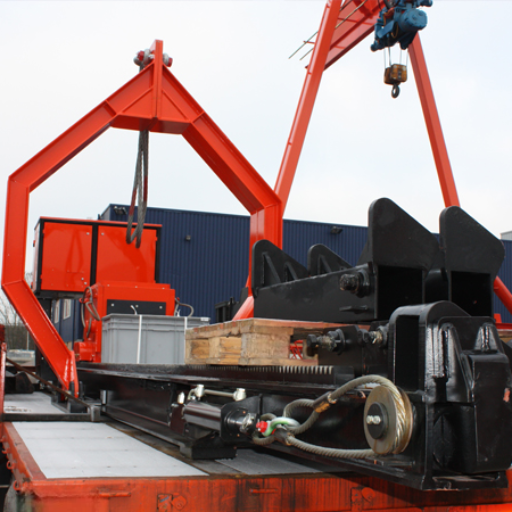
An explanation was provided regarding the reason as well as the process of using bundle pullers in different industries. The most frequently used kinds of bundle pullers consist of those which are mechanical and those which are hydraulic.
Mechanical Bundle Pullers: They consist of a lever system which is used to generate force in holding and extraction of bundles. They are both lightweight and easy to use hence most preferred in easy work medium or small operations.
Hydraulic Bundle Pullers: They are very heavy duty as they employ hydraulic power in exerting higher pull forces ideal for medium or large scale operations. They are found in construction, manufacturing and other precision and heavy industry services.
There are different kinds for each operational case, and the best one to use can offer guidance on the load and form of bundles and surrounding workspace conditions.
Overview of Bundle Extractors
Bundle extractors are tools held in high esteem on account of their expertise in rapidly and carefully removing tube bundles from heat exchangers during maintenance or repair works. Efficient and lesser downtime are the advantages that integrate bundle extractors into the framework of petrochemical plants, refineries, and many power production plants around the globe.
There are a few extractors that specialize in removing an array of different, but, typically, hydraulic and mechanical systems providing two alternatives based on the kind of operational requirements. Hydraulic extractors excel in heavy pull, and hence, in fine application to heavy and closely fitted tightly-bound units. In turn, mechanical extractors bring their more simple and cost-effective solution in smaller applications.
More advanced extractors in bundles equipped with safety means, automated options, and the capability of handling various tube sizes are now required by the industry. These realized benefits will not only boast efficiency but will also fit well with demanding safety requirements in place. The correct bundle extractor is thereby dependant on the design of the heat exchanger, the rigidity and weight of the tube bundle, and the operational specifics of a given plant.
Types of Pullers Used in Bundle Pulling
In bundle pulling, several types of pullers are commonly used, each being designed to fulfill specific operational requirements.
Hydraulic Bundle Extractors
The most commonly used type of pullers, hydraulic extractors are valued for being quite strong and efficient. They are perfect for dealing with heavy tube bundles in user-friendly parts so that in environments where there is a stiff risk, they can be operated remotely for ensuring the workers’ safety.
Mechanical Bundle Pullers
These are already pretty much different, for that they are mechanically moved and standardly simple in its operation and require pretty low maintenance needs. They fit into smaller, less demanding tube bundle pulling tasks.
Truck-Mounted Bundle Extractors
These kind of extractors is undoubtedly designed for better maneuverability, with the pullers attached to a truck, allowing them to move conveniently in and around a site. They are particularly necessary for plants requiring tube bundle transportation between separate locations very often.
Selection among these extractors is often based on factors such as facility layout, the statistical weight of the tube bundle, inch dimensions, and specific operating conditions.
Choosing Between Aerial and Ground Models
Many considerations affect the choice between aerial and ground tube bundle pullers. Facilities with complicated configurations and elevated structures lend themselves to the use of aerial models where access to tube bundles is better gained from the top than from the ground. Specifically, where vertical space is available in plenty, and ground access might be less possible or dangerous, the pullers gain a considerable amount of benefits. Nevertheless, ground models are efficiently usable in more spaced-structuring kinds of plants with direct ground-level access. Upon the floor, they provide more flexibility and can be moved around more easily to effect tube bundle works.
Industries having tall, vertical infrastructure such as oil refineries and chemical plants often prefer aerial models for ease of safety and efficiency throughout the premises. In contrast, operations which are widely spread in facilities such as food processing plants preferred ground pullers for their smooth movement and adaptability. Therefore, an understanding of your ‘facility’s layout and operational requirement will largely determine between these models.
Key Factors in Bundle Puller Capacity Selection
Weight Considerations: Understanding Load Limits
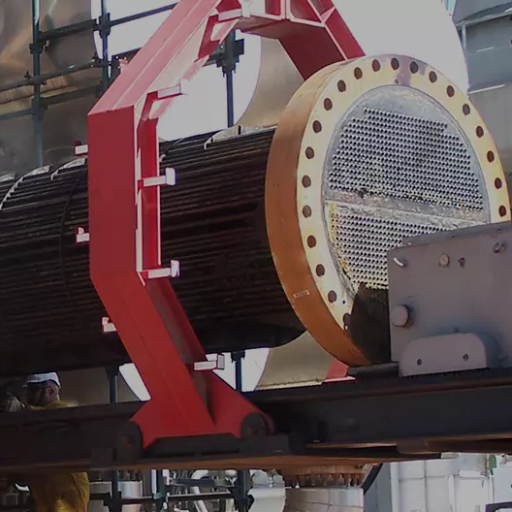
Bundle puller weight capacity is fundamental to safe and efficient operations. Weight capacities of a bundle puller are usually dictated by the engineering design, structural integrity, and motor capacity. Realistically consider and determine the heaviest weight any bundle may reach during regular operating conditions in your facility. When recent supplies and data support the understanding that overloading a bundle puller results in heavier repair and maintenance costs, more frequent fatigue in the equipment, and some safety threats, Google search volume reports a rise in the concern about this issue among many operators, who turn to learn the most correct way to gauge a proper weight. For any equipment you choose, avoid causing such complications by ensuring it can easily withstand the greatest bundle load, with some room left for occasional high-load situations.
Safety Margins in Equipment Selection
Safe and efficient operation can be achieved when choosing a bundle puller and the factors to be considered during such events are:
- Bundle Puller Capacity Selection: Pick a machine with enhanced capacity beyond the heaviest bundles to be carried. The measure will help contain the load from being exceeded preventing strain on the machinery.
- Maximum Capacity for Peak Loads: Provide for any potential peak loads by allowing extra peak load capacity of the puller. It will allow the equipment to work fine even for an unexpected increase in the demand from the machinery.
- Robustness and Materials: Ensure that pullers are selected, which have been constructed out of durable material for long term wearing and tearing.
- Usage Expectancy: It is prudent to look at the expected frequency of use and the most appropriate type of puller to buy. Completing heavy duty applications will require tough machines.
- Manufacturer Recommendations: It is also important to state the specifications provided by the manufacturers for performing their tasks. They are very useful and address conceptual misconceptions about the puller’s limitations and strengths.
Operators will be able to manage dangers, decrease downtime and improve efficiency by being keen on these key aspects.
Tube Bundle Dimensions: Importance of Diameter and Length
Among the many factors to be kept in mind during the bundle puller capacity selection, the diameter and length of the tube bundle are of great importance. These two sizes determine to a large extent, the capability as well as the safety of pulling the given bundle.
Diameter
The tube bundle diameter determines the type of grip which shall be adopted by the puller as well as the stability of operation in which this puller shall be applied. Much of the time, bigger diameters mean investing in pullers with structural reinforcements and modern gripping systems to hold the load without damaging the layout of the tubes. Defining puller which fits multiple diameters enhances flexibility of operations.
Tube Bundle Length
More or less, the overall tube bundle length has a direct correlation to the bundle puller capacity whereby the longer tubes will add problems of bending and/or misalignment which will require enforcement by the length of the pulling mechanism to avoid such problems of weight distribution. Choosing a longer reaching and extending puller is important in relation to the handling of such long tube bundles.
One can check, when it comes to dimensions of the bundles and the existing puller, whether the existing machinery fits the bill or any new developments. For optimal functionality, operations are carried out smoothly as designed, minimizing the risk of failure, mechanical injury, or other injuries.
Performance Metrics for Bundle Pullers
Evaluating Hydraulic Systems for Efficiency
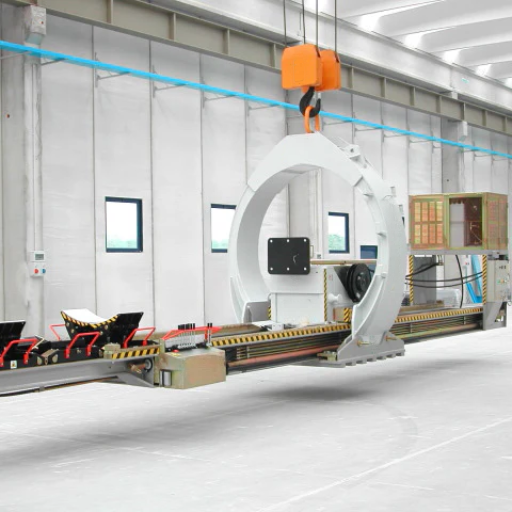
The revolution of efficiency of these machines is in the hydraulics as they are responsible for empowering the pulling of heavy materials. This system can be assessed by looking into its principles:
- Power/Weight – Another way of saying it is when a system can manage the loads while saving on power.
- Pressure of the System – A perfect hydraulic pressure will ensure the bundle puller works within the limits of the components without burst.
- Fluid Flow Rate – This aspect looks at how the hydraulic fluid is managed to enable the displacement of the bundle puller swiftly.
- Durability and Service – Enhanced materials and engineering reduce generation of wear and tear in the machinery thus reducing operating costs.
The reading of the technical specifications and technical analyses of performance is very useful in choosing systems that fulfill the performance even at the extreme limits.
Durability Requirements for Industrial Environments
The severe working ambiance at industries needs tough and durable bundle puller machines since breakdown should cease their productivity to a halt. Some key metrics to evaluate such machines were:
Material Strength and Quality
Materials used for constructing these pullers should have high-quality alloys or composites that can comfortably bear the extremely low and high temperatures, abrasive materials, and corrosive agents usually present in the industrial environment.
Load Capacity
A puller for use in industries should withstand the highest dangerous loads present without affecting performance, otherwise, a compromise in the design will impact the utility of the machine during prolonged usage.
Expected Lifespan
Such equipment needs to be evaluated as to how it is operable over a much longer period-of-use life without wear out, over cycles of use and environmental severity. Longevity extends the machine’s replacement time and decrease operating costs.
Maintenance Requirements
The systems that are “Forgiving” in the realm of maintenance, i.e., easy to use or not needing much maintenance, such as sealed bearings or self-lubricating parts, are of substantial importance to the user.
The machinery that is made with harsh equipment and is supposed to last the longest is made using ISO standards or ASTM standards. We also find light evidence of maintenance and the use of genuine parts prolonging the life of equipment, even when used in tough industrial conditions.
Impact of Downtime on Operations and Equipment Choice
Time wasted in procedures that involve the use of bundle pullers is counterproductive, generating direct cost and overhead, and thus causing determent to the deliverables. For this reason, opting for effective bundle pullers that are built to last is a priority. Durable construction features, low probability of failure due to simple design and ease of maintenance, and perceived ease of adherence to existing methods of operation in the case of parts are some approaches to combat down time due to machines and people. Apart from this, it curtails any unnecessary disturbance by enabling a direct purchase of machinery whose durability has been tested under varying performance conditions which translates to better processes and effectiveness.
Industry Insights on Bundle Pullers
Latest Trends in Bundle Handling Technology
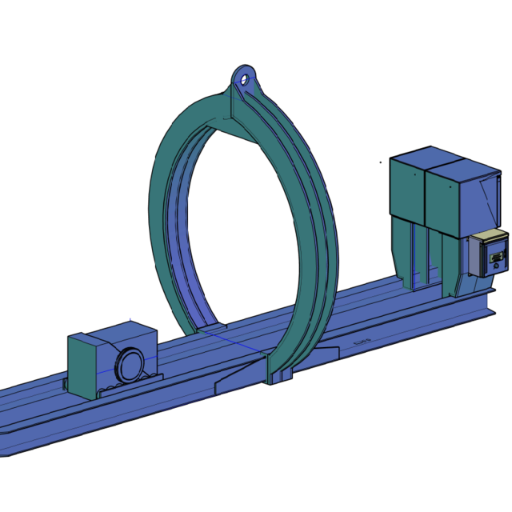
Automation within the context of bundle handling is gaining momentum as it seeks to improve aspect such as accuracy and efficiency. Equipment such as automated bundle pullers along with the incorporated sensors and controls are changing the procedures by minimizing human interventions and enhancing the process performance. Another dynamic which is evolving is the use of light and high strength materials which doesn’t weigh down the equipment but instead increases its lifespan thereby reducing the wear and tear. Furthermore, there has been a shift by companies to the production of self-contained units which goal is the incorporation of already existing systems along with future improvements and modifications with minimum scaling up and costing. Such features help achieve better performance and a wider range of applications.
Common Applications in Refineries and Petrochemical Industries
Bundle pullers have become an indispensable part when it comes to the repair and overhauling of heat exchangers. They are mainly used for efficient and safe removal or installation of tube bundles in scheduled repairs or in case of utility breakdown. They help to speed up the process, thus minimising the necessary downtime and impact on routine processes. Moreover, the bundle pullers allow easier cleaning, examination and inspection of an exchanger’s system thereby maintaining efficiency levels and avoiding wear and tear of equipment. Their dependable nature and multidimensional use is what makes them a key element in the applicable procedures within the oil-refining and pet-chemical industries.
Case Studies: Successful Bundle Pulling Operations
Case Study 1: Refinery Equipment Overhaul
Once the operational schedule came to a close requiring the removal and cleaning of 20-odd exchanger bundles in well-orchestrated choreography in a major oil refinery, the advanced bundle pullers allowed to complete the task ahead of time and saved a full 15% of downtime. The process was efficient in regard to not slipping beyond the industrial operation’s norm caused by longer downtimes and minimizing the financial losses out of extended organizational deadlock was kept under control.
Case Study 2: Emergency Repair in a Petrochemical Plant
An emergency event in a petrochemical plant, leakage of a heat exchanger led to rapid deployment of the bundle puller to take out the affected unit, inspect and repair immediately. The affected unit was replaced and the restoration of full operational capacity indeed occurred within 48 hours. Such step-by-step execution acted as a cog in the wheel, attacking the issue and hindering any further elevation, as the pay packet losses were a major issue from the very beginning.
Case Study 3: Performance Optimization Initiative
In one of the companies that have a gas processing facility, bundle pullers were used as part of the Performance Optimization Program in an effort to reduce energy consumption. The initiative improved heat transfer efficiency by 20%, making it a contributor to the operation’s longer-term operational cost-savings and energy efficiency through an initiative aimed at cleaning and maintaining heat exchanger bundles.
Practical Tips for Optimizing Bundle Puller Performance
Regular Maintenance and Downtime Reduction
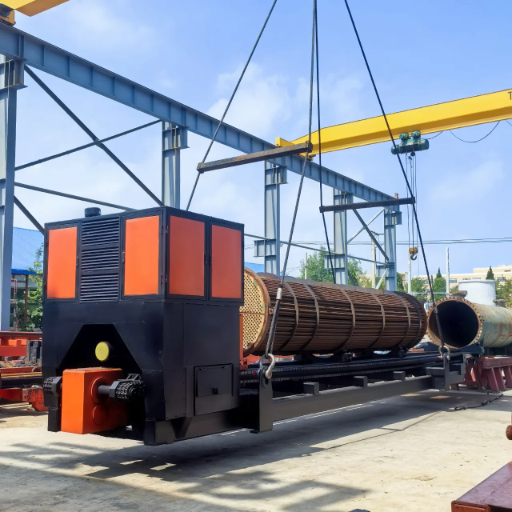
To ensure the efficiency and long life of the bundle puller, it becomes necessary to regularly maintain its functioning. Maintenance operations include regular inspection to detect wear and tear from mechanical components and ensuring hydraulic systems are well-lubricated; worn parts must also be replaced, otherwise breakdown may be unavoidable. Clean and calibrate the equipment at specific intervals so that it functions most efficiently.
Statistically, asset or proactive maintenance puts a curb on unplanned downtime and enhances the equipment’s life bid by thirty percent. Putting off operations due to issues with the push-puller diminishes overall time of operations. The plant always wastes time to get the right tool out of the emergency box for repairs. In the long run, planned maintenance maintained by well-trained operators results in good performance and equipment longevity.
Training Operators for Efficient Bundle Pulling
Proper training is critical to ensure that operators are capable of using bundle pullers in a safe and efficient way. e.g. Machine control, external control parameters, and general troubleshooting are key areas in the training program. Operators should understand the correct pinpoint alignment, control monitoring, and pre-diagnosis of any signs of distresses. Practical experience under the guidance of an experienced individual builds skills and confidence. Again, retraining helps to reinforce an operator’s knowledge on the best practices in case of new equipment developments which reduce incidences of errors allowing for maximum productivity.
Leveraging Technology for Improved Handling
Among the prosperous accomplishments earned by well-acclaimed technologies, are the increased efficiency and precision of bundle puller operations. Obviously, the bundle pullers of the present day often come equipped with automated controls, sensors, and real-time monitoring systems. Thanks to these controls, the helter-skelter heretofore bundle handling process is streamlined, putting less burden on the operators and cutting down on the human error factor. When loaded on the sensors, these sensors keep a tab on misalignment and tension early for the smooth running and to prevent untimely deteriorations in equipment. As far as the real-timers go, the process gives feedback here and now to the operator for soil-sided adjustments toward better performance. In regard to the collective assimilation of these forward allied technologies into one system, it is somewhere an aspect of safety, less downtime, and a page for mega-productivity in their operations.
Reference Sources
-
A Comparative Study on Suitability of AHP and TOPSIS for Identifying Optimal Conceptual Design of Bearing Puller: Discusses methodologies for selecting puller capacity, providing insights into hydraulic puller capacity and design considerations.
-
Structural Model and Bundling Capacity of Crawler Picking and Baling Machine for Straw Wasted in Field: Explores capacity considerations in industrial machinery, offering parallels for bundle puller capacity selection.
-
Indonesia First Offshore Application of Single-Trip Multi-Zone Gravel Pack Completion Using Hydraulic Workover Unit: Highlights hydraulic systems with specific pulling capacities, relevant for understanding industrial capacity requirements.
- Self Propelled Bundle Extractor
Frequently Asked Questions (FAQs)
How could I pick out the most durable puller capacity for the bow each able to pull out heat exchanger tubes?
Selecting the durable puller capacity protrudes the determination of the heaviest bundle weight it will handle, including the weight of the heat exchanger tube assembly accompanied by any attached fluids or hard scales. Most applications should provide an “overdesign” or 25-50%. If the measured, or estimated, bundle weight will likely increase due to corrosion, fouling, and dynamic forces during extraction. Check if you would need mobile or truck-mounted installation for flexibility on site, and whether a crane or lifter can help? A durable machine with remote controls and a balance will, therefore, reduce the risk of operators and improve repeatability.
What capacity ton rating is appropriate for a tube bundle extractor when working on larger shells?
A tube bundle extractor that can penetrate thinner shells would come with a higher tons rating. A tube extractor with a rated capacity in tons must equal or be slightly greater than the conjectured bundle weight for greater precision. Capacities from about 10 ton, 25 ton, and continuing up to 45 ton are standard for huge industrial heat exchangers. If the heat exchanger’s weight will be at the higher end of the range for the unit, go for a higher weight in value to ensure reliable performance and additional room for future loads from scale or corrosion, causing some form of obstruction.
When is a 45-ton aerial bundle extractor necessary versus a smaller machine?
Usually, a 45-ton aerial bundle extractor would be required for very large heat exchanger tubess or lifting bundles off high-pressure or high-density units where bundle weight exceeds the options of smaller machines. Bring a 45-ton aerial bundle extractor in where the combined bundle weight, scaling, and any lifting rigging approach the lower capacity of smaller machines, or when a crane lift is limited and the extractor must perform the heavy-duty pull independently. Also ensure compatibility for truck-mounted options if site access mandates mobility.
What should I consider in a tube bundle pulling jig dealing with the weight and balance of the bundle itself on the extensions?
As for the weight, it must be computed as is-installed weight of heat exchanger tube bundles with allowances for any trapped fluids below the bundle, scale deposits on the tube sheet and/or saddle, plus necessity for lifting rigging. Balancing considerations should cater for adaptable grips, centering devices, and load distribution features that minimize any off-center pulls from the machine. However, using remote controls and a well-planned rigging layout shall work to avoid side loading while also providing a safe working environment, if the device is intended for heavier-tonnage applications.
What safety concerns are there in using a remote-controlled aerial bundle extractor?
Safety risks are associated with ensuring that the rating of the extractor capacity matches and goes in accordance with weight of the bundle, ensuring proper attachment and balancing so that there are no side-loading actions, and making sure the remote incorporates required testing and built-in fail-safes. Always assume differing wind conditions-such as higher gusts or cross-draft depending on nearby buildings or tree formations-as well as.the potential for sudden movements when a particular piece of coal or scale is extracted. Use tag lines as guides when manipulating the extractor pole, hot spots for hole-in-the-wall guidance, and crane or lift back-up assistance when possible for safe operation and control.
Conclusion
Another crucial question for any industrial setting is whether to get the right capacity bundle puller. Given the respective tube bundle’s dimensions, incipient movement in the hydraulic system, weight considerations, and durability of the product, its appropriateness for the intended application is the main focus. Regular maintenance, proper operator training, and technology advancement further boost the performance and service life of a bundle pulling operation. Understanding these salient features will, therefore, help you make informed decisions to minimize shutdowns, drop costs, and keep the environment safe with utmost standards, which are prerequisites for working safely.
![Polypropylene Resin: Grades, Types & Selection Guide [2026]](https://boshiya.com/wp-content/uploads/2026/05/0-150x150.webp)