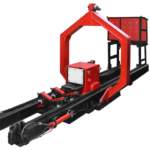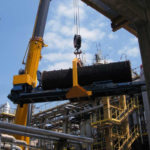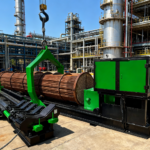
Get in Touch with BOSHIYA

Bundle Extractor vs Crane: Which is Better for Heat Exchanger Tasks?

When it comes to drilling and servicing heat exchangers, the right equipment can definitely play a huge part in boosting efficiency, safety, and overall performance. Crane or bundle extractor, these are both choices for handling large and complex tasks. Each has its special capacities and strengths. But if you’re choosing between the two for your use, which is better for your demands? The following is a specific comparison of the claw and the crane, highlighting their respective pluses and minuses. This guide can help in locating the solution. Even if the focus is security, speed of operation, or good price, this guide will provide the clarity that is necessary for you to choose the best tool for your needs for the heat exchanger project.
Contents
show
Understanding Bundle Extractors
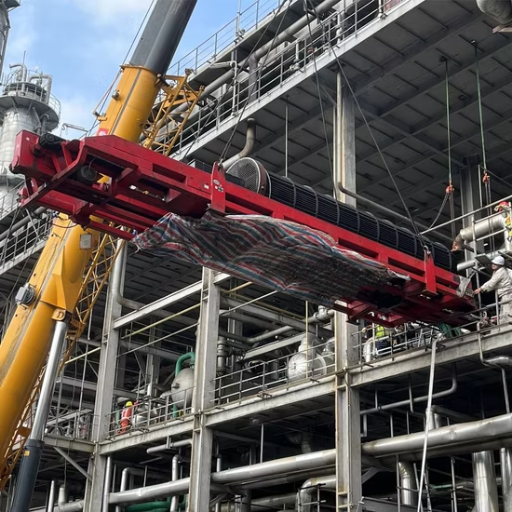
Bundle extractors are specialized tools which effectively remove and replace tube bundles from heat exchangers. The machines demonstrate their value because they make complex tasks easier to execute onsnow machines. The machines use controlled force to extract bundles while they protect both the tubes and the surrounding equipment from harm. Bundle extractors which operate safely and quickly through their maintenance operations present facilities with an economical solution to boost their productivity during heat exchanger projects.
What is a Bundle Extractor?
The bundle extractor serves as a specialized mechanical device which performs the task of removing and replacing tube bundles from heat exchangers. The equipment becomes essential for industries which include petrochemical and power generation and HVAC because heat exchangers need frequent maintenance to operate at their highest efficiency. Engineers use bundle extractors which operate through hydraulic or motorized systems to generate controlled force which protects the fragile tubes and adjacent components from harm. The equipment functions through multiple designs which include portable and truck-mounted systems to meet different operational demands. The bundle extractor reduces maintenance and cleaning time because it handles bundles with less labor which results in higher safety and better operational performance.
How Bundle Extractors Operate
Bundle extractors operate by using controlled mechanical force to remove tube bundles from their casings or shells. The process starts when the extractor aligns its body with the heat exchanger or other equipment that contains the bundle. The machine uses its gripping mechanism to establish a secure lock on the bundle which guarantees safe handling during the extraction process.
The extractor uses hydraulic or motorized force to extract the bundle after it has been secured. The controlled force protects tubes and their surrounding structures from damage. The extractors use adjustable features to handle various bundle dimensions which include different lengths, diameters, and weights while they maintain safe operating standards.
The bundle can be moved into the maintenance area or positioned directly into a cleaning or inspection line, depending on operational needs after extraction. Mobility or adaptability of the extractor helps it handle bundles across various plant situations, thereby expediting the maintenance process. Bundle extractors mean that operator hazard is reduced and the system efficiency is improved through more efficient maintenance process.
Key Features of Truck Mounted Bundle Extractors
- High Mobility: They are designed for easy transport and maneuverability, once purchased, operators can sooner reach different work sites.
- Centralized and Massive Lifting Capability: It is all set up to execute the handling of heavier heat exchanger bundles efficiently that can save some downtime.
- Versatile Technology: Its components can easily be modified to accommodate varying load sizes and bundle configurations.
- Mega Protection Devices Implementation: The installation comprises performance like load sensors and stability systems as a means of safekeeping for operators and machines.
- Built for Strength: A strong body that uses strong materials placed within harsh industrial environments to keep up, reliability being its ideal platform for long-term survival.
Exploring Cranes in Industrial Applications

What is a Crane?
A crane meticulously lifts, shifts, and brings down big objects using both power and precision. Usually, it is devised to magnify its lifting capabilities by relying on the principles of simple mechanical device–principles such as pulleys and levers. These cranes come in various types: tower cranes, mobile cranes, overhead cranes, and crawler cranes, which are used for different industrial activities. Today’s cranes are well equipped with the latest technologies like computers, global positioning systems, and load surveillance sensors intended to better efficiency and enhance attention to safety. The work of these machines is quite fundamental to the construction, fabrication, shipping, and other sectors whenever material has to be moved.
Different Types of Cranes and Their Uses
Tower Cranes
On construction sites, tower cranes are quite ordinary and almost indispensable especially when it comes to building of skyscrapers and other tall structures. Being an integral part of the ground, such cranes are characterized by high lifting height and high load capacity. They are suitable for use in applications that require lifting vertically.
Mobile Cranes
Such cranes are either truck mounted or track mounted and are extremely mobile as well as operable. These cranes meet the demands of tasks that require flexibility and ease of delivery, for instance logistics in construction and infrastructure projects.
Overhead Cranes
The other name used for overhead cranes is bridge cranes. They are usually used indoor covered spaces such as factories and warehouses. The overhead cranes operate on overhead tracks and they are ideal for an area where it is the heavy load that will be carried to a certain area vertically.
Crawler Cranes
Crane and Lifter workboats have crawler cranes which are loaded with tracks that are meant for mobility in incremental climb and suspension of weight on specialised heavy objects on bumpy ground or on uneven surfaces. Increase in size and the need to assemble larger structures such as bridges or turbines in turn raises the demand for crawler cranes on such surfaces and other complex sites such as Bundle Extractor vs Crane that provide heavy lift support and other functionality.
Operational Mechanics of Cranes
Cranes function on basic principles of physics; they use force advantage to transport and lift heavy objects. The main parts of a crane include the base, jib-or the vertical section-and the boom-or the horizontal section, cables, and counterweights; in collaboration, they maintain balance for the weight being lifted to ensure stability and smooth operations. Cranes do the impossible; they hold the limit of the ability of man along with ropes and blocks.
Operating a tower crane or other crane equipment calls for significantly precise mechanical calculations that include principles related to balance and force. Counterweights are arranged in such a way that their weights may offset the load being lifted, causing the tower crane to neither collapse nor capsize but stay in good balance. Once the tower crane is raised upright, the mast, or the tower provides added support for the structure while the jib extends horizontally toward the load. It is the hydraulic movements or electrical motors that control all the movement concerning various crane components, thereby allowing crane operators to command lifting, lowering, and positioning actions.
Working securely with entering crane operations in a single complex. Operators must keep to an instruction manual whereby the load does not overtax the cranes. Good footing, safe points for lifting of the load, and maintenance of the crane unit are important for walking away from accidents. High technical skills are stringent, safety regulations are merged into the operation of the crane without regard to the contract’s tiniest clause, and all calls for lifting are carried out to the line with dependable people.
Comparative Analysis: Bundle Extractor vs Crane

Both bundle extractors and cranes serve as heavy lifting tools but differ in their primary functions, mechanisms, and ideal applications.
| Parameter | Bundle Extractor | Crane |
|---|---|---|
| Function | Fiber Bundles | Heavy Loads |
| Mechanism | Pull & Extract | Lift & Move |
| Application | Fiber Industry | Construction |
| Portability | Fixed | Mobile |
| Load Capacity | Limited | Extensive |
Functionality: How Each Tool Extracts and Lifts
Two mechanisms are diverged for bundle extractors and cranes with their strictly distinguished applications. The bundle extractor is specifically designed for the pulling and extracting of fiber bundles with a high precision and a force through a certain type of gripping or clamping mechanism and the application of force. This apparatus is very necessary in particular industries where ground and careful handling of dense or delicate materials, like fiber, is essential.
In contrary cranes are manufactured to lift and shift heavy loads over vast row zone. This is made possible with cranes employing lifters, cables, and pulleys on trusted hydraulic systems or if electric powered. Cranes are highly adaptable, with modes allowing those to manage both vertical lifts and horizontal shifts, statuses that are essential in construction, shipping, and manufacturing activity. These cranes are totally mobile, nearly, when they have to be, fixed in position or attached to some form of mobile transport vehicle.
Of both those tools overall arranged to handle materials, their techniques indicate a stark contrast. Bundle extractors are designed primarily for precision in specific industries, while cranes are intended to be, notably, strong and adaptive toward heavier loads. A clear understanding of these functional differences is necessary in selecting the right tool for the job, guaranteeing efficiency, safety, and optimal productivity.
Design Considerations: Size, Portability, and Setup
Discussing the design considerations of bundle extractors and cranes comprise critical size, portability, and setups for informing use, applicability, and versatility.
Bundle Extractor
An extractor is generally quite small and built on essential industrial floors that require a precise movement. Due to their overall size being relatively small, they are adept at finding increased utility within confined corners or in and around equipment. In this modern world of pneumatic maneuvers, the newer models in the union are operating almost exclusively upon wheels, to let them freely spin around inside some space. A good number of bundle extractors found in the sector today are sub-300 pounds, in great contrast to heavier-respective aspects. They are more portable and, in some cases, fitted for do-it-yourself installation, reducing transport and setup time. Completing setup with standard hand tools involves about 1-2 hours. Setup time for such equipment is mostly at least lessened by said machinery for down to one or two hours.
Crane
Cranes are designed for extensive applications and, therefore, usually have quite an extensive footprint. Tower cranes, particularly, can go beyond 100 ft in height and necessitate a substantial setup area for their bases. Mobile or portable cranes such as truck-transported or telescoping types do provide more mobility, though they are markedly larger in comparison to bundle extractors. Crane on-site erecting is a much more complicated process by virtue of having to involve multiple operators and special machinery, along with a substantial amount of time dedicated to the setup. For instance, the erection of tower crane on a construction site may take several days and may involve a number of safety precautions.
Efficiency and Safety Factors in Operation
A general comparison should be made between the efficiency and safety of bundle extractors and cranes, keeping in mind the operations of their particular requirements and being specialized accordingly. In their niche, the actually higher productivity associated with heat-exchangers, and their repeatable use, the entire domain of bundle extractors is very focused. This is among the means to make their most of expression to avoid large labor employment, time to move along in a procedure, and torque and alignment, potentially affecting productivity. The clamping mechanisms for security, along with the automatic methods, eventually render workers relatively musculoskeletal injuries that can result from the conventional processes.
Cranes are best suited to projects involving heavy loads or with constantly changing lift conditions, which allow them to reach farther; these are the prime requirements during heavy lift projects for various types of terrains or heights. In light of contemporary designs, safety systems have been incorporated for utmost protection to avoid accidents on the job. Load monitoring, advances in anti-sway technology, and outriggers for stabilizing in unstable conditions combine to ensure maximum safety provisions.
Use Cases and Ideal Scenarios

When to Use a Bundle Extractor
The supreme utility of bundle extractors is elucidated when conducting tasks that consist of handling and separation of material bundles such as cables, hoses, or industrial wires. These tools primarily fit the needs of industries like construction, manufacturing, and logistics where efficient handling of tightly knitted or tangled materials is of prime importance. They save on work and provide a minimum chance of ruining material as they can handle any recovery or extraction operation efficiently. The value of bundle extractor is best observed in high volume operations or jobs where precision and speed make all the difference. The most contemporary models of bundle extractors provide them with automation features, ergonomic designs, and adjustable settings for any operation involving bundled materials in complex operational environments.
When to Opt for a Crane
Cranes turn out to be the best option for loads which appear heavy, large, or cumbersome and cannot sufficiently be handled by any other means. Cranes are very useful in carrying materials either on site or at the workshop, carrying heavy installations or setting up and lifting heavy infrastructure elements. They have the ability to safely and efficiently handle heavy duty raising. Bundle Extractor vs Crane cannot be complete without mentioning that cranes are essential where there is a need to complete work with accuracy, high height, and lifting of weight.
Benefits and Drawbacks

Efficiency Gains with Bundle Extractors
The bundle extractors have helped in increasing the operational efficiency to a large extent by fastening the process of handling the bundled materials. The tools aim to eliminate manual labor, thereby accelerating the process of extraction of the snuggly tied items, which results in a shorter project timeline and increased productivity. The bundle extractor is able to create an organized, precise material management system; therefore, the tasks will be done with the least production errors-no stripes to delay the project at any stage.
An important advantage of the use of bundle extractors is the enhancement of work safety. Manual handling of large or tightly packed bundles carries a substantial risk of workers damaging the uprights. Bundle extractors are hence supposed to negate precisely such risks by offering mechanical means of handling the goods, mainly eliminating the need to risk human assistance. Thus, workers are saved, and safety breaches are eliminated or reduced on the job site, thereby contributing to good working conditions.
Beside that, bundle extractors facilitate the utilization of resources. This gives a company another chance to invest human capital in activities that are crucial; thus, there is normally an improvement in the use of resources or saving on costs into play. The reliability and system of the machine or equipment are indicative of how crucial the bundle extractor is in industries that perform high-volume material handling.
Cost Implications of Using Cranes
Industrial and construction processes involve the use of cranes and that brings about significant financial implications. Cranes are used as a great, large lift for loads or materials, creating fewer work problems and less production downtimes. But on the flip side, the initial capital investment is massive. Its high costs thus make the crane equipment worth having. In addition, these gears should not be used by amateurs; properly trained operators are required. This causes the continuing costs of checkups, training, and insurances of the equipment. Operating a crane also requires keeping such equipment well maintained when the owner is following all safety rules-each pushing cost is borne upon him.
Many businesses are opting to rent cranes because this allows them to realize the best possible flexibility in their project planning. This can save on initial costs compared to outright purchase, and allow the use of quality equipment. However, rental fees could add up to more than the cost of purchase in the long run, especially for long-term jobs. Anything which can be taken into consideration when deciding the least costly upon which to make the crane functional in the project would give plenty of thought to scope, duration, and size. Such balance must be maintained in managing a tight budget for spending on primarily giving priority to safety and cost savings.
Safety Considerations for Both Tools
Safety is vital while using both bundle extractors and cranes. For bundle extractors, ensure that all operators are adequately trained and comfortable with operating the equipment. Regular maintenance checks should be done to uncover potential problems such as worn-out parts or shift in alignment, and be rectified. It is very important to use the extractor within recommended load limits; otherwise, it will surely collapse mechanically.
Safety procedures are paramount such as those in regard to accomplishing pre-use checks for detecting any defects in the machine itself. Stability of the crane’s surface during hoisting operations is a vital factor to bear in mind, for this unit must never suffer any slip to cause it to tip over. The crane easily uses a load of inappropriate rating; thus, guarding against overloading must be an urgent safety requirement. Good communication leads to coordinated work, minimizes errors, and minimizes incidents. Always remember to use gloves and headgear-skull protector or safety helmet; make sure you have the right PPE while in the operation of any machine as specified. However, the application of such measures creates a safety blanket, reducing accidents and enhancing the work environment.
Reference Sources
-
A Method of Repairing Heat-Exchange Systems in Low-Temperature Separation Plants: Explores the use of cranes and specialized tools for repairing tube bundles in heat exchangers.
-
Refinery Experience with the Hydraulic Tube-Bundle Extractor: Highlights the use of hydraulic tube-bundle extractors and cranes in refinery maintenance tasks, comparing their efficiency and safety.
-
Rehabilitation of Heat Exchange Equipment: A Key to Power Plant Life Extension and Performance Improvement: Examines the role of cranes in handling heavy tube bundles during heat exchanger maintenance in power plants.
-
Handbook Heat Exchanger Fouling: Mitigation and Cleaning Technologies: Provides a comprehensive overview of heat exchanger maintenance, including the use of equipment like bundle extractors and cranes.
- Self Propelled Bundle Extractor
Frequently Asked Questions (FAQs)
An aerial bundle extractor: what is it like and how does it differ from a crane?
An aerial bundle extractor is a specialized machine designed to lift out or lift in an aerial bundle or flat aerial tube from poles or structures, often done during turnaround work, minor maintenance, or overhaul for replacement. For a start, a crane lifts loads vertically (rather than horizontally like a bundle extractor) and, therefore, requires significant setup and one or more cranes to achieve the reach of the bundle extractor. An aerial bundle extractor is typically small and self-propelled or tractor-mounted and is specifically designed to use a frame or flange for easy pulling of the bundle. The extractors pull the bundle and may be remotely operated for safe and accurate operations, while they are run with a small diesel engine or electric drive for absolute self-sufficiency on site.
When should a bundle extractor be used instead of free lifting using the crane?
For extraction and offloading purposes, the best choice is to opt for the flying conductor extractor when the maximum reach inside the structure or along the pole line is moderate and when an independent operating system is sought so that the equipment can be easily lifted or positioned with minimal pre-site preparation. Extractors may include multitudinal equipment such as smaller-sized extractors, mostly tailored for heat-exchanger-type tube bundles, plate bundles, or flange bundles, all selected for taste. Huge cranes would be a more preferred option for massive lifting abilities with huge cranes, thus whenever the greatest lift height and maximum distance away from the vertical are required.
Can aerial bundle extractors be operated by remote control to ensure increased safety?
Several aerial bundle extractors being manufactured today can indeed be operated by remote control. This means that the entire operation of raising, pulling, and rotating is all controlled by an operator from a safe distance. This necessity lessens the need for extra manpower around the lifting site with better visibility provided toward the path of the bundle. It thereby minimizes the need for nearby an additional set of working units or at least one crane. The application of remote control and operation is an effective means under tighter and thus potentially dangerous spots where the bundle off on the ground.
Aerial bundle- what power sources are used for extractors — diesel engine or electric?
The aerial bundle extractors are commonly equipped with a small diesel engine or electric motors depending on the particular model and power availability at the particular site. The reason for a small diesel engine is that it has mobility and can work away from the main power supply in remote locations and is sometimes equipped with spark arrestors for safety. The limitation of smaller diesel engines is far too many emissions. On the other hand, electric motors exert lesser emissions and are much quieter, but they require a local power supply or a direct generator. The choice of motor largely depends on the site conditioner, need to pull versus pressure, and how many hours and how much time the unit must work independently.
Can a single extractor work in the field independently, or does it have to work with branched cranes?
Many of the extractors are designed to function autonomously and can easily be carried to position or being self-propelled to that site. The extractors operate by pulling the bundles along with the service of their drive and guiding systems, which reduces the cost of having a separate crane. However, perforating long reaches, heavy plate or flange assemblies, or complex lifting frames may need a crane for initial positioning or a crane alternatively to maneuver loads between locations.
![Polypropylene Resin: Grades, Types & Selection Guide [2026]](https://boshiya.com/wp-content/uploads/2026/05/0-150x150.webp)