Get in Touch with BOSHIYA


Since 1915
CE & ISO Certified
Hydraulic Bundle Extractor Built for
Zero-Downtime Heat Exchanger Turnarounds
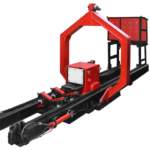
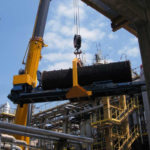
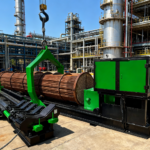
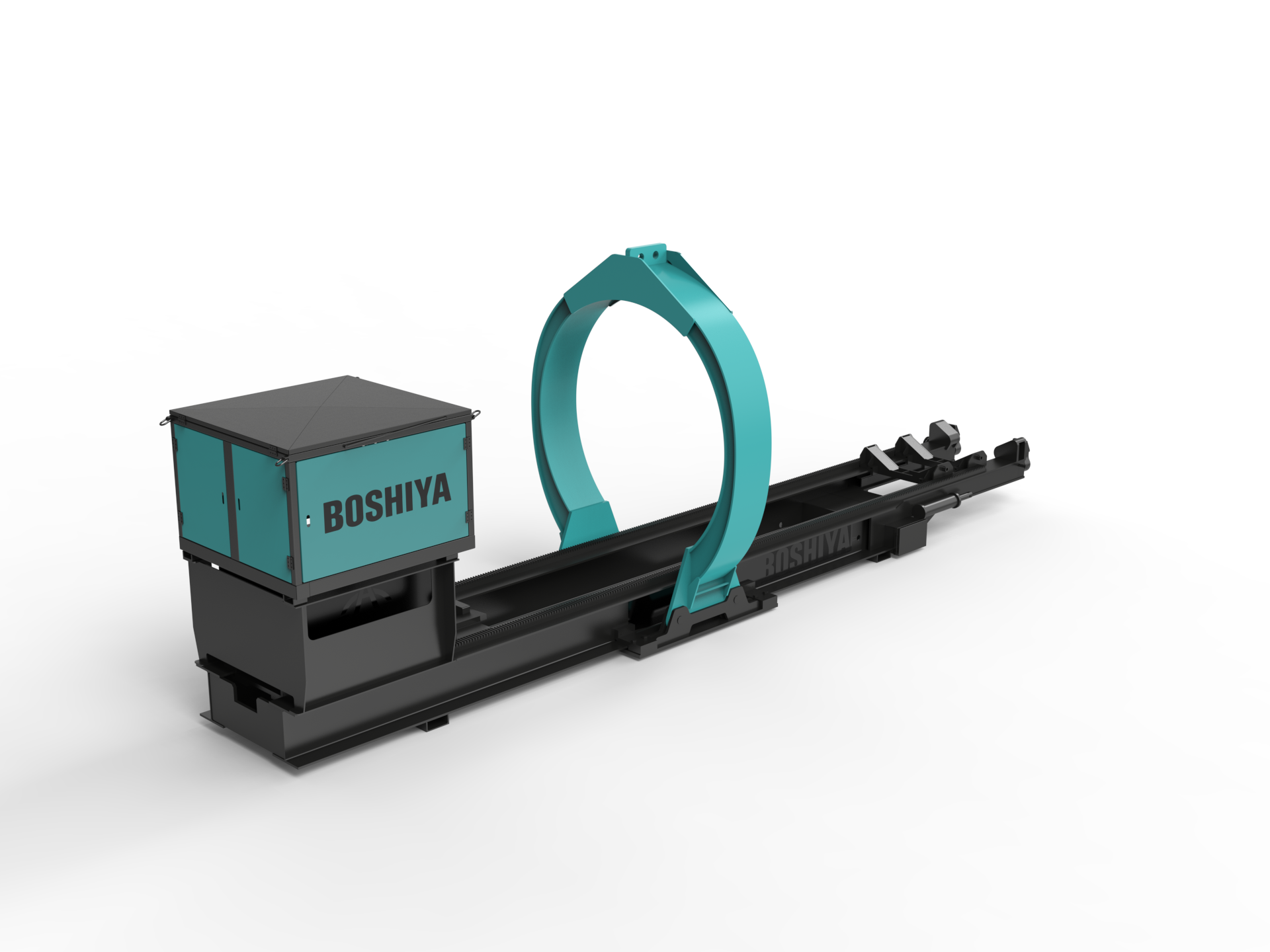
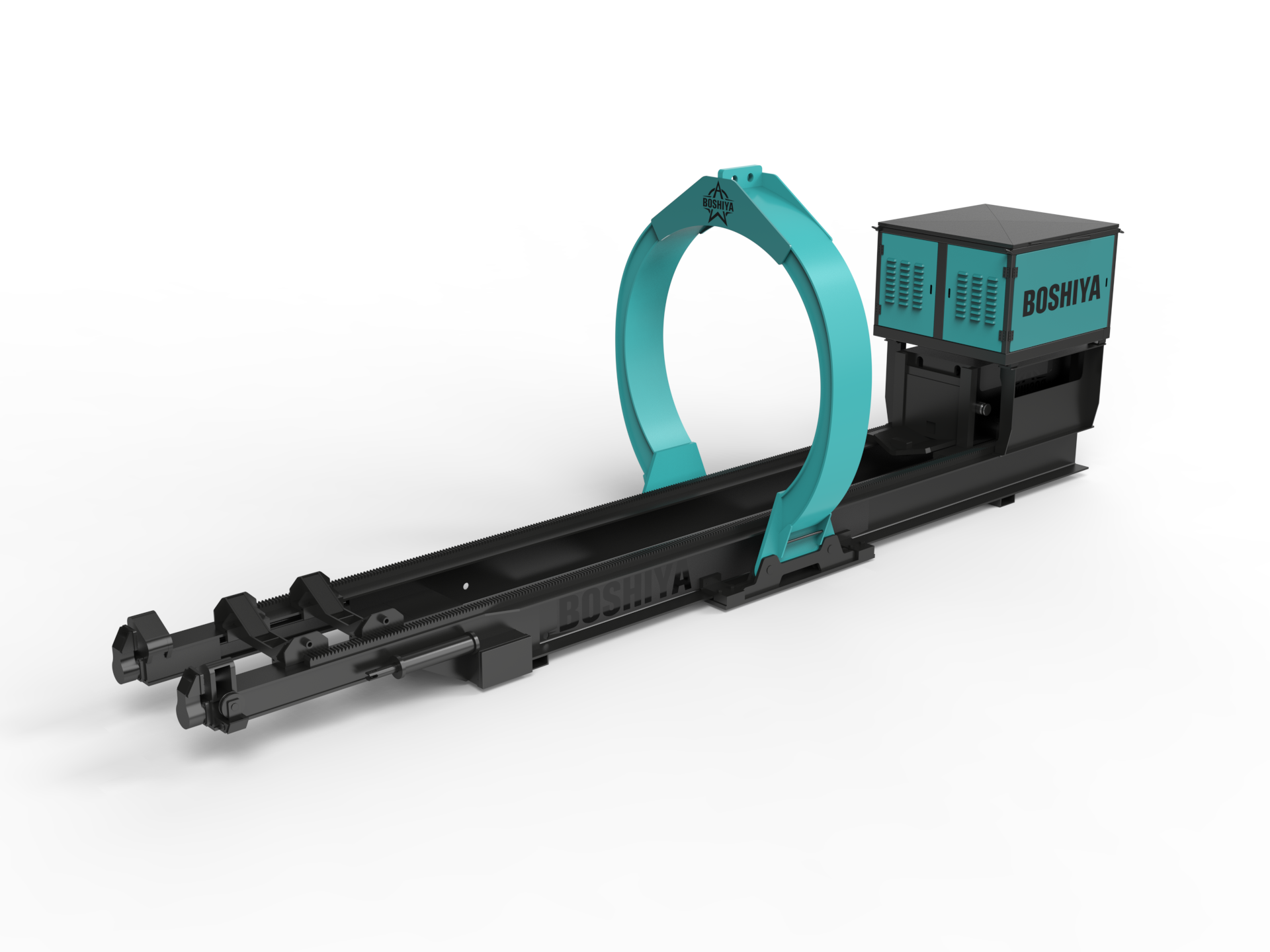
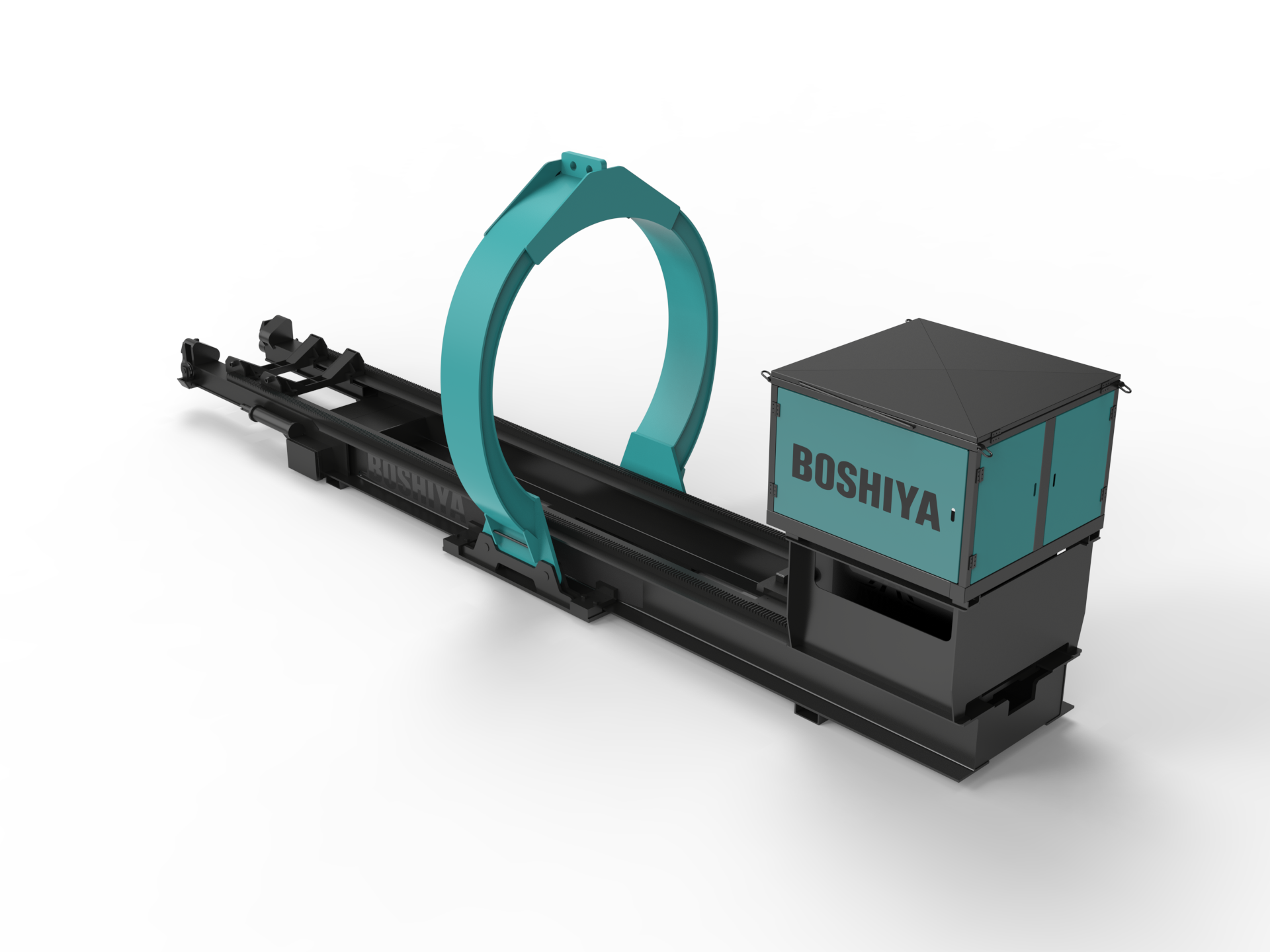
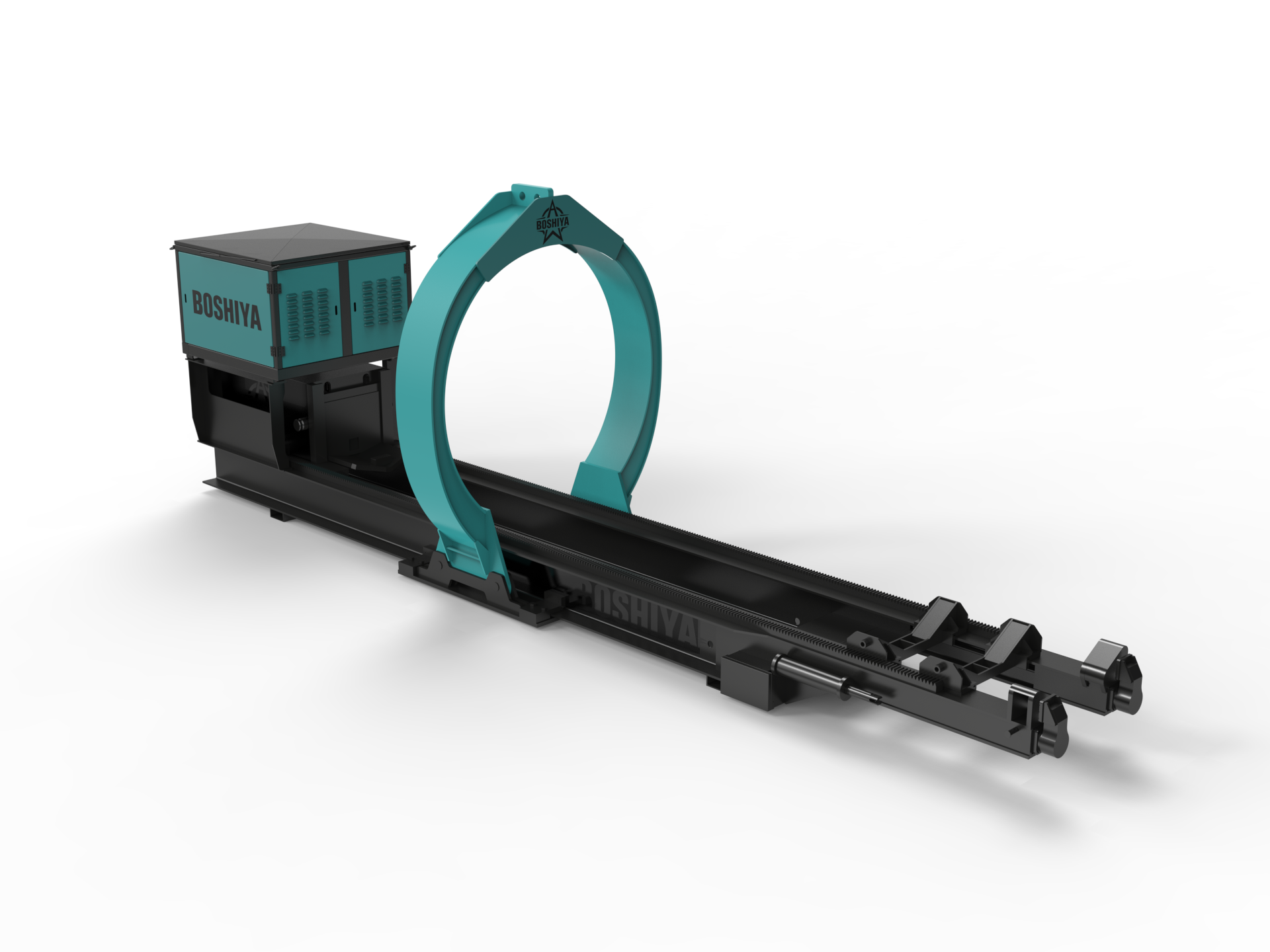
BOSHIYA makes 25–150 ton diesel, electric, and self-propelled bundle extractors that extract and insert tube bundles with mm-level precision. Our teams have seen turnaround times drop by 60% — without the assistance of other trucks or cranes on site.
SYSTEM: DIESEL_HYDRAULIC
01 / 04
25–150TPulling Force
109+Years Legacy
40+Countries
48hrParts Delivery
ISO 9001Certified
ATEXOptional
:: Est. 1915 ::
BOSHIYA Group — Forging Legacy, Building Futures
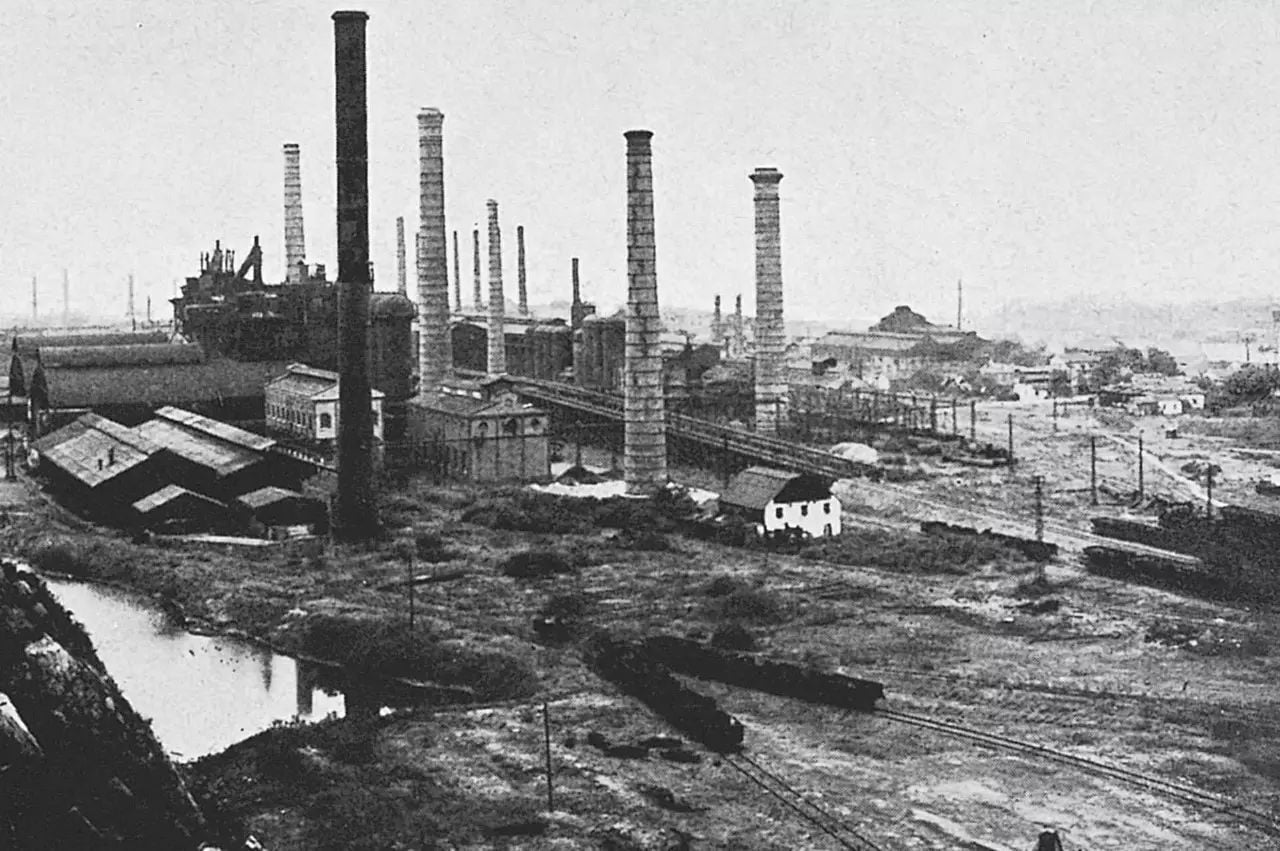
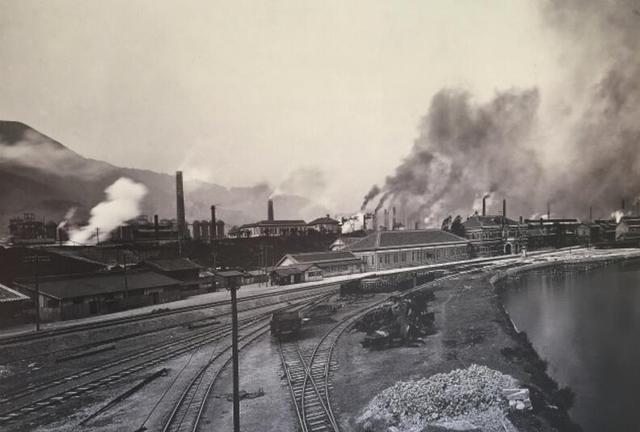
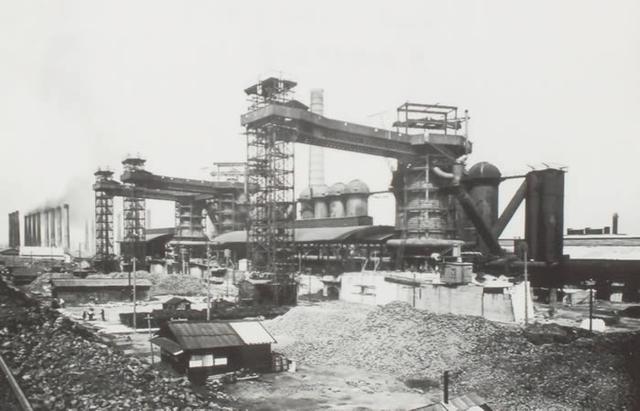
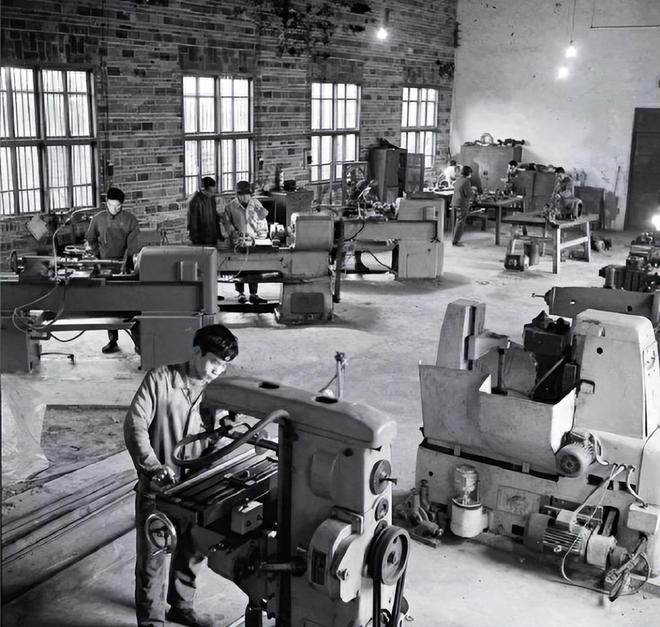
For over a century, BOSHIYA Group has been a part of industrial progress — growing from a single enterprise into a diversified global conglomerate. Founded in 1915, our history runs parallel with the modernization of industry itself. Integrity, excellence, and innovation aren’t just words on the wall here. They’re what’s kept us around for 109 years.
Our Industrial Equipment Division focuses on the design, manufacture, and worldwide deployment of hydraulic bundle extraction systems. The engineering team — some of whom have been doing this for 20+ years — combines hands-on field experience with current hydraulic technology.
Read Full Story →
What Is a Bundle Extractor?
A bundle extractor is — put simply — a heavy-duty hydraulic machine that pulls heat exchanger tube bundles out of their shells.
It grips the bundle header through a winch and clamp system, then applies controlled pulling force to extract the whole thing in one smooth motion. We’re talking bundles weighing several tons here, so the design has to prioritize stability, safety, and dead-on alignment.
The part that actually changes the math: the bundle extractor is completely self-sufficient for the core extraction step. No crane sitting there idling at $800/hour. No rigging crew standing around. Your team runs the pull, moves the bundle, moves on.
“Once you’ve watched a 4-hour crane-assisted pull turn into a 38-minute extractor job, going back to the old way feels almost absurd.”
Industries That Use Bundle Extractors — And Why They Can’t Go Without Them
Turnaround schedules don’t have wiggle room. If a fouled tube bundle needs to come out, it needs to come out now. These are the industries where our equipment earns its keep.
01
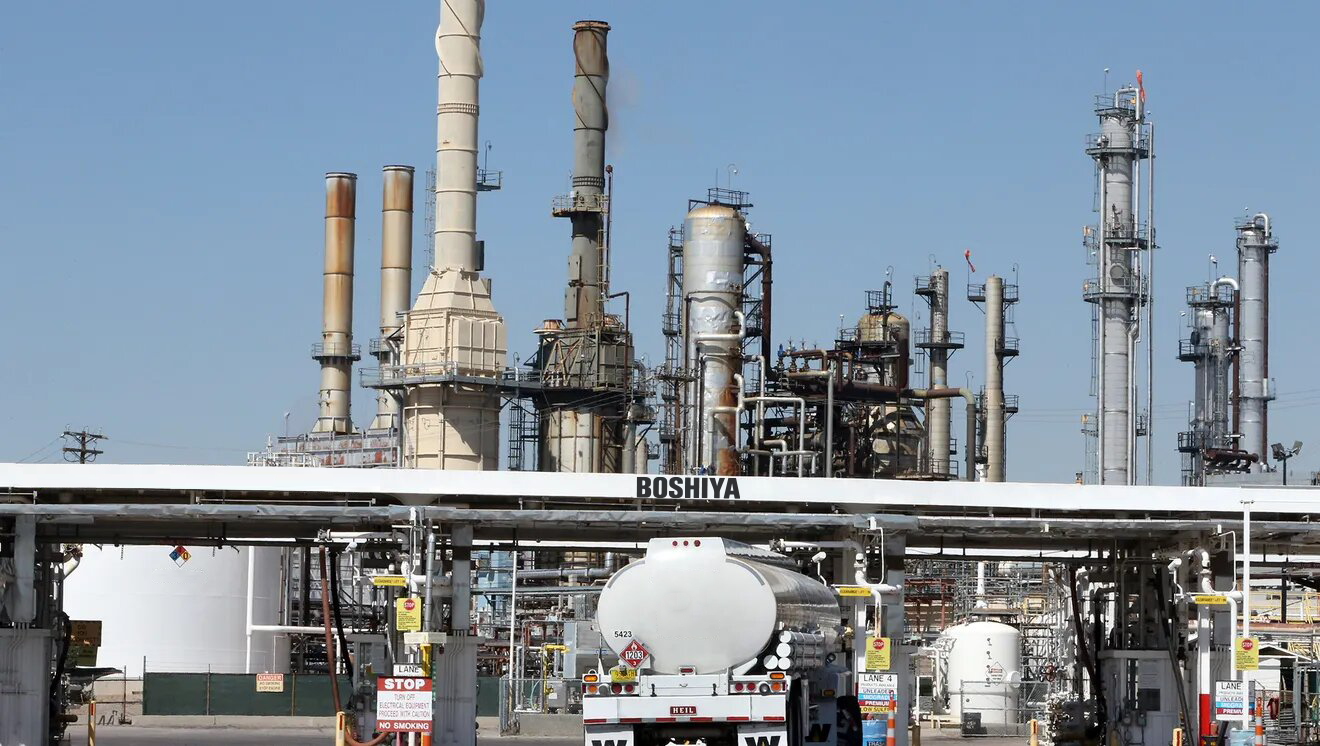
Oil & Gas Refining
When each hour of downtime runs $50K–$200K, you don’t mess around. Efficiency is everything. Truck mounted bundle extractor units let teams hit multiple exchangers in a single shift — a far more efficient approach than waiting for crane mobilization between each bay.
02
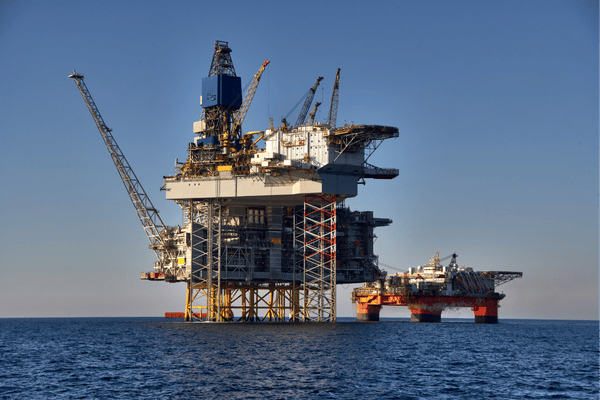
Petrochemical Plant
Congested pipe rack layouts. Limited crane clearance. Sound familiar? Good luck getting a crane in there. Our machines fit where overhead access is a nightmare, and they operate easily with remote control in spots where you can barely turn around.
03
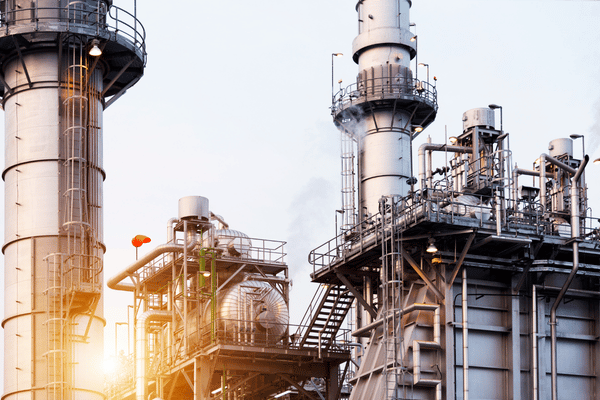
Power Generation
Condenser bundle pulls for coal, gas, and nuclear plants. Electric models run clean and quiet — important when you’re working inside a turbine hall with environmental restrictions nobody wants to violate.
04
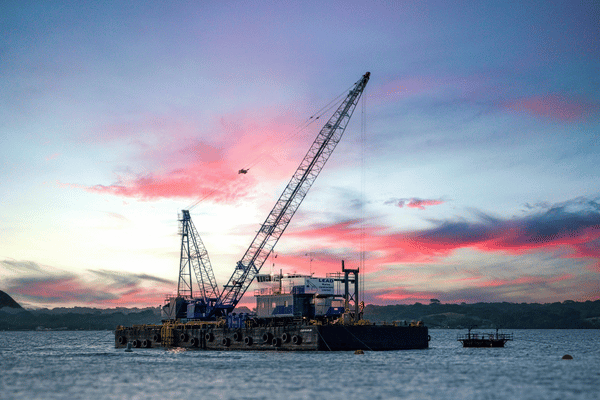
Offshore & Marine
Self-propelled units that work at height on offshore platforms. Space is tight. Crane access is basically nonexistent in some areas. CE and ATEX certified. These machines were built for exactly that scenario.
:: Product_Inventory ::
Our Product Range — Bundle Extractor Types
Three core machine types. Each one built around a different job site reality — from open-air refinery pipe racks to enclosed turbine halls.
Best Seller
Diesel Truck Mounted Bundle Extractor
The workhorse. High-torque diesel engine paired with a hydraulic system that delivers relentless pulling force — even in areas with zero grid power.
Pulling Force
25–150 Ton
Bundle Weight
25,000–150,000 kg
Length Max
12,000 mm
Diameter Max
3,500 mm
Zero Emission
Electric Bundle Puller
Zero emissions. Zero fuel leaks. Near-silent operation. An electric motor drives a heavy-duty gear reducer with PLC-based control — providing precise, repeatable pulls every time.
Pulling Force
30–150 Ton
Bundle Weight
30,000–150,000 kg
Length Max
15,000 mm
Diameter Max
3,500 mm
All-in-One
Self-Propelled Aerial Bundle Extractor
Drives itself into position. Adjusts height. Pulls the bundle. Multi-directional drive wheels handle narrow pipe rack environments and horizontal extraction scenarios.
Max Tensile
50,000 kg
Working Height
800–6,000 mm
Length Max
8,000 mm
Drive Speed
10 km/h
Compare Models
Side-by-Side Model Comparison
Select up to 3 BOSHIYA models and compare specifications head-to-head. All data from official product spec sheets.
Model A
Model B
Model C (optional)
Select at least two models above to compare specifications.
:: Ecosystem ::
Comprehensive Industrial Solutions

:: Project_Logs ::
Real Turnaround Solutions
Look — we could list features all day. But what actually matters is whether the machine solves the problem in front of you.
Which Extractor Fits Your Site?
Start Configuration Tool
Oil & Gas
Crude Distillation Unit
80-Ton Diesel Truck MountedChallenge
6 stuck bundles (sulfide corrosion). Overhead clearance of only 4.2m ruled out cranes. Potential delay cost: $1.8M.
Solution
Deployed Model 80. Progressive hydraulic force removed bundles safely. Repositioned between bays without crane assistance.
100%Success
3.5 DaysSaved
38 minAvg Pull

Petrochemical
Fleet Replacement
3× 60-Ton Electric UnitsChallenge
Replace aging fleet. Required compatibility with Peinemann specs. European OEM quotes exceeded budget by $1.2M+.
Solution
Supplied 3 units engineered to exact Peinemann dimensions. Delivered in 68 days. Zero emission for gas zones.
$640KSaved
68 DaysDelivered
ZeroIssues
Power Gen
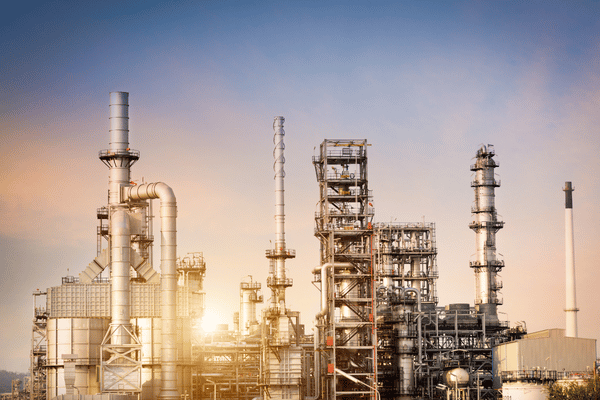
Condenser Extraction
45-Ton Self-Propelled AerialChallenge
Crane access blocked by turbine structure. Strict safety bans on rigging above walkways. 18-day window.
Solution
Self-Propelled Aerial unit drove in, adjusted height (800–6,000mm), and extracted bundles via remote control.
5/5Bundles
14 DaysFinished
100%Safe
Business Case Builder
ROI Calculator — Extractor vs. Crane Rental
How fast does a bundle extractor pay for itself? Enter your turnaround data and see the 5-year cost comparison against traditional crane-based extraction.
A Your Turnaround Profile
Turnarounds per yearScheduled + unscheduled maintenance events
/yr
Bundle pulls per turnaroundTotal heat exchangers serviced per event
pulls
Average bundle weight
kg
Hourly downtime costLost production value per hour of outage
$/hr
B Current Crane Method Costs
Crane rental rateDaily rate for mobile crane + operator
$/day
Crane days per turnaroundMobilization + extraction + standby + demob
days
Avg. time per pull (crane method)
hrs
Extractor model interest
5-Year Cost Comparison
—
Total Savings
—
Payback Period
—
5-Year ROI
—
Hours Saved / Year
Crane Method — 5 Year Total
Crane rental—
Rigging crew—
Extra downtime cost—
Total—
BOSHIYA Extractor — 5 Year Total
Equipment purchase—
Annual maintenance—
Operator training—
Total—
Standard Safety Features & Certifications
Safety in bundle extraction isn't something you bolt on at the end. It starts with how the machine is built. Every BOSHIYA unit ships with a structure designed for operator safety at height and ground level: interlocks, load monitoring, emergency stops, the works.
Full CE & ISO 9001:2015
Full CE certification for European machinery safety directives — every unit, not just selected models. ISO 9001 quality management covers the whole chain: design, manufacturing, testing, and final inspection.
ATEX Optional
Need ATEX? We offer it for explosive atmosphere zones. Not every site needs it, but when you do, it's there. Compliant out of the crate.
Emergency Interlocks
Multiple emergency stop points — on the machine body and on the remote control unit. Two separate kill paths. Plus automatic hydraulic pressure relief prevents overload damage.
Load Monitoring
Load monitoring through precision gauges that flag overload conditions before anything goes wrong. Documented inspection intervals included with every machine.
What Makes These Machines a Resource for Turnaround Teams
High-Torque Hydraulic Drive
Multi-speed gearbox for smooth, controlled force from 25 tons up to 150 ton capacity with adjustable speed.
Modular Yoke System
Uses adjustable grasping arms to handle bundles with different header sizes. Allows distinct flexibility when job conditions change mid-shift.
Reinforced Steel Frame
Designed with vibration dampening to keep things stable during high-force operation. Enables mm-level alignment precision.
Ergonomic Control
Ergonomic panel with meter readouts and programmable parameters. An interface that doesn't require a PhD to figure out.
Independent Mobility
Truck mounted units drive between exchangers on their own. Self-propelled models go at up to 10 km/h independently. No tow vehicles needed.
PLC & Global Engine
PLC control on electric models for accuracy. Global warranty diesel engines for off-grid sites that start in cold weather and run all day.
Bundle Extractor Pricing & How to Pick the Right Model
Buying a bundle extractor for heat exchanger maintenance means juggling capability, certification, and total cost of ownership. It's not always straightforward.
Factory-Direct Pricing — No Distributor Markup
As a direct manufacturer, we cut out the middleman layer that tends to inflate end-user costs by 25–40%. That's not a small number on a $200K machine. Our factory-to-site model means transparent pricing, direct engineering consultation, and lead times that beat multi-tier distribution channels.
Fair enough — European brands have longer track records. But the engineering gap has closed, and the price gap hasn't.
New vs. Used Bundle Extractors
New gives you current certifications, warranty, and the latest hydraulic design. If the project cycle is tight, new is usually the smarter call.
Used can save upfront cost — but you need to verify pull force capability, check wear on the winch and clamps, and make sure spare parts are still available. Ask for CE or ATEX documentation. Run mm-level control responsiveness tests before signing anything.
Budget Guide
Compact 25T
Start ~$50,000
Entry-level hydraulic units.
Mid-Range 45T–80T
$120K – $280K
Standard refinery workhorses.
Heavy-Duty 100T+
From $300K
High-capacity custom setups.
* All factory-direct FOB China. Get an actual quote for your specific setup — ballpark figures only go so far.
After-Sales Service
Spare Parts & Training
Selling the machine is the easy part. Keeping it running — that's where the real relationship lives. BOSHIYA provides assistance through on-site coaching, operation guides, and direct access to our engineering team.
Regional hubs in the Middle East, Southeast Asia, and South America. 48-hour delivery on critical parts — seals, hoses, clamps, winch ropes.
24/7 telemetry-based diagnostics. Our specialists review hydraulic pressures and winch data remotely while the machine is still on site.
On-site commissioning with formal training covering controls, winch operations, and height work. Annual refresher courses available.
Scheduled programs, field visits, and compliance paperwork. Service records that track every inspection interval for auditors.
:: Knowledge_Base ::
Bundle Extractor FAQ
Straight answers, no fluff.
It's a hydraulic machine built specifically to pull tube bundles out of heat exchanger shells. A high-torque drive connected to a heavy-duty gear reducer generates controlled pulling force — anywhere from 25 tons on the compact end to over 150 tons on the heavy-duty side.
The machine grips the bundle header with adjustable clamps, then applies smooth, steady force to slide the bundle out. No crane needed for the pull itself. BOSHIYA models come with load-sensing gauges, reinforced frames for structural integrity, and vibration dampening that keeps things stable when you're pulling hard. Pretty straightforward concept, honestly — but the engineering behind making it reliable at 100+ tons? That's where the real work is.
Depends entirely on where you're using it. Diesel gives you total operational freedom — no power hookup needed, drop it anywhere on site. The engine provides continuous high-torque output through a hydraulic system to a multi-speed gearbox. Great for outdoor turnarounds and remote locations.
Electric runs clean: zero local emissions, almost no noise, no fuel leak risk. If you're working in enclosed spaces, gas-monitored zones, or facilities with strict environmental rules, electric is really the only option. PLC-based control on the electric models also gives you tighter repeatability. Both types cover 25 to 150+ tons of pulling force, so performance isn't the differentiator — site conditions are.
Rough range: $50K for a compact 25-ton unit, up to $500K+ for a fully customized 150-ton setup. What moves the price? Pulling force and gearbox complexity, chassis type (truck-mounted vs. self-propelled), certifications you need (CE is standard, ATEX costs more), and how much customization is involved — extended stroke, special lifting frames, telemetry packages.
Also factor in commissioning, training, and spare parts. As a direct factory, BOSHIYA usually comes in 30–40% below what European OEMs quote for comparable machines. We're not going to pretend we're the cheapest option on earth, but the value-for-spec equation is hard to beat.
General sizing goes like this: bundles under 25,000 kg — a 25 to 45 ton extractor will do the job. Between 25,000 and 60,000 kg, you're in the 45 to 80 ton range. Over 60,000 kg — 80 to 150 ton territory, and at that point you're talking about a serious piece of equipment.
But — and this trips people up constantly — fouled or corrosion-stuck bundles need way more force than their dead weight alone would suggest. Sulfide deposits, thermal cycling, years of operating without a pull... the bundle essentially welds itself to the shell. We always push clients to go 25–50% above calculated weight. Costs a bit more up front, saves a nightmare mid-turnaround. Send us your exchanger datasheet and fouling history if you want — our engineers do a free pulling force assessment. Takes about a day.
Short answer: yes. We get asked this constantly. BOSHIYA machines match Peinemann's dimensional specs — same force range, equivalent bundle length capacity up to 15,000 mm, similar control layouts. Scroll up to the Brazil case study for a real-world example. Three Peinemann replacements, zero procedure changes.
CE on every unit. ISO 9001:2015 across the board. ATEX available if you need it for explosive zones. Diesel engines meet EU emission standards, electrics meet IEC. All the paperwork — test reports, material certs, load test records — ships in the crate with the machine. We don't play the "certificate available on request" game.
Your 45T, 60T, 80T bread-and-butter models? 45 to 60 days from order confirmation, usually. Custom builds — weird force ratings, extended stroke, ATEX spec — more like 75 to 120 days. We stock key components (cylinders, gearboxes, control systems) to shave time where we can. Rush jobs for urgent turnarounds? Possible, but costs a premium.
We run regional spare parts hubs in Dubai, Singapore, and São Paulo. Critical parts ship within 48 hours to major industrial regions. On top of that: 24/7 remote technical support via telemetry, on-site commissioning and operator training, scheduled preventive maintenance programs, and annual equipment health checks. Every machine ships with a spare parts kit covering the first 2,000 operating hours. We're not going to pretend our service network is as large as someone like Peinemann's — they've had a 25-year head start. But for the regions where our clients actually operate, coverage is solid and response times are fast.
![Polypropylene Resin: Grades, Types & Selection Guide [2026]](https://boshiya.com/wp-content/uploads/2026/05/0-150x150.webp)