Get in Touch with BOSHIYA

Complete Safety Guide for Bundle Puller Operation

The highest priority of workplace safety must be maintained during all times when workers use heavy machinery, including bundle pullers. The operators and supervisors together with the safety managers will find this complete guide to provide them with all necessary knowledge for creating safe workspaces through risk reduction methods. The guide offers operational procedures together with safety information to assist both experienced users and beginners who want to operate bundle pullers. The article presents expert safety recommendations together with practical solutions that lead to improved workplace security and operational efficiencies for all staff members. Protect yourself from danger while operating your bundle puller because you need to stay safe and remain informed about your equipment usage for today.
Contents
show
Understanding Bundle Pullers
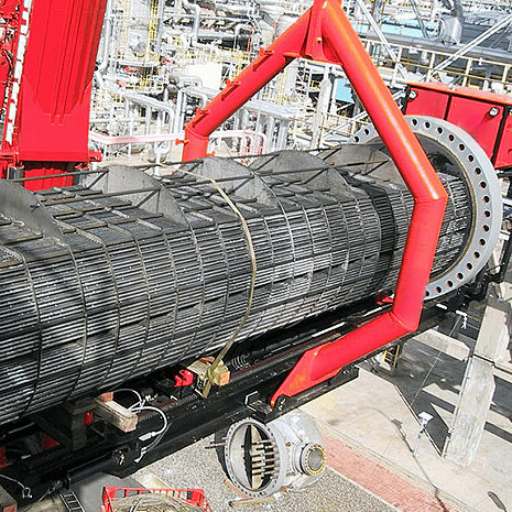
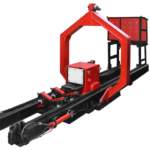
Bundle pullers serve as necessary industrial tools which enable operators to efficiently and accurately remove complete bundles of materials which include pipes and wires and heavy loads. The design of these machines exists to assist workers throughout their manual tasks by delivering mechanical help which decreases their physical work requirements. The machines function through a system which combines two pulling methods, namely hydraulic and mechanical systems, to achieve safe material handling operations. The correct operation of bundle pullers helps to improve work processes while reducing the possibility of employee accidents, which makes them essential for workplaces that handle heavy and difficult-to-move objects.
What is a Bundle Puller?
The bundle puller functions as a mechanical device which assists users in moving heavy or bulky materials that include pipes and cables which are packaged together. Its system pulls bundled items through use of its gripping mechanism which operates the bundles with maximum efficiency while decreasing the physical work requirements needed from workers. This tool is commonly used in industrial and construction and warehouse environments where workers need to transport heavy objects throughout their daily operations.
Bundle pullers typically operate using hydraulic or mechanical systems which provide the necessary strength to handle substantial weight while maintaining control and precision. The devices feature adjustable systems which enable them to handle different bundle dimensions thus providing operational flexibility for multiple working situations. The features of these systems enable organizations to enhance their operational efficiency while creating a secure environment for their staff members.
Bundle pullers enable workers to complete their tasks with decreased physical demands which leads to increased work output and decreased chances of sustaining injuries or experiencing exhaustion. The design of the equipment emphasizes user convenience and dependable performance which makes it a crucial instrument for sectors that require workers to frequently lift heavy objects by hand.
Applications in Heat Exchanger Maintenance
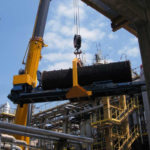
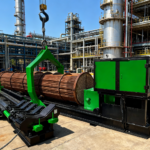
Heat exchangers require essential maintenance tools called bundle pullers which serve as crucial maintenance equipment for heat exchangers and cleaning work in petrochemical power generation and oil and gas industries. Heat exchangers need their systems to undergo regular maintenance because they depend on thermal energy transfer which needs to be cleaned from built-up fouling and scale and other materials. The bundle pullers enable technicians to perform safe operations which include removing tube bundles from their positions and returning them after service work.
The hydraulic systems of modern bundle pullers enable operators to generate strong pulling power which exceeds 15 to 30 tons depending on which model they use. The operator gains the ability to operate weighty tube bundles which can reach multiple tons because they combined with a precise equipment system that enables safe handling. The equipment includes advanced controls for maintaining position while being used on mobile platforms which let users travel freely throughout maintenance locations. Automated bundle pullers with remote control capabilities improve safety for extensive operations by decreasing the amount of work employees must do through direct physical contact.
Recent industry reports show that maintenance workers who use bundle pullers can complete heat exchanger cleaning work 35 percent faster which leads to substantial financial benefits. The system enhances security because it decreases chances of injuries which occur during manual handling while meeting strict safety standards.
The innovative designs of bundle pullers together with their documented success in demanding situations make them essential tools which help maintain heat exchangers in their best operating condition for extended periods.
Types of Bundle Pullers
The types of bundle pullers include manual, hydraulic, pneumatic, and electric bundle pullers.
| Type | Power Source | Mobility | Capacity | Key Feature |
|---|---|---|---|---|
| Manual | Manual Force | Low | Light Duty | Compact |
| Hydraulic | Hydraulic | Medium | Heavy Duty | Precision |
| Pneumatic | Compressed Air | Medium | Heavy Duty | Efficiency |
| Electric | Electric Motor | High | Heavy Duty | Automation |
Importance of Bundle Puller Safety
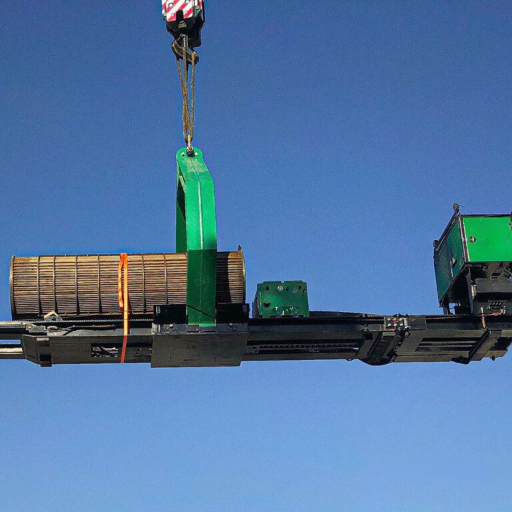
Why Safety is Critical in Bundle Pulling
The process of bundle pulling requires safety measures to protect workers from potential injuries while maintaining efficient equipment performance. The bundle pullers need to handle incoming heavy loads which exposes them to dangers like falling objects and operator strain. The organization establishes proper safety practices which help reduce risks while creating a protected work area.
The organization establishes safety procedures for bundle pulling operations because unsafe equipment handling causes equipment destruction. The unsafe use of bundle pullers occurs when workers disregard safety standards which increases mechanical failures and equipment breakdowns. The situation creates both operational delays and potential safety risks for workers who operate near the machinery.
The practice of safety compliance in bundle pulling operations enables businesses to meet workplace safety standards which exist to protect employees from dangers associated with heavy equipment operations. The organization faces two main risks from safety violations because these breaches lead to legal penalties and damage its public reputation thus making mandatory safety training and supervision essential for all bundle-pulling operations. Businesses establish their safety protocols through clear safety procedures which enable them to protect workers and sustain operational efficiency.
Common Risks Associated with Bundle Pullers
- Equipment Failure – When bundle pullers experience malfunctioning or their maintenance remains inadequate, they create dangerous conditions which result in dropped loads and unstable operational situations. Equipment-related hazards get reduced through the essential process of conducting regular inspections.
- Overloading – When operators exceed the designated weight limit for a bundle puller, they create an increased risk of equipment breakdown and tipping incidents which endanger both the operator and people who work nearby.
- Improper Operation – The handling of materials becomes dangerous when operators lack training or fail to follow procedures, which leads to material damage and results in worker injuries.
- Slips and Falls – Workers face slip and fall hazards when they walk on wet or uneven surfaces in work areas because this condition especially affects those who handle heavy loads with bundle pullers.
- Lack of Communication – When workers lack effective coordination, they create operational misunderstandings which heighten the risk of accidents and operational mistakes.
The implementation of regular maintenance activities together with effective training programs and efficient communication methods leads to safer work environments for businesses.
Statistics on Workplace Accidents Involving Bundle Pullers
Recent industry reports indicate that workplace accidents involving bundle pullers account for approximately 15% of material handling-related incidents. The most common causes include improper handling techniques and lack of maintenance and insufficient training which together cause approximately 70% of these accidents. About 25% of injuries result from slips and falls that occur during bundle pulling operations which shows the need for proper safety procedures and suitable footwear. Regular safety audits together with employee education programs produce a reduction in workplace accidents that reaches 30%. The presented statistics demonstrate that organizations need to implement active safety measures for protecting workers in material handling spaces.
Best Practices for Safe Bundle Pulling

Proper Equipment Maintenance
Safe and effective material handling operations depend on proper maintenance of bundle pulling equipment. Start by conducting regular inspections to identify any signs of wear, damage, or malfunction. The equipment functions correctly through its essential parts which include handles, grips, wheels and hooks. Any defective parts require immediate repair or replacement because they create safety risks.
Equipment maintenance requires cleaning after equipment use. The equipment performance suffers when dust and debris and other pollutants build up on its surfaces. The right cleaning tools and methods should be used to keep all moving parts in working condition. Equipment lifespan increases when users follow lubrication recommendations for mechanical components because it decreases friction.
The maintenance schedule needs to be established as a common practice which must be recorded together with all inspection activities and equipment repairs and replacement work. The system creates responsibility which enables the detection of repeated problems that need additional handling. Organizations should create a reporting system for employees to use when they encounter issues while providing equipment training which helps to decrease equipment damage. The organization achieves important safety goals through ongoing maintenance activities which boost efficiency while decreasing expenses over time.
Correct Usage Techniques
The bundle puller requires users to follow these safety guidelines for its effective operation.
- Inspection Before Use
The operator must examine the bundle puller equipment to find any signs of damage or wear. The operator needs to verify that all components function correctly through testing procedures. - Proper Setup
The operator needs to follow the manufacturer’s guidelines to attach the bundle puller equipment to the load. The operator needs to check all connections for proper tightness and correct alignment. - Controlled Operation
The operator needs to control equipment movement by using slow and steady operations which prevent sudden equipment movements and system overload. The operator must not exceed the load capacity which the manufacturer determined. - Clear Work Area
The work area needs to remain clean because any clutter creates risks of accidents. All personnel must understand the operational procedures while maintaining safe distances from the equipment. - Regular Maintenance
The bundle puller requires users to follow its maintenance schedule which helps achieve optimal performance.
The application of these methods enables you to achieve maximum operational efficiency while establishing a secure work environment.
Personal Protective Equipment (PPE) Recommendations
The following personal protective equipment requirements must be fulfilled to maintain safe operations of the bundle puller.
- Hard Hat – Protects against head injuries from falling objects or overhead hazards.
- Safety Glasses – Shields the eyes from debris, dust, or potential projectiles during operation.
- Gloves – Provides hand protection from sharp edges, abrasions, or potential pinch points.
- Steel-Toed Boots – Ensures foot protection against heavy objects or accidental impacts.
- Hearing Protection – Reduces exposure to noise from machinery, if operating in a loud environment.
- Hi-Vis Vest – Enhances visibility to others in the work area, improving overall safety.
The correct use of personal protective equipment decreases injury risks while maintaining safety compliance. The inspection of personal protective equipment must be completed before usage and any damaged or worn equipment needs to be discarded.
Safety Standards for Bundle Puller Operation
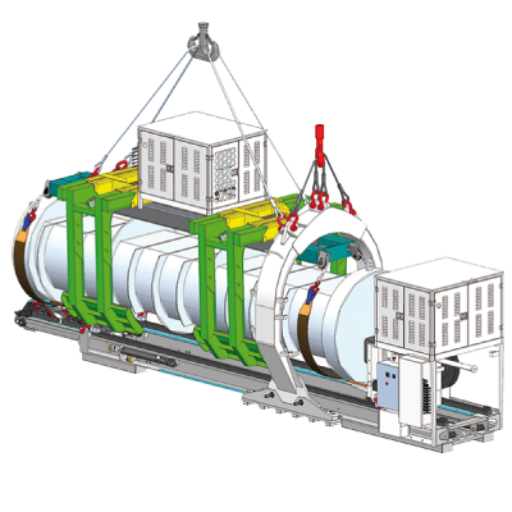
Industry Regulations and Guidelines
Operators of bundle pullers must follow multiple industry regulations and guidelines because these rules protect the equipment’s safe use. The Occupational Safety and Health Administration (OSHA) establishes complete safety standards which protect workers from various workplace dangers. The regulations require proper equipment operation together with necessary personal protective equipment (PPE) and maintenance procedures to stop equipment breakdowns. Organizations need to follow OSHA regulations because they protect worker safety and help organizations avoid monetary fines.
The American National Standards Institute (ANSI) establishes equipment design and operational guidelines which apply to all types of machinery including bundle pullers. The standards require equipment to be built and used in ways that protect users from potential hazards. Operators need training about safe equipment operation and ways to handle emergencies based on ANSI guidelines which help keep workplaces safe from accidents.
Under OSHA regulations and local laws employers must develop workplace-specific safety procedures for their operations. This procedure includes performing scheduled inspections and providing complete safety instruction and developing a workplace environment which promotes safety knowledge among staff. The organization achieves risk reduction through its practices which combine federal and industry standards with its own safety guidelines to create a secure workplace for everyone involved in bundle puller operations.
Personal Protective Equipment (PPE) Requirements
The operators who work as bundle pullers need to use Personal Protective Equipment (PPE) as their primary safety equipment. The basic PPE requirements mandate workers to use hard hats for head injury protection against falling debris and safety goggles for eye protection against dust and flying particles and heavy-duty gloves to protect their hands from sharp edges and abrasions during work activities. The essential footwear for operations includes steel-toed boots which deliver protection against foot injuries through impacts from equipment and heavy materials. Operators need to wear hearing protection when work area noise levels reach specific thresholds while they must also wear hi-visibility vests to increase their visibility in high-traffic areas which have low-light conditions. The PPE guidelines create an OSHA compliance framework which also decreases the risk of workplace accidents that occur during bundle pulling work.
Training and Certification for Operators
The operators of bundle pullers need to receive thorough training together with certificationbecause this training enables them to operate equipment in a secure and effective manner. The training program requires operators to learn about equipment operation together with maintenance procedures and identification of potential hazards and safety measures. The programs need to follow OSHA standards and all other industry-specific requirements that apply. The certification process requires candidates to complete theoretical training together with practical tests that evaluate their skills. The organization requires refresher courses together with new training programs to assist employees in maintaining their knowledge of equipment upgrades and safety standard developments. The organization achieves two advantages through operator certificationbecause it creates a safer workplaceand it improves both operational accuracyand compliance with regulations.
Mitigating Risks in Bundle Puller Operations
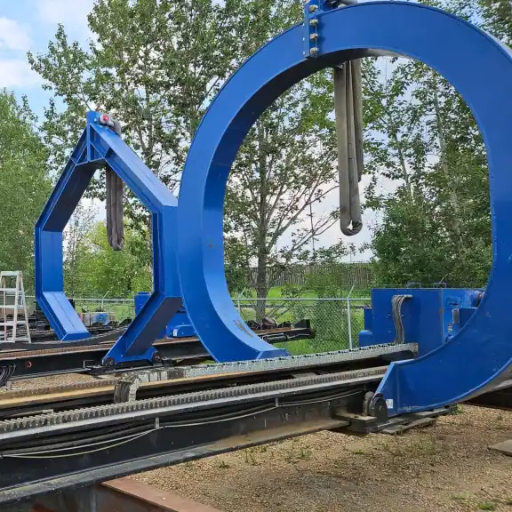
Identifying Potential Hazards
Bundle puller operations involve various potential hazards that must be recognized to ensure safety. Equipment malfunctions and improper maintenance practices create common risks which lead to accidents through mechanical failures. The probability of collisions and operator mistakes increases when there is insufficient visibility or excessive workplace congestion. Workers face dangers from improper load handling because it leads to tipping incidents and material falling accidents. The organization needs to execute equipment inspections and maintain effective communication and follow established safety protocols to reduce these risks. The organization must provide comprehensive operator training and maintain an orderly work space to minimize work-related dangers.
Preventive Measures and Solutions
The safety and efficiency of bundle puller operations require the implementation of strong preventive measures through their operational implementation. The regular maintenance and inspection process of equipment leads to lower mechanical failure risks which could endanger worker safety. Operators need to undergo complete training which enables them to operate the machinery competently through learning about load limits and maneuvering techniques and emergency procedures. Clear signaling and communication systems establish operational standards which reduce miscommunication problems that occur in crowded or loud settings.
Workplaces need to establish organized systems which help reduce traffic and create open spaces that bundle pullers can use to move through their tasks. The use of proper load securing methods through straps or clamps creates protection against material tipping and shifting during movement. The use of contemporary technologies through camera systems and proximity sensors will improve both spatial awareness and operational efficiency.
Data-driven approaches show that developing a strong safety culture which encourages workers to report hazards and comply with safety protocols leads to a significant decrease in accidents. The combination of complete training with advanced equipment and proactive risk management methods will make bundle puller operations both safer and more efficient.
Emergency Response Plans for Equipment Failure
The first step requires operators to stop all work activities because this measure protects against further harm and damages. Operators need to secure the dangerous location right away and contact maintenance workers plus their supervisors about the situation. The current procedure keeps workers protected while stopping equipment damages from getting worse.
The next step requires expert assessment to find out what caused the equipment to break down which includes checking its mechanical and hydraulic and electrical systems. The assessment needs to be performed according to established testing methods which will help identify the main issue. The maintenance crew needs to start fixing the problem when they determine that repairs can happen in a safe manner on the site. The equipment needs to be taken out of operation until technicians can complete the necessary repairs or equipment replacements to fixed the major issue.
The team will perform a complete investigation of the failure after they solve the current problem. The review needs to examine maintenance records and operator documents and environmental factors which may have played a role in the incident. The organization needs to include all discovered information into the updated training programs and maintenance schedules and emergency response plans. The organization can reduce equipment failure effects on safety and productivity through their structured proactive method.
Reference Sources
- Design of a Mechanical Stator Winding Extraction System for Small Scale Industrial Workshops: This study addresses safety concerns and operational design for mechanical pullers, offering insights into safety practices for similar industrial equipment.
-
Heat Exchangers: Classification, Selection, and Thermal Design: While primarily about heat exchangers, this book provides insights into equipment design and safety considerations, relevant for bundle puller operations.
-
Assessing the Health and Safety Aspects of Reboiler Maintenance Activities: Discusses safety considerations during reboiler maintenance, including the operation of bundle pullers and the role of cranes.
-
Completion Equipment: Covers safety features and operational guidelines for various industrial equipment, including bundle pullers.
- Self Propelled Bundle Extractor
Frequently Asked Questions (FAQs)
What is the correct device handling procedure?
The correct device handling procedure needs to be followed through proper equipment usage and meteorological operating guidelines and equipment safety standards. Correct handling of a puller-bundle extractor begins with reviewing the manufacturer’s operating procedures and performing a visual inspection of the device and flange connections for damage or leakage. The operator must verify that all fasteners and lifting points have been secured and all pressure-containing components and relief valves have been checked and the emergency stop button has been tested and the work area has been cleared of nonessential personnel. All lifting operations require appropriate equipment which must be controlled during release and extraction to avoid sudden movements. All disassembly work requires the implementation of lockout procedures together with tagout and isolation processes before operators start working on disassembly tasks or flange separation activities.
The process of managing pressure-related hazards requires system depressurization which needs to be completed before any flange opening and bundle removal can proceed. The document requires users to implement the relief valve according to existing operating procedures which control the process of pressure equalization while users must observe pressure gauges to track system changes. The system requires validation through leak detection measures which must confirm the absence of trapped fluids and gases. The document provides a job safety analysis that details which valves to operate and the sequence to safely relieve pressure.
What safety training for operators is recommended before using a bundle puller?
Operators require safety training which includes operating procedures and emergency response training that covers emergency stop button usage and pressure control and relief valve operation and identification of potential hazards at each step and correct handling and attachment to flanges and safe release techniques and leak response methods. Training should combine classroom instruction, hands-on supervised practice, and assessments; refresher training should be provided regularly. The job safety documentation must include training records together with competency assessment records.
How often should the puller-bundle extractor be inspected and what details are checked?
The puller-bundle extractor needs inspections which should happen before every operation and during planned maintenance times. The inspection process requires verification of structural integrity and assessment of flange mating faces and examination of hydraulic lines and fittings to detect leakage and testing of pressure gauge accuracy and relief valve function and emergency stop button operation and assessment of lifting points condition. The replacement of components that experience wear should follow the recommendations provided by manufacturers. The maintenance team needs to keep inspection checklists and status logs and conduct regular reviews to maintain continuous operations in a safe manner.
What are the potential hazards at each step during bundle removal and how are they mitigated?
Potential hazards at each step include stored pressure release, fluid or gas leakage, sudden release of the bundle, flange failure, and pinch/crush injuries during release. The team uses JSA to build task sequences while they use system isolation and depressurization to confirm relief valve settings and secure the bundle before flange separation. Operators need to use proper lifting techniques and tag lines because the emergency stop button needs to work and personnel must stay away from the drop zone. The team needs PPE and communication protocols to complete their work during all activities that present high risk.
![Polypropylene Resin: Grades, Types & Selection Guide [2026]](https://boshiya.com/wp-content/uploads/2026/05/0-150x150.webp)