Get in Touch with BOSHIYA

How to Extract Tube Bundle Safely: A Comprehensive Guide to Tube Bundle Extraction

The main task of heat exchanger maintenance requires technicians to complete the difficult process of tube bundle extraction. The correct procedure for tube bundle removal helps you save time and resources while decreasing safety hazards for all your work tasks from routine maintenance to corrosion control to complete system upgrades. This guide provides you with essential extraction methods and preferred methods and necessary safety measures which you need for tube bundle extractions. The article provides you with methods to maintain safety during operations which will lead to shorter work interruptions and better business productivity. The guide will provide benefits to both experienced workers and people who are starting their first experience with the process. The process of executing this vital job requires expert handling and dedicated attention to detail.
Contents
show
Understanding Tube Bundles
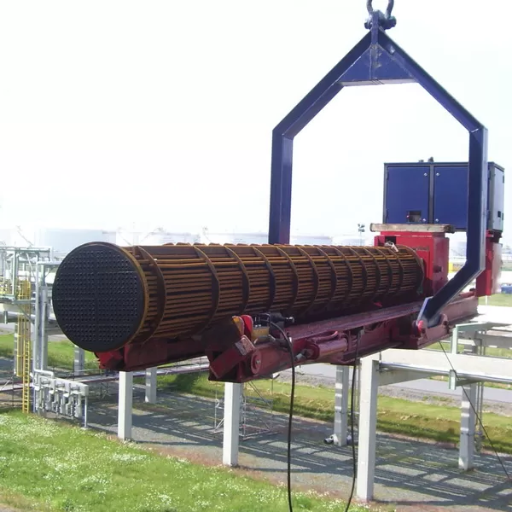
Tube bundles serve as essential parts for shell and tube heat exchangers which industrial facilities use to transfer heat between two different fluids. The system comprises multiple tubes that exist inside a cylindrical shell which enables one fluid to flow through the tubes while the other fluid moves around them to achieve effective heat transfer. The correct maintenance procedures together with proper handling methods of tube bundles become crucial for maintaining their peak performance while stopping machinery breakdowns. The extraction and maintenance processes require operators to understand the system’s design and operational characteristics.
What is a Tube Bundle?
The tube bundle functions as the essential element which enables heat transfer through the shell-and-tube heat exchanger system used for industrial and engineering purposes to transfer thermal energy between two different fluids. The system shows components that include multiple tubes which operators position in a parallel formation inside a cylindrical shell structure. The tubes require baffles and support plates which secure their position to allow proper fluid movement around these elements. The design enables one fluid to enter the tubes while the second fluid moves across the tube exterior which exists in the shell space to create a heat transfer path between both fluids. The operational needs together with maintenance requirements determine the different tube bundle configurations which include fixed and U-tube and floating head designs. The heat exchanger needs proper maintenance which includes cleaning and regular inspections to stop fouling and corrosion and blockages that will decrease its operational efficiency.
Importance of Tube Bundle Maintenance
Tube bundle maintenance is essential for maintaining heat exchanger systems which require both efficient performance and reliable functionality. The tubes develop restrictions which prevent fluid movement while decreasing heat transfer capabilities because debris and scaling and corrosion build up inside them. The optimal performance of systems will be sustained through regular maintenance which prevents problems from occurring while saving energy during system operation. Operational inefficiencies and increased energy expenses and system breakdowns will occur when maintenance responsibilities are not fulfilled.
The heat exchanger system will benefit from proper upkeep which extends its operational duration. Operators can control operational costs through their process because they can detect initial fouling or corrosion problems which would lead to expensive repair needs and main system component replacements. This proactive approach leads to reduced downtime while increasing overall equipment system reliability which holds particular importance for businesses that depend on nonstop operations.
Thorough tube bundle maintenance functions as a vital safety measure which helps organizations meet compliance requirements. The heat exchangers operate at extremely high pressure and temperature levels which make any system damage or blockage a critical safety threat. The system maintenance protocols which require specific maintenance procedures and schedules support system integrity while establishing regulatory compliance pathways which protect workers and community safety. The organization needs to conduct regular inspections together with cleaning activities and quick maintenance work to accomplish its objectives.
Common Applications of Tube Bundles
- Power Generation
Power plants use tube bundles for steam generation and for condenser operations which enhance thermal efficiency. - Petrochemical
The process of heat exchange in crude oil refining and chemical production depends on their essential function. - HVAC Systems
The components of heating ventilation and air conditioning systems include tube bundles which help manage indoor temperatures. - Food & Beverage
The equipment operates in sanitary environments to pasteurize and cool and heat different products. - Marine
Ships use tube bundles to cool their engines and other systems found on board.
Preparation for Tube Bundle Extraction
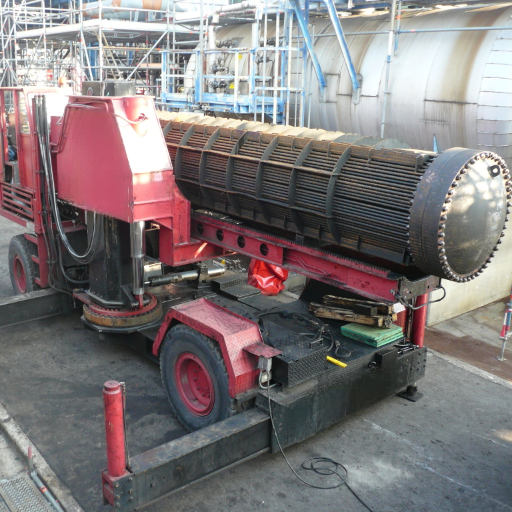
Understanding the Equipment Needed
The following equipment must be present to enable safe and effective tube bundle extraction work.
01
Tube Bundle Extractor
A specialized tool designed to remove tube bundles from their casing without causing damage.
02
Lifting Equipment
Cranes or hoists capable of handling the weight and size of the bundle for safe removal.
03
Protective Gear (PPE)
Personal protective equipment such as gloves, safety goggles, and helmets to ensure worker safety.
04
Support Stands
Devices to secure the tube bundle once extracted, preventing movement or damage.
05
Cleaning Tools
Brushes or pressure washers to clean the bundle after extraction if necessary.
The complete setup of necessary tools together with appropriate safety protocols determines the success of the tube bundle extraction operation.
Safety Gear and Precautions
The process of tube bundle extraction requires workers to use specific equipment and follow safety measures to maintain their protection. Workers need to wear gloves and safety goggles and helmets because these items protect them from injuries that might occur from falling debris and equipment operation. Steel-toed boots function as protective footwear which guards workers against the risk of heavy objects falling on their feet. Workers must also wear high-visibility clothing to improve visibility in busy or low-light environments.
Safety Protocol
The process of equipment testing requires operators to check all equipment before use to confirm its operational status and they must implement correct lifting methods together with machinery to avoid creating dangerous situations. The process requires team members to maintain open communication which helps them avoid making mistakes or committing errors. The combination of site-specific safety protocols with environmental hazard monitoring creates an effective method for reducing risks in the work environment.
Inspection of the Heat Exchanger
The process of heat exchanger inspection serves as an essential procedure which verifies both performance efficiency and operational safety of the equipment. The process begins with a visual inspection which identifies all visible external surface wear and corrosion and damage to the equipment. The inspection should focus on discovering any leakage issues and checking the security of all connections and seals. The organization needs to verify that all safety devices, which include pressure relief valves, have been installed properly and function correctly according to their intended purpose.
The next step involves evaluating all internal components of the heat exchanger system when they become available for examination. The procedure involves evaluating the system for buildup and scaling and identifying any blockages that would restrict its ability to transfer heat efficiently. The process requires using proper cleaning methods which include chemical cleaning and flushing to eliminate all residues from the system and bring back its original operational capacity. The organization must ensure that the exchanger contains no physical defects which affect its tubing and fin components.
The testing process for the heat exchanger will demonstrate its capacity to operate correctly during standard working conditions. The system will be monitored to identify any unusual sounds and pressure reductions and temperature variations which might reveal hidden problems. The maintenance process together with regular inspections provides two benefits which extend heat exchanger lifespan while improving its operational efficiency that leads to safer and more dependable equipment performance.
Tools and Equipment for Efficient Extraction
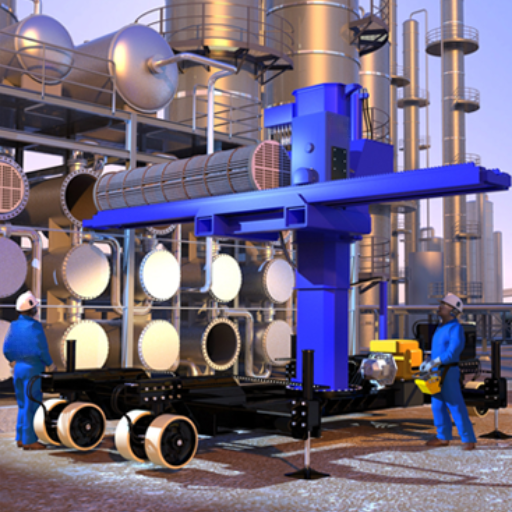
Bundle Puller and Tube Bundle Puller Overview
The bundle puller serves as a dedicated tool which enables workers to extract tube bundles from heat exchangers that use shell and tube design during maintenance and replacement work. The devices serve essential functions because their power to extract materials from manual operations proves difficult in industrial settings that use large exchangers. The bundle puller allows for accurate execution of tasks which protects both equipment assets and worker safety.
| Puller Type | Operating System | Best For |
|---|---|---|
| Hydraulic Pullers | Hydraulic | Heavy-duty, demanding industrial tasks requiring continuous force output |
| Pneumatic Pullers | Pneumatic | Situations requiring portability between multiple locations |
| Mechanical Pullers | Mechanical | Smaller applications requiring simple and straightforward operation |
The selection of the correct bundle puller, which organizations use to maintain their heat exchangers, leads to reduced maintenance times and better operational outcomes. The selection of a bundle puller needs to consider three primary criteria, which include the size of the tube bundle, the available space for operation, and all environmental aspects present at the worksite. The tools require regular inspection together with proper handling procedures, which their users must follow to achieve maximum functionality throughout their service life.
Crane and Lifting Devices
Crane and lifting devices serve as critical equipment needed to execute safe handling operations of heavy equipment and materials within industrial environments. The devices operate to move heavy loads with exact precision, which enables safe operations while maintaining operational efficiency. Load capacity and work environment compatibility and special operational needs serve as the essential factors for evaluating a crane or lifting device selection process. The devices require regular maintenance together with safety standard compliance to achieve dependable operation and accident prevention in workplace environments.
Extraction Systems: Choosing the Right Solution
Tube bundle extraction functions as an essential procedure across three main industrial sectors: oil and gas, chemical manufacturing, and power generation. The selection process for suitable extraction systems should begin with a detailed evaluation of operational requirements and equipment compatibility and efficiency assessment. The decision-making process requires assessment of three main factors: bundle dimensions and site operational boundaries and task automation needs.
Modern extraction systems function with advanced capabilities that include hydraulic-powered systems and remote control functionality and modular components which enable simple operation and versatile usage. Businesses now focus on systems that decrease manual tasks while enhancing safety measures and reducing time needed for maintenance activities. Organizations that choose to invest in top-tier solutions and keep their technology current will achieve maximum efficiency and cost savings during their tube bundle extraction work.
Step-by-Step Tube Bundle Extraction Process
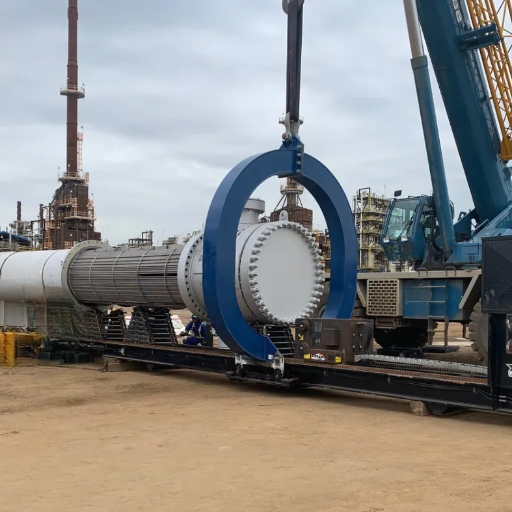
Initial Setup and Testing
- 1
Inspect Equipment
First, the inspection needs to evaluate all parts of the extraction equipment to check whether they function correctly and show no signs of damage.
- 2
Verify System Compatibility
The extraction system needs to be tested for its ability to work with the required tube bundle dimensions and specifications.
- 3
Secure Work Area
The work area needs to be prepared by cleaning it and removing all unnecessary items while making sure it meets all safety requirements.
- 4
Check Power and Controls
The testing process requires checking both power sources and remote control systems to verify their operational capacity and system alertness.
- 5
Perform a Dry Run
The system requires a no-load test to verify that its movements operate both smoothly and accurately.
The operators need to follow these steps to create a safe and efficient tube bundle extraction process which begins at the first step.
Executing the Bundle Pull
The operators need to use the proper hydraulic or mechanical extraction equipment to perform the bundle pull which requires them to select equipment that matches the bundle’s dimensions and weight. The operator needs to position the extractor correctly while using constant pressure to extract the tube bundle because this process requires complete control to avoid damaging both the unit and its surrounding environment. The operators must observe the operation closely because any resistance or misalignment that occurs during the process needs to be immediately fixed as it indicates that there are potential problems.
The operators will achieve effective bundle pull operations through their dedication to operational procedures and their work with advanced equipment which will help them minimize equipment downtime while ensuring safety in their work area.
Post-Extraction Procedures and Inspections
Operators must execute these procedures to protect the tube bundle system from damage while achieving dependable system performance.
Common Challenges in Tube Bundle Extraction

Dealing with Corrosion Issues
The process of extracting tube bundles faces the common problem of corrosion which damages equipment performance and reduces equipment lifespan. The problem requires regular inspections which help to discover all areas that have been affected by rust or oxidation. The first effective method of mitigation requires the application of protective coatings or corrosion-resistant materials which should take place during both manufacturing and maintenance processes. The operators can stop equipment degradation by establishing proper operating conditions which include two main strategies: reducing contact with corrosive materials and keeping pH values at their ideal range. The damaged components from severe corrosion require either repair work or complete replacement to bring back operational capacity. The establishment of an ongoing maintenance program which includes anti-corrosion treatments will enhance both the durability of tube bundles and the dependability of the entire system.
The process of extracting tube bundles from narrow spaces between two tubes presents a complicated difficulty which requires accurate execution with specific equipment. The design of most systems creates insufficient space which makes it easier for operators to break nearby equipment. Advanced equipment including hydraulic extractors that engineers built for use in compact spaces will enhance both operational performance and workplace protection. The extractor needs proper alignment which will reduce stress on both the bundle and nearby structural elements. The organization needs to hire operators who possess restricted environment expertise because their knowledge will maintain operational precision. Training programs should operate at regular intervals to teach workers about new extraction methods and equipment while they develop complete skills to handle their job environment. The tube bundle extraction process in tight spaces needs an operational framework that combines technological resources and specialized knowledge.
Addressing Unexpected Mechanical Problems
The crew must identify and fix unexpected mechanical issues which occur during tube bundle extraction operations to prevent work stoppage and maintain safe conditions. The first step requires conducting an equipment inspection which includes all components until technicians find the problem source. Regular maintenance schedules greatly reduce the likelihood of mechanical failures and are critical for preparedness. Teams should also have proper diagnostic tools on hand to quickly assess problems and avoid prolonged downtime.
The process of resolving mechanical failures requires technicians to either replace or fix broken components. Operators must follow safety procedures throughout this activity while confirming that all parts used for replacement meet equipment requirements. The availability of essential spare parts at the site enables teams to respond quickly while maintaining extraction operations during unanticipated delays.
Operational Insight
The team needs effective communication methods to manage mechanical problems that occur during their work. Teams should establish clear procedures for reporting problems, assigning responsibilities, and ensuring that everyone involved in the operation understands their role in resolving the issue. The combination of efficient problem-solving methods with ongoing maintenance and strong teamwork enables teams to solve mechanical problems without disrupting the extraction process.
Reference Sources
-
Study on deposition characteristics of multi-sized particles on tube bundle surface based on the two-fluid model
This research explores the stability, safety, and efficiency of heat exchange equipment, focusing on tube bundle surfaces. -
VTE Tube Bundle Component Study for Desalination Program
This study examines tube bundle designs and removal processes in desalination systems, emphasizing operational safety. -
15-Tube Bundle Puller – Job Safety Analysis
A comprehensive job safety analysis document that identifies potential hazards and safety practices for tube bundle pulling. - Bundle Puller
![Polypropylene Resin: Grades, Types & Selection Guide [2026]](https://boshiya.com/wp-content/uploads/2026/05/0-150x150.webp)