Get in Touch with BOSHIYA


A stainless steel shell and tube heat exchanger transfers heat between different fluid circuits across tube walls. Pick one that best fits your operating conditions, based on rated duty, wetted materials, pressure limits, and access for cleaning. A suitable unit must deliver the required outlet temperature within the available pressure drop and fit the maintenance plan.
Contents
show
Begin with the material schedule. Stainless tubes inside a carbon steel shell create a different wetted system from an all-stainless assembly, especially if the shell-side fluid is corrosive.
Selection sequence
- Define the process and utility operating cases.
- Approve materials for each wetted circuit.
- Compare thermal, hydraulic and mechanical proposals.
- Resolve cleaning access and installed cost before ordering.
What Makes a Stainless Steel Shell and Tube Heat Exchanger Suitable?
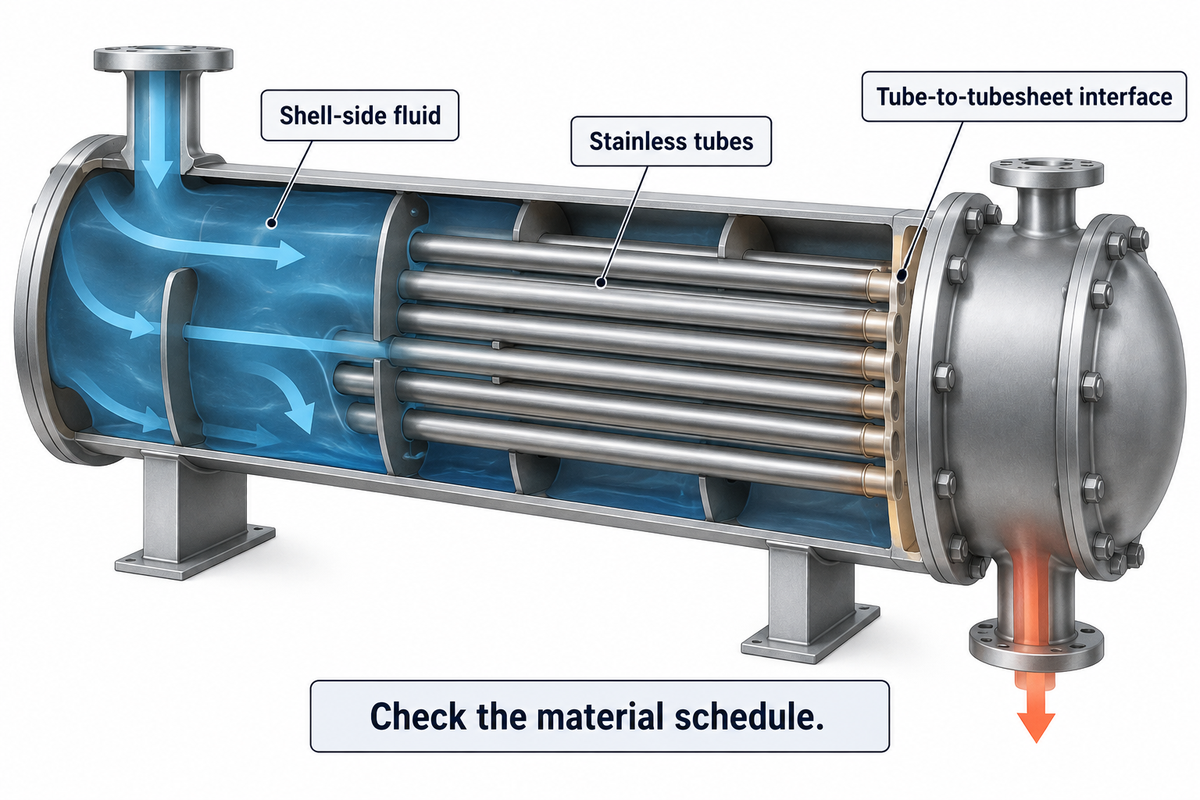
Use this family of components when the construction practices fit your fluid chemistry, pressure, and duty, as well as the method of maintenance. Stainless steel describes a material family; it doesn’t define the entire exchanger. Evaluate the components that come in contact with each of the fluid circuits, then verify the selected arrangement against operating and cleaning cases.
The metal wall separates the two fluids during normal operation, while heat passes indirectly through it, a process called indirect heat transfer. For the layout in the background, see our shell-and-tube operating principles.
“The key considerations include the condition of the process streams and the available footprint.”
As described in the Heat Exchange Institute, clad tubesheets may be used to address circuit material requirement differences. A compatible corrosion-resistant layer may protect a tubesheet while the backing supplies structural thickness. Separately record the cladding, backing and tube joint; the shell material alone won’t describe that interface.
- Process engineer: establish the heating or cooling duty and both fluid compositions.
- Maintenance planner: identify which surfaces need access and how deposits will be removed.
- Buyer: compare the delivered construction against the approved material schedule.
Consider a shell-and-tube combination over a gasketed plate-and-frame alternative, if its pressure capability or maintenance arrangement is better suited for the duty. Where compactness and a close temperature approach dominate, compare plate-and-frame options as well. Ipieca cites footprint, pressure, fouling and gasket compatibility as the principal factors; compare constructions for each factor.
Drainability and surface finish as well as gasket compatibility and hygienic requirements should be part of the specification for a sanitary exchanger. An industrial pressure vessel doesn’t become a sanitary exchanger merely because its visible surfaces are stainless.
Define the Operating Cases Before Asking for a Quote
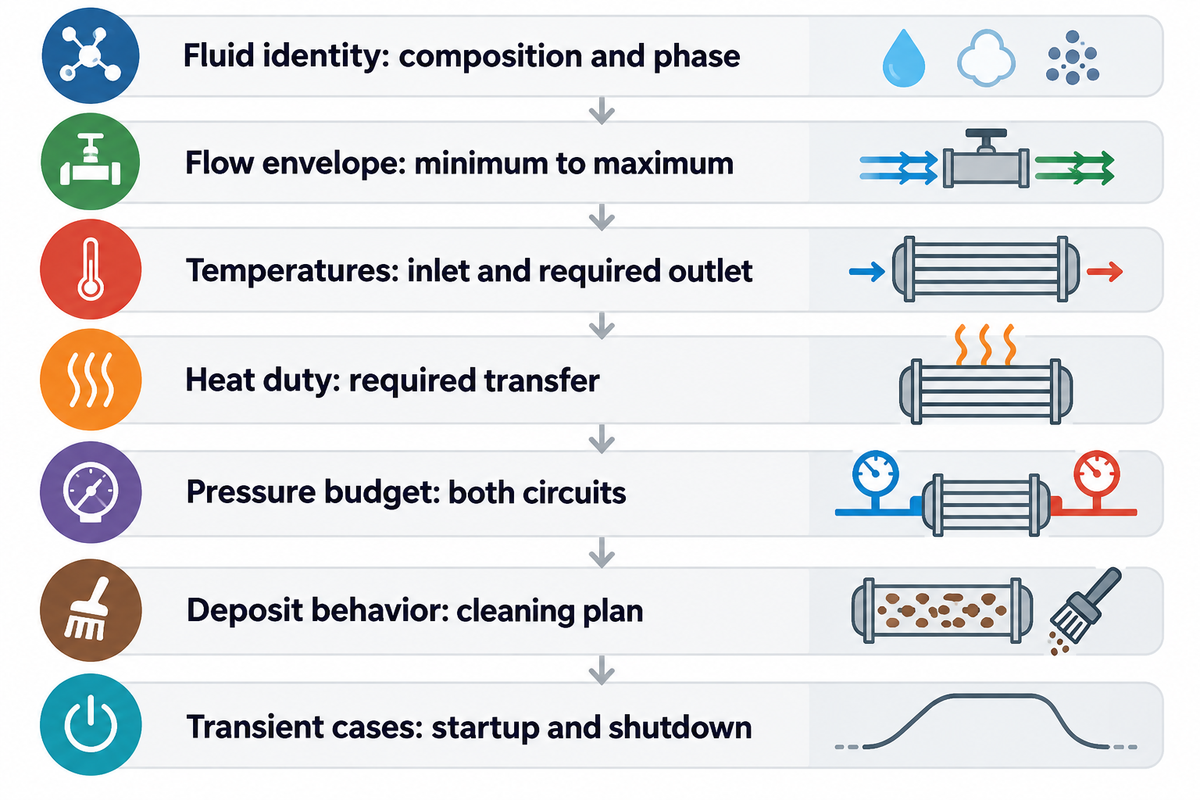
Provide the same process and utility cases for all bidders including normal operation, limiting conditions and cleaning. For each circuit state the inlet and target outlet temperatures, flow ranges and fluid properties. Distinguish between mechanical design pressure and temperature and the required operating performance.
A water chiller may deliver colder water during its acceptance test than it can produce during a hot production day. Rating the exchanger only at that favorable inlet temperature leaves the plant without a demonstrated summer cooling case.
| Input | Specify | Decision it changes |
|---|---|---|
| Fluid identity | Composition, contaminants and phase on each side | Material compatibility and property basis |
| Flow envelope | Normal, minimum and maximum mass or volume flow | Capacity, turndown and hydraulic demand |
| Temperatures | Inlet and required outlet for each rated case | Available temperature driving force |
| Heat duty | Required heat transfer in kW or BTU/h | Thermal sizing and acceptance basis |
| Pressure budget | Allowable pressure drop on both circuits | Pump compatibility and operating cost |
| Deposit behavior | Solids, scaling, polymerization and cleaning plan | Fouling allowance and access |
| Transient cases | Startup, shutdown, cleaning and loss of utility | Thermal expansion and mechanical review |
State whether a gallon is in imperial or US units, and whether a flow is measured at operating or reference conditions. For steam service, state the pressure and condensate conditions; for a liquid, state temperature-dependent viscosity where it changes substantially.
Consider internal tube failure during the process hazard review. The responsible engineer should assess pressure communication between circuits and define the protection basis. The UK Health and Safety Executive’s plant design guidance lists tube rupture and tube vibration as potential exchanger hazards.
Select Materials for Both Fluid Circuits
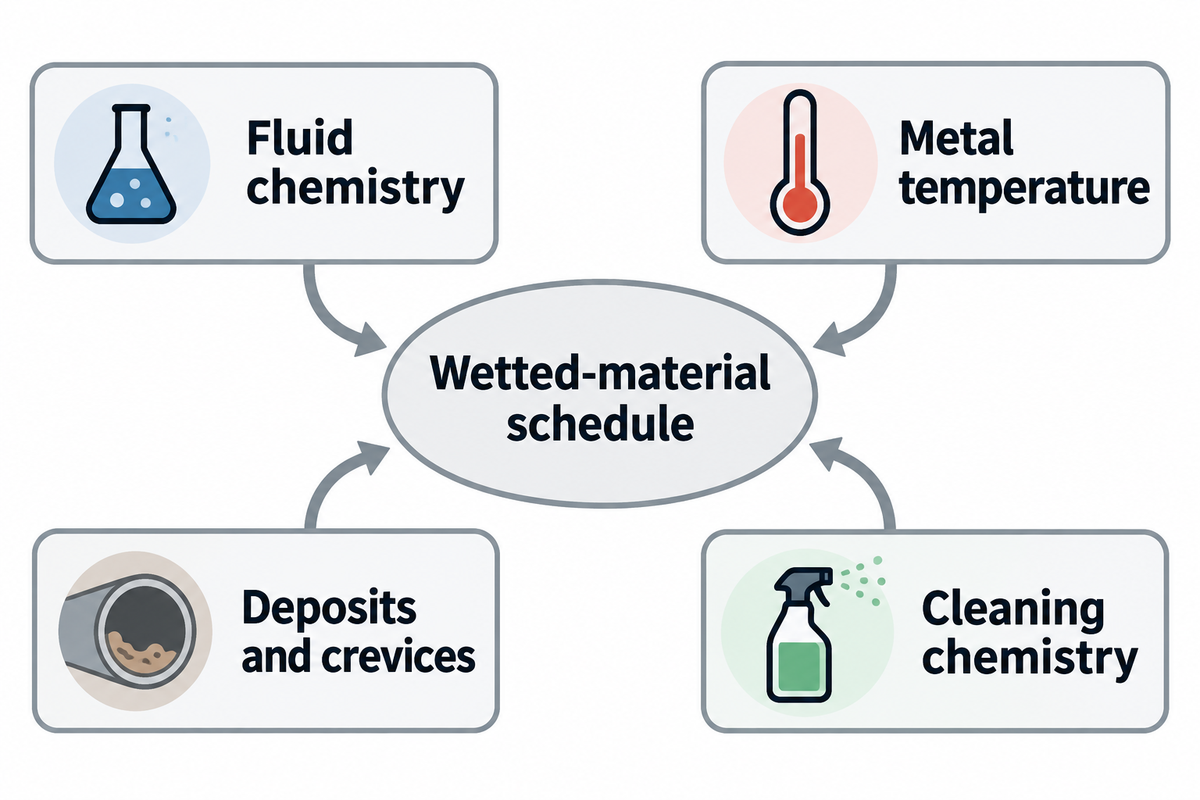
When choosing stainless, consider fluid, metal temperature, deposits and cleaning chemistry on each side. For chloride-bearing water, assess 316L at the expected metal temperature and deposit conditions. Create a wetted material schedule that includes tubes, tubesheets, channels, shell, seals and their interfaces, and then compare the purchase prices.
| Service information | Material question | Purchase action |
|---|---|---|
| Clean, controlled water | Are the specified 304 stainless steel or 316L components compatible with the full water analysis? | Attach chemistry and temperature limits to approval. |
| Chloride-bearing cooling water | How will temperature, concentration and deposits affect localized attack? | Evaluate the alloy and water-management plan together. |
| Seawater or saltwater | Does the proposed duplex or other alloy fit this service? | Review crevices, biological deposits and shutdown conditions. |
| Acidic or alkaline process fluid | Which concentration and temperature envelope is covered? | Include normal and upset compositions. |
| Solids-bearing stream | Where can erosion or deposits develop? | Review inlet geometry and accessible cleaning paths. |
| Mixed tube and tubesheet materials | Are joint and galvanic effects addressed? | Specify contact surfaces and any cladding. |
| Welded stainless parts | What fabrication, cleaning and inspection requirements apply? | Include them in the manufacturing scope. |
| Chemical cleaning | Are metal and gasket materials compatible with the cleaning method? | Approve concentration, temperature and exposure conditions. |
| Hygienic product contact | Can the complete assembly meet the sanitation plan? | Specify finish, drainage and cleanability requirements. |
304L and 316L stainless steel are candidates, not a complete selection rule. Consider corrosion resistance under the stated fluid and surface conditions. The low-carbon designation doesn’t remove deposit, crevice or fabrication concerns. Use the precise material specification and product form in the order. Our tube-sheet materials and joint design guide provides more information on this component.
A duplex grade still needs deposit control
Ardy and others looked at a seawater-cooled exchanger made with UNS S31803 duplex tubes and tubesheets. After 28 months, 26 of its 270 tubes had leaked and scale had blocked another 76. The researchers attributed the corrosion to deposits and microbiological activity on the tube surfaces. The lesson for the purchaser is to examine the water treatment and cleaning processes and decide on an alloy accordingly. Increasing the alloy specification won’t remove deposits by itself. This case describes the history of this particular exchanger, and isn’t a reflection of expected duplex service life. The original Metals investigation describes the evidence of deterioration and exam methods.
Compare Fixed Tubesheet, U-Tube and Floating-Head Designs
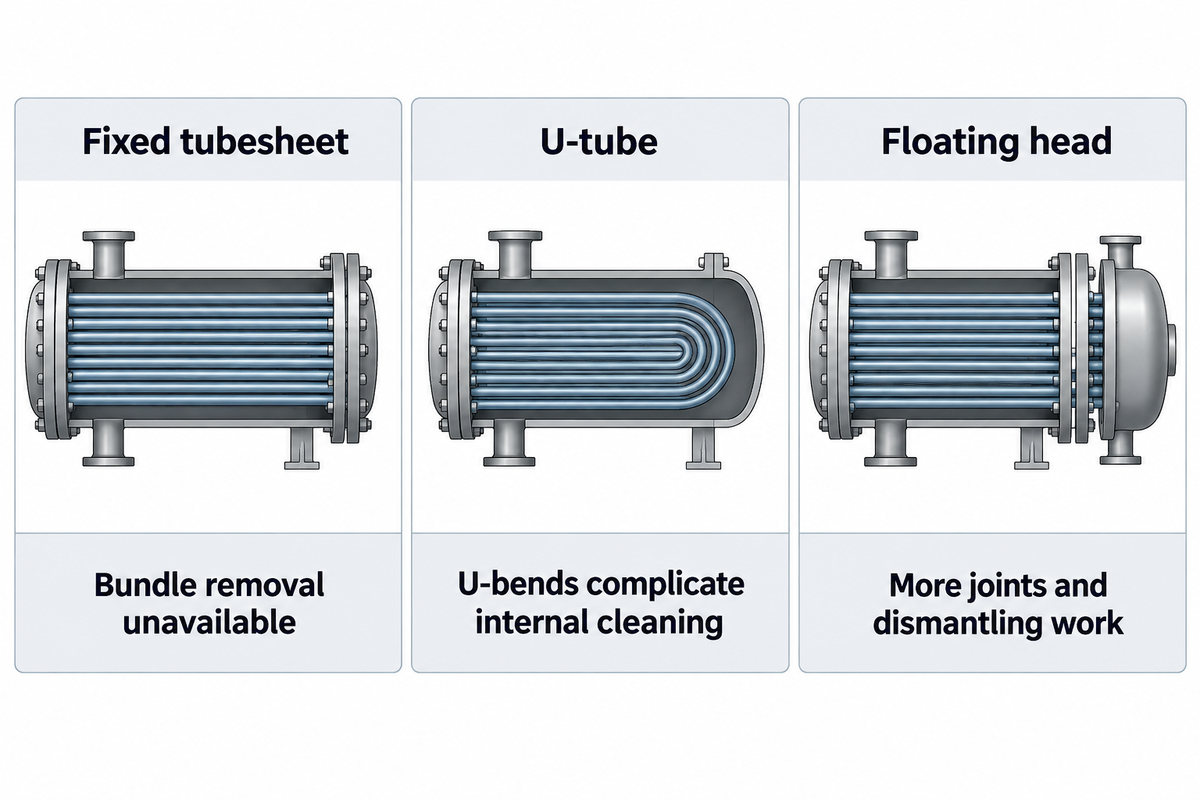
Choose the construction around the surfaces that must be cleaned and the expected differential thermal expansion. Fixed tubesheets are suitable where there’s an adequate shell-side cleaning strategy. Removable U-tubes and floating-head arrangements give access for maintenance with different degrees of ease, but complex geometries of tubes and joints change the nature of the maintenance work.
| Arrangement | Useful characteristic | Tradeoff to resolve | Shortlist when |
|---|---|---|---|
| Fixed tubesheet | Straight tubes with fixed end connections | Bundle removal is unavailable; differential expansion needs assessment. | Shell-side fouling can be managed with the proposed cleaning method. |
| U-tube | Removable bundle with room for tube expansion | Internal U-bends complicate mechanical tube cleaning. | Shell-side access matters and the tube-side cleaning method suits the bends. |
| Floating head | Removable straight-tube bundle and expansion accommodation | Additional joints and dismantling work affect cost and maintenance. | Access to both tube interiors and external bundle surfaces is valuable. |
Bill Huffman of Ward Vessel and Exchanger explains these tradeoffs in his TEMA-type selection article. It also shows why the front head is important. Some covers allow access to tubes without disconnecting inlet and outlet piping.
Plan around the construction: Bill Huffman states that fixed tubesheets restrict shell-side cleaning, while removable U-tube bundles allow more complete shell-side cleaning. Indicate each opening operation and the bundle withdrawal path on the general arrangement with the maintenance planner. A nearby pipe rack can obstruct a removable bundle. It provides little value to pay for the removal capability if the plant plans to replace the entire unit, and there’s no practical bundle withdrawal path.
Choose by the cleaning route
- Do: identify which side fouls and show how its surfaces become accessible.
- Do: compare expansion behavior across the specified operating cases.
- Avoid: treating “removable” as a complete maintenance plan.
Check Thermal Performance Alongside Pressure Drop
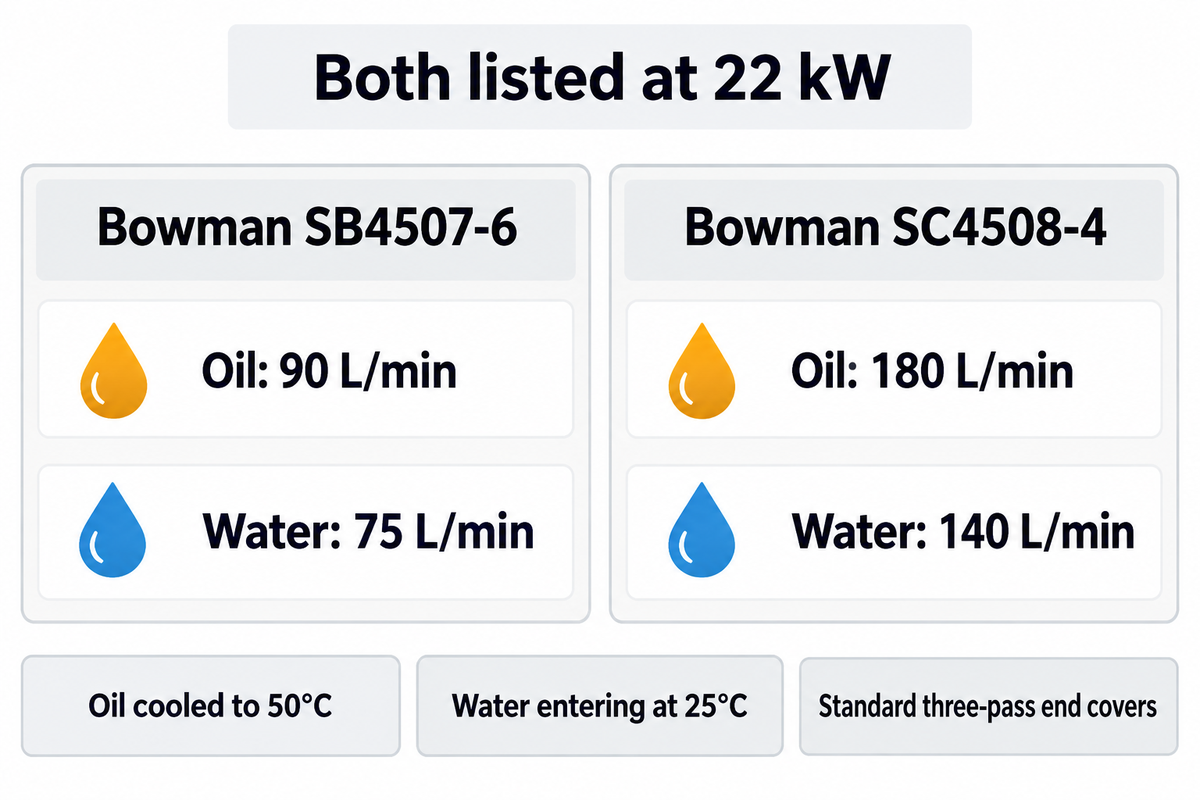
Accept a thermal rating only if the fluid conditions, flow rates and pressure drop are stated for both sides. Equal heat duty can require different hydraulic inputs and equipment dimensions. Consider the plant’s utility and pump capacity. Then review fouling and vibration for the chosen geometry.
Equal-Duty Quote Comparison
Bowman’s stainless steel catalogue lists the following two models at 22 kW. Its table uses oil cooled to 50°C, water entering at 25°C, and standard three-pass end covers.
| Manufacturer model | Heat dissipated | Oil flow | Water flow | Catalogue dimension A | Mass |
|---|---|---|---|---|---|
| Bowman SB4507-6 | 22 kW | 90 L/min | 75 L/min | 1114 mm | 20 kg |
| Bowman SC4508-4 | 22 kW | 180 L/min | 140 L/min | 764 mm | 21 kg |
Obtain a service-specific rating with fluid conditions and allowable pressure loss, before replacing either model. Catalogue dimension A is a drawing dimension, and not bundle withdrawal clearance.
In a shell and tube heat exchanger, baffle spacing, tube design and pass arrangement influence the flow path. More turbulence can support efficient heat transfer while consuming more pressure budget. Have the supplier state the thermal and hydraulic results, including the fouling basis.
- Thermal check: required outlet temperature at the limiting utility condition, with the stated fouling allowance.
- Hydraulic check: shell-side and tube-side pressure drop at each specified flow case.
- Mechanical check: flow-induced vibration assessment for the proposed supports and baffle geometry.
A multipass rating should be based on the actual flow arrangement. Assuming ideal counter-flow can hide the temperature relationships inside the selected unit. Ask how the proposal behaves at turndown as well as peak load; a favorable full-load result does not answer both cases.
Reserve Space for Cleaning and Bundle Removal
Reserve the working envelope shown by the exchanger and maintenance equipment drawings before committing to a final plant layout. Bundle withdrawal, cover removal, lifting access and laydown space are separate requirements. A construction that can be removed easily loses its value if it isn’t accessible.
Maintenance Access Bottleneck Map
| Check | If unavailable | Resolve through |
|---|---|---|
| Bundle withdrawal path | The bundle cannot leave the shell in the planned direction. | A dimensioned removal envelope and revised layout |
| Cover removal space | Tube ends remain inaccessible. | Head selection and local working clearance |
| Piping disconnection | Connected spools obstruct opening. | Removable spool and isolation planning |
| Puller approach | Maintenance equipment cannot align with the bundle. | Equipment approach and support drawings |
| Lifting route | The removed assembly cannot reach laydown. | An approved lifting and transfer plan |
| Laydown area | There is no supported location for inspection. | A designated support and work area |
| Drain and vent access | Preparation for opening is obstructed. | Accessible connections and isolation procedure |
| Cleaning containment | Wastewater or deposits cannot be handled as planned. | Containment, drainage and disposal arrangements |
| Return-to-service checks | Inspection and assembly work cannot be completed in place. | Access for the specified inspection and testing scope |
Reserve a clear withdrawal path and plan how the bundle will be handled. Assess the front-end design to determine how easily tube ends can be cleaned. In a hypothetical retrofit, a site chooses a removable bundle to reduce the duration of an outage, but a cable tray is placed in the bundle withdrawal path. The exchanger fits within the operating footprint of the site, but the means to perform maintenance doesn’t. The cost of changing the tray may be less than resolving the conflict after the exchanger is installed. Review the drawings to determine the maintenance method and identify the agreed access path in the documentation package.
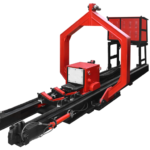
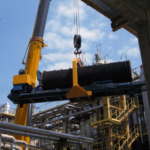
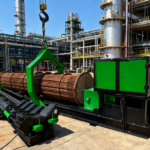
When assessing tube bundle pullers for heat exchanger maintenance, include bundle dimensions and mass, pull direction, support arrangement and site access. Coordinate pulling plans with bundle cleaning planning.
Can a stainless steel shell and tube heat exchanger be repaired?
Yes, after inspection establishes the damage and an approved repair scope, the extent of repair will depend on the nature of the damage, inspection report, construction, condition and applicable pressure equipment code. Tube work, gasket replacement and bundle replacement have different access requirements that should be considered during the original selection.
For exchangers, identification records, repair history and reports should be requested. Have the responsible specialist assess whether the proposed work restores the required service capability. A thermal rerating may also be required in the case of changes to the flow arrangement or availability of heat-transfer surface. Access should be provided for required inspections and tests.
Compare Quotes on the Same Technical and Commercial Basis
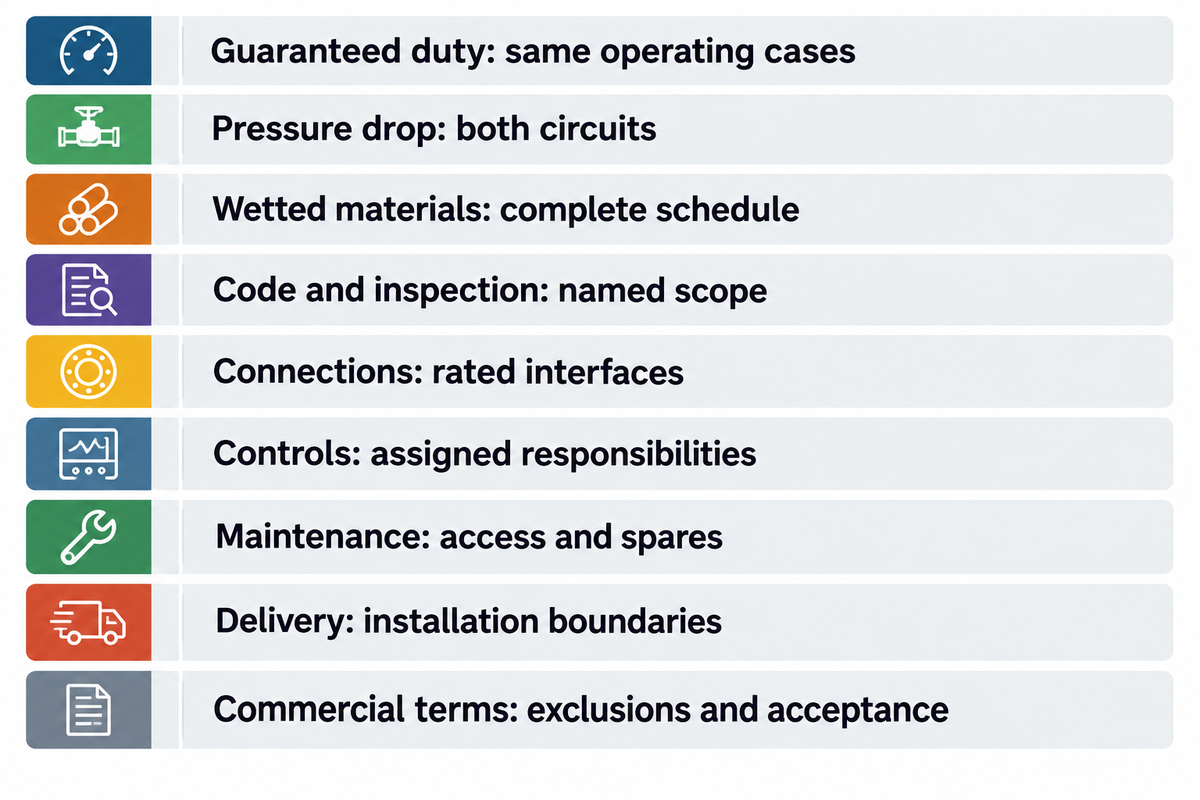
Quotations should be compared against one accepted duty sheet and one defined supply scope. Equipment prices should be separated from installation, utilities and maintenance costs. Any price advantage should be clear, and any price premium for the exchanger should be justified by operating or maintenance improvements.
| Comparison line | Require in every bid | Cost or risk exposed |
|---|---|---|
| Guaranteed duty | Same fluids, temperatures and flow cases | Undersized or differently rated equipment |
| Pressure drop | Both circuits at agreed conditions | Pump changes and electricity demand |
| Wetted materials | Complete component schedule | Unpriced metallurgy changes |
| Code and inspection | Named edition, scope and documents | Testing or certification exclusions |
| Connections | Port size, rating, orientation and interfaces | Piping adapters and field alterations |
| Controls and instruments | Valve, gauge, sensor and control responsibilities | Missing installation scope |
| Maintenance | Access drawings, spares and opening requirements | Shutdown work and handling equipment |
| Delivery | Packing, transport, installation and commissioning boundaries | Unbudgeted site work |
| Commercial terms | Lead time, warranty, exclusions and acceptance method | Schedule and performance disputes |
Ipieca’s exchanger guidance includes foundations, controls, connecting equipment and commissioning in the cost scope. That is a more useful baseline for comparison than a generic price per unit of heat duty.
Finance estimates that each avoided maintenance disruption would save USD 3,000 in recoverable labor and production costs. Assume a removable arrangement costs USD 12,000 more than the acceptable fixed-tubesheet alternative. Simple break-even is USD 12,000 divided by USD 3,000, or four avoided events. If the avoidable cost is only USD 1,500 per event, the requirement becomes eight events. These are assumed values, not market prices or promised savings. The calculation excludes financing and any additional handling costs. Finance has to check which costs are recoverable, and maintenance must explain which events the arrangement could actually avoid. If the arrangement doesn’t reduce the shutdown time for cleaning, then the benefit must also be reduced before the premium is granted.
Request the Documents That Resolve Purchase Risks
The purchase package should combine rated cases, a material schedule, general arrangement, inspection records, and other pertinent information to trace the promised duties to construction and maintenance. Identify the applicable code sections and editions. State the required reviews for vibration, pressure-protection, and assembly.
- Performance: thermal rating, fluid-property basis, pressure drop and fouling allowance.
- Construction: materials, tube-to-tubesheet joints, gasket details and agreed examination scope.
- Mechanical suitability: design conditions, expansion assessment and relevant vibration review.
- Pressure protection: project assessment of internal leakage or tube rupture and the required protective provisions.
- Maintenance: opening sequence, access envelope, spare-parts identification and approved assembly information.
For an ASME-stamped vessel, identify the required Boiler and Pressure Vessel Code section and certification-mark scope in the order. Verify the delivered equipment documents are in compliance with the construction and certification basis of the jurisdiction of installation.
The API 660 scope brochure addresses shell-and-tube equipment for petroleum, petrochemical and natural-gas industries. Identify the project edition and exceptions in the inquiry. Our API 660 heat exchanger requirements article develops that standards topic separately.
A 2025 flange-assembly case by Daru and colleagues discussed leakage associated with an imposed assembly limit. The purchaser finally approved an engineering calculation for the joint. Agree on the compatible gasket and bolting, and assembly, before delivery; leave bolt-load calculations to the qualified designers and maintenance personnel.
Should a stainless steel shell and tube heat exchanger be insulated?
Yes, insulate it if the thermal design or personnel protection assessment requires it. Hot service may require protected touch surfaces or reduced heat loss; cold service may require condensation control. Specify the complete insulation system, including weather protection and inspection access, against the equipment’s service and site conditions.
Keep removable covers, identification plates and required inspection points accessible in the insulation layout. Co-ordinate supports and removable sections with the maintenance plan. Losses in the connected piping, and the vessel, should be addressed, when evaluating heating efficiency. The supplier and site designer should agree on insulation scope, before installation. Removable sections should be included, where opening the exchanger is part of the planned maintenance work.
Use a Final Selection Decision Matrix
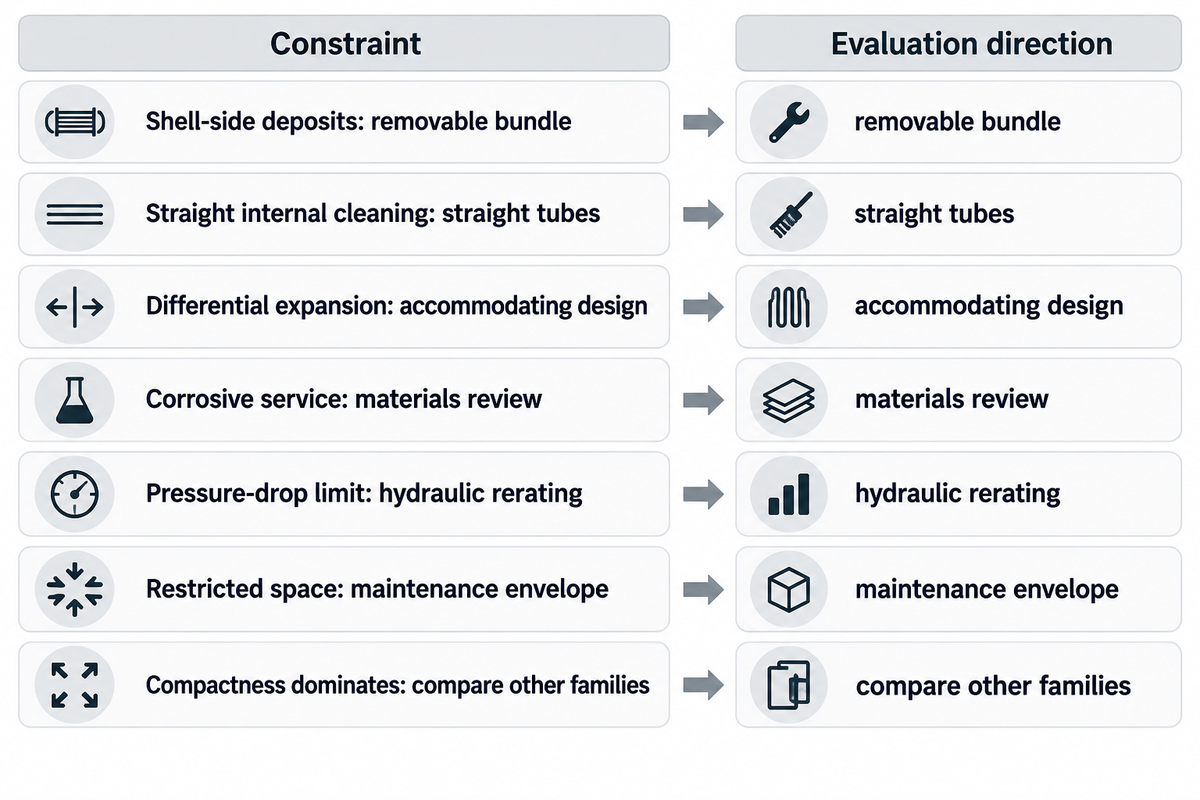
The arrangement which satisfies operating requirements and maintenance constraints should be shortlisted. Close any unresolved material, hydraulic or access issue before the award of the contract. If the proposed equipment family can’t satisfy a critical requirement, alternatives should be compared using the same process sheet rather than relaxing that requirement.
| Dominant constraint | Selection direction | Close before ordering |
|---|---|---|
| Shell-side deposits need direct access | Evaluate a removable bundle. | Withdrawal route and cleaning method |
| Tube interiors require straight mechanical access | Compare straight-tube arrangements. | Head access and tube-cleaning reach |
| Large differential expansion | Review an expansion-accommodating design. | Mechanical assessment across all cases |
| Uncertain corrosive service | Complete the materials review before fixing the alloy. | Fluid analysis and cleaning chemistry |
| Tight pressure-drop budget | Request a hydraulic rerating or alternate geometry. | Both circuit pressure losses |
| Restricted floor space | Compare operating and maintenance envelopes. | Access route, not just footprint |
| Close temperature approach or compactness dominates | Include another exchanger family in the comparison. | Materials, pressure duty and serviceability |
For an industrial process tied to boiler systems, furnace heat recovery or another heating source, consider surrounding system boundaries. An exchanger can transfer heat efficiently at its rated point while the complete heating and cooling system still loses energy due to control or utility mismatches. For hot water heating systems, consider return temperature and control strategy for the operating cases.
Industry Outlook: Specify the 2026 TEMA Revision Clearly
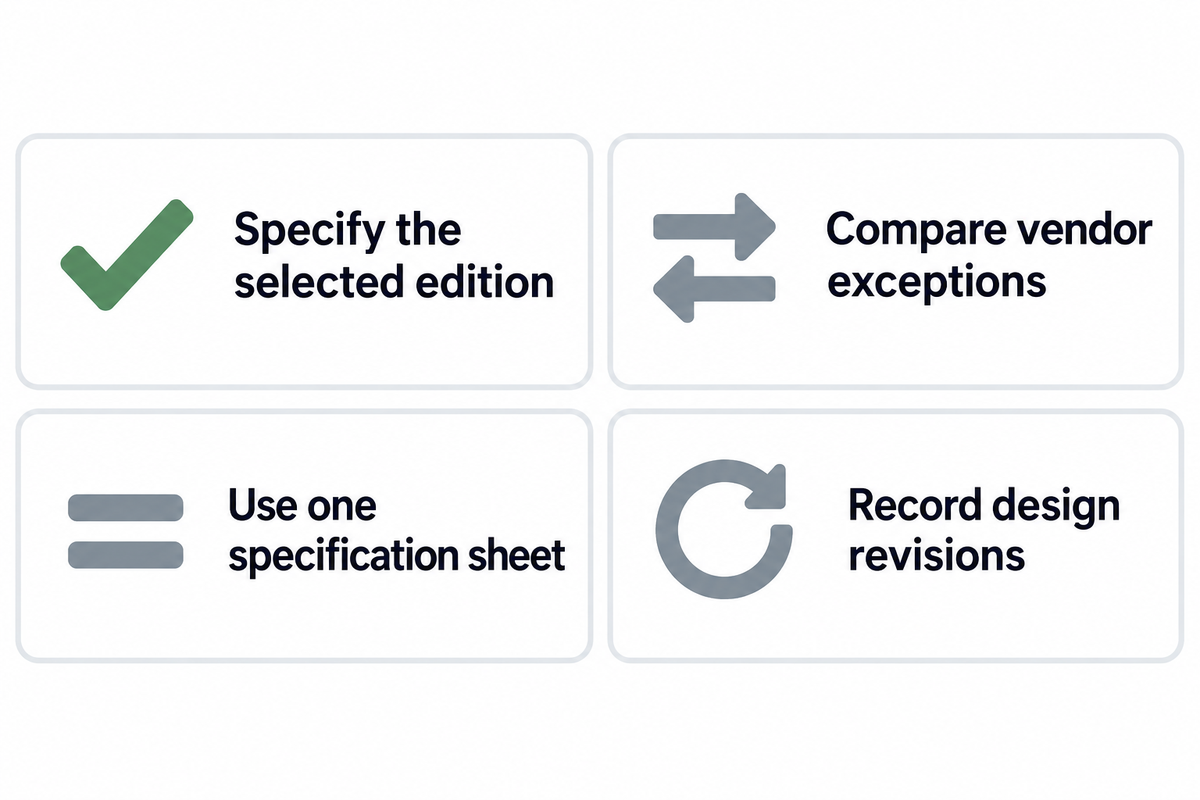
The announcement of the 2026 edition of TEMA’s guidance recognizes the need for an update of process specification information. Name the contract version in your queries and compare exceptions with it. Announcement of new equipment standards generally doesn’t make existing equipment obsolete.
TEMA’s publisher announcement identifies additions concerning weir plates, floating-head retaining rods, high-pressure channel pass partitions and U-bend supports. It also describes a rod-baffle appendix and an updated heat exchanger specification sheet.
Those updates relate to different pieces of equipment. A person evaluating a U-tube proposal is concerned with different issues than a person evaluating a kettle reboiler proposal. Ask the designer to indicate the provisions pertinent to the equipment in the proposed arrangement and list any exceptions.
TEMA also addresses changes in the treatment of SI-units and better alignment of stock material sizes. Decide on the governing unit system for drawings, material schedules and analyses. Converting a headline capacity into another unit does not resolve inconsistent dimensions or material requirements elsewhere in the purchase package.
- Put the selected edition on the inquiry and purchase order.
- Obtain the vendor’s exception list before comparing final prices.
- Use the agreed specification sheet for every bidder.
- Record how substitutions or design revisions affect the accepted documents.
Identify the existing shell and interfaces as well as the original documentation and the new supply scope when requesting a replacement bundle. The purchaser should define the requirements of the new contract, while the designer should address compatibility with the existing equipment rather than treating the replacement as an unrelated catalogue item.
Exceptions to the requirements should be resolved prior to starting fabrication.
Frequently Asked Questions
Is 316L always the right stainless steel grade?
No. Select 316L against the process fluid, cooling medium, metal temperature, and cleaning chemistry. Chloride-bearing deposits, crevices and fabrication conditions may affect the corrosion risk. Where stainless steel 316L is proposed, record the exact wetted parts and evaluate their service conditions. Record tube and tubesheet grades, as well as gaskets and the approved cleaning method.
What maintenance is required for a stainless steel heat exchanger?
Thermal performance and pressure drop must be monitored and the equipment inspected for leaks. Fouling must be cleaned in accordance with the approved maintenance plan. Access to the tube and shell side of the equipment is determined by the construction. Record the clean operating baseline to investigate changes. Also include gaskets, opening requirements, spare parts and inspection prior to return to service.
How much does a used stainless steel shell and tube heat exchanger cost?
Purchase prices for used stainless steel shell and tube heat exchangers are based on the condition and assessment of each unit. Compare purchase prices with inspection, repair, rerating, transport and installation costs. Verify identity, design conditions, materials and maintenance history of each unit prior to using a used exchanger in the service.
Where are shell and tube heat exchangers used?
Typical applications include process cooling, heating, heat recovery, and services that condense vapor or evaporate liquid. Industrial applications have different reliability needs and damage mechanisms. Equipment used to cool lubricating oil has different selection inputs from a condenser handling a corrosive process stream.
Can a pool heat exchanger replace an industrial process exchanger?
Yes, a pool heat exchanger can replace an industrial process exchanger if its documented rating, materials and construction satisfy the industrial duty. Pool heat exchangers are often selected for swimming pool or spa water heating through a separate boiler-water circuit. If operators chlorinate pool water, account for chlorine exposure and the specified water chemistry. A titanium heat exchanger may be a candidate for some pool services; evaluate it against the industrial duty as well. The Heat Exchange Institute bases material selection on erosion and corrosion resistance to the circulating fluid’s chemical composition. Check pressure, temperature, fluid compatibility, controls and inspection requirements along with pool capacity before substitution.
How long will a stainless steel exchanger last?
Actual damage mechanisms limit the service life of a stainless steel exchanger, and its maintenance history informs remaining life assessment. Determine inspection intervals based on service risk and condition findings. Track corrosion, leakage and fouling trends so repair or replacement can be planned before the required operating capability is lost.
How should I compare suppliers and equipment models?
Issue one duty sheet and require a completed technical and commercial comparison for every proposal. Check the rated cases, materials, pressure losses and access for maintenance before comparing final price. Each supplier should be asked to state exclusions and deviations. Then assess delivery, the condition of the documents, availability of spares, and the acceptance method. A catalog model can be a starting point; however, the purchasing decision should be tied to the equipment configuration and operating conditions offered for your site.
References & Sources
- Heat Exchange Institute: Tech Sheet 137, Heat Exchanger Cladding
- Ipieca: Heat Exchangers, Energy Efficiency Compendium
- Bill Huffman: Understanding TEMA Types for Shell-and-Tube Exchangers
- Ardy et al.: Failure Analysis of Duplex Stainless Steel Heat Exchanger Tubes in Seawater Service, Metals, 2023
- UK HSE: Design Codes, Plant
- ASME: Boiler and Pressure Vessel Certification
- API: Standard 660 Scope Brochure, Ninth Edition
- Daru et al.: Heat Exchanger Body Flange, the Gasket Is Not Always Tight Enough, 2025
- TEMA: 2026 Standards Edition Announcement