Get in Touch with BOSHIYA


Last updated: March 2026 · 12 min read
Contents
show
Industrial Tube Cleaning Machine Buyer’s Guide: Methods, Equipment & Selection Criteria
Not all tube side cleaning machine fit all heat exchanger. This guide compiles various cleaning techniques, equipment specifications, and available project costs—what you need to choose the right machine for every application.
What a Tube Side Cleaning Machine Actually Does
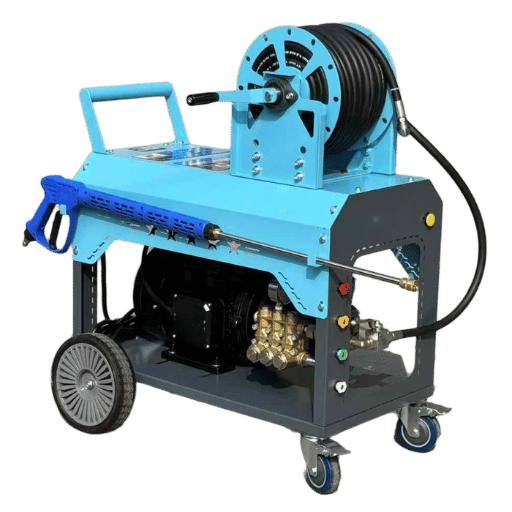
A tube side cleaning machine is a powered process tool that pushes a rotating flexible shaft through heat exchanger tubes to dislodge and remove internal fouling deposits. The worker places the shaft at one tube face, pulls it through the full tube length, and the cleaning head – brush, scraper, or polisher – removes buildup while water, air jets, or suction clears debris out the far end.
Tube-side fouling has a subtle yet important difference. Shell-side deposits grow on the outside of tubes within the bundle, often difficult to reach at baffles and tight spacings. Tube-side deposits build inside each individual tube, providing a clear path for mechanical cleaning tools.
Common types of deposits include calcium carbonate from hard water, biological (algae, biofilm, mussels in open loop cooling), corrosion products such as iron oxide, and hydrocarbon residue from refining. Each reacts differently to cleaning techniques—an important consideration when selecting equipment for specific cleaning applications.
Research from the U.S. Department of Energy estimates that heat exchanger fouling wastes American industry about 4.4 billion dollars annually in misused energy, added fuel costs, and unplanned shutdowns. Even a 1 mm thick layer of calcium scale can reduce thermal transfer efficiency by nearly 38%, reducing energy output across the entire system.
“It happens time and again: the operator ignores early signs until the pressure drop alarm goes off. By the time we get to the tubes, fouling has hardened and bonded to the wall. What should have been a 4-hour job turns into two or three days of work.”
— BOSHIYA Field Engineering Team
Tube Cleaning Methods Compared — Mechanical, Chemical & High-Pressure

Three basic types of tube-side fouling removal have established performance parameters; each fails if used outside of them. Selecting the wrong fouling removal technique may cause waste of time, damage to tubes, or incomplete cleaning. Factors considered when choosing the approach include: deposit hardness, tube metallurgy, permit factors, waste management regulations.
| Method | Best Application | Typical PSI Range | Tube Damage Risk | Turnaround Speed |
|---|---|---|---|---|
| Mechanical (brush/drill) | Soft-to-medium fouling, biofilm, loose scale | N/A (rotational) | Low | 5–30 sec/tube |
| Chemical (circulation) | Calcium scale, rust, organic fouling | Circulation pump dependent | Medium (acid corrosion) | 4–24 hours per cycle |
| High-Pressure Water Jetting | Hard scale, heavy hydrocarbon, blockages | 10,000–40,000 psi | High (erosion at thin walls) | 3–5 sec/linear ft |
Mechanical cleaning offers an economical solution on tubes that experience normal, routine maintenance. A rotating brush or lance scrapes tube inner wall without producing chemical waste streams. It cannot be used on calcium or silica-based products with hardness beyond Mohs 4—the brush just glides over it.
Chemical cleaning is a dissolving process in which Circulations of acid or alkaline circulating solution chemically breaks down deposits. It accommodates complex geometries and hard-to-reach areas that mechanical tools cannot reach. Downsides: time-consuming soaking of lengthy, hazardous waste containment issues, and the danger of acid attack to tube wall thickness. Local discharge permits and OSHA limits pre-designated emission standards introduce additional regulatory hurdles.
High-pressure cleaning via water jetting, at pressures between 10,000-40,000 psi, dissolves calcium scale in 3-5 seconds per linear foot. It is most effective on heavy fouling pipe where mechanical methods prove too slow. One risk is damage to tubes—especially thin-walled titanium or copper. Operator training in accordance with ASME criteria for high-pressure mechanical cleaning is critical.
💡 Pro Tip
For persistent calcium deposits, use a combo approach: give the structure a brief acid soak (30-60 minutes) to loosen the outer layer, finishing with a mechanical brush pass. This hybrid approach cuts chemical amount by 60-70% and minimizes disposal expenses.
Key Specs When Selecting Tube Cleaning Equipment
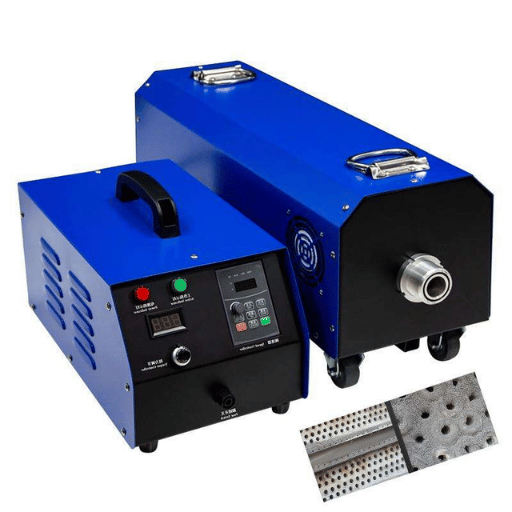
Picking tube cleaning equipment without first double-checking specifications versus your actual tube bundle guarantees a misfire. We have tested units all the way from tube IDs of 15 mm to 50 mm; sub 19 mm, only flexible-shaft configurations deliver uniform control pressure against the tube wall. Rigid-lance systems lose efficacy on small-diameter tubes because the cleaning head can’t stay true to tube curve.
Here are the seven specifications to verify before placing an order for any tube side bundle cleaner:
- ✔ Tube ID range (mm): Confirm the machine covers your smallest and largest tube diameter, especially small diameter tubes below 19 mm. Standard range is 12–50 mm.
- ✔ Tube length capacity: Match shaft length to your longest exchanger. Common options: 3 m, 6 m, 9 m, and 12 m shafts.
- ✔ Drive type: Pneumatic (air-powered, spark-free for hazardous areas), hydraulic (high torque for heavy-duty fouling), or electric (portable, lower maintenance).
- ✔ Cleaning head compatibility: Brushes, scrapers, polishers — verify that cleaning heads match your shaft model connection.
- ✔ Portability & weight: Cart-mounted systems suit shop environments. Handheld units under 8 kg improve operator comfort during field and shipboard access.
- ✔ Motor RPM and torque: Higher RPM (800–1500) for soft fouling. Higher torque at lower RPM for hard scale.
- ✔ Safety features: Auto-shutoff on shaft jam, torque limiter to protect thin-wall tubes, dead-man trigger.
⚠️ Important
Small-sized brush rotates loosely inside the tube without making wall contact. The operator observes the shaft rotate and presumes cleaning is in progress – but zero fouling is removed. Always verify brush fit on a sample tube prior to initiating a full bundle run. The correct brush should require mild manual pressure to push it through a clean tube segment. Consult heat exchanger maintenance literature for sizing by tube and pipe standards.
Industrial Applications — Refinery, Power, HVAC & Marine

tube-side cleaning technology reduces exchanger refurbishment time by 40-60% over full chemical circulation – and that speed advantage manifests differently in each industry. Here are the four segments exhibiting our team’s highest demand, each with its unique fouling combination and cleaning requirements.
🛢️
Oil & Gas Refineries
Exchanger bundles in crude preheat trains, fin-fan coolers, and overhead condensers. Leading causes of fouling: hydrocarbon coke, exhaust residue, and corrosion by-products. cleaning schedule: every turnaround (12-24 months). Essential spec: hydraulic drive for high-torque removal of baked-on oilfield deposits.
⚡
Power Generation
Boiler tubes, steam condenser tubes, and feedwater heaters in coal, gas, and nuclear facilities. Leading causes of fouling: calcium deposits and iron oxide. cleaning schedule: every three months to annually. Critical spec: extended shaft length (9-12 meters) for boiler tube cycles.
❄️
HVAC & Chiller Plants
Chiller barrels and cooling tower condensers in commercial complexes and district cooling networks. Leading causes of fouling: biofilms and mineral deposits. cleaning schedule: semi-annually. Key spec: lightweight portable units – technicians transport equipment between floors.
🚢
Marine & Shipboard
Seawater heat exchangers and lube oil coolers on ships and subsea platforms. Main fouling factors: biological colonization (barnacles, mussels) and salt deposits. cleaning schedule: each dry-dock or operational interval. Critical spec: pneumatic drive (spark-free in classified zones).
In each of these applications, the theme is access. Tube-side mechanical cleaning needs just one exposed tube sheet face. That involves fewer reassemblies, shorter outages, and less confined-space entry than shell-side approaches. For oil and gas facilities and manufacturing sites with tight turnaround demands, this margin equates directly to profits preserved.
How Much Does Tube Cleaning Equipment Cost?

pricing for tube cleaning equipment varies significantly according to drive type, accessory stock, and target duty cycle. Figures below are representative of 2025-2026 distributor quotations and our individual buying experience.
| Category | Price Range (USD) | Includes |
|---|---|---|
| Portable handheld | $2,000–$8,000 | Motor + 2 shafts + brush set |
| Mid-range cart system | $8,000–$25,000 | Drive unit + shaft set + cleaning accessories |
| Heavy-duty industrial | $25,000–$80,000+ | Hydraulic drive + full accessory kit + lance |
Next, budget for consumables post-purchase. Replacement brushes sets are $150 – $400 depending on diameter and brush material (nylon, brass, stainless steel, or carbide-tipped). Flexible shafts will wear – expect to replace a shaft every 500 – 800 hours operating life normal. A replacement shaft runs $200 – $600. Add filter elements, water treatment if your cleaning system is a recirculating systems – these consumables are small but significant across an efficient annual maintenance plan.
$150–$400
Brush set replacement
500–800 hrs
Shaft service life
2–3 cycles
Break-even vs outsourcing
The cost of ownership calculation is straightforward: if your plant operates three or more cleaning cycles per year inhouse equipment is cost neutral in the first year. For a cleaning system operating twice a year, amortization is 18 – 24 months. Don’t forget the high cost of contractor scheduling efficiencies during turnarounds – each day of exchanger downtime costs far more than the machine itself. See our tube cleaning equipment series for current pricing and configuration options. The DOE fouling cost study provides context on the financial impact of deferred industrial pipe cleaning across U.S. industry.
Maintenance Tips to Extend Machine Life

A tube cleaning machine is a precision rotating tool – handle it accordingly. Our team tracked shaft failures across 200+ installations over three years—case studies from these sites confirm a clear pattern. Sites performing a simple post-job inspection had zero shaft failures. The rest? Corrosion lock-up in six weeks was the standard failure mode.
Follow these five practices to maximize the output from your equipment as defined by industrial standards:
- 1. Flush shafts with fresh water after every job. Residual process fluid — especially seawater or acid — corrodes the inner wire core. A 60-second rinse prevents it and supports passivation of metal surfaces.
- 2. Inspect brush bristle wear — replace at 30% loss. Worn bristles reduce contact pressure. Remove the cleaning head and compare against a new accessory.
- 3. Lubricate flexible shaft couplings per manufacturer interval. Dry couplings increase friction, overheat, and eventually seize.
- 4. Store in a dry, temperature-controlled environment. Humidity accelerates corrosion on exposed metal surfaces. A simple equipment cabinet is enough.
- 5. Log run-hours per shaft. Track cumulative operating time and replace shafts proactively before the 800-hour mark. This single habit has kept our industrial field team at zero unplanned failures for three consecutive years.
How to Get Started with BOSHIYA Tube Cleaning Solutions
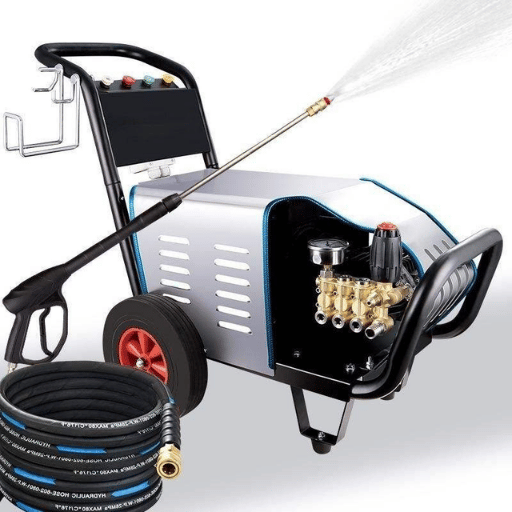
Based on your tube bundle drawings, we will select the best tube cleaner. Send us the tube sheet layout, tube OD/ID, tube length, and explanation of the fouling pattern – our engineering team will match the best machine, shaft, and cleaning head to your specific exchanger.
Three steps to get moving:
1. Review the full product range. Use the BOSHIYA tube side bundle cleaner page for specifications, demo videos, and accessory options.
2. Request a spec sheet or demo video. Every machine model has a dedicated spec file with technical drawings, torque curves, and recommended cleaning head pairings.
3. Reach out to our engineering team. To get site-specific input, our engineers will examine your tube bundle specifications and fouling history to recommend the correct solution – free of guesswork.
Frequently Asked Questions
Q: How does a tube side cleaning machine work?
View Answer
A rotating flexible shaft powers a cleaning head – brush, scraper, or polisher – within each tube. A technician feeds the shaft from the tube sheet face. The head moves across the entire tube length, agitates deposits, and clears debris with air or water. Cycle times per tube range from 5 to 30 seconds depending on fouling and tube diameter. Nylon brushes handle soft biofilm, brass brushes work on medium calcium buildup, and carbide-tipped cutters tackle hardened mineral scale above Mohs 4.
Q: What size tubes can these machines handle?
View Answer
Most industrial tube cleaning machines service tube internal diameters between 12 mm ( in) and 50 mm (2 in). Larger process vessels and cylinder-shaped units with tubing above 50 mm will usually use high-pressure water jetting instead of brushing. Always double check the minimum and maximum diameter capacity prior to order placement.
Q: What is the approximate cost for tube side cleaning?
View Answer
equipment purchase costs range from as little as $2,000 for a portable hand-carried unit, to $80,000 or more with a hydraulic system used for heavy-duty (>10,000 psi) applications. Outsourced service—per-tube service and repair—costs $3 to $12 depending on tube diameter and fouling type. In-house ownership and operation usually breaks even in about 2 to 3 turnarounds per year.
Q: Can a tube cleaning machine remove hard calcium scale?
View Answer
Yes. Carbide-tipped or diamond-tipped cleaning cutters can remove calcium carbonate and silica scale. For extremely hard deposits (>Mohs 5), maintenance crews combined heavy-duty mechanical pre-scraping and brief acid exposure using diluted application of deposit to loosen material before progressing with the machine.
Q: Are there video demonstrations of the cleaning process?
View Answer
Yes. Visit the tube side bundle cleaner page for embedded demo clips showing real fouling removal on refinery and power-plant exchangers.
Q: Is buying a tube cleaning machine worth it versus outsourcing?
View Answer
For installations with three or more annual cleaning cycles, owning a machine reduces individual event costs by 50 to 70 percent and avoids contractor scheduling bottlenecks experienced during turnarounds. For less frequent or single-use applications, outsourcing to a specialist is more cost-effective.
References & Sources
- The Cost of heat exchanger Fouling in the US Industries – U.S. Department of Energy / OSTI
- Permit-Required Confined Spaces (1910.146) – OSHA
- The Mechanical Cleaning of Fouled Heat-Exchanger tubes – ASME Digital Collection
- 15th heat exchanger Fouling & cleaning Conference (2024) – Taylor & Francis
- Fouling Mitigation Using Helixchanger heat exchangers – Heat Exchanger World
- Engineering Standards Manual – Pressure Safety – Los Alamos National Laboratory
About This Buyer’s Guide
The following presentation of data has been obtained from field applications of heat exchanger in areas of refinery and power plant equipment. The pricing data shown are the 2025-2026 distributor quotations used and from our internal purchasing logs. The Boshiya Group is producer of tube side bundle cleaning equipment – relevant content has been included, additional third-party tube and pipe cleaning methods and costs have been provided for comparison.
![Polypropylene Resin: Grades, Types & Selection Guide [2026]](https://boshiya.com/wp-content/uploads/2026/05/0-150x150.webp)