Get in Touch with BOSHIYA

Bundle Puller vs Hydraulic Jack: A Comprehensive Comparison

A closer look at heavy-duty equipment and tools used in the various sectors helps in understanding the advantages and disadvantages on why those tools and equipment are used in that sector or application. For instance, many people may be having a hard time choosing between two products in the same category; a bundle puller and a hydraulic jack. So which is the most appropriate one for such use and why? This article takes apart these two tools, and does a comparison referencing major characteristics as well as how these tools function, and where they can be applied. It does not matter whether you only work in such areas or you would love to engulf yourself in such knowledge because this book contains the pros and cons of each and every item, therefore aiding you to select what is the best fit for you.
Contents
show
Introduction to Bundle Pullers and Hydraulic Jacks

Both bundle pullers and hydraulic jacks are helpful for force applied, lifting or mobility for large and heavy objects, but the way in which they are used differs. The main function of Bundle pullers is in industries and on maintenance sites where there is a need to remove or force into the bundles–tubes or other such elements, with control and precision. Hydraulic jacks, in contrast, are lifting equipment that utilize the force created by the hydraulic pressure to lift weight and they can be used for lifting or supporting loads during autos, buildings or in repair works. Although, there is no doubt that the two tools are highly efficient in handling heavy loads, it is the activity that is being undertaken that dictates which of the two tools is recommended as the strong bundle pullers are recommended for situations that involve pulling or aligning of packed materials while the hydraulic jacks are more advantageous where one needs to lift and carry heavy weight.
Tool Overview
Overview of Bundle Pullers
Bundle pullers are specialized tools used in the efficient handling, cutting, or aligning of bundled materials. The material is commonly used in industries such as manufacturing, cable installation, and construction, necessitating the precise manipulation of grouped objects. Their typical strong and ergonomic design guarantees a secure grip and control during operation. Nowadays, the focus is more on enhancing durability and application of material as well as the incorporation of advanced mechanisms for a smoother and faster-to-handle performance.
Highly searched terms surrounding bundle pullers would cause attention to flow more than the aim to streamline the workflow, particularly in such high-demand sectors as telecommunications and heavy machinery, involving cable-handling duties, pipe laying, and assembly lines. Either for industrial purposes or on-site jobs, the bundle puller proves essential to improving productivity and safety, thereby establishing itself as a cardinal device in numerous technical fields.
Tool Overview
Overview of Hydraulic Jacks
Hydraulic jacks are machines that lift large loads by exerting force from hydraulic pressure. They are based on Pascal’s principle, whereby if one applies pressure to a confined fluid, it is transmitted in all directions. Hydraulic jacks are well experienced in their use throughout the automotive, construction, and industrial industry and in their ability to cater to lifting up automobiles, heavy machinery, and various other cumbersome materials.
They come in the category of bottle jacks, which offer the advantage of compact size and easy use, and floor jacks that have low heights for maximum stability. They are highly preferred because of efficiency, dependability, and their ability to accomplish what would be physically impossible without the aid of machines. On the other hand, regular maintenance like the normal cycle of oil payments and checking for leaks is a must for those who operate on a good scale to maintain high standards of their hydraulic jacks.
Industrial Context
Importance in Industrial Maintenance
Hydraulic jacks and/or bundle pullers, due to their precision duty activities and heavy multi-task that provides significant interest in the area of industrial maintenance, have become indispensable tools to planners of heavy equipment, assisting in safe lifting of big components and in the positioning or shifting of big parts within the market. Whenever joined as part of the maintenance procedures, their integration results in rapid processing of the work and the remarkable increase in industrial productivity, particularly in areas like construction, manufacturing, and oil/gas, etc.
Hydraulic jacks are very much important when it comes to the repair and inspection of a piece of very large equipment where machinery needs that ultimate level of controlled stable power that these jacks afford for moving. Any handling method or lifting that is incorrect can be disastrous for the machinery being lifted and representatives of the workplace. Consequently, likewise, bundle pullers are devices that carry out the disengaging or recovering of the heat exchanger tube bundles rather speedily, something that relates closely with an application within industries whereby it would ensure efficient thermal systems.
Regular equipment maintenance will certainly add more years of life to specialized machinery and maintenance tools like mechanical hydraulic jacks and bundle pullers. These essentials save downtime, enhance safety measures, and have a good bearing on the cost-effective maintenance programs. Training is important to make the best use of these tools while also checking the maintenance schedule for further productive operation.
Analysis
Key Differences Between Bundle Pullers and Hydraulic Jacks
Operational Mechanisms
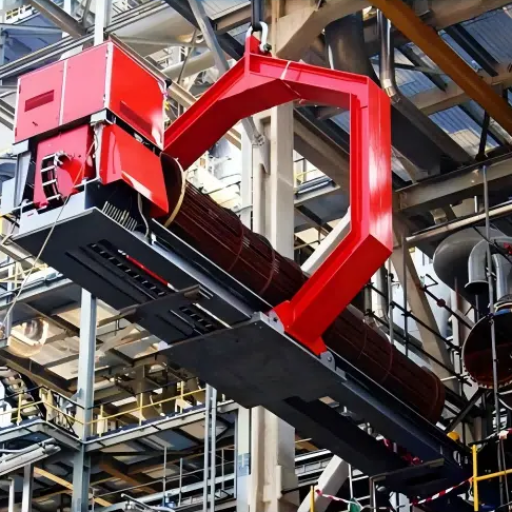
Bundle pullers utilize a totally different mechanism than hydraulic jacks because each is directed at the specific set of applications its intended for; the bundle puller uses a combination of some form of mechanism to grip, while hydraulic or mechanical force is exerted or withheld to either withdraw or insert bundles. In this industry, they have been designed to precisely take the load of their equipment securely and to avoid damage to the machinery they are servicing from the stress that they exert.
Hydraulic jacks, on the contrary, use hydraulic fluid pressure to move heavy loads vertically. They use extremely simplified systems of hydraulics which are standalone in most cases with a cylinder piston, enabling easy force multiplication. They are usually employed in automobiles and constructions for lifting while hydraulic jacks are not intended for lateral movement like bundle pullers.
The application of either tool can result in a drastic reduction in the amount of manual labor while enhancing productivity in an industrially harmonized team. The two options address broadly different tasks, orientation and ascent. The applicability and utilization of a tool depend upon the circumstance prevailing in a specific industrial-situation phase.
Load Capacity and Performance
| Attribute | Bundle Pullers | Hydraulic Jacks |
|---|---|---|
| Primary Motion | Horizontal / Lateral | Vertical / Lifting |
| Load Range | 10 – 100 tons (model dependent) | 2 – 200+ tons |
| Force Type | Hydraulic / Pneumatic pulling force | Hydraulic pressure multiplication |
| Primary Use | Tube/pipe bundle extraction | Vehicle & structural lifting |
| Key Feature | Precision grip & controlled extraction | Safety valves, stable vertical support |
| Industries | Oil & Gas, Power, Chemical | Automotive, Construction, Manufacturing |
Bundle Pullers
Bundle pullers are generally common in the respective sectors, concerning lateral removal of large-sized loads such as tubes, pipes, or sometimes cables. The size mainly operates from 10 to 100 tons, depending upon the model and maker of the puller. High-capacity bundle pullers have fantastic hydraulic or pneumatics systems put by design, managing precision control over the extrication process with minimum risk to the goods due to disarray. For example, the high load bundle pullers designed specifically for maintenance of heat exchangers are highly advanced and are effective in extracting bundles and are often customizable with various settings for various operations dictated by special requirements. Some advanced features might include increased pulling speed and improved grip strength, which would further enhance performance.
Hydraulic Jacks
The hydraulic jack is distinct from multiple pullers. The former is chiefly designed for vertical motion and is often used in auto repair and heavy construction activities—such as lifting vehicles, structural supports, or some other bulky loads. The load capacity of hydraulic jacks can be quite modest, ranging from 2 tons for lower-capacity portable jacks to heavyweights with a lifting capacity of more than 200 tons in some industrial applications. While bundle pullers function through horizontal forces, hydraulic jacks operate through the multiplication of hydraulic pressure for their vertical force. Modern and heavy-duty hydraulic jacks are often equipped with safety valves for the prevention of exceeding the rated capacity, thereby ensuring safe-operation in demanding situations.
Specialized Application
Applications in Heat Exchanger Maintenance
Different confessions occupy separate places in conservation, while bundle pullers belong to one of the exclusive gadgets, the other includes hydraulic jacks. Both together ensure the effective handling and repair of exchanger parts. Such pullers are used to remove and reinstall tube bundles, which is often very difficult and hard work. Their advanced gripping mechanisms and controlled pulling strengths are beneficial in avoiding any damage during bundle removal and guarantee safety during heavy industrial-scale applications. The latest of these will easily tackle thousands of pounds or even more tube bundles grown larger in size, hence, in some sense, guaranteeing the process of maintenance to be procedural with respect to time and security, being extra urgent.
A critical consideration when looking at the usage of hydraulic jacks in maintenance of heat exchanges is that many operations need vertical support, such as removing or aligning the shell or holding up heavy components during repairs. Hydraulic jacks, with high-load capacities and safety features, provide stable and precise work for tasks involving vertical force, where handling delicate or heavy machinery is necessary.
Each tool addresses specific challenges in the maintenance process. Tube bundle power pulls are great for horizontal extraction and insertion while hydraulic jacks are apt for vertical lifting and alignment. Together they ensure that the maintenance works harmoniously, minimizing the likelihood of downtime and maximising reliable equipment operation in the industrial environments. The integration of modern technological advantages in both tools continually improves these with respect to safety, efficiency, and user convenience.
Practical Applications
Use Cases and Scenarios
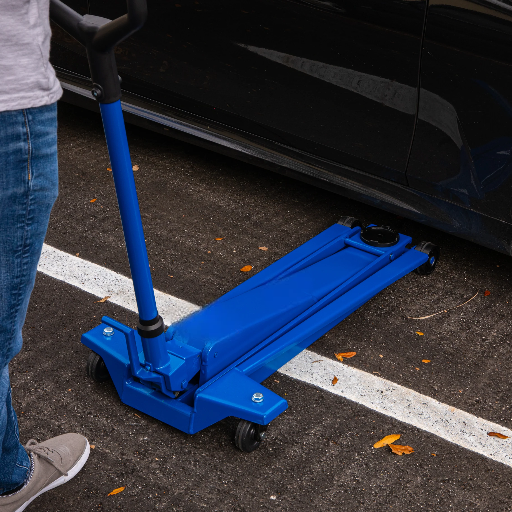
Heat Exchanger Maintenance with Bundle Pullers
Heat exchanger maintenance is not as effective without the help of bundle pullers, which pave a smooth way to take out and install the tube bundles during the cleaning, inspection, or repair process due to their much ease in all operations. It, thus, allows for less manual labor, higher safety, and greater effectiveness. These devices have wide applications in oil and gas, chemical processing, and power generation. Be stressed that bundle pullers may be manual, hydraulic, or rotary systems, offering true versatility for miscellaneous maintenance stipulations with the accordingly varied capability.
Bundle pullers are useful with due preparation. Among other things, this is ensuring that the exchanger is properly positioned and that the equipment is locked to prevent movement during the operation. Hydraulic bundle pullers are best suited in cases where larger heat exchangers present, as they will give the perfect degree of force and accuracy as they lift heavy and partly sieved bundles. Portable, and thus motorized, pullers are however more ideal in the case of comparatively close confines, giving the technicians the room to move in whatever manner is necessary in a difficult atmosphere.
Employing bundle pullers reduces risks intertwined with traditional manual methods, as in muscle fatigue and damage to equipment. Also, pursuit in making it a part of the maintenance works on minimizing working hour losses and averting regulatory violations. The new technology developed by bundle-by-bundle pulls from a shift to better maintenance practices across plants can ensure longer heat exchanger life spans with uninterrupted performance and sustained value that plants depend on for their critical systems.
General Heavy Lifting with Hydraulic Jacks
Hydraulic jacks are calls for multiple heavy liftings; now, they are efficient and control-supported machines, especially for those pertaining activities performed in the field or business, or on a car. These jacks stand to take advantage of applying Pascal’s principle, referring that at continual pressure to that confined fluid bears equal force in all possible directions. Knowing that hydraulic jacks require such minimal energy to bear the weight of heavy cargo, they forcibly push in turn.
Hydraulic jacks offer precise loading abilities for heavy lifting in a secure manner. They offer smoother operation than the traditional mechanical jack, higher payload, and lesser application intensity. A modern search bias stands with doubts about the longevity of durability and the liability for hydraulic jacks. Maintenance, such as periodical fluid checking and cleaning, is essential for the longevity and productive maintenance work. Following this adherence to safety protocols, like using the correct-rated jack and jack stand for lifting, will add more promise to their reliability. Hybridizing heavy lift operations with hydraulic jacks enables industrial actors to find safe, efficient, and cost-effective tools for very arduous tasks.
Specific Industry Applications
Pulling cables, back drags, and other hydraulic jacks, with well optimization for heavier-than-usual loads in various industries, results in enhancing all operational functions.
| Industry | Bundle Puller Application | Hydraulic Jack Application |
|---|---|---|
| Power Generation & Maintenance | Take bundles off and replace them during maintenance in power plants | Lifting and positioning of equipment for precise alignment and secure handling |
| Construction | — | Lifting heavy structures, supporting bracing, and aligning components |
| Manufacturing | Holding industrial equipment together; installation and preventative maintenance | Machinery installation and equipment repair |
| Oil and Gas | Maintenance of pipelines, pressure vessels, and big heat exchangers | Operation and maintenance of large industrial systems |
The use of bundle pullers and hydraulic jacks in these industries fundamentally enhances productivity, which, in turn, makes operational efficiency and safety possible.
Operational Standards
Best Practices for Safe Operation
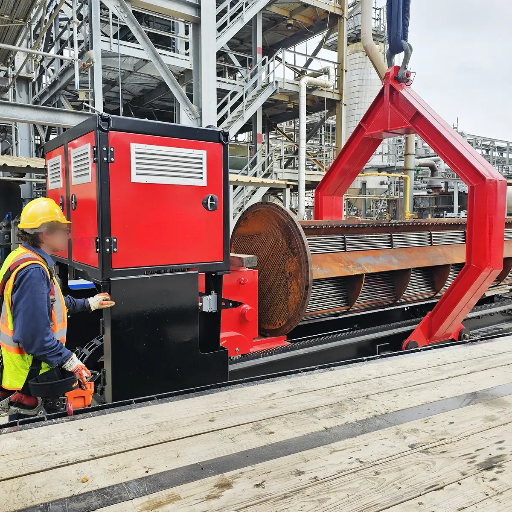
Safety Protocols for Bundle Pullers
- Inspect Equipment Before Use: Inspect the bundle puller thoroughly before use to ensure that there are no visible signs of any damages, wear, or malfunctioning and that all its components are in a good working condition.
- Follow Manufacturer Guidelines: All manufacturer instructions for weight limitations, operational process, and maintenance requirements should strictly be adhered to when the bundle puller is in use.
- Use Proper Protective Gear: Make sure to wear the safety goggles, gloves, and hard hats more or less for everyone in and around the bundle-puller group.
- Secure the Work Area: Clear the area of any other personnel or obstacles to lower the risk of injury during operation.
- Communicate Effectively: Keep the team in touch for organized processing or situation handling for any potential danger.
- Avoid Overloading: Do not overload the puller beyond its load-carrying capacity in order to prevent any equipment failure or accident.
- Follow the Scheduled Maintenance: The schedule was made just so the employees knew their times when applicable maintenance should be carried out to sustain them in an optimum condition and preclude mechanical failures.
- Emergency Readiness: Create an emergency plan and be prepared to encounter issues regarding potential action from the operator during operation.
By observing these protocols, one can say, effective and safe use of the bundle puller can be ensured while cutting or minimizing human, capital, and environmental risks and professional workplace safety.
Safety Protocols for Hydraulic Jacks
- Check Before Operation: Always examine for wear or damage on the hydraulic jack like jimmying, cracks, breakages, or other deformations before use.
- Stable Surface: Keep the jack on a surface which is level and solid while raising.
- Do Not Exceed Load Capacity: Strive to maintain the load capacity while using the jack to ensure the safest performance and maximum durability.
- Proper Positioning: Align the jack beneath the company’s Recommended Loading Point, or specific load orientation.
- Secure the Load: Use jack stands or other weight-supportive devices to stabilize the load with no reliance on the hydraulic jack.
- Always Read The User’s Manual: Read the product material. Please do not be in a rush and start using it upon your own discretion.
- Always Store in Dry Storage: Once you’re done, make sure you clean the jack and store it in a dry place in order to avoid rust and extend its life.
Hydraulic jacks can work with minimal accident or injury risks when essential safety measures are implemented.
Training and Certification for Operators
Correct instruction and issuance of a valid certification are very important to ensure the safe and efficient operation of these equipment by the workers or operators who are using them. They should be well versed in equipment, operations, the capability and limits and its safety functions and so on. Training programs should cover matters like setting parameters for defining correct setup, load limits, emergency procedures, maintenance, and later repairs. Certification proves that the operator fulfills industry specifications and knows how to safely operate the equipment, hence minimizing the risk of accidents and misuse.
The leading cause of such occupational injuries caused by these machine types as lockouts, bundling machines, and jacks were: no training or certification of operators. Notably, educational needs in this area are highlighted by the OSHA with other governing organizations. Provided that the operators are certified and well trained, employers knowingly contribute significantly to liabilities and improve productivity.
Decision Guide
Factors to Consider When Choosing Equipment
Reference Sources
-
AutoJack-Hydraulic Powertrain System
This academic project discusses the design and efficiency of hydraulic systems compared to traditional jacks, providing insights into their applications and advantages. -
Multi-Purpose Hydraulic Puller for Under-Chassis Servicing
This paper compares hydraulic pullers with mechanical systems, focusing on their usability and efficiency in servicing under-chassis components. -
Design and Fabrication of a Remote Controlled System for a Hydraulic Jack
This document explores the design and applications of hydraulic jacks, emphasizing their role in lifting heavy equipment. -
Hydraulic Comportment Puller
This study examines the mechanics and material considerations of hydraulic pullers, comparing their performance to other systems. - Bundle Puller
Common Questions
Frequently Asked Questions (FAQs)
How does a tube pull compare to a hydraulic tube bundle extractor in function?
The difference between tube pulling and hydraulic bundle extraction is maintenance. Although both are manufactured for the purpose of pulling one or more tubes from tube sheets, the bundle extractors (also termed tube pullers or tube extracting machines) frequently have an advanced high-pressure hydraulic circle for construction on heavy boiler and heat exchanger work applications with continuous stroke control. A small manual foot-operated or electric tube puller is applicable for smaller jobs, whereas a hydraulic bundle extractor using a power pack or diesel setup can provide more forceful bite and capacity for stuck tubes.
Can a self-driving tube extractor be used to remove tubes from large boilers?
A self-propelled self-contained bundle extractor or single operator mechanical bundle extractor is specially engineered for applications that are too big for examples given would include boiler and heat exchanger maintenance and an array of different industrial applications. Normally the units are truck mounted, or else simply a one-man machine with outriggers and possibly also part steer for aiding position movement; then perhaps safe extraction of tubes from their corresponding tube sheets in a compact installation.
Which accessories and mountings can be considered safe to go with a tube pulling and bundle tube extraction attachment?
There are commonly used accessories like collets or spears and perhaps interchangeable mounts, extension tubes, and remote control. Their specific compatibility, so it is thought, must be made available allowing one the attachment to be applied to various tube diameters or materialisation. Look for compatible collet bite sizes and mounts or positioners and attachments up high width-wise, if for crane use or hoisted removal.
Can a single operator work with a bundle extractor safely and what type of tools should he have at hand concerning maintenance?
For single-operator use, many designs for the latest hydraulic tube bundle extractors offer remote control, automated functions, and safety locks and switches. Regular maintenance consists of checking hydraulic hoses and circuits, power pack oil changes, checking collets and spears for wear, and checking outriggers and mounts to further ensure safe operation.
When should the preference be for truck mounted or aerial-mounted tube pullers?
Truck mounted or aerial solutions are usually picked in order to work with tubes up high or while needing to shift around multiple work locations. Onboard units in the case of trucks usually come complete with power packs and crane attachments or aerial-type installs to orchestrate the assembly, removal, and transportation of the tube bundle extractor and accessories.
![Polypropylene Resin: Grades, Types & Selection Guide [2026]](https://boshiya.com/wp-content/uploads/2026/05/0-150x150.webp)