Get in Touch with BOSHIYA

Blast Furnace vs EAF: Which Is Right for Your Steel Plant?

Blast Furnace vs Electric Arc Furnace (EAF): A Sustainable Steelmaking Guide for the Steel Industry
Contents
show
Whether creating a new steel plant or reassessing a major capacity expansion, the choice of blast furnace (BF-BOF) versus electric arc furnace (EAF) steelmaking will shape the capital cost, environmental footprint and product mix of your project for the next 30–50 years. This comparison considers both approaches in all respects of interest to plant engineers and project developers: from process chemistry to procurement cost.
Blast Furnace vs. EAF — At a Glance
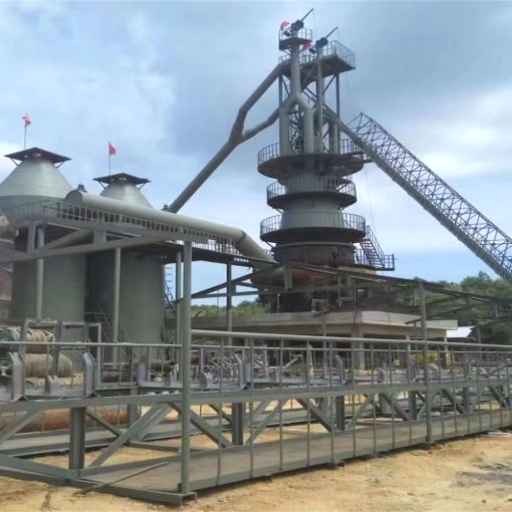
Both routes dominate the global steel industry but start from very different raw materials, energy sources, and carbon profiles. For an overview of various steel plant configuration options across both routes, see our plant overview.
| Parameter | Blast Furnace (BF-BOF) | Electric Arc Furnace (EAF) |
|---|---|---|
| Primary feedstock | Iron ore + metallurgical coke | Steel scrap and/or DRI |
| Energy source | Coke combustion + oxygen injection | High-current electric arc (graphite electrodes) |
| CO₂ per tonne of steel | 2.34 tCO₂/t (2024) | 0.69 tCO₂/t scrap-EAF (2024) |
| Typical plant CAPEX | $1–3B+ (integrated greenfield) | $200–700M (mini-mill) |
| Global share (2024) | ~72% of world steel | ~28% globally; 70% in the USA |
What is the difference between a blast furnace and an EAF?
The blast furnace is an integrated iron making process, converting iron ore into liquid pig iron using coke and large quantities of oxygen at temperatures above 1,500°C. This liquid pig iron then flows to a basic oxygen furnace (BOF) where large quantities of oxygen are blown through it to refine it into steel. An electric arc furnace bypasses iron making entirely it heats steel scrap or DRI, and produces liquid steel directly by electric arc heating as opposed to coke and oxygen consumption (iron ore based). The BF-BOF route is iron ore-based and carbon-intensive whereas the EAF route is feedstock flexible and emits ca. 70% less CO per tonne of steel.
🏭 BF-BOF Strengths
- Reliable high-volume output (4–12 Mt/yr per plant)
- Not dependent on scrap availability
- Established supply chains for ore + coke
- Proven for ultra-wide product range including specialty grades
⚡ EAF Strengths
- 3.4× lower CO₂ emissions per tonne of steel
- Lower CAPEX — viable at 300k–1.5 Mt/yr scale
- Can halt and restart quickly (demand flexibility)
- Recycles scrap — aligns with circular economy mandates
How Each Steelmaking Process Works: Blast Furnace + Basic Oxygen Furnace (BF-BOF) vs. Electric Arc Furnace (EAF)
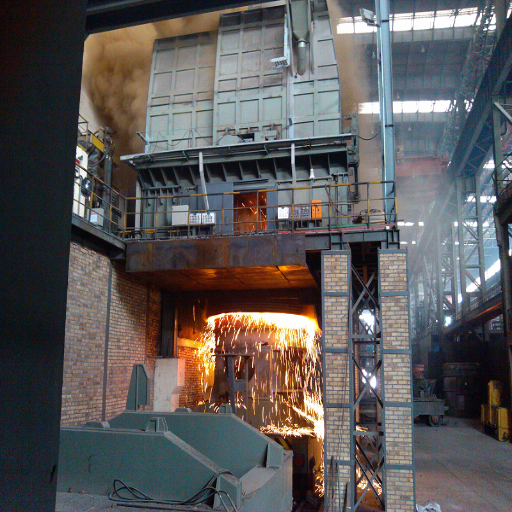
The BF-BOF Route (Integrated Steelmaking)
Blast furnace ironmaking begins with the charging of iron ore pellets or sinter (containing iron oxide) into the top of the blast furnace, mixed with metallurgical coke and limestone. Hot preheated air (so called “blast”) enriched with oxygen is passed into the furnace through tuyers at the bottom. Combustion of coke generates temperatures above 1,500°C and produces carbon monoxide. This reduces the iron ore to liquid iron (pig iron). Injection of coal supplements coke as energy and reductant source and allows to reduce coke consumption significantly. Molten hot metal is tapped from the hearth every 4-6 hours and handed over to the basic oxygen furnace (BOF).
In the basic oxygen furnace, oxygen is blown through the hot metal at supersonic velocity via a water-cooled lance. This is the key process step that differentiates blast furnace and electric arc furnace routes: the BOF requires a continuous supply of liquid hot metal, whereas an EAF does not. During this process the oxygen oxidizes the excess carbon and unwanted impurities such as nitrogen, silicon, manganese, molybdenum, vanadium and chromium. Temperatures rise to 1,600-1650 C and the liquid becomes refined hot metal to steel within 20-40 minutes. This steel is then transferred from the BOF to a ladle furnace for secondary metallurgy, then to a continuous casting machine for slab, bloom, or billet production — followed by hot rolling in the casting and rolling mill.
🔧 Engineering Note — BF-BOF Parameters
Blast temperature: 1,000-1,250 C (heated stoves) | Hearth temperature: 1,450-1,550 C | Tapping cycle: every 4-6 hours | Coke rate: 350-500 kg/t pig iron | Oxygen injection: 450-550 m/t steel in BOF converter | Tap-to-tap BOF cycle: 30-40 min
The EAF Route (Mini-Mill Steelmaking)
Electric arc furnace steelmaking presents an alternative to integrated steel plants: EAFs melt scrap — or a blend of scrap and DRI — without the iron making step altogether. The charge is loaded into the furnace shell, then three graphite electrodes of UHP ( ultra high power) grade descend into the charge and strike a high-current arc, which heats and melts the steel at around 1,600 C. In addition to electrical arc heating, oxygen lancing and carbon injection are used in the refinemnt. Once the target steel chemistry has been achieved (carbon control, phosphorus removal), the time comes to tilt the furnace and blow the liquid steel into a ladle for secondary treatment at the ladle furnace station. As torrefied, melted steel scrap can be prepared in 45-90 min per heat, the flexibility advantage of EAFs compared to continuous blast furnace operations is clear.
🔧 Engineering Note — EAF Process Parameters
Tap-to-tap cycle: 45-90 minutes | Arc power (electric): 350-700 kWh/t steel | Total energy intensity: ~9.84 GJ/t (WorldSteel 2024) | Graphite electrode grade: UHP (ultra-high power) | Oxygen consumption: 25-40 m/t | Typical heat size: 60-300 tonnes | EAF operating temperature: ~1,600C
For a detailed technical breakdown of the EAF process, see our electric arc furnace steelmaking guide.
Raw Material and Oxygen Requirements: Iron Ore + Coke vs. Scrap Steel + DRI
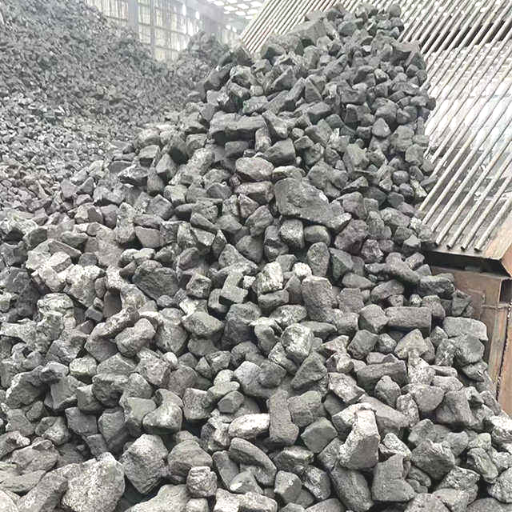
Raw materials used in each route differ fundamentally. BF-BOF requires iron ore and coking coal — finite natural resources. EAF steelmaking uses recycled ferrous scrap (or DRI) as its primary source of energy-efficient iron units, and can require less capital to build and operate in scrap-rich regions. This choice also offers a more sustainable way to manage material cycles in urban industrial settings. The availability and quality of ferrous scrap remain the key constraint many engineers underestimate when planning a new EAF operation.
| Input Material | BF-BOF (per tonne steel) | EAF (per tonne steel) |
|---|---|---|
| Iron ore / pellets | ~1.5 t | — |
| Metallurgical coke | ~400–500 kg | — |
| Steel scrap (ferrous) | ~150–200 kg (BOF coolant) | ~1.05 t (scrap-only route) |
| DRI / HBI | — | ~1.1 t (DRI-only route) |
| Oxygen (industrial) | ~450–550 m³/t | ~25–40 m³/t |
EAF’s recycle-based model converts scrap metal back into new steel products — reducing reliance on finite natural resources like virgin iron ore and coking coal. Scrap collected from demolished structures, end-of-life vehicles, and manufacturing offcuts forms the primary EAF feedstock in scrap-rich markets. However, this model comes with a practical catch: tramp element build-up (copper, tin, zinc from unsegregated industrial scrap mixes) in EAF heats can cap higher steel grades without DRI addition. When your access to scrap metal is weak or price-volatile, the EAF’s feedstock advantage softens. Our steel plant equipment guide covers raw material handling systems for both BF-BOF and EAF routes.
CO₂ Emissions and Sustainable Steelmaking: The 3:1 Carbon Gap Between BF-BOF and EAF
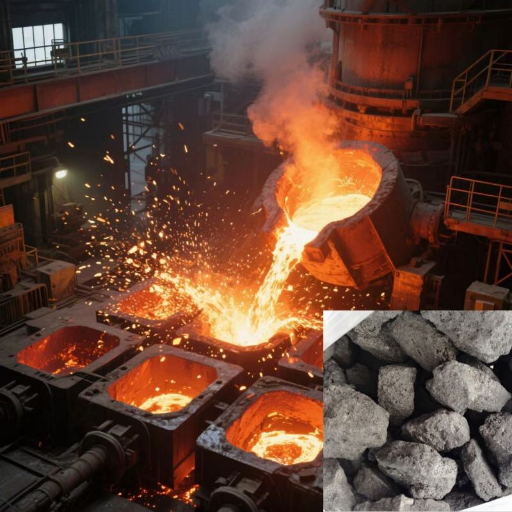
Carbon and greenhouse gas emissions (GHG) — and the CO2 emissions intensity behind them — have escalated into a procurement factor, not just an environmental one. EU buyers increasingly require suppliers to disclose the carbon footprint of purchased steel, acting on CBAM (Carbon Border Adjustment Mechanism), automotive scope 3 commitments, and green bond criteria. At the process level, the carbon comparison between BF-BOF and EAF is not subtle.
| Production Route | CO₂ (2022) | CO₂ (2023) | CO₂ (2024) |
|---|---|---|---|
| BF-BOF | 2.33 t | 2.33 t | 2.34 t |
| Scrap-EAF | 0.67 t | 0.69 t | 0.69 t |
| DRI-EAF | 1.36 t | 1.43 t | 1.47 t |
Source: WorldSteel Sustainability Indicators Report 2025. Units: tonnes CO₂ per tonne of crude steel. Covers scope 1, 2, and scope 3 category 1.
“BF-BOF steelmaking generated 2.34 tonnes of CO₂ per tonne of steel in 2024, compared to just 0.69 tonnes for scrap-EAF routes — a carbon intensity ratio of more than 3:1.”
— WorldSteel Sustainability Indicators Report 2025 (World Steel Association, November 2025)
This 3:1 Carbon Multiplier ratio persists through 2022-2024 data, even as BF-BOF operators continue to reduce coke usage. The implications are twofold: first, the CBAM system against imported steel gives a direct cost disadvantage to BF-route imports; second, increasing scope 3 budget requirements from major automotive OEMs mean that scalable low-carbon steel can only be provided by adoption of DRI-fueled EAF. DRI-EAF can do this sustainably.
Energy Consumption and Steel Production Efficiency
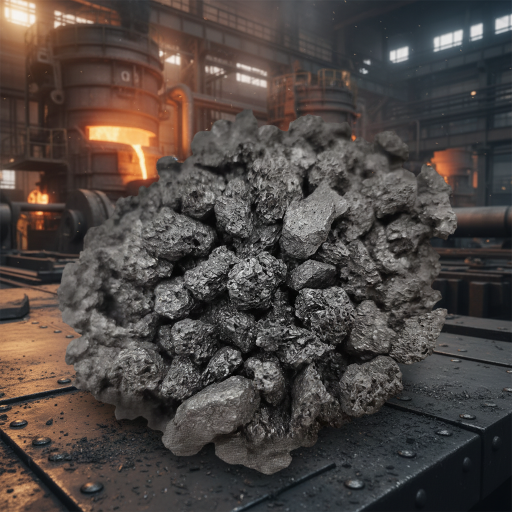
On a total energy basis, the energy intensity required for EAF steel making is roughly one-third that of BF-BOF. WorldSteel 2024 data shows scrap-EAF consumes ~9.84 GJ/tonne vs. 23.88 GJ/tonne for BF-BOF — a 2.4× gap in total process energy. Whether this translates to lower operating cost depends heavily on regional electricity tariffs and grid mix.
⚠️ Common Misconception: “EAF is always cheaper to operate”
This assumption breaks down in premium or fragile electricity markets. During the European 2022 energy crisis, electricity prices for industry peaked around 300/MWh. As an energy cost, this total $105-$210/tonne of EAF steel proved to be a major disadvantage compared to coke-electrified BF. Regional electricity tariffs are a sensitive variable: below ~$60-80/MWh, an EAF is the cheapest process; above that, the coke/electricity price differential becomes decisive.
However, a significant advantage of the EAF energy profile is its grid compatibility: an EAF uses electricity rather than fossil fuels, and requires less energy per tonne than the BF-BOF route. As renewable electricity penetration grows, scrap-EAF becomes a cleaner and progressively lower-carbon production route — with no equivalent decarbonization pathway for BF-BOF outside of carbon capture or hydrogen-DRI process substitution. EAFs may also curtail during grid peak and restart within minutes, offering demand response benefits that further reduce electricity cost and facilitate a more sustainable route to produce steel at scale.
Capital Investment and Operating Cost Comparison
CAPEX (capital expenditure), is a natural first cut for any feasability analysis. On this metric, a wide chasm exists between routes. Recent genuine capital runs demonstrate these benchmarks.
| Cost Factor | BF-BOF Integrated Mill | EAF Mini-Mill |
|---|---|---|
| Greenfield CAPEX | $1–3B+ (1–5 Mt/yr) | $200–700M (0.3–1.5 Mt/yr) |
| Construction time | 5–8 years (full integrated) | 2–4 years |
| Primary OPEX driver | Coke + iron ore (~60–70% of OPEX) | Scrap + electricity (~65–75% of OPEX) |
| Minimum viable scale | ~2 Mt/yr (economies of scale) | ~300k t/yr (compact mini-mill) |
| Recent real projects | — | Hyundai Louisiana: $5.8B / 2.7 Mt; Tata Steel Port Talbot: $1.6B / 3 Mt |
For project developers, the EAF’s lower minimum viable scale reduces payback period and accelerates project cash flows, minimizing financing risk – especially in steel markets where additional demand is insufficient to support a 4+ Mt/yr integrated facility. To model production volumes and layout options, use our steel plant cost estimator.
Steel Quality and Product Range: Does Your Furnace Choice Limit Output?
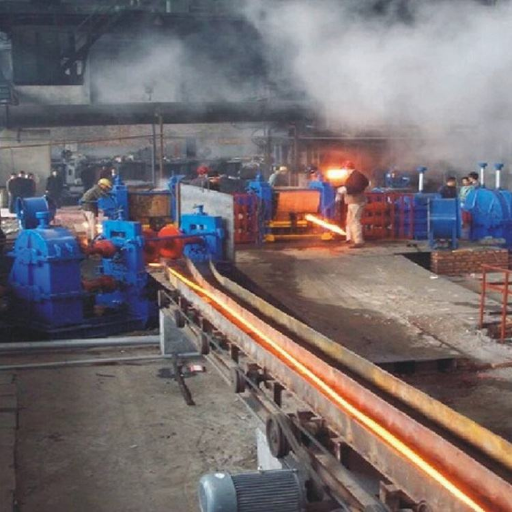
Myth Busted: “EAF steel grades are inferior to blast furnace steel grades.”
Nucor – the North American EAF champion (ranked as the top competitor in this SERP) – produces automotive flat rolled steel exclusively via EAF routes, such as through Nucor Gallatin (Kentucky) and Nucor Steel Berkeley. Through DRI/HBI mixture, ladle furnace refining, and vacuum degassing, large capacity EAFs have achieved PPM nitrogen and residual element chemistry that rivals the BF-BOF route.
Notwithstanding, product diversity does differ with equipment configuration. Explore this real-world grade pairing example below:
| Steel Product Type | BF-BOF | EAF (with DRI + VD) |
|---|---|---|
| Structural long products (rebar, sections) | ✅ | ✅ |
| Flat rolled (hot rolled coil, plate) | ✅ | ✅ (modern EAF) |
| Automotive exposed panels (AHSS) | ✅ | ✅ (DRI-EAF + VD) |
| Electrical steel (GOES/NOES) | ✅ | ⚠️ (requires DRI + VAD) |
| Stainless steel | ⚠️ (requires AOD) | ✅ (EAF + AOD) |
Grade limitations reside not in the furnace type itself but in the secondary metallurgy process train. An EAF with a DRI feedstock, a ladle furnace, and a vacuum degassing unit can produce high-quality steel with precise chemistry — achieving higher quality residual element control than scrap-only routes. Mini-mills that produce high volumes of structural steel typically run scrap-only EAF configured for rebar, merchant bars, structural beams, and other construction grades where tighter chemistry control isn’t paramount.
Maintenance, Downtime, and Plant Equipment Considerations
Operational maintenance requirements take very different approaches in each route. Each also share ongoing requirements for burner management, heat balancing, refractory servicing, and heat recovery.
BF-BOF: Burning of the BF involves a 15-to-25-year reline life, which necessitates a multi-month shutdown and an over supply of refractory product, adjacent blast-airs systems, and tuyere components. Tuyo performance must be checked regularly (biweekly or quadweekly), in addition to routine blowing machine, gas collecting station hardware and refractory system upgrades. Heat exchangers and tube bundle assemblies in the hot air system and gas cleanup system are high-usage areas that experience high failure rates. BOF refractory typically requires a 3,000 to 5,000-tap reline.
EAF: Demands are higher in frequency than depth, with electrode ring consumption occurring constantly and at a rate generally between 1.5 and 3.0 kilograms per metric ton of liquid steel produced. Electrical system wiring is inspected on a periodic; electrodes and electrode holder systems are also checked frequently. Water-cooled sections of the shell and crown panels occupy a much different loading pattern; water system leaks are metal reportable within minutes in the case of a catastrophe. Shell refractory lining life averages 600 to 3,000 heats depending on feedstock.
Both paths have the same area of demands concerning, handling the cooling water systems, heat exchangers, and handling the process gas system. When you concern about heat exchanger maintenance for steel plants or industrial equipment rental in the steel plant turnarounds, Boshiya provides engineered for both BF-BOF and EAF steel facilities where required.
Which Steel Production Process Should You Choose? The 5-Factor Furnace Selection Framework
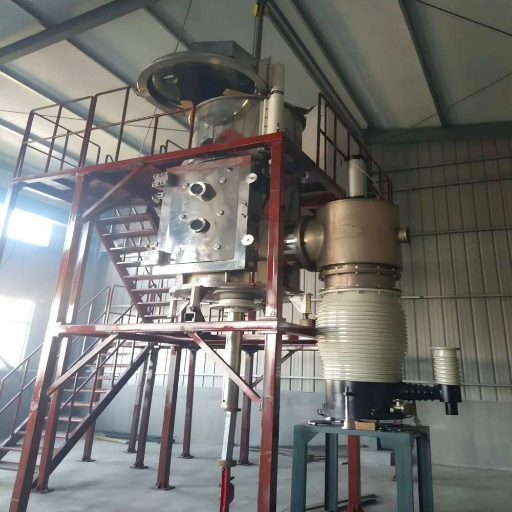
No single steel production process suits every project. Choosing between blast furnace technology and EAF depends on five factors — each a critical component of your investment decision:
| Factor | Choose BF-BOF when… | Choose EAF when… |
|---|---|---|
| 1. Raw material access | Iron ore + coking coal supply is reliable and cost-competitive | Domestic scrap availability is high, or DRI supply is secured |
| 2. Electricity cost | Regional electricity price is above ~$80/MWh (volatile markets) | Electricity is below ~$60/MWh, ideally with renewable PPA options |
| 3. CAPEX budget | Project scale justifies $1B+ and requires >3 Mt/yr output | Budget is $200–700M, or a phased capacity build-up is preferred |
| 4. Required steel grades | Product mix includes electrical steel (GOES) or ultra-clean IF grades without DRI | Product mix is structural, standard flat rolled, or special bar quality (SBQ) |
| 5. Emissions / regulatory mandate | No near-term carbon pricing exposure (regions without CBAM or ETS) | Project faces EU CBAM, scope 3 customer requirements, or ESG reporting |
Quick decision logic: When scrap availability is high, and electricity less than $70/MWh and CAPEX budget less than 800M; EAF is probably the right choice. In case of designing a >4 Mt/yr plant in heavy iron ore and coal (with no carbon pricing risks), BF-BOF still could have the minimum total cost ownership. Somewhere in the middle the decision is less obvious- this precisely where a model becomes a significant aid.
Use our steel plant configuration selector to apply this framework to your specific project parameters.
Industry Outlook: EAF Transition, Sustainability, and Steel Production Trends (2025–2030)
The shift from integrated BF-BOF to mini-mill production is supported by investment data. Mini-mills use EAF technology almost exclusively, and this segment already covers ~70% of US steel output (Steel Manufacturers Association) and ~45% of European output (Eurofer). Wood McKenzie forecasts EAF share will reach ~50% of total world steel production by 2050, up from ~28% today.
Three forces are driving this transition:
- Carbon policy: EU CBAM (applies from 2026 to importer ) is a direct cost penalty for BF-BOF steel imports and favors EAF for European importers
- Investment momentum:Live projects – Hyundai’s 5.8 B$ EAF plant in Louisiana (2.7Mt, operational 2029) and Tata Steel’s 1.6 B$ EAF in Port Talbot with a 90% reduction in emissions
- Demand for green steel: Automotive OEMs and construction sector buyers have scope 3 commitments which demand trackable low carbon content steel supply—a requirement that only EAF and its future hydrogen-DRI routes can deliver sustainably
No, blast furnace steelmaking is not going away. China and India combined account for over 70% of world BF-BOF production and have decades of committed integrated plant capacity. However, plants using EAF produce steel with significantly less CO₂ per tonne — a gap that becomes a financial liability under carbon pricing regimes. Greenfield investments from 2026 onwards will increasingly reflect this: BF-BOF economics look less favorable as emissions produced per tonne carry a growing carbon price.
Planning implication: For any greenfield project to close financings after 2027 (and into the 2030s), incorporate EU CBAM economics into any BF-BOF ROI model. Under existing CBAM trajectories (~€50–80/t CO₂ by 2030), the BF-route grav carbon cost adds 80-170 per tonne of steel delivered to EU end user, pushing breakeven CAPEX calculations toward EAF. For EPC planning and project scoping across both routes, see our steel plant EPC services.
Planning a Steel Plant? Talk to Our Engineers.
Boshiya provides technical service, EPC project solution and industrial equipment for BF-BOF, EAF steel plants. Get a scoping for your project now.
Frequently Asked Questions
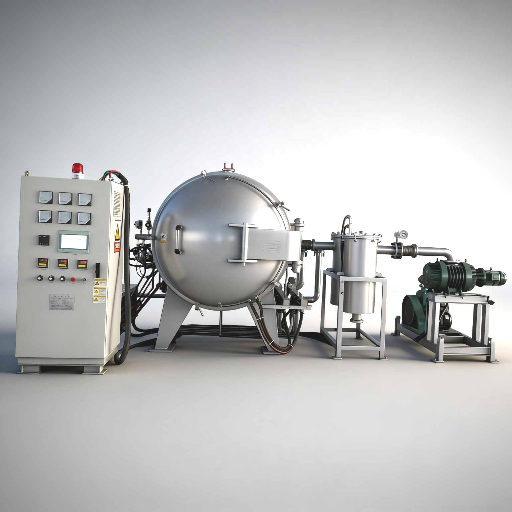
What is the difference between a blast furnace and an EAF?
A blast furnace makes an iron ore into pig iron with coke and oxygen which is then used to make steel in a BOF. Steel scrap or DRI can be melted in an electric arc furnace (EAF) which doesn’t go through the ironmaking stage. This results in roughly a 70% reduction in CO₂ emissions per tonne of steel.
What are the main disadvantages of using an EAF?
Four constraints are most important in practice: (1) the economics of EAF are very sensitive to electricity prices – in effective markets above about 80 dollars/ Mwh the cost gaps with BF-BOF are reduced; (2) variability in scrap quality results in tramp element (copper, tin) build up that determine maximum steel grades without blending DRI; (3) power quality problems (flicker) may occur due to EAF operation, requiring control strategies on the grid side; (4) per heat output volume is less than a continuous BF, impacting planning at very large scales.
Is blast furnace steel being phased out globally?
Not for the short term but the long run trend is evident. Blast furnace steel still accounts for about 72% of world production and even in China there are hundreds of plants in operation with 20–30 years of remaining design life. India’s push to significantly increase steelmaking capacity in line with infrastructure expansion continues.
Nevertheless in Western Europe and North America the transition is well underway: in recent years the EU has seen several integrated blast and BOF plants closed or converted to EAF operation while in the US the Steel Manufacturers Association reported in 2012 that close to 70% of US production was derived from EAF methods. Wood McKenzie has predicted EAFs will account for around half of global steelmaking capacity by 2050. Having regard to carbon policy impacts, for new greenfield capacity developments in these markets, blast oven and BOF routes will be increasingly hard to justify over a 30 year planning horizon.
What is DRI and why does it matter for EAF steelmaking?
Direct Reduced Iron (DRI), also known as sponge iron or HBI (briquetted DRI), is manufactured by reduction of iron ore with natural gas or hydrogen at non-melting temperatures. When added to a EAF, DRI dilutes tramp elements from scrap and provides a clean iron source, enabling production of higher-quality steel. Near-zero-carbon steel can be produced using the EAF route with hydrogen-based DRI.
Which furnace produces better steel for automotive applications?
In the past BF-BOF held the upper hand for exposed automotive panel grades where lower nitrogen levels and residual element contents were important. Current advanced high strength steels (AHSS) can be produced by modern EAF facilities with DRI charging, Ladle technology and vacuum degassing. Nucor’s flat rolled in Kentucky and South Carolina provide automotive-grade coil from the EAF – the quality ceiling for the route has been blown away.
References & Further Reading
- World Steel Association — Sustainability Indicators Report 2025 (CO₂ and energy intensity by production route)
- World Steel Association — Climate Change and Steel Production Policy Paper 2026
- Nucor Corporation — How to Make Steel: Blast Furnace vs. Electric Arc Furnace
- Charter Steel — EAF vs. BOF Furnaces in Steelmaking (SMA-sourced emissions data)
Related Articles
boshiya is an industrial equipment and EPC solutions provider to the operators of steel and metal processing plants at both EAF and BF-BOF sites. Although information contained in this article is from publicly available industry reports, boshiya is not a manufacturer of furnaces and iron making plant equipment. We provide range including the cooling systems, heat exchangers, technical operations and maintenance services, EPC execution for steel plants.
![Polypropylene Resin: Grades, Types & Selection Guide [2026]](https://boshiya.com/wp-content/uploads/2026/05/0-150x150.webp)