Get in Touch with BOSHIYA

Bundle Cleaning Safety Standards & Compliance: A Comprehensive Guide for Safe Workplace Operations

Ensuring a safe and legally compliant workplace is no more than a duty to be within the legal frame, but it relates to the absolute concerns of health and productivity of your team. This applies particularly to bundle cleaning, which very significantly places your compliance in line with health and safety regulations, to ensure health and safety culture; stakeholders accept responsibility for safety culture. This guide will shed light on the significant safety protocols, best practices, and compliance standards necessary to maintain a safe environment for performing bundle cleaning operations. Regardless of where you belong to within the spectrum of roles in business ownership, facility management, or safety practitioners, the guide will empower you with knowledge to drive down risks, harmonize actions, and comply with the law. Keep reading; these resources are edifying about safety and compliance in your operations.
Contents
show
01
Understanding Bundle Cleaning
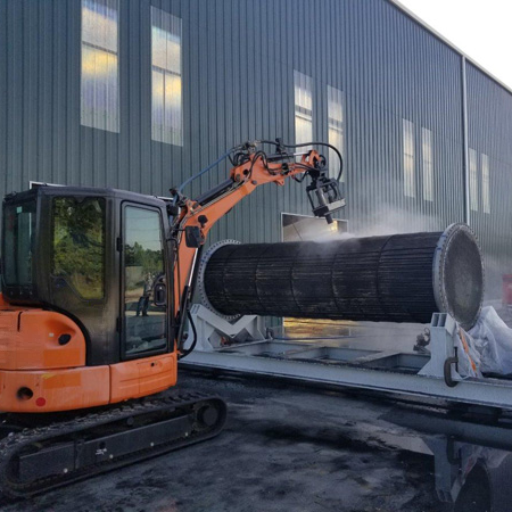
It is crucial for the efficient operation of tube bundles of heat exchangers or other similar equipment to remove deposits, dirt, and other contaminants on them. Maintenance ensures continuous performance, helps maintain heat transfer performance, and avoids any form of damage. The methods of the cleaning operation would be high-pressure water jetting, chemically cleaning, and mechanical cleaning tools. This choice is determined by the nature of fouling to be removed and the design of the equipment being optimized through cleaning. The regular and reliable guarantee of regular bundle cleaning will promote considerable lifespan increase of the equipment, minimization of untold costly downtimes.
What is Bundle Cleaning?
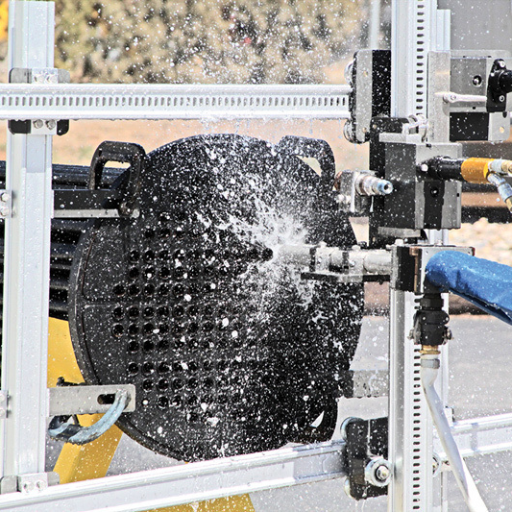
Heat exchanger tube bundle cleaning usually involves removing foulants, solids, and contaminants accumulated in or on the tube bundles. Such an occurrence usually takes place over time, as residues from scales, sludges, and deposits and other processes build up inside the bundle and thus reduce efficiency in heat transfer and also cause an increase in pressure drops. Hence, tube bundle cleaning becomes indispensable to safeguard the heat exchange system with respect to performance, health, and safety.
Importance of Bundle Cleaning in Industrial Settings
Bundle cleaning is extremely important for the performance and life of industrial equipment, particularly for heat exchangers and allied systems. The fouling of heat exchanger tubes is identified as one of main reasons that can reduce energy efficiency while bringing systems to a halt unexpectedly in power generation, chemical processing, and in oil refining industries. All accumulated dirt, scale, and other deposits act as insulating media, thereby reducing heat transfer rates significantly while increasing energy consumption.
Regular and effective bundle cleaning practices are necessary not only to fight fouling and ensure good thermal performance and prevent degradation in industrial systems, but also to improve energy efficiency in various communities through research findings and promote the ability to perform conservation initiatives by generating less waste and avoiding excessive resource usage. The new-age cleaning techniques of hydroblasting and chemical cleaning pay attention to ultrasonic techniques, which further fine-tune cleaning precision and safety, thus establishing bundle cleaning as one of the main aspects of the industries for maintenance.
Common Practices in Bundle Cleaning
| Method | Description |
|---|---|
| Hydroblasting | The use of high-pressure water jets to clean fouling, scaling, and debris from the insides of tubes without causing damage. |
| Chemical Cleaning | A process in which special chemicals qualified for accelerated cleaning of the internal and external surfaces are applied for dissolving deposits and solid contaminants. |
| Pigging | Insertion of cleaning pigs, which are mechanical devices through the tubes to mechanically clean the blocking and deposits in the tubes without hurting the tubes. |
| Ultrasonic Cleaning | It is a method based on the use of ultrasonic waves that are combined with cleaning solutions to effectively clean in tough-to-reach areas and to move the stubborn deposits and ensure an even application in difficult areas. |
| Visual Inspection & Monitoring | Pre- and postcleaning inspection of the shape and integrity of the bundle to ensure accurate conduct of cleaning operations. |
Table 1 — Overview of common bundle cleaning methods used across industrial settings.
02
Safety Standards in Bundle Cleaning
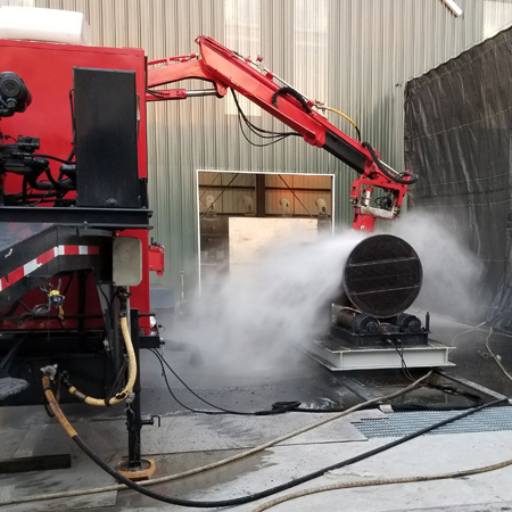
Overview of Safety Standards
In order to maintain the well-being of the workers and protect the environment, safety codes target the workers who uphold cleaning standards while establishing and sustaining healthy equipment. In order to ensure constant security measures at the workplace, the number-one recommendation is training personnel on the methods and uses involved in the employment of cleaning equipment and chemicals, along with ensuring they are properly equipped, personally with personal protective and insulating equipment (PPE), to protect them from any health problems.
The use of properly maintained equipment designed for specific conditions and usage would significantly reduce the associated risks of carrying out cleaning at a high pressure and harsh chemical applications. A contingency plan is to devise options to safeguard against external contamination by capturing and discarding waste. Periodic risk evaluation will be implemented to reduce any identified hazards rapidly while enhancing physical safety and efficiency in an occupational setting.
Key Regulations for Cleaning Contractors
OSHA
Performance of the Work
Subcontractors are required to follow Occupational Safety and Health Administration (OSHA) rules in order to provide a protected environment. This includes proper training for workers, proper and consistent use of personal protective equipment (PPE), and the safety application of hazardous materials.
EPA
Environmental Performance
Adhere to the stipulations of the Environmental Protection Agency (EPA) concerning waste disposal and the prevention of hazardous material pollution. Proper handling and disposal of hazardous substances are intended to ensure that the surrounding land remains safe.
EQP
Equipment Maintenance and Certification
Regular inspection and maintenance, and the need for standard equipment certification are mandated so that any risk is minimized, and any prevention is indeed guaranteed when they are on their job.
REC
Recordkeeping and Audits
Requisite data on the board for cleaning records, inspections, waste disposals, training checks to confirm their permissions and holdings asked into question during audits.
HCS
Hazard Communication Standard
Label effectively and keep documentation of all chemicals utilized to ensure the accessibility of Safety Data Sheets (SDS) for employees. Workers must be alerted to all potential hazards and properly trained on the safe handling of the materials.
Compliance Note
The observance of these essential and logical regulations is very conducive to the overall results of safe, effective, environmentally-friendly bundling clean-up procedures.
Ensuring Compliance with Safety Standards
For maintaining the bundle cleaning safety standards, a careful review needs to be performed to ponder on new industry-related statutes and best practices. Proper documentation should be an important part and training of staff will be part of routine. Also, one will carry out advanced risk analysis. Additionally, the new findings recommend adhering as much as possible to the provisions of OSHA-Hazard Communication Standard, Personal Protective Equipment (PPE), etc. This will ultimately reduce injuries caused by accidents and minimize exposures to adverse agents. Also, the company can employ electronic tools like safety management software. Thus, a practical means would be to monitor the activities and accident statistics that have equalized predictable reporting requirements involving existing formal regulatory requirements. An emerging better tech will enable the organization to keep track of his or her internal process performance vis-a-vis safety intricacies linked to strict sector guidelines.
03
Creating a Safe Workplace for Bundle Cleaning
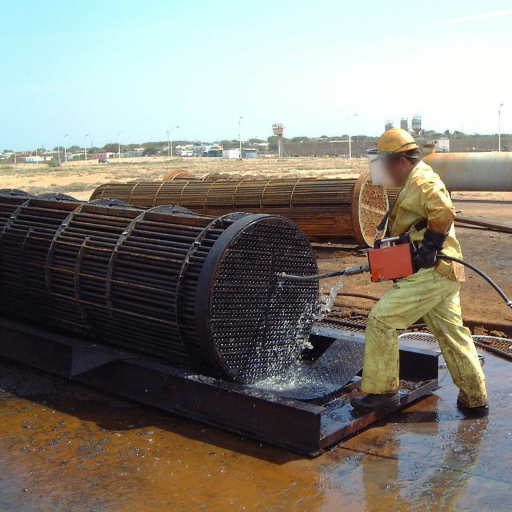
Employee Training and Safety Protocols
An effectual set of training are crucial to create a safe place while operating bundle cleaner. Essentially, the design of employee training will address the proper cleaning techniques and initial applications of equipment, focusing on manufacturer recommendations. An additional aspect of this training would require a segment on recognizing any dangerous situations, such as chemical residue exposure, improper lifting procedure, and mechanical faults.
Inclusion of regular training practices has shown to decrease the chances for workplace accidents and enhance operational efficiency. Google points out the use of personal protective equipment (PPE), like gloves, masks, and safety goggles during cleaning, preventing chemical exposure and injury risks. Nurturing an open reporting culture of near misses and accident reports does best to help in incorporating the programs’ quality. All this, while practical training and the latest health and safety advice, make a comprehensive event in which accident prevention is included within the bundle of cleaning events in the course of time.
Personal Protective Equipment (PPE) Requirements
During bundle cleaning procedures, it is highly critical to use all appropriate Personal Protective Equipment (PPE) to safeguard oneself. The most important PPE would be:
- PPE 01
Gloves: They protect the hands from chemicals and abrasions. - PPE 02
Safety goggles or face shields: They protect the eyes from splashes and debris. - PPE 03
Respiratory protection: To wear masks in opposition to hazardous materials or for poor air flow areas. - PPE 04
Protective clothing: Wearing a tight-fitting apron prepared from chemical resistant fabric is a must so that it does not absorb any chemicals and prevent any errant splashes; wearing chemical-resistant coveralls is also not a bad idea. - PPE 05
Safety shoes: Should be slip-resistant and have an anti-skid full grip to prevent any accidents for the feet in case of slipping or falling objects.
In addition, all PPE must be continually fitted, with regular checks made, and held in the proper condition to allow guarding of the proprietary purpose.
Emergency Procedures and Safety Measures
Imperative to observe the provided emergency procedures, safety conditions, and other lockdown requirements in order to minimize the risk of human accidents or protect the life of the individuals cleaning up the felony. Below are the common experiences:
- 01
Preparation Risk AssessmentStart with a serious evaluation of all risks that may be posed by the particular cleaning activity and its potential hazards, be it chemicals, high pressures or confined space for the designated use, and, in doing so, proffer any possible solutions to such risks.
- 02
Easy Access to Emergency EquipmentMake sure that fire extinguishers, first aid kits, or absorbent materials for small spills are within easy reach. All workers should know the location of these emergency kits.
- 03
Effective CommunicationThrough the cleaning process, communication must be clear, and where sight-line communication is blocked, radios or signaling devices should be in place.
- 04
Procedures for the EvacuationIn case of an emergency, a clear evacuation route shall be established along with the identification of assembly points. Regular drills help put everyone through the paces to get acquainted with evacuation protocols.
- 05
Spillage ResponseChemical containment procedures need to be observed while coping with spills. The containment should be facilitated by the use of absorbent pads or neutralizing agents. In case of chemical waste, disposal should be in compliance with local rules.
- 06
Ventilation and MonitoringEnhance ventilation for compartmentalized spaces by utilizing exhaust fans or blowers. Monitoring equipment is required to detect the presence of gas leaks or lacking of oxygen.
- 07
Accident ReportingIn a training or cleaning set-up, an incident reporting system needs to be established.
Consequently, it should be remembered that training personnel in compliance with this emergency procedure would minimize the risks and provide a safe working environment for supply cleaning operations.
04
Choosing a Compliant Cleaning Contractor
Criteria for Selecting a Cleaning Contractor
When considering a contractor to hire for bundle cleaning, the following criteria assist in ensuring compliance and efficiency.
| # Criterion | What to Verify |
|---|---|
| 1 Experience & Expertise | Look for a contractor who have experience in bundle cleaning and a skillful staff well-versed with best practices and safety standards. |
| 2 Qualifications & Compliance | Make sure you check certification from the contractor to work in this area and confirm adherence to industry rules and guidelines. |
| 3 Safety Plans | Check the safety procedures followed by the contractor, including their training programs on using safety gear and emergency preparedness. |
| 4 Equipment & Technology | Ascertain that the contractor uses advanced equipment in good condition to conduct efficient and thorough cleaning. |
| 5 References & Reputation | Ask for references and search reviews to determine their dependability and quality of service and to see how well they have performed in the past. |
| 6 Environmentally Friendly Practices | Verify that the contractor recycles waste and orders reduced quantities of harmful chemicals. |
Table 2 — Contractor selection criteria for bundle cleaning compliance.
Verification of contractor’s selection based on these evident facts lead to effective cleaning outputs whilst still being safety and compliance concerns.
Evaluating Contractor Compliance with Safety Standards
The standards maintained by the contractors for bundle cleaning have to be assessed. The assessment should touch on main aspects that are under industrial or factory regulations or are considered best practices. The compliance should first be checked against the laws of OSHA or a similar standard in the immediate area of the contractor. It should be confirmed that the employees are informed and sufficiently trained in hazard communication, use of personal protective equipment (PPE), and handling of cleaning agents.
Besides this, you should confirm that the contractor has a solid risk assessment process for identifying probable threats within the cleaning environment as well as takes due measure to contain them. Important to note is that we ought to review documentation for the safety inspection which the contractor has arranged with respect to his incident response means. Going by the feedback one gets from the Google search engine, contractors are starting to implement certain technologies like IoT sensors and real-time monitoring systems as systems to wipe out incidents in their cleaning work.
You could also ask him to provide some specific safety certifications, such as ISO 45001, to confirm the contractor’s long-standing commitment to safety at the highest level. Thus, utilizing research that conforms as fully as possibly to the topic will help evaluate contractors and their degree of safety compliance and hence dependability.
Establishing Clear Communication with Contractors
A conducive communication network must be established for such a cleaning project to succeed. The requirements for this consideration would then be set by the definition of the information like the scope of work, deadlines, and other safety precautions. Every detail of this information should be submitted, as it is easier to deal with any questions then to have time-consuming confabulations. Communication being the way to prevent blunders in work, contractors should always communicate about any concerns that they may have. Frequent meetings (either in-person or virtual) will help keep a record of progress, address issues, and agree on goals.
Efficient means of communication can be put into full operation through technology such as project management tools and shared platforms. These tools have an additional benefit. They enable you to apprize in real-time of any eventual developments in schedules or content, as well as centralize all documents to ensure everyone is on the same page. A chain of command must be established so that contractors will know whom to get in touch with should questions or urgent situations arise. An established chain of accountability will give transparency and trigger reduced potential for misunderstandings.
Finally, one must prioritize feedback loops: you should frequently talk to contractors about what they think and how they can improve on their work, in the company’s commitment. Repositioning, working as a team, is pivotal as it helps in building trust and boosting the overall efficiency and quality of bundled cleansing.
05
Best Practices for Bundle Cleaning Operations
Developing an Effective Cleaning Schedule
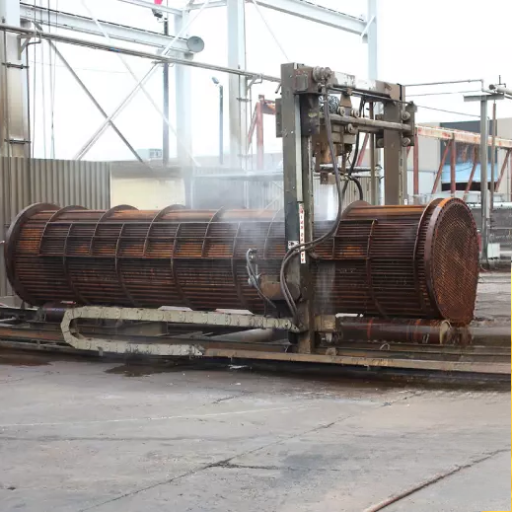
Developing a well-built cleaning program for mass cleaning operations begs much thought and the utilization of modern data-for-insights techniques to reinforce performance. The frequency of cleaning is the first thing needing attention: for this, one has to consider the metal handled by the materials and the purpose to which they will be joined (strewn), time availability (which is the shift length), and the environmental circumstances, like the overall dust and debris level. The industry of today more and more uses predictive maintenance practices to develop cleaning schedules in real time and the use of wear indicators. This data-driven approach in reality laminates downtime and over-cleaning, which majorly reduces time-related and economic costs.
Adding interval milestones in between for deep-cleansing those things left out by way of routine cleanings would help the cleaning structure. Automated reminder systems coupled with digital tools, and driven by search best practices, will ensure that all schedules are followed accurately without any gaps. The last would be periodic reviews of the cleaning schedule to cope with timely operational changes and seasonal trends. Enhancing structured planning and real-time data insights helps make bundle cleaning efficient and sustainable.
Monitoring and Evaluating Cleaning Procedures
Establishing performance yardsticks in advance is an absolute must in order to be able to properly gauge and assess the cleaning process required for the cleaning of packaged units. The standards expect a clear outcome: cleanliness levels, maintenance of operational efficiency, and no risk to the safety of personnel. A series of measurable criteria, such as quantitative assessments of pollution levels or visual observations, could be relevant for testing the substandard work that is produced.
Intermittent evaluations are the key step in evaluating that process. Auditors must be adequately trained to use adaptable checklists to ascertain that the work will be done on a specific and uniform basis. While the real cleaning jobs are ongoing, assessments of their progress can be on-the-spot and meet defined criteria. Getting feedback from the cleaners shall also provide key insights on hazards facing the team at execution time and opportunities for further modifications.
Continual monitoring and evaluation, using data once feedback is gathered from watching trends, usually tells whether methods are producing desired impacts or require modification to adjust the effect. The system should be continuously scrutinized and refined as per the data and observation to ensure its effectiveness, sustainability, and compliance with both internal goals and regulatory norms.
Continuous Improvement in Safety and Compliance
There is an absolute need in bundle-cleaning regulations and compliance to implement health and safety measures besides embracing standards from integrated standards. A protocol for cleaning, which is compliant with the norms and standards such as OSHA or ISO, etc., largely helps curb the risk of exposure to cleanliness. Also, steps should be taken to label, handle, and store cleaning agents in a manner that minimizes potential health risks, or possible contamination issues.
The regular training of employees forms an important feature that enhances safety practices and ensures that they stay current with regulatory changes. The wearing of personal protective equipment for a chemical exposure they might face or an injury that has the potential to occur provides safe working conditions. Safety audits, checks, and monitoring provide a path for revealing process deficiencies that could lead to non-compliance wherever they exist.
To reduce the mockingbird that improves the efficiency, one would consider the cleaning methods and the industry with higher human directions such as advanced cleaning technologies and automation backing. On the other hand, using green cleaning solutions or sustainable practices will reduce the environmental costs whilst meeting compliance requirements. The likes of proper consultation and recording of events should receive further support to shape the scope of possibilities and continuous improvement, hence the culture of safety and compliance.
Reference Sources
-
Development of a Pipeline-Cleaning Robot for Heat-Exchanger Tubes: This study focuses on the development of robotic cleaning systems for heat exchanger tubes, highlighting engineering applicability and advancements in cleaning technology.
-
Heat Exchanger Fouling: Mitigation and Cleaning Strategies: A comprehensive review of fouling issues in heat exchangers and the cleaning strategies used to mitigate them, including tube bundle cleaning.
-
Simulation of Heat Exchanger Network (HEN) and Planning the Optimum Cleaning Schedule: Explores the simulation of heat exchanger networks and the planning of cleaning schedules to optimize performance and efficiency.
- Bundle Cleaning
06
Frequently Asked Questions
Bundle Cleaning Safety Standards — Common Queries
![Polypropylene Resin: Grades, Types & Selection Guide [2026]](https://boshiya.com/wp-content/uploads/2026/05/0-150x150.webp)