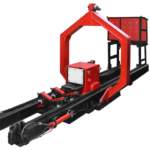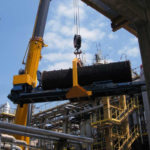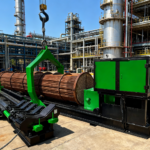
Get in Touch with BOSHIYA

Outside Bundle Cleaner (OBC) Selection for Effective Tube Bundle Cleaning

Not negotiable, clean tube bundles are effective for keeping heat exchangers at top-of-the-line efficiency and long-lasting use. Among the many parameters, the right Outside Bundle Cleaner (OBC) contributes to steady performance and the reduction of downtime and maintenance dues. In this blog post, we will examine other critical factors to be taken into account when choosing an OBC and how it is integral in countering some of the common industry problems, such as foulant accumulation, scaling and corrosion. Sought for either increased process efficiency or maximum lifetime utility of the asset, the guide will present you insights for making a comprehensive choice. We elaborate on how the OBC has the capability of revolutionizing your maintenance strategy.
Contents
show
01
Foundation
Understanding Tube Bundles and Their Importance

Tube bundles represent an integral part of shell-and-tube heat exchangers engineered to transfer heat effectively between two fluids. A bundle is a series of tubes fit inside a cylindrical shell, where one fluid flows inside the tubes and another on the side flows around them to provide heat exchange without mixing of the fluids. Their importance lies in their ability for supporting the processes of heating, cooling, or energy recovery in various industries. Properly designed tube bundles ensure optimal efficiency, reduced energy consumption, and very little chances of operational failures, such as fouling or corrosion. Material selection and proper maintenance result in prolonged service and enhanced efficiency of these heat exchangers.
What is a Tube Bundle?
The tube bundle in a shell-and-tube heat exchanger represents a very essential part within various areas such as chemical plants, power plants, refrigerators, and so forth. It comprises a series of tubes, which can also be called tube banks, which are carefully arranged and inserted into the cylindrical shell. Amid this arrangement, a fluid flows inside the tubes and another fluid passes on the tube outer surface within the shell, consequently enabling the heat to be exchanged between the two fluids without becoming mixed.
Modern-day tube bundles are commonly manufactured with precision materials like stainless steel, copper, and titanium to withstand high temperatures, harsh environments, and corrosion. These design types and materials are chosen depending on application specificity to ensure efficiency and durability. It should be noted here that efforts are being made to achieve better and more advanced antifouling coatings, with whom they passively contribute to environmental health. Moreover, lower fouling together with tribological wear losses, as well as better cleaning performance in modern tubular heat exchangers, has forever enhanced their performance features. Machined to fit industrial systems, tubes act as guardians of energy efficiency in those systems.
Importance of Cleaning Tube Bundles
Keeping tube bundles free from fouling is essential for heat exchangers to maintain their efficiency and life span. With time, deposits of scale, sediment, and biological growth form on tube surfaces, which adversely affect the thermal conductivity of the heat exchanger. Furthermore, in the long run, excess demand on energy bills is likely. Regular cleaning is necessary to mitigate fouling which may affect operational downtime and possible system failure.
Again, unsoiled tube bundles play a role in facilitating fluid flow and consequently minimizing pressure drops and improving general performance. Failure to clean the tube could lead to a safety hazard, as the matter of interest could lead to leaks through overheating. Mechanic cleaning, chemical cleaning or hydro blasting are some of the regular cleaning methods meant to meet the intention of the particular system. Priority in keeping the system clean and maintained results in increase in efficiency, decrease in operating costs, and prolonging the lifespan of plant equipment.
02
Pain Points
Common Challenges in Tube Bundle Cleaning
01
Access Difficulty-Zone
Access to tube bundles in close or hard-to-get-to positions would make for the cleaning operation a complex and time-consuming undertaking.
02
Corrosion Probabilities
If cleaning methods or inappropriate agents are used where some sort of chemicals are used too close to the tube material, there is a huge chance for corrosion and, as a result, the equipment expected lifetime.
03
Tough Deposits
There are tough small-scale accumulations, unprocessed deposited surfaces on tube walls that accumulate steam or dirt, which are difficult to remove and may require costly or complicated means or the severe use of appropriate chemicals.
04
Downtime Condition Requisite
Stopping the production process for cleaning disrupts the productivity and costs.
05
Environmental Considerations
The disposal of cleaning material and waste must accord with overall environmental laws, with cleaning thus becoming a tortured affair.
03
Equipment Overview
Types of Outside Bundle Cleaners
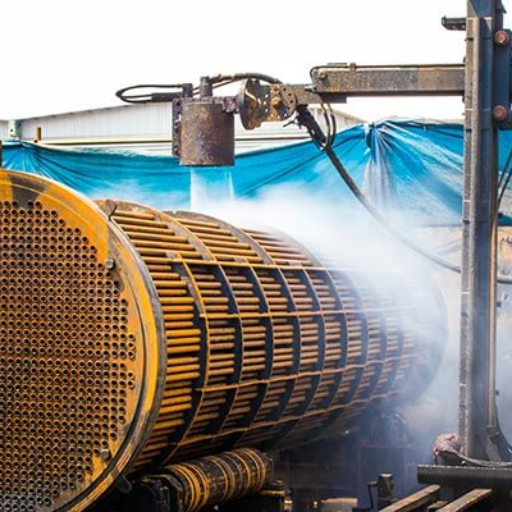
Overview of Cleaning Systems
Where it comes to keeping operational efficiency intact amid some really difficult challenges like hard deposits and high downtimes, capable tube bundle-cleaning systems become a great help. The following represents a highlight of the common cleaning processes:
All the systems show merits and demerits, making the selection process largely depending on the type of deposit, operational constraints, and maintenance needs also. To make sure the optimum results are achieved, a combination method is used.
Bundle Blasters: Features and Benefits
Bundle blasters represent a strong team in the world of industrial cleaning machinery for helping technicians who maintain heat exchanger tubes with efficacy and precision. The concept is to inflate scales, rust, and other obstinate deposits using high-pressure water jets. They can be used inside or outside the bundle.
Benefits of Bundle Blaster
- —Enhanced cleaning efficiency through reduced downtime
- —Minimal environmental impact due to water cleaning without harmful chemicals
- —The ability to handle different tube sizes and configurations
- —Keeping the optimum cleanliness of heat exchangers and hence effective in reconstructing their performance
Bundle blasting is an added advantage due to its reliability and effectiveness in maintaining key equipment in industrial units.
Comparative Analysis of Different Models
The most common tube bundle cleaner models include high-pressure water jet cleaners, pneumatic tube cleaners, mechanical rotary cleaners, and portable automated cleaners.
| Model | Power Type | Efficiency | Adaptability | Chemical-Free | Durability |
|---|---|---|---|---|---|
| High-Pressure Water Jet | Water | High | Moderate | Yes | High |
| Pneumatic Tube Cleaner | Air | Moderate | High | Yes | Moderate |
| Mechanical Rotary | Electric | High | Moderate | No | High |
| Portable Automated | Electric | Very High | High | Yes | High |
← Scroll to view full table on mobile
04
Technology
Advanced Cleaning Techniques
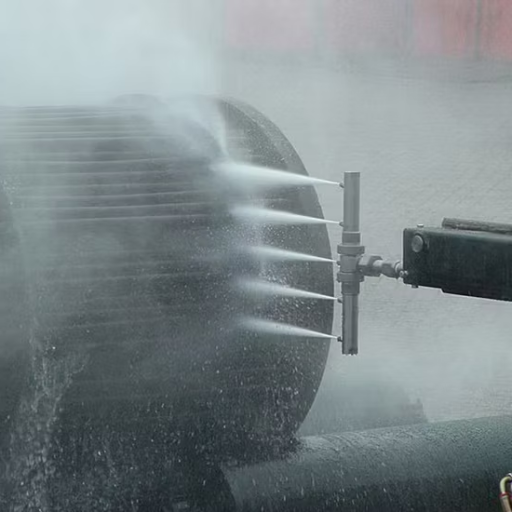
Water-Jetting Technology in Tube Cleaning
Water jetting technology constitutes a highly sought-out method for tube cleaning, effected through high-pressure water. This helps eliminate debris, scale, or any other impediment from the internal surfaces of the tubes. Indeed, the technology is, in the first place, dictated by the kinetic energy of the water that flows through the specially designed nozzles to dislodge and flush out the contaminants in the tubes. The technique is commended for ensuring a high and constant standard of tube cleanliness without damaging the tube materials.
One of the big advantages of using water jetting is that no chemicals are used in the cleaning process. The pressure generated by water is all that is required to remove and wash away any existing residue. This makes the option an eco-friendly one to consider in industries with strict demantles about existing chemicals, especially when it comes to disposal. Adaptation sets it as another striking feat to having water jetting since it can clean different sizes of tubes and contaminants only with relative ease.
At work here is its supreme efficacy in removing the most stubborn of formations that may be expected, such as hard-scale reductions and obstructions. Furthermore, less needed downtime could merely mean just a fast transition during maintenance activities and would allow industries to get back to work right away. Water-jetting is a highly potent cleaning technology found in prospective applications like chloro-alkali, chemical processing, and HVAC systems, appealing to an extensive clientele for tube cleaning. Its reliability and cleaning prowess solidify its position as the favored method in various maintenance and industrial scenarios.
Automation in Outside Bundle Cleaners
Automation is the revolution to industry maintenance, through high efficiency and precision in cleaning. It is done with robots and automation technologies, which reduce manual labor, provide safety, and bring about durability of finale cleaning standards. In this regard, sensors and real-time data analytics can not only detect blockages and perform measurements on every cleaning process, but also provide real-time operation optimizations.
There is increasing interest in how industrial cleaning processes could be automated to minimize downtime and operational costs. Automated external bundle cleaners attempt to provide solutions for fire blaze businesses, with leading technology sustained by user-friendly interfaces which enable operators to remotely manage and control the cleaning. These advances in automation enable companies to streamline workflows, aid in better cleaning processes, and help comply with the demand for affordable maintenance solutions into sustainability.
05
Decision Guide
Choosing the Right Outside Bundle Cleaner

Factors to Consider in Selection
1
Suitability for Bundle Dimensions and Types
An ascertainment of the variably different configurations that the used bundles may have should help.
2
Cleaning Performance
Determine the cleaner’s ability to maintain consistent and express cleaning. Of course, the harder-to-reach spots will bear special consideration.
3
Ease of Operation and Maintenance
Opt for a cleaning machine that can be operated with minimal training, provides user-friendly features, and that is easy to maintain.
4
Build Quality and Longevity
Scrutinize the cleaner’s materials and overall build quality in order to ascertain whether they can withstand continuous bouts of high use and bad conditions.
5
Cost Efficiency
Take stock of both the initial and running costs of the cleaning machine, including power, maintenance, and consumables.
Evaluating Equipment for Specific Applications
The evaluation of the potential effectiveness of external cleaner bundles should be more centralized to make sure of their compatibility with the size and type of cleaning required. The cleaner must, in other words, be able to work on a bundle according to dimensions and design without damaging any surfaces. Other things to check are the pressure and flow capabilities of the system, the purpose being to conform with the operating requirements of something that is better suited to fit your installed application. Beyond that, the potential buyer should really appreciate the availability of the model for various bundle configurations, as it can enhance the utility. Once all the above is in place, make sure that the unit is compliant with safety regulations and obligations concerning environmental protection while operating responsibly and efficiently.
Cost-Benefit Analysis of Cleaning Systems
When we compare the benefits against the cost of the restoration of pipeline cleaners, one must take into account the acquisition and operating benefit over the long-run. Various cleaning systems come at all sorts of costs at the beginning, depending on the capacity and features available. However, along with escalated efficiency and productivity, these cost-effective technical beauties bring the realm. The systems will thus gain as savings on the operations side.
Such systems margin downtime highly. With an effective cleaning procedure in place, operational setups can boast a more tolerant average maintenance time. This is pure loss to any organization’s bottom line, officially by depressing the equipment availability, causing a blown yield. Automated and, thereby, much more effective cleaning cycles definitely prevent downtime between various cleaning and repair activities such that the plant is able to work even at the toughest hours when missing pieces in the disinfecting lines may just mean that a potential loss is imminent.
One last necessary question would be what kind of long-term maintenance cost would the system burden us with. Numerous solutions incepted in the modern era are shrewdly designed to cut down on consumer resources, thus restraining soaring costs as well as greater damage to the environment. With companies still being somehow greenwashed, these systems enable an exemplary and timely payback on the investment; a viable addition into any industrial maintenance strategy.
06
Operational Standards
Best Practices for Tube Bundle Cleaning

Preparation Steps Before Cleaning
- STEP 01
Inspect the Tube Bundle
Visual inspection done meticulously to pick up any visible damage, corrosion, or deposit, along with accumulation that may allure special attention and help a great deal during cleaning planning.
- STEP 02
Isolate the System
Ensure that the equipment is properly clogged and isolated from the rest of the system. This precaution will avoid any accidental operation during cleaning.
- STEP 03
Drain the Equipment and Vent
Completely remove all fluids from the surface roses of the tube bundle, and then let the remaining air and pressure get pumped out. So this complete process is to ensure safe handling during work on cleaning.
- STEP 04
Remove Loose Dirt
Use compressed air or soft brushes to clean off any loose dirt or surface chemicals before running thorough decontamination work.
- STEP 05
Choose Appropriate Cleaning Techniques
Select the particular cleaning technique that best suits the extent of and particular fouling such as hydroblasting, chemical washing, or mechanical cleaning.
- STEP 06
Ensuring Safety Measures
Staff to be stationed with suitable personal protective equipment (PPE) and to ensure all safety protocols during the preparation and cleaning processes.
Optimal Cleaning Techniques for Effective Results
The whole purpose of tube bundle cleaning is aimed at the preservation of efficiency and protection of the material being cleaned. The current trends provide the following methods of cleaning:
METHOD 01
Hydroblasting (High-Pressure Water Jetting)
Hydroblasting occupies the lead in suggesting to best cleaning methods due to its ability to remove stubborn deposits while not staining the tubes. This is a cleaning technique using high-pressure water to remove all the debris. This type of cleaning is considered more environment-friendly as no harmful chemicals are used.
METHOD 02
Chemical Cleaning
This is primarily needed for certain forms of fouling due to deposit chemistry, such as scaling or corrosion. Very specialized cleaning that can be truly targeted. Get Santa Fe on-site opinion on whether chemicals should be used, as this may be the way to clean effectively without causing further damage to the tubes.
METHOD 03
Mechanical Cleaning
Mechanical tube cleaning approaches like pigging or wire brushing represent the way forward in the fight against tough deposits. They are very effective against very hard blockages but need to be cautiously applied to avoid any damage to the surface.
METHOD 04
Ultrasonic Cleaning
Highly evolved ultrasonic cleaning techniques utilize sound waves and a cleaning solution to loosen dirt and fouling. This way of cleaning is in high demand for its accuracy and effectiveness and accessibility in all nooks and crannies.
METHOD 05
Regular Maintenance Regime
Routine inspection and preventive cleaning, which could include setting up filtration systems or looking out for fouling. Preventive maintenance efforts to upkeep the tube bundles would go a long way in cutting back on the severity of the fouling.
In order to achieve optimum performance and better equipment life, it is important to use these cleaning combinations along with their application for fouling type in various instances of operation as they are approved. You should always follow the current industry guidelines and environmental protocols every time the cleaning is carried out.
Aftercare Protocol
Post-Cleaning Inspection and Maintenance
The post-clean inspection is crucial in preventing leakages and maintaining efficiency of the circulation system. After cleaning, the inspection was done using ultrasonic inspection or borescope to check external damages so any deterioration is identified while yet manageable. Following the procedure is recommended on using hydrostatic testing to further verify the integrity of the tubes ensuring, through testing, the absence of leaks or weak spots.
Preventive measures, which include practices such as the application of corrosion inhibitors or the application of protective coatings in order to reduce future wear and tear, should be part of maintenance. Many maintenance strategies can be enhanced by issues such as having records of cleaning intervals, operational parameters, and inspection results. The incorporation of all of these real-time monitoring technologies- which could range from sensor-based systems to digital twins- can be huge contributors to positively affect the maintenance chain by ensuring that problems are foreseen before they aggravate.
Increased productivity and low downtimes with longer service life for the tube bundle is guaranteed as long as a regular cleaning schedule and proactive monitoring are maintained.
07
Common Questions
![Polypropylene Resin: Grades, Types & Selection Guide [2026]](https://boshiya.com/wp-content/uploads/2026/05/0-150x150.webp)