Get in Touch with BOSHIYA

Refinery Shutdown Bundle Extraction Plan: Key Steps and Best Practices

Refinery emergency shutdowns are important events very well planned and performed. Among the essential tasks, bundle removal is the pivotal one that influences the shutdown’s completion safety and efficiency a great deal. Herein are some of the steps and best practices imperative for successful bundle extraction during a refinery emergency shutdown. We shall underline strategies that may guarantee a successful direct operation — from coordination and plant readiness to safety compliance and downtime. No matter whether you are a project manager, a group leader, or a team player, you can easily make use of these guidelines to actually exploit maximum outstanding results while overcoming common challenges. Read on to know how you can carry out such a crucial work with the utmost care while also maintaining confidence.
Contents
show
Understanding Refinery Shutdowns
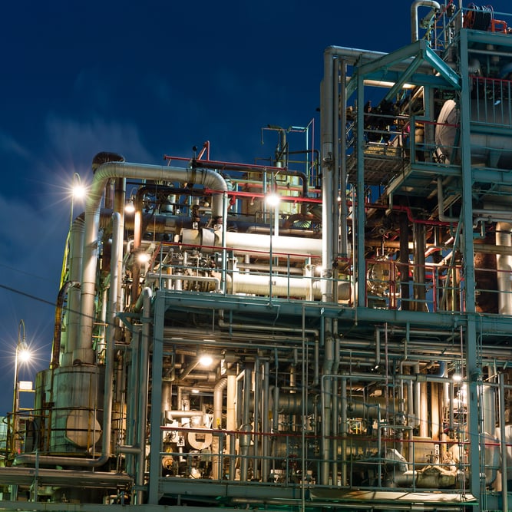
Shut downs of refineries are planned events when operations are stopped temporarily for maintenance, inspections or upgrades. These actions are critical for the secure operation of process units, regulatory compliance, consistent observance of safety protocols. They are time-critical because once they occur, they result in deviation of schedules, closure of operations, and huge cash outlays. Perfect planning and performance enable minimal operational downtime and costs while boosting efficiency. Under certain circumstances, timely project-planning decisions, availability of resources and adherence to safe work practices ensure desired outcomes and untarnished operations.
Importance of Refinery Shutdowns
Platform shutdowns are a critical part of safety, when measures are put into place to enhance compliance for relevant security reasons, ultimately for efficient and cost-effective outcomes. These are periods when device performance status can easily be checked, while maintenance is performed and rehabilitation completed on so many of the parameters that could not be addressed during continuous production; thereby obliterating any potential for system failure till integrity is re-established. Proper scheduling, with respect to the wise scheduling of resources, skilled management, competent administration, and the timeliness of needed workforce scheduling activities are ranked higher in achieving a decline — possibly escape — of the time cost. In short, shutdowns are not just a validation measure but also a strategic investment in strengthening operational rejuvenation.
Impact on Operational Efficiency
Shutdowns at a refinery temporarily close down production and therefore remarkably affect the productivity levels, throughput, and capacity. In reality, the time blocked for shut-down-scheduled maintenance is lost time, too. Well-planned and finely executed shut-downs will greatly reduce detrimental consequences and ensure that production resumes smoothly.
An appropriately conducted shut-down allows all equipments to be serviced and returned to their best functional state, and so minimizes even further downtime during the period. Both corrective and proactive maintenance operations improve the usability and reliability of equipments and processes while assuring regular operations and reducing operational costs. In a shutdown’s focus on reducing inefficiencies, however, numerous opportunities arise to inject improvements for effectiveness that give the refinery long-term benefits.
Maximizing productivity loss in the short-term to ensure smoother operation in the long term is how a refinery shutdown can be discussed well. Having a large number of capable personnels take care of the problem through planning will bring at least some destruction. The process of timely shutdown may serve as an ultimate boost to operational efficiency, tempering the potentiality of fatal hitches that eat up plenty of both time and money.
Understanding Bundle Extraction in Refinery Shutdowns
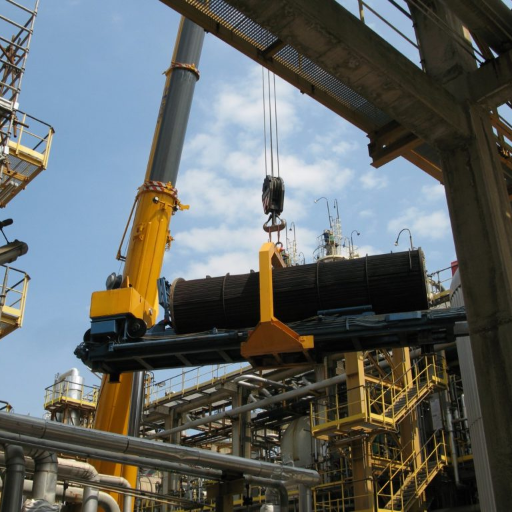
Understanding Bundle Extraction in Refinery Shutdowns
What is Bundle Extraction?
The bundle extraction is an extremely important job during a refinery shutdown or turnaround; it necessitates the pulling out, cleaning, inspection, and maintaining of heat exchanger tube bundles. These tube bundles are the key units of heat exchangers that enable the heat exchange between fluids used in the refinery operations. As time goes by, the passing of a great deal of deposits, scale, or rust on heat exchanger tubes undermines efficiency and thus makes bundle extraction essential for restoring optimal performance.
Once chunking and the tube bundles have been taken apart by the bundle pullers on special equipment, they are slowly and cautiously extracted from the casing to inhibit damage. They usually undergo cleaning with high-pressure water jets or chemical cleaning before the bundles are inspected for cracks, signs of wear, and damage that could create a safety hazard or jeopardize the functionality; the necessary repairs or part replacements are then made before the reassembly.
Recent technological updates including automated removing mechanisms and robotic cleaning systems have provided for effective processes in cleanliness and safety of the bundle pulling operation. Appropriate pulling of bundle significantly enhances energy efficiency in the refinery, protects the heat exchanger tanks for as long as possible, and reduces the danger of sudden process stoppages.
The Importance of Bundle Extractors
In ensuring that general heat exchanger operations are maintained, bundle extractors play a pivotal role. They sustain the indispensable work of removing tube bundles from their educational settings for cleaning, inspection, or mending. The manual removal of tube bundles, without the installation of a bundle extractor, would have been laborious and time-consuming and would have raised risks of equipment damage or even fatal injuries to the workers.
Bundle extractors serve in the discreet and controlled handling of tube bundles toward the effective performance of maintenance activities. They facilitate the cleaning of tube bundles, which is crucial to prevent fouling and help secure maximum heat removal. To mention further, their use at regular intervals during planned maintenance would reveal wear and tear or damages before incurring unbudgeted and costly outages, risking operational success.
Once introduced, the importance attributed to bundling machines is cost savings and safety, reducing maintenance times and reducing the load of physical labor. It is only in this way that standardization can be achieved without compromising quality, thereby making refineries and manufacturing establishments meet production schedules without breaching acceptable safety and efficiency provisions.
Role of Tube Bundles in Refinery Operations
Tube bundles are vital because they are used as the backbone for the transfer of heat of fluids energy in a heat exchange process in a refinery. It is used in a heat exchange in a process that allows the cooling, heating and condensing of substances used in a refinery. By enhancing heat transfer tube bundles improve energy savings, while keeping processing stable and saving costs in equipment operation.
Tube bundles must meet some key requirements while coping with extremely high temperatures and pressure. Properly selected and maintained tube bundles prevent fouling, scale, or corrosion, leading to very minimal downtime while extending the life of the equipment. Tube bundles perform well in handling many different fluids and environments to process the crude after being refined into products such as petrol, diesel, and petrochemicals.
By and large, refinery productivity and safety depend directly on the performance of tube bundles. It is necessary to have these items periodically inspected and undergo maintenance. The use of decent quality materials and modern cleaning technologies is fundamental to prevent trouble-free operation, while permitting the site to meet rigorously high operational and environmental expectations.
Developing a Bundle Extraction Plan
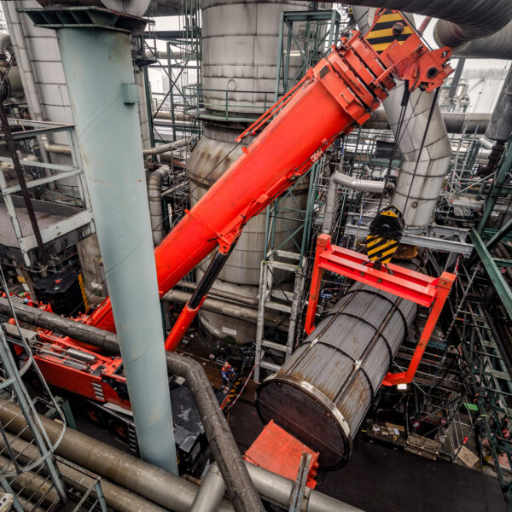
Key Steps in Planning Bundle Extraction
1
Examine and Test
The tube bundle’s condition and the surrounding equipment need to be inspected. Competition objectives, such as corrosion or damage, should be addressed to ensure a safe and efficient tool extraction.
2
Tools and Equipment Preparation
Collect all relevant tools, equipment, lifting gear, etc. Confirm that all equipment is in operation mode and suitable for the designated work.
3
Safety Measures
Conduct a safety inspection and discuss hazards, threats, mitigation, and corrective action. Some important measures include the receiving of the workplace, the implementation of barricades and warning posts, and requiring all staff to follow safety practices.
4
Procedure for Extraction
Remove the tube bundle according to a well-structured rigid protocol with methods that reduce the chance of equipment or surrounding system damage.
5
Post-Extraction Inspection
Inspect the removed bundle for wear, damage, or foul and note findings for cleaning, repair, or replacement.
Identifying Critical Components for Extraction
The critical components for extraction could add to process inefficiencies and failure to ensure process safety and, as a result, should have the focus on tube bundle, supports, baffles, sealing components, and end covers.
| Component | Description & Inspection Focus |
|---|---|
| Tube Bundle | The prime component where wear, fouling, or damage could be considered for removal and inspection. |
| Supports and Baffles | Should be inspected so that these load-bearing items are not damaged or weakened, which can affect plant stability. |
| Sealing Components | Seals and gaskets are to be verified for tears or to avoid leakage or other operational issues. |
| End Covers | Verify the status of the end covers to ensure accessibility and the structural integrity of the assembly. |
These structures should undergo careful evaluation to ensure the effectiveness of the extraction process and to identify any potential issues that may require correction.
Role of the Tube Bundle Extractor
Tube bundle extractors are indispensable for boilers and thus play a crucial role in the overall efficiency and reliability of heat exchangers. They remove tube bundles from their shells and so are ideal for inspection, cleansing, repair, or replacement. By maintaining the superior damping and safety guarantee along with efficiency, tube bundle extractors configure a state-of-the-art labor-saving and highly useful unit compared with an earlier manual operation of thee laborious work and diverted all those mundane tasks from the master hand. According to contemporary pronouncements, the industries of petrochemicals, power plants, as well as oil refining either substantially rely on tube bundle extractors or to some degree depend on the support of these devices for productivity and security aspects pertinent to governing laws. Hydraulic technology as well as ergonomic controls often form the backbone of the tube bundle extractor to assist with maintaining the heat exchanger for people involved in the work.
Execution of the Extraction Process
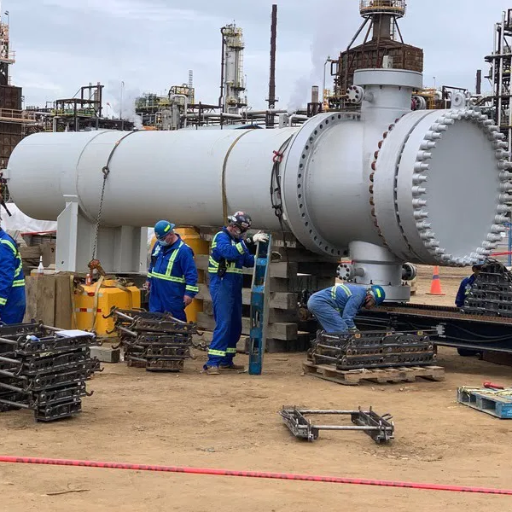
Stages of Bundle Extraction Execution
Stage 01
Setting Up and Safety Checks
Ensure all safety procedures are followed before starting to remove the tubes. This means isolation of the heat exchanger, releasing of residual pressure, checking if there are no hazards to working in the area.
Stage 02
Positioning the Tube Bundle Extractor
Have the tube bundle extractor well-aligned with the heat exchanger. Fasten the extractor to the bundle to prevent any slipping.
Stage 03
Tube Bundle Extraction
Use the hydraulic or mechanical extractor provided and slowly pull the tube bundle out of the housing. Look out for any resistant points or possible blockage and correct to avoid damage.
Stage 04
Inspection and Maintenance
Evaluate if the bundle is worn out, corroded, or contaminated. One should do any maintenance or cleaning and start back from this zone.
Stage 05
Reinstallation or Replacement
Reverse the process after taking maintenance or replacement action to reinstall the bundles — the alignment and securing of all elements should be ensured such that the heat exchanger returns to its operational state.
Utilizing Advanced Tools and Technologies
The advancement in industrial tools and infrastructure in the industries utilized to remote bundle extraction at refineries during operational halts is a benchmark towards unforeseen levels of efficiency, safety, and cost saving. More or less hydraulic bundle pullers now replace age-old traditions of pulling out a lot of effort out of heat exchanger bundles. They are now easily replacing bundles even in harder areas, like at the Hanford Tank Farms. A better puller power output, more controlled movements, with improved safety, has become the order of the day and accordingly inconsiderable human effort and risk are saved on maintenance.
Furthermore, the use of remote-controlled equipment and robotic solutions introduces increased precision in the bundle extraction process with minimal human exposure to hazards. Laser scanning and drone inspections are giving detailed visuals and real-time production data about the current situation, allowing planned maintenance and compliance safety checks on all withdrawal equipment.
The advances in real-time surveillance and data analytic tools have further sharpened the decision ability on shutdowns. Right from predicting maintenance needs to monitoring the extraction process, the software becomes almost a must-compliance to the standards. Interestingly, deployment of the suggested software applications could drastically streamline the entire extraction-process workflow, leading to a greatly anticipated man-hour savings and longer lifecycle benefit for the crux of the refinery’s main assets.
Welding Techniques in Bundle Extraction
Welding is a critical ingredient in keeping the integrity of heat exchanger bundles intact when the bundle is being removed and put back together. Different types of advanced welding methods are being used, in which TIG (Tungsten Inert Gas) welding and MIG (Metal Inert Gas) welding lead.
TIG Welding
Very useful for precision work on sensitive materials, ensuring superior-quality work without any blemish.
MIG Welding
Known for its high throughput; finds application in the industry where thicker materials are generally used in bundles.
The welding technology has revived under recent advances combined with data handling/layout and surveillance platforms under the careful watch of bustling welding activities. Any recognized smart welding system enjoys real-time monitoring as part of its integrated systems along with predictive analytics that helps an engineer in catching any hidden cause. This control over innovation is equaled with enabling fewer incidents and thus losing out on time during extraction. This facilitates a direct correlation with refinery requirements for cost-effectiveness and uninterrupted sessions. Besides, through this technology, the companies can adhere strictly to industry requirements in terms of growing their enterprises.
Best Practices for Refinery Turnaround and Bundle Extraction
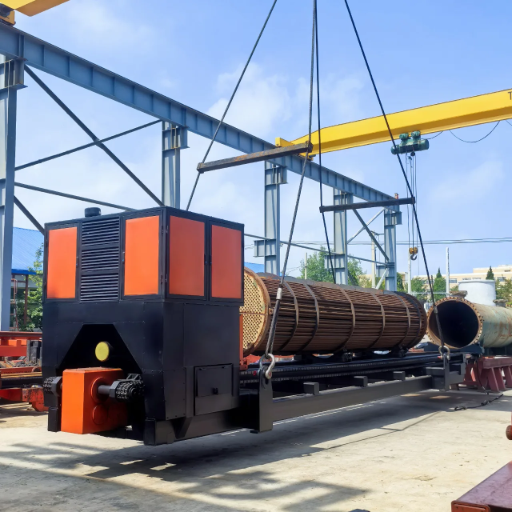
Best Practices for Refinery Turnaround and Bundle Extraction
Strategies for Efficient Turnaround
-
Proper Planning and Scheduling
The first step in the clearance turnaround planning is initiated. Scope, timeline, and resource requirements have been identified earlier. Next, the goal-setting and step-by-step scheduling are established, targeting as little operational downtime as possible.
-
Maintenance Inspections
Carry out repairs on parts of the equipment that show early signs of wear and tear before the turnaround to prevent their eventual failure during the outage. Proactive maintenance simplifies operation and cuts the risks of causing outages.
-
Use of Good Technology and Tools
For jobs like bundle extraction, employ the latest technology. The tools aid precision, reduce manual power consumption, contribute to the heightened security for the human workforce, and improve overall productivity.
-
Efficient Communication
There should be clear communication so that all teams that are a part of the process remain synchronized. Information should be shared on a daily basis through a centralized system, which will allow for the movement of information between concerned parties to keep the project updated, engaged, pinned down, and reworked as necessary.
-
Hiring Qualified Workforce
It is important that essential tasks be led by trained and seasoned professionals, who bring expertise to bear to mitigate errors, enhance turn-around efficiency, and expedite problem solutions.
-
Safety Comes First
Safety programs must be instituted and staff must be trained. This ensures that accidents do not take place, protects staff, and ensures compliance with laid-down rules.
Ensuring Compliance with Industry Standards
Turnaround compliance with industry norms for unit operation and catalyst extraction is key to ensuring operational efficiency, safety, and environmental protection. This requires the companies to follow the industry standards and local and international regulatory frameworks of relevant agencies. These standards encompass items such as equipment inspection, environmental regulations, workers’ safety, and operational processes.
Verification compliance requires thorough auditing of the entire turnaround process, ensuring that the tools, machinery, and mechanisms are within the set specifications of standards. Keeping a written track record is crucial if actual compliance proof and coveted best practices are to be delivered. Moreover, all staff involved in the turnaround must be educated on the latest safety and operational regulations.
Yet another dimension is environmental compliance, where the environmentally appropriate disposal of hazardous waste produced during the manufacturing process falls. Taking steps to reduce emissions, leaks, and spills is certainly an aspect that emphasizes respect for environmentally related laws and reduces the environmental impact of business activities. Inculcating compliance as a separate culture by showing the way in creating compliance sense, since it can abate considerable risks, save up on fines, and in maintaining their standing by business in their domain.
Cost-Effective Methods for Bundle Extraction
The end goal of companies is to find various ways to support optimal processes while using advanced technologies for the best possible bundle extraction. One of the great ways to reach the target is to integrate automation into the extraction system. Utilization of real-time monitoring tools will definitely help to identify inefficiencies or potential failures early, thus preventing increased downtime and associated costs. Also, employing modular or scalable systems will support flexibility in adapting to production demand within the least amount of capital outlay.
A further area to reduce costs is through the reduction of waste during the extraction process. It is, on the other hand, beneficial to introduce separation technologies, for instance, centrifugation or filtration and enhance material recovery thereby reducing waste of unprocessed materials. Moreover, this data could be used for trend analysis supported by informed operational decisions to further enhance process efficiency. Finally, innovative strategies may include the procurement of materials by working alongside the customer or supply chain partner at lower costs or to go a step further and change extraction techniques to reduce operational costs, while still maintaining high quality standards.
Reference Sources
-
“Multiperiod Refinery Optimization for Mitigating the Impact of Process Unit Shutdowns”
This paper discusses planning models to mitigate the impact of refinery shutdowns, providing insights into optimization strategies. Read it here. -
“Process Plants: Shutdown and Turnaround Management”
This book offers comprehensive guidance on managing shutdowns and turnarounds in refineries, including planning and best practices. Explore it here. -
“The Shutdown of Petroleum Equipment: Causes and Resolutions”
This thesis examines the causes of equipment shutdowns in refineries and provides strategies for effective management. Access it here. - Bundle Puller
![Polypropylene Resin: Grades, Types & Selection Guide [2026]](https://boshiya.com/wp-content/uploads/2026/05/0-150x150.webp)