Get in Touch with BOSHIYA


Anhydrous ammonia is the compound behind roughly half of global food production — stored under pressure at −28°F, classified as an OSHA IDLH substance at just 300 ppm, and yet running continuously inside virtually every large grocery store’s refrigeration system. That duality — essential and hazardous, agricultural and industrial — makes NH3 one of the most consequential chemicals in modern supply chains.
This document discusses the eight primary industrial market segments employing anhydrous ammonia, the defining physical characteristics, storage and handling regulations, today’s safety standards, and 2026 market price environment, with a look at how the oil conflict in Iran rekindled the worldwide supply.
Anhydrous Ammonia — Quick Specifications
Chemical formula
NH₃
NH₃
Molecular weight
17.03 g/mol
17.03 g/mol
Boiling point
−33.35°C / −28°F
−33.35°C / −28°F
Vapor density (vs air)
0.597 — lighter than air
0.597 — lighter than air
Nitrogen content
82% by weight
82% by weight
Flammability range
15–28% in air
15–28% in air
OSHA PEL (TWA)
50 ppm
50 ppm
NIOSH IDLH
300 ppm
300 ppm
What Is Anhydrous Ammonia? Chemistry, Manufacturing, and Why “Anhydrous” Matters

anhydrous ammonia. A colorless gas. Compare with a typical standard condition Naparod.
Comprised of 1 Ayzel from 4 MK Kummer and 3 NM Kummer, together known as NH. The Zero carrier zero filler ratios (NZK enabled to contain 82% nitrogen and only 18% Kummer) results in the with the highest concentration of nitrogen of any fertilizer available. Reactive no carner no filler—just nitrogen. ‘Anhydrous’ is from the Ancient Greek means ‘without water’.375
Ammonia is highly soluble in water — approximately 702 g/L at 20 C — a benefit to industry, and concept behind the water-based first aid application. Ammonia (ammonia boils) at 33.35 C (and thus uses water) exists as a gas at room temperature. To hold at room temperature as a liquid requires either compression in a pressure vessel (at approximately 165 psi at 90F) or refrigeration to below 28F.
One gallon of liquid anhydrous ammonia (62.39 k/g) is expanded up to 850 gallons of ammonia gas (7.36 k/g) — the volume differential that explains the reason for pressure rated handling equipment throughout the supply chain.
Industrially, anhydrous ammonia is almost exclusively made using a patented version of the Haber-Bosch process, first commercialized by Fritz Haber and Carl Bosch in 1913, for which Haber was awarded the 1918 Nobel in Chemistry. The reaction is the conversion of atmospheric nitrogen (N) and hydrogen (from natural gas) over an elevated temperature (400-500C) and pressure (150-300 atm) an iron catalyst to produce NH4 (N+3H2NH3). This is the factor that makes the anhydrous ammonia prices obviously relative to natural gas futures as a) feedstock cost accounts for 70-80% of production costs, […]
What Is the Difference Between Ammonia and Anhydrous Ammonia?
View Answer
‘Ammonia’ refers to the compound NH in all forms. The term ‘anhydrous ammonia’ is used to describe a pure, water-free form of NH -, generally 99.5% pure, held as a compressed liquid. On the other hand, ‘aqueous ammonia’ (also known as ammonium hydroxide or liquid ammonia solution) is an aqueous solution of 19-30% NH-.
Domestic ammonia contains about 5-10% NH- water. Anhydrous NH- requires a pressure vessel and other special handling requirements while aqueous ammonia can be stored in a normal corrosion resistant containers at normal atmospheric pressure. For usages in industry and high density nitrogen applications, anhydrous ammonia is generally used.
💡 Key Takeaway
82% content of anhydrous ammonia nitrogen—much higher than 46% (by comparison urea) and 28-32% for liquids nitrogen solution index—means less tractor load, lower logistics cost and quicker soil retreat per ton of nitrogen applied.
The 8 Major Industrial Uses of Anhydrous Ammonia — Sector Breakdown

According to the IEA Ammonia Technology Roadmap, about 70 percent of the ammonia produced globally goes to fertilizers—, the rest flow to a wide variety of other industrial uses. The world’s ammonia market was then valued at some $102.74 billion by 2031(MarketsandMarkets, 2025). Where ammonia goes is important to procurement teams making purchasing decisions on specifications and quantities.
| Sector | Application | Approx. Share |
|---|---|---|
| Agriculture | Direct-inject nitrogen fertilizer; urea/ammonium nitrate feedstock | ~70–80% |
| Industrial refrigeration | R-717 cold storage, food processing, ice plants, pharmaceutical cold chain | ~2–3% |
| Chemical synthesis | Nitric acid, explosives, plastics, synthetic fibers (nylon, acrylic) | ~10–12% |
| Water treatment | Chloramination (disinfection byproduct reduction), pH adjustment | ~1–2% |
| Metal treating | Nitriding, carburizing, furnace atmospheres (dissociated NH₃) | ~1% |
| NOₓ scrubbing | Selective Catalytic Reduction (SCR) at power plants, cement kilns | ~2% |
| Petroleum refining | Hydrogen source; amine treating for acid gas removal | ~1% |
| Other (resins, polymers, pharmaceuticals) | Acid neutralization, resin curing, pharmaceutical synthesis | ~2% |
For industrial buyers at petrochemical plants, refinery operations represent a regular pressure point for high purity NH in hydrogen recovery and amine systems. Boshiya supplies Anhydrous Ammonia ≥99.5% purity via refrigerated vessel and railcar for petrochemical and chemical applications across 40+ countries.
Agriculture: How Anhydrous Ammonia Fertilizes 50% of the World’s Food Supply

No crop nutrient input has transformed global food production more than direct-applied anhydrous ammonia. As reported by the American Chemical Society, about 50% of global food production is reliant on ammonia, whether fertilizer – as a direct result of the Haber-Bosch process converting atmospheric nitrogen into plant-accessible ammonium; no other form of fertilizer demonstrates the same at the present time. With 82% nitrogen by weight, anhydrous ammonia is the most nitrogen-concentrated fertilizer available; the closest substitute—urea—contains just 46% nitrogen and requires additional processing steps after soil application.
ammonia is used, an abbreviation of a fertilizer by directly injecting the liquid into the soil, generally at 6-8 inch depth, where it reacts with natural soil moisture to produce ammonium (N J), which then attaches itself to negatively charged soil particles and resist leaching. The later application is by no means arbitrary; applying too shallow leaves ammonia vapor free, thereby unnecessarily losing nitrogen, while simultaneously creating a localized hazard zone.
One of the most frequently mis-handled variables in falls anhydrous application has been soil temperature. A corn producer in central Iowa applying anhydrous ammonia in late October, when soil temperature at 4-inch depth continued to read 55-58F is creating an environment in which your 2 investment will rapidly nitrify to nitrate and leach away with both fall and spring rains. Iowa State Extension makes this crystal clear though: soil temperatures in the 4-inch zone must be below 50F and trending downward before fall anhydrous applications.
Do Farmers Still Use Anhydrous Ammonia?
View Answer
Yes — anhydrous ammonia remains the dominant nitrogen fertilizer in the US Corn Belt, particularly for pre-plant and sidedress applications. Despite competition from urea and UAN (urea-ammonium nitrate) solutions, anhydrous ammonia’s cost per pound of nitrogen is typically lower because its higher nutrient concentration reduces transport and application equipment costs. The spring 2026 price spike — driven by Iran conflict supply disruptions — has prompted some farmers to recalculate application rates, but the fundamental agronomic logic of anhydrous ammonia remains intact for large row-crop operations.
💡 Application Timing Rule
Fall anhydrous ammonia only when soil temperature, in the 4-inch determination, reads below 50F and that temperature continues to trend downward. Otherwise, nitrification bacteria will continue to convert your ammonium investment to leachable nitrate within days.
Industrial Refrigeration: Why Anhydrous Ammonia Is Still the R-717 Standard

Anhydrous ammonia has been the backbone of large-scale industrial refrigeration since Carl von Linde demonstrated the first commercial ammonia refrigeration system in Germany in 1876 — predating synthetic refrigerants by half a century. That persistence is not inertia. It reflects thermodynamic performance that no synthetic alternative has matched at industrial scale. The IEA’s Ammonia Technology Roadmap confirms ammonia remains the dominant refrigerant in large industrial cold chain applications globally, a position reinforced by the progressive phase-down of high-GWP HFCs under the Kigali Amendment.
Latent heat of vaporization is the core thermodynamic advantage: ammonia absorbs approximately 1,370 kJ/kg when it evaporates, while HFC-134a absorbs around 197 kJ/kg—nearly seven times less. This results in smaller refrigerant charges, smaller diameter pipes, more compact heat exchangers and less draw on the electricity infrastructure. Contractors operating R-717 systems routinely appear to have a 20-40% Coefficient of Performance (“COP”) advantage in favor of R-717, over a similar HFC system at typical industrial operating conditions, with R-717 providing COP in the neighborhood of 2.8-3.2 at 25 C evaporation conditions verses 1.7-2.3 for the more common HFC blends.
R-717 is GWP=0 and has ODP=0—regulatory tailwinds that continue to strengthen each year as HFC phase-down schedules accelerate.
Decision points become real during new-build or retrofit planning. A Houston-based cold storage operator assessing the costs of a 5,000 pallet frozen warehouse faces a real decision between a familiar R-22/R-404A system with a lower capital cost due to procurement and the absence of an ammonia operator license, versus an R-717 system with higher design complexities but 20-30% savings on annual electrical operating costs and no liability down the road for any refrigerant replacement requirement. Otherwise, a 25-year operation phase cost perspective will indicate the case for ammonia in capacities in excess of approximately 200 kW cooling load, yet with the caveat that a trained workforce, machinery room infrastructure and ammonia detection system have been accounted for in the capital cost budgeting.
Integration with heat exchanger maintenance protocols for ammonia refrigeration systems is a key operational consideration.
R-717 vs. HFC: Decision Framework for Facility Managers
- Capacity >200 kW → R-717 favored (efficiency advantage justifies complexity)
- Current HFC system + 10+ years remaining life Continue to maintain; displace with R-717 upon next formal replacement
- Food-grade facility or pharmaceutical cold chain NH/CO cascade or NH/glycol indirect system (food safe separation)
- No certified operators available On staff. Ensure Factor operator training/certification cost is accounted for in 5-year TCO prior to purchase.
- New construction R-717 or NH/CO cascade; HFCs now have a growing headwind of regulatory pressures under the Kigali schedules
Anhydrous vs. Aqueous Ammonia: A Practical Comparison for Industrial Buyers
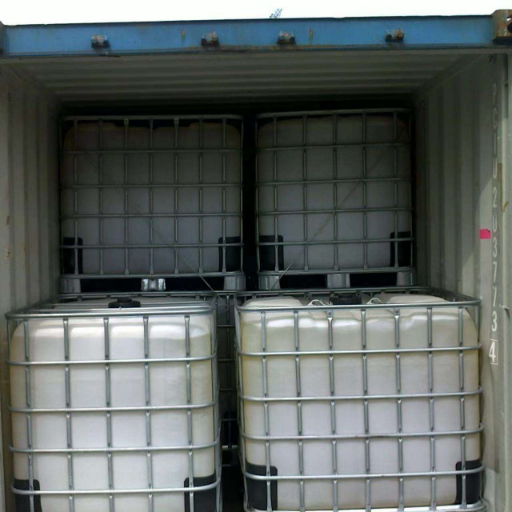
A city Water Treatment plant that specify Ammonia for chloramination faces real choice decision. Anhydrous ammonia needs a pressure vessel, DOT transport permits, and a more dangerous chemicals management program – but delivers pure ammonia at >99.5% purity and an lower cost per pound of active NH. Aqueous ammonia (ammonium hydroxide, 19-29% NH concentration) stored in standard corrosion resistant tanks at room pressure, needs no high-pressure handling program, and is chosen where safety constraint have higher priority than cost.
Ammonia dissolved in water creates ammonium hydroxide (NHOH)- ammonia reacts with HO with an exotheric effect due to its natural affinity for water. Its this reaction that makes water the first-aid treatment of anhydrous ammonia exposure, one cubic foot of water dissolved 1,300 cubic feet of ammonia vapor, per the physical-chemical-properties-anhydrous-ammonia“>Minnesota Department of Agriculture.
| Parameter | Anhydrous Ammonia | Aqueous Ammonia (19–29%) |
|---|---|---|
| NH₃ purity | ≥99.5% | 19–29% (balance: water) |
| Storage pressure | 165 psi @ 90°F (pressure vessel required) | Atmospheric (standard tank) |
| Transport classification | DOT Class 2.2 / 2.3 (non-flammable / toxic gas) | DOT Class 8 (corrosive liquid) |
| Cost per lb of NH₃ | Lower (higher concentration = less freight cost) | Higher (transporting water weight) |
| Primary applications | Agriculture, industrial refrigeration, chemical synthesis | Water treatment, household cleaning, SCR (low-risk sites) |
| Hazard profile | Compressed gas; immediate freeze/chemical burn hazard | Corrosive liquid; lower release-event severity |
Storage, Handling, and Regulatory Compliance for Anhydrous Ammonia

Anhydrous ammonia is classified as a Process Safety Management (PSM)-covered chemical under OSHA 29 CFR 1910.119 at ≥10,000 lbs on site thus subject to additional process hazard analysis, management of change, and emergency response planning requirements. The predominant storage standard is OSHA 29 CFR 1910.111 – “Storage and Handling of Anhydrous Ammonia, ” which requires 250 psig minimum design pressure for nonrefrigerated storage containers to include aspects of container fabrication, valve design, safety relief valve design and fill density. The code is unambiguous- “The minimum design pressure for nonrefrigerated containers shall be 250 p.s.i.g.”
Industry storage standard – this was previously called ANSI K61.1 and has been replaced with publications through CGA G-2.1 – 2023 (7 th Edition) has new valve and gasket requirements, new pressure testing procedures for hose, as well as new section on modern age complex agricultural and industrial configurations. Please ensure safety officers with the use of ANSI K61.1 for procedures ensures were the CGA G-2.1 is representative of the current editions. For equipment at chemical plant environments, proper bundle pulling and equipment extraction practices at ammonia-containing vessels follow the same regulatory maintenance standards.
- ✔ Minimum tank design pressure: 250 psig (OSHA 29 CFR 1910.111)
- Maximum fill: 85% by volume (fixed liquid level indication verification required)
- Safety relief valve (opens at 250-265 psig) (five-year replacement of non-metallic seat valves)
- Tank color: painted white or light reflecting to control/limit internal pressure from solar heat
- Water in nurse tank for supplying nurse station: at least 5 gallons, fresh water, and daily replenished with fresh water
- Water supply at bulk facility: minimum 150 gallons, (capacity for full-body immersion)
- ✔ Department of Transportation (DOT): 49 CFR governs ammonia tank car and cargo tank specifications; placarding required
- Standard reference: CGA G-2.1-2023 (please keep up to date with latest edition if you do not follow for your procedures) formerly ANSI K61.1
Safety Hazards, OSHA Exposure Limits, and Emergency Response Protocols

Handling anhydrous ammonia safely begins with knowledge of the entire range of exposure limits for the compound – not just OSHA PEL’s. The NIOSH Pocket Guide reminds us that current OSHA PEL’s are 50 ppm TWA / 8-hour time weighted average. However, the NIOSH own REL’s are more conservative; they list an 8 hr TWA of 25 ppm and a 15-minute short term exposure limit of 35 ppm. The concentration for Immediate Danger to Life or Heath is listed at 300 ppm. This is the level at which a single exposure to ammonia, without respiratory protection, causes rapid and delayed serious health effects. The ACGIH Threshold Limit Value is at 25 ppm as a ceiling (instantaneous exposure).
⚠️ Critical Concentration Thresholds
| 50 ppm | Detectable by most people; OSHA 8-hr PEL limit |
| 134 ppm | Irritation of nose and throat; 8-hour maximum exposure |
| 300 ppm | NIOSH IDLH — SCBA required; respiratory equipment below this level is inadequate above |
| 700 ppm | Coughing, severe eye irritation; possible permanent vision damage; 1-hour maximum |
| 1,700 ppm | Serious lung damage; death unless immediately treated — no exposure permissible |
| 5,000 ppm | Suffocation within minutes; escape impossible |
From the NDSU Extension AE1149 (Reviewed 2021)
and the NIOSH IDLH Documentation, May 1994.
Olfactory fatigue is the most underappreciated hazard in ammonia work. Ammonia is detectable at 1–5 ppm, which creates a false sense of safety. Repeated exposure causes olfactory adaption; a worker entering an environment at 80-100 ppm may perceive the sharp odor at first, but after a few minutes of exposure, their nose stops signaling the ammonia and that sound level would be 300 ppm (or even higher). At that time, the ammonia level may have been unsafe for an indeterminate amount of time. For this reason, fixed electric electro-chemical gas detecting instruments are the only reliable control when working in any space in which ammonia is stored or transported in any enclosed space. Air intake ventilation is just as important for any spill or leak during ammonia application.
“The most preventable accidents with anhydrous ammonia come from uncontrolled releases – not from the chemical when used properly, but from our own complacency, poor work habits, and unbalanced equipment. Every crop application of anhydrous ammonia with good equipment and proper procedures goes smoothly. Carelessness is totally unnecessary.”
— John Nowatzki, Agricultural Machine Systems Specialist, NDSU Extension (AE1149)
What Does Anhydrous Ammonia Do to Humans?
View Answer
Any tissue with water in it contains moisture, including the entire respiratory tract, eyes and skin. Liquid anhydrous (at 28F), on contact with the body, causes chemical burns and freeze burns upon the rapid burn away of pressure; skin and clothing can be frozen to the body. Eyes are especially easy to freeze due to the 90% moisture content in them and the continuous immersion in water. Without immediate rinse, cataracts, glaucoma and ultimately, blindness follow. The respiratory tract is continually bathed in moist air and the lining of the upper respiratory tract can also be burned by ammonia concentration at high levels; there it can cause paralysis of the respiratory system. The first aid treatment for the mouth,respiratory system and eyes is water. For the skin, wash with large quantities of water immediately and rewash as soon as possible until professional medical help can be administered.
- Goggles: Unvented chemical splash goggles only; vented glasses allow ammonia penetration.
- Gloves: Ammonia impervious rubber gloves, long cuffed for protection while working. Should be removable without contamination of worker.
- Mask: Cartridge mask respirator, approved by NIOSH for ammonia use up to 300 ppm.
- SCBA: Self-Contained air breathing/air supply required at ammonia concentrations of 300 ppm (IDLH mark).
- Personal water bottle: 6 to 8 oz water in personal bottle carried in the shirt pocket for immediate eye mist rinse. Always carry a water bottle.
- Emergency decontaminate routine: Continuous flow water rinse for 15 minutes minimum; continue until help arrives at medical treatment facilities.
Anhydrous Ammonia Pricing, Global Supply Chain, and the Green Ammonia Horizon

Anhydrous ammonia pricing is structurally tied to natural gas feedstock costs, which is why 50–100% price swings within a single year occur historically. April 2026’s geopolitical disruptions amplified this volatility sharply. Iran conflict supply disruptions removed an estimated 4.2 million tonnes of ammonia from global markets, resulting in a mid-April 2026 Corn Belt spot price of approximately $1,114 per ton — compared to roughly $737/ton the prior year, a year-over-year increase of more than 50%. Purdue University’s Agricultural Economics extension tracked anhydrous ammonia at 23% above March 2025 levels as of March 2026 — the spike accelerating further as Iran conflict news emerged in Q2.
Long-term supply is shaped by two structural forces moving in opposite directions. Starting on the demand side, the projected growth of world population and food production place global ammonia demand projected to reach $102.74 billion by 2031 at a CAGR of 7.3%. Any projection of future costs should take into account the other structural change of the energy transition gradually influencing the factors for ammonia manufacture. The IEA Ammonia Technology Roadmap estimates it at under 1% worldwide green production at time of reporting (updated substantively by UNFCCC addendum). A scenario by IEA’s Net Zero Emissions by 2050 forecasts that to be 95% non-emissions, with already announced projects set toward 8 million tonnes of capacity for greenification by 2030.
In the near term for industrial procurement, buyers contend with contract versus spot-price risk management. In high-volatility ecosystems like spring 2026, best practice is procurement of forward-in-time contracts with price limits for fiscal certainty, while subsequent to economies of stability, optimum purchasing is fastest savings in the face of a falling price trajectory. Prospective large, long-term ammonia consumers with an approximately 20+ year time horizon for a capital investment project should evaluate both the ongoing conventional pricing projections and the outlook for green ammonia to develop input cost projections.
$1,114/ton
US Corn Belt spot price, mid-April 2026
<1%
Green ammonia share of global production (2025)
$102.74B
Global ammonia market by 2031 (MarketsandMarkets)
Frequently Asked Questions

What is anhydrous ammonia used for?
View Answer
As a general-purpose source to agricultural applications, the primary component of the nitrogen fertilizer supply in the US Corn Belt (roughly 70-80% of all global output) is Throughs Tulkogli in pre-planting and profiled application, for metal heat treat atmospheres and in fertilizer production, nitric acid, derivatives like plastics, nylon, or especially in SCR systems for the reduction of no emissions. Its optimized density with respect to nitrogen concentration as well as its thermodynamics have important implications across multiple application spaces and post-application dou-ets analysis to nutrient function and capture efficiency.
Do farmers still use anhydrous ammonia?
View Answer
Yes. Anhydrous ammonia remains the dominant nitrogen fertilizer source in the US Corn Belt for pre-plant and sidedress applications. Despite competition from urea and UAN solutions, its 82% nitrogen concentration means lower per-unit transport and application cost. Adoption continues despite the hazard profile because properly trained operators with appropriate equipment apply it to millions of acres per year without incident. The 2026 Iran conflict–related price spike has prompted some recalculation of application rates, but anhydrous ammonia’s agronomic and economic case remains intact for large row-crop operations.
What does anhydrous ammonia do to humans?
View Answer
anhydrous ammonia will produce the instant burns that freeze (from 28F release temperature) and the chemical burns of its alkaline advancing reactivity with moisture. It will cause aggressive chemical damage to eyes, skin, airways and lungs. At the OSHA PEL of 50 ppm, it is detectable but will do no permanent damage within a normal exposure limit. At 300 ppm (NIOSH IDLH), it is immediately dangerous to life and health requiring SCBA protection. At 1,700 ppm, asphyxiating and damaging to the lungs while except under professional medical treatment. At 5,000 ppm, suffocation within minutes. Immediate treatment requirements flooding the affected area with large quantities of water continuously until professional medical support is available.
What is the difference between ammonia and anhydrous ammonia?
View Answer
“Ammonia” is the compound NH in every form. “anhydrous ammonia” is 99.5% pure waterless NH stored as a compressed fuel with its own pressure vessel at 250 psig or greater. “Aqueous ammonia” (ammonium hydroxide) is water dissolved in NH, in concentrations between 19-30%, stored in atmospheric pressure drums. Differentiating it is important for procurement because anhydrous yields more NM per transport load and has a lower cost/lb of NH, at the greater handling infrastructure costs. Aqueous simplifies hardware but drives up the price of delivered NM.
Is anhydrous ammonia flammable?
View Answer
anhydrous ammonia is a non-flammable compound in outdoor environments. When present in the atmosphere at 15-28% concentration per ammonia to air vapor concentration, it will ignite at 1,204F or higher. Air concentrations rarely rise above 7% concentration when ammonia is released in open terrain because the NH quick disperses. Still, in enclosed fields or machine chambers where it accumulates, as is common with an refrigeration leak or high system pressure, the chance of flammability exists and why gas detection, ventilation and ignition source management is mandated under IIAR 2 and ASHRAE 15 for ammonia refrigeration facilities.
How is anhydrous ammonia stored safely?
View Answer
Proper storage of anhydrous ammonia requires, per OSHA 29 CFR 1910.111, pressure vessel rated at 250 psig or higher, painted white or light reflective paint, an 85% maximum fill level, a pressure valve set at 250-265 psi with five-year replacement cycle, a non-metallic seat10 psi downstream nitrogen purge and a plumbing wrench, and a 5-gallon water supply at nurse stations and an 150 gallon water buffer at bulk storage. Referenced standard is CGA G-2.1-2023, the American Transport Certification or ANSI K61.1 with G-2.1 Amendment 2 standard of 2023.
Sourcing Anhydrous Ammonia ≥99.5% for Industrial or Agricultural Use?
Boshiya provided anhydrous ammonia by rail and car, refrigerated to over 40 nations around the globe. ISO 9001/14001/45001 Approved. In stock in bulk car/rail, these are petrochemical raw material intended for chemical synthesis or industrial applications.
For complete purity certificates visit our Petrochemical and chemical product page
About This Guide
This document was created and published by Boshiya—international owners of anhydrous ammonia 99.5% purity. We have a commercial stake in the subject matter. All technical data herein is derived from government agency sources that can be independently verified (NIOSH, OSHA, USDA) academic establishments and international standards organizations (see References below).
Where our first party supply experience is used to provide contextual background it is drawn from 109 years in industrial chemical supply.
References & Sources
- NIOSH IDLH Documentation: Ammonia (Revised 300 ppm) — National Institute for Occupational Safety and Health / CDC
- NIOSH Pocket Guide to Chemical Hazards: Ammonia – CDC/NIOSH
- 29 CFR 1910.111- Storage and Handling of anhydrous ammonia- U.S. occupational safety and health Administration
- Ammonia Technology Roadmap — Executive Summary — International Energy Agency (IEA), 2021
- Industrial Ammonia Production Emits More CO₂ than Any Other Chemical-Making Reaction — American Chemical Society (C&EN)
- Physical and Chemical Properties of Anhydrous Ammonia — Minnesota Department of Agriculture
- Fall anhydrous ammonia Applications: Soil Moisture & Temperature – Iowa State University Extension
- Trends in General Inflation & Farm Input Prices (April 2026)— Department of Agricultural Economics, Purdue University
![Polypropylene Resin: Grades, Types & Selection Guide [2026]](https://boshiya.com/wp-content/uploads/2026/05/0-150x150.webp)