Get in Touch with BOSHIYA

Inside Bundle Cleaner: Complete Buying Guide

A tube bundle cleaner functions as essential equipment for industrial facilities because it helps organizations sustain optimal performance throughout their equipment lifespan. Tube bundles need complete cleaning because they run through all sectors which use heat exchangers including oil and gas operations and power generation. The process of selecting the most appropriate tool from the available options becomes challenging when multiple technologies exist. This guide is designed to demystify the process. We will show you all the necessary information to help you buy with assurance after we explain essential product characteristics and various product categories. The appropriate tube bundle cleaner will help you improve operational efficiency while protecting your equipment.
Contents
show
Understanding Bundle Cleaning

Tube bundle cleaning involves the elimination of all dirt and scale and all other substances that build up inside tube bundles which are essential components of heat exchangers and similar systems. The maintenance of clean tube bundles enables equipment to achieve maximum heat transfer efficiency while protecting against corrosion and increasing equipment durability. Cleaning activities provide two advantages because they enhance performance and decrease energy use and operational expenses. The most popular methods for cleaning include mechanical cleaning which uses brushes or drills and high-pressure water jetting. The selection of a cleaning method needs to consider three factors which include the nature of the buildup and the tube material and the needs of the operation.
What is a Bundle Cleaner?
A tube bundle cleaner is a specialized tool or piece of equipment which removes debris and scale and other deposits from both the interior and exterior surfaces of tube bundles that are commonly used in heat exchangers and condensers and boilers. The cleaners use different cleaning methods which include high-pressure water jetting and chemical cleaning and mechanical cleaning through rotary brushes to achieve complete cleaning results. Modern tube bundle cleaners use advanced technology through automated systems and robotic features to achieve better cleaning results while protecting operational safety and reducing equipment downtime. The devices maintain tube bundle cleanliness which results in optimal heat transfer performance and reduced energy consumption and extended equipment operational lifespan.
Importance of Bundle Cleaning
Tube bundle cleaning is maintenance procedure that has great significance for keeping the operational efficiency running and for further prolonging the serviceability extended to heat exchangers used in almost all the industries. The passage of time results with the accumulation of the contaminants, particularly scales and foreign materials as well as biological growth, in the tubes thus creating a situation that hampers the heat transfer performance. The heat transfer becomes less efficient, increasing energy consumption, resulting in higher operating expenses, and the risk of equipment failure. Hence, the use of regular schedules of cleaning in combination with advanced cleaning like high-velocity water jetting and ultrasonic cleaning can create a significant reduction of the possibility of unexpected failures.
20%
Rise
Growing awareness around the topic has seen searches related to “how to clean tube bundles effectively” and “best tools for bundle cleaning” increase by more than 20% over the past year. Such a surge indicates the realization that preventive maintenance will reduce downtime while increasing reliability of the system. Among its benefits are a greater energy efficiency in conjunction with the use of more contemporary cleaning technologies that translate to lesser carbon emissions. This very commitment reflects the sustainability parameters held by the companies that are forced to remain operationally efficient.
Safety Considerations When Using Bundle Cleaning Equipment
The use of bundle cleaning equipment demands operators to follow safety rules because this is the only way they can operate equipment safely and avoid all accidents. Operators must receive proper training to handle equipment because they need to learn both operational controls and emergency procedures. Protective equipment (PPE) which includes gloves and safety glasses and high-visibility clothing provides essential protection against chemical exposure and high-pressure spray and mechanical dangers.
- ▸
The equipment needs a complete inspection before operation starts to confirm that all parts function safely. Using equipment while it shows any signs of damage or wear needs immediate repair work to prevent operational failures. - ▸
The work area needs proper ventilation while all items that create slipping risks must be removed. The cleaning process requires strict adherence to manufacturer instructions because cleaning solution compatibility with the material needs to be verified before use. - ▸
Operators need to keep safe distances from all equipment during operation including high-pressure nozzles while using proper locking mechanisms to hold bundles in position. The cleaning system requires regular maintenance to stop unexpected equipment breakdowns. - ▸
The team needs to establish a strong communication network which will help them work together and handle emergency situations that come up.
Types of Bundle Cleaners
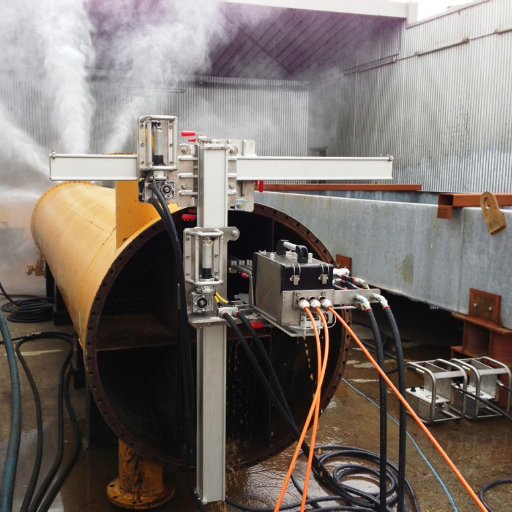
Overview of Different Bundle Cleaner Models
Bundle cleaners come in several models, each tailored to specific cleaning requirements and operational conditions. The most common types include:
Model 01
Rotary Bundle Cleaners
These cleaners use rotating nozzles to remove dirt, scale, and deposits effectively. The system operates at its best when it needs to conduct thorough cleaning procedures which require high accuracy, because its design provides optimal performance for that task.
Model 02
Hydraulic Bundle Cleaners
These models use high-pressure water jets for surface cleaning, which protects the equipment from damage while they clean. This technology functions effectively for materials which require special protection because it uses water jets that create high-pressure cleaning.
Model 03
Pneumatic Bundle Cleaners
Designed for systems requiring air-driven operation, these are commonly used when water or electrical power sources are not viable.
Model 04
Fixed Nozzle Bundle Cleaners
These models use stationary nozzles which provide operational reliability for their basic design, making them suitable for handling routine cleaning duties.
The correct model selection process requires evaluation of three factors which include the deposition types, bundle material composition and the specific environmental conditions.
Comparative Analysis of Bundle Cleaners Equipment
The comparative analysis of bundle cleaners includes hydraulic, pneumatic, and fixed nozzle bundle cleaners.
| Key Point | Hydraulic | Pneumatic | Fixed Nozzle |
|---|---|---|---|
| Power Source | Water | Air | Stationary |
| Mobility | High | Moderate | Low |
| Cleaning Speed | Fast | Medium | Slow |
| Complexity | High | Medium | Low |
| Operational Range | Wide | Limited | Basic |
| Maintenance | Medium | Medium | Low |
| Cost Efficiency | Moderate | High | High |
| Best Use Case | Tough | Remote | Routine |
Key Features of IBC-5 Bundle Cleaner
The IBC-5 Bundle Cleaner serves as an industrial cleaning solution which efficiently cleans heat exchanger bundles from industrial facilities. Its design and technological elements work together to produce exceptional operational results. The IBC-5 Bundle Cleaner includes the following main components.
Feature 01
Dual Power Capability
The system provides dual power options through its hydraulic and pneumatic systems which enable operation in different settings.
Feature 02
High Mobility
The system allows simple movement between locations while remaining operational for use in difficult field operations.
Feature 03
Optimized Cleaning Speed
The system delivers faster cleaning results through its advanced cleaning process which decreases operational downtime.
Feature 04
Ease of Use
The system enables easy operation through its straightforward controls and basic design which operators with minimal training can handle.
Feature 05
Wide Operational Range
The system operates across a broad range of operations which enable it to clean different bundling configurations and complex structures with accurate and effective performance.
Feature 06
Durability and Reliability
The system uses strong materials which withstand extreme conditions found in industrial environments.
This advanced cleaning tool enhances productivity while ensuring safety, making it an ideal choice for demanding cleaning tasks within the industrial sector. The IBC-5 system uses its advanced features to deliver performance which meets contemporary maintenance requirements.
Key Components of Bundle Cleaning Equipment
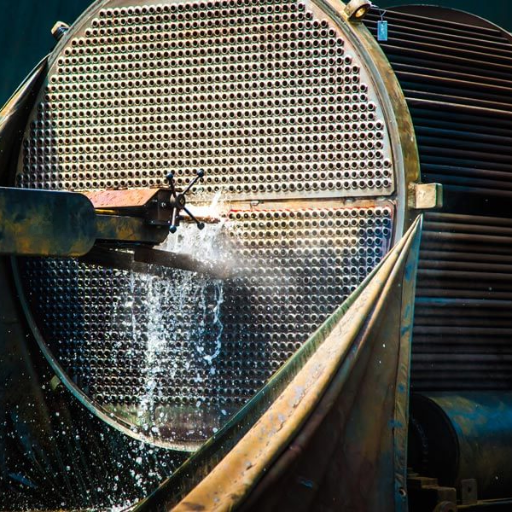
The aforementioned characteristics enhance processes inside bundle cleaner, increasing the quality, performance, and the flexibility of the apparatus, and consequently, it is widely used in industrial applications to keep systems operational.
Role of Tubes in Bundle Cleaning
Heat exchangers are one of the important systems that require frequent upkeep of their structurally significant elements such as tubes. Inside the bundles, the tubes can collect a variety of deposits including deposits of scales, sludges and other grime which interfere with the normal heat flow and damage the equipment. It is for this reason that these tubes are cleaned to make them operational and to protect the system for extended periods. High pressure jetting and chemical cleaning are modern tube cleaning techniques which are intended to remove such deposits without inflicting any harm on the tubes themselves. Current information shows that more and more industries are embracing newer and more advanced cleaning techniques that seek to serve the purpose more accurately and at the same time minimize the levels of downtime for maintenance. By focusing on the cleanliness and integrity of tubes, maintenance teams can significantly enhance energy efficiency, reduce operational costs, and maintenance, neglect of which would be inappropriate in the face of the inclusion of industrial normal issued to the systems.
Technical Specifications to Consider
When purchasing bundle-cleaning equipment, there are certain key technical considerations you should investigate for performance and reliability sake. They are as follows:
| Specification | Details |
|---|---|
| Pressure Output and Range | The cleaner must have variable pressure settings to handle different degrees of fouling, with the biggest playing field for adjustments between 10,000 and 40,000 PSI, which is necessary for proper cleaning without damaging tube surfaces. |
| Flow Rate | A high rate of flow, measured in gallons per minute (GPM), leads more effectively to the allowance of the disassociation of debris and scale after a shorter period of cleaning. |
| Material Compatibility | The best made cleaning spray machines have nozzles and other equipment components of materials that are malleable to corrosion, such as stainless steel to endure in harsh environments and still warrant durability. |
| Automation & Control Options | Advanced machines with automatic controls help maintain precise operating conditions while diminishing the human factor by not having to exercise manual control, thereby minimizing workplace risks and maintaining conformation with safety standards. |
| Mobility and Compact Design | For big plants where many heat exchangers are scattered over large expanses, easy-portable systems deliver convenience. |
| Energy Efficiency | Over and above other fundamental operations aspects, cutting-edge cleaning equipment normally ensures energy-efficient designs. This was firmly articulated in that, generally, industrial units need to develop concerns regarding the applicability of sustainability principles in their respective domains of operation. |
When considered with the fleet of the latest technology, including machine learning applications driven by Google’s artificial intelligence, industries can easily foresee their next cleaning needs, arrange for hours that provide time-efficient schedules, and monitor real-time data successfully. Definitely extending life expectancy, this now supports the era that advocates more intelligent, data-driven application of maintenance.
Choosing the Right Bundle Cleaner
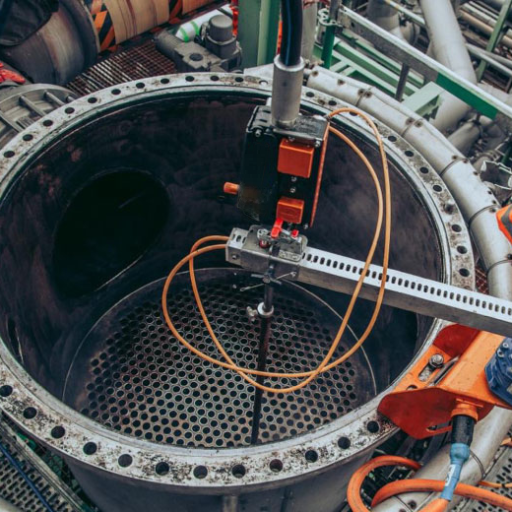
Factors to Consider When Buying
- 01
Material Compatibility
Make sure the bundle cleaner works in tune with the materials and surfaces of the heat exchangers or bundles to prevent any damage during a cleaning session. - 02
Cleaning Efficiency
The high-pressure and superior spraying arrangements ensure a complete and effective cleaning. - 03
Ease of Operation
Always look out for bundle cleaners that provide friendly operation and ergonomic design. - 04
Portability and Size
Observe the weight and size, necessary properties for transport if a cleaner must be changed often for different applications. - 05
Maintenance and Durability
Choose a cleaner made from hard materials that can cope with tough conditions. Consider the time for general maintenance and availability of spares.
Tips for Evaluating Equipment Efficiency
- ▸
Flow Rate and Pressure
Evaluate the flow rate and pressure exerted by the machine to gauge the power required to conduct cleaning effectively and to ensure safety of the equipment from damage. - ▸
Energy Consumption
Look into the energy efficiency of the machine to lessen the operational costs, while keeping the performance at its best. - ▸
Cleaning Time
The time it takes for the machine to treat a surface must be kept in mind because it is a priority when you consider downtime and efficiency. - ▸
Amount of Water Used
How many gallons does the unit entitle once the unit gets activated? Overuse of water can fire expenses as well as a larger loss to the environment. - ▸
Cleaning Coverage
The cleaner needs to be able to access the entire area to clean it, including those areas which are difficult to access, without leaving some areas partially cleaned.
Common Applications of Bundle Cleaners
Industry 01
Maintenance of Heat Exchangers
Bundle cleaners are frequently employed in the cleaning of debris, scale, and deposits from the tubes of the heat exchanger to maintain thermal efficiency.
Industry 02
Industrial Plant Operations
They play a significant role in maintaining bundle-of-tube equipment such as petrochemical, power generation, and refinery plants.
Industry 03
Food and Beverage Industry
Employed in cleaning procedures of machines such as pasteurizers and condensers, bundle cleaners help in maintaining hygiene and functionality.
Industry 04
The Marine Industry
Also used aboard ships and offshore platforms to remove marine growth and other deposits from heat exchangers and condensers.
Industry 05
Pharmaceutical
During process, they help maintain clean and optimal operation of heat exchangers and condensers for produces.
Maintenance and Care for Bundle Cleaners
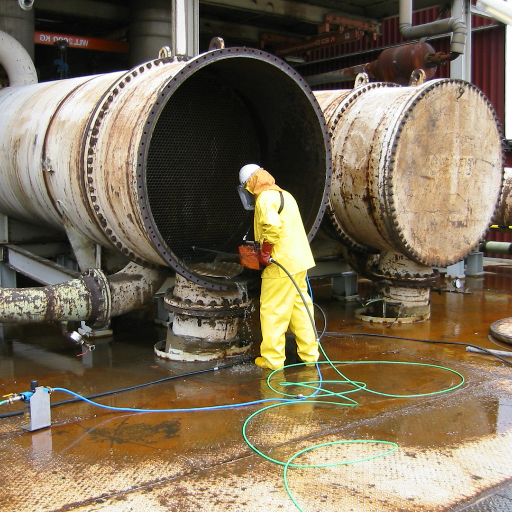
Routine Maintenance Practices
To make sure your bundle cleaners have a long and useful life, set aside some time for maintenance activities. Here are some key steps:
Advancements in performance and downtime reduction from the maintenance of the bundle cleaners are directly based on compliance with the procedures described and laid down by the Manufacturer. As such, mutual sharing of experiences with other users and best practices could help in enhancing maintenance even further.
Common Issues and Troubleshooting
| Issue | Cause | Solution |
|---|---|---|
| Poor Cleanliness Level | Clogging or scaling of nozzle or inner parts. | Regular inspection and cleaning of nozzles with necessary tools for cleaning refine crawling and cleaning agents liquid smoothness through it. |
| Equipment Heating | Less lubrication or continuous long-time use of the unit. | Check lubrication levels and apply accordingly recommended by the manufacturer. Allow equipment to cool down periodically during prolonged use. |
| Leaking in the System | Leakage in the hoses, seals, and fittings. | Inspect for any physical damage and replace the faulty components. Make sure all the connections are tightly secure. |
| Irregular or Low Pressure | Blockage in the lines, pump issues, or insufficient water supply. | Clear any blockage, test pump operation, and verify water pressure from the source. |
| Unusual Noise or Vibration | Unbonded parts, misalignment, and internal wear. | Make the system tighter and align components properly. Replace whatever is worn. |
Often, annual inspection and operation enhance the time difference. For further elaboration and long-term troubleshooting, you are strongly encouraged to refer to the user manual or have the manufacturer support team clarify just that.
Best Practices for Longevity of Equipment
Bundling making machines need maintenance regularly to elongate their lives. Maintenance is key, starting with cleaning periods up, for important parts will prevent clogging with debris or chemical residue that will disrupt machinery’s trouble-free operation over time. Any periodical machinery inspections have to be carried on through time until worn or destroyed parts can be detected and corrected. Without proper lubrication, machinery parts inherently rub together, creating friction that restricts further performance and life expectancy.
An equally good beginning is to work machinery according to laid down recommendations. Operating machinery at a rated higher capacity will only commence straining at the machinery and induce mechanical failures in the future. Proper training of all operators into how to use the bundle cleaner correctly and with due precautions for safe handling purposes is essential. Misuse of machinery would promptly retard machinery useful life.
Lastly, put the cleaner in a dry, safe place after every use. When shielded from moisture, the environment of supercold temperatures and the rest of the smaller facets, there will be very low chances of remorse and possible harm to delicate components. Accessories and attachments should be inevitably put away into their proper places in accordance with the regulations laid down. Adhering to the best practices, the cleaners will continue to service quite proficiently and their work life span maximized.
Reference Sources
-
Heat Exchanger Fouling: Mitigation and Cleaning Strategies – Discusses cleaning strategies for heat exchangers, including tube bundle cleaning techniques and their effectiveness.
-
Full Bundle Mechanical Cleaning of Pressurized Water Reactor Steam Generators – Explores mechanical cleaning methods for tube bundles in steam generators, detailing equipment and processes.
-
Development of a Pipeline-Cleaning Robot for Heat-Exchanger Tubes – Presents a robotic system for cleaning heat exchanger tubes, bridging the gap between manual tools and large-scale industrial cleaning equipment.
- Bundle Cleaning
Frequently Asked Questions
Bundle Cleaning — Automation, Safety, Maintenance & Performance
![Polypropylene Resin: Grades, Types & Selection Guide [2026]](https://boshiya.com/wp-content/uploads/2026/05/0-150x150.webp)