Get in Touch with BOSHIYA

Petrochemical Heat Exchanger Maintenance Strategies for Optimal Performance

Petrochemical plants require heat exchangers that deliver dependable performance together with complete operational efficiency. The equipment handles heat treatment while ensuring process efficiency and maintaining safety for workers and equipment. All mechanical systems experience defects and heat exchangers face fouling and corrosion which result in operational efficiency loss and potential complete system failures because of inadequate maintenance procedures. The complete guide describes essential maintenance activities for heat exchangers while presenting methods to prevent breakdowns and critical maintenance needs and advanced technologies that boost equipment performance and extend its operational lifetime.
Contents
show
01
Importance of Heat Exchanger Maintenance
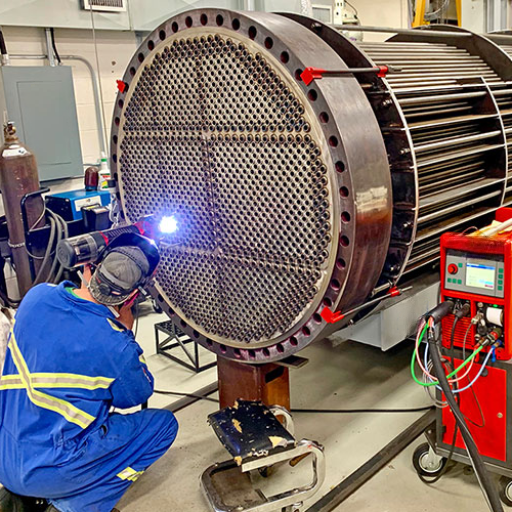
The operational efficiency of heat exchangers which receive proper maintenance and their maintenance work leads to less downtime for operations. The scheduled maintenance procedure protects heat exchangers from common issues which include fouling and corrosion and leakage that result in decreased heat transfer efficiency and heightened energy needs. Maintenance activities that follow proper procedures help organizations save expenses from equipment needlessly replacing and improve their facility operations at all times while maintaining both safety standards and equipment performance reliability.
Companies use their established routines for conducting inspections and cleaning activities to improve system performance while extending equipment durability and lowering energy usage and meeting safety requirements and industry regulations.
Benefits of Routine Maintenance
02
Role of Heat Exchangers in Petrochemical Plants
Heat exchangers function as essential operational elements in petrochemical plants because they operate as the main systems which handle both hot and cold production processes while recovering energy. The systems transfer thermal energy between two non-mixing liquids or gases which enables the production process to maintain its operational stability while keeping product quality intact. The implementation of modern heat exchangers results in decreased operating expenses because they require less power and their systems undergo process enhancements.
Key Functions and Modern Developments
03
Consequences of Poor Maintenance
Industrial facilities, such as the heat exchanger, are negligently maintained have historically descended the slope to operational impairments, alongside expensive financial losses and endangerment of safety. Degradation of equipment due to fouling, corrosion, and blockage in the overall result decreases thermal efficiency, leading to higher energy consumption; ultimately, increased operating costs-the passing state of wear and tear can unexpectedly lead to threat of breakdowns and heavy production losses, disrupting production in regard to uptime to the supply chain.
Risk Category 01
Safety and Environmental Risks
A poorly functioning system interrupts produce as leaky, experiencing pressure problems, clogging, or worse-breaching accidents, to park an outcome as risky as petrochemical plants processing hazardous substances; and these risks are further compounded with possible environmental consequences, i.e. unnoticed leaks or discharges for the regulators warrant substantial monetary fines and reputation loss.
Research Insight
Financial Impact
15–20%
more emergency repair costs
Lifecycle findings in Industrial Research suggest: An incomplete maintenance regimen subjects plantations to about 15-20% more emergency repair bills and production stop expenditures compared to the plants that were already guided through preventive maintenance programs.
04
Types of Heat Exchangers
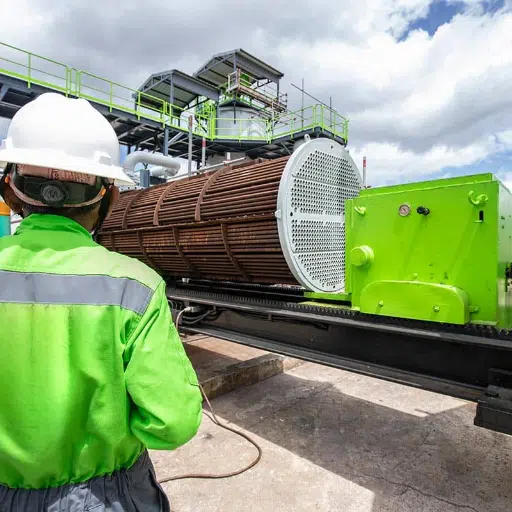
Heat exchanger categories are defined through design and the logic of operation. Being familiar with these categories becomes crucial in determining the right equipment, and obviously the right approach towards its maintenance in relation to specific applications.
Type 01
Shell and Tube
Numerous tubes where one side contain a fluid running through and the other the fluid runs between tubes and the casing. They find application in industry due to their capacity to operate at high pressure and temperature and withstand rough handling.
Type 02
Plate Heat Exchangers
A modern type in which thin embossed metal plates are used to enhance quick heat transfer between two fluids. Compact and efficient, widely used in cooking and cooling system applications.
Type 03
Air-Cooled
Allow for the heat exchange process through fluid cooling with the help of ambient air. They are frequently used in water scare or water-less places like in offshore installations or arid regions.
Type 04
Double Pipe
Simple design consist of one fluid passing through the inner pipe and another passing in the outer pipe. Generally lesser in cost and suitable for processes requiring minimal heat transfer.
Type 05
Finned Tube
These aid in heat transfer by equipping tubes with fins or extended surfaces. Usually found in systems demanding high thermal efficiency, like those of a refrigerator or air conditioner.
Shell and Tube Heat Exchangers
Shell and tube heat exchangers are durable and versatile exchangers, allowing them to be used in any industry. These units comprise tubes in a shell that create space to exchange heat between two fluids using an indirect means: one fluid travels inside the tubes, while the other flows within the shell outside the tubes.
Shell and tube exchangers are designed for high pressures and high temperatures, and are valuable for use in power generation, petrochemical, and HVAC processes. They are also suitable for large temperature splits, easy maintenance, and space-enhancing designs. A thermal performance, pressure drop, and the compatibility of fluids are considered more important to those engineers considering this equipment so that it can satisfy the inherent demand of the process properly.
Plate Heat Exchangers
Plate heat exchangers are indispensable for heat transfer applications where two fluids must be brought into contact, side-by-side with a minimum amount of space. This technique uses thin plates with wavy or corrugated structures through which two fluids flow simultaneously. Through this arrangement, the generated turbulence increases the heat transfer coefficients whilst reducing the area required. Hence plate heat exchangers are most widely selected when it comes to compactness and thermal efficiency, among fields such as food processing, chemical processing, and HVAC systems.
Main Benefits
- ✓Adaptability and Energy Efficiency: Superior performance of such systems relative to the traditional shell and tube models.
- ✓Easy Access to Cleaning: Owing to its disenabling setup allowing for an easy break up of the set up for cleaning. More especially beneficial to the health and hygiene conscious industries.
- ✓Consumer-Friendly Module Setup: Adding new plates or changing them for running different operating parameters.
- ✓Energy Recovery: A lower pressure drop and the ability to utilize smaller temperature differences are definitely indispensable to sustainable systems.
Comparative Analysis of Heat Exchanger Types
| Type | Key Features | Common Applications | Advantages | Limitations |
|---|---|---|---|---|
| Shell-and-Tube | High pressure | Power plants, oil refineries | Durable, efficient | Bulky, costly |
| Plate | Compact design | HVAC, food processing | Modular, efficient | Limited to low pressure |
| Finned-Tube | Enhanced surface | Automotive radiators | High heat transfer | Complex cleaning |
| Air-Cooled | No water needed | Petrochemical plants | Water saving | Weather dependent |
| Double-Pipe | Simple structure | Small-scale industries | Cost-effective | Limited capacity |
| Regenerator | Heat reuse | Gas turbines, steel plants | Energy-efficient | High maintenance |
05
Routine Inspection Protocols
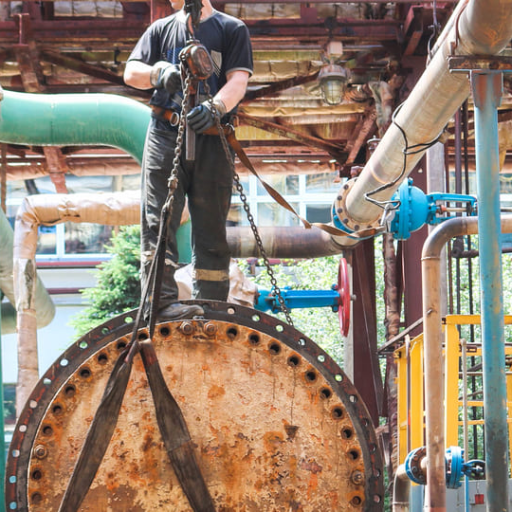
For effective operation, reliability and for the standards of safety, it becomes very important to look at the periodic inspection of heat exchangers. The protocols below are meant to help in assessing through an exhaustive inspection.
Repetitive and frequent follow-up on the application of these inspection protocols will ensure an extended lifespan for the heat exchanger system with better energy efficiency, besides minimizing unplanned downtime.
06
Establishing a Maintenance Schedule
By blending three types of maintenance schedules — preventive maintenance, condition-based maintenance, and predictive maintenance plans — the correct and efficient maintenance of heat exchanger systems.
Schedule Type 01
Preventive Maintenance
Scheduled cleaning and inspection of the heat exchangers on a regular basis in conformity with manufacturers’ recommendations are carried out in this preventative maintenance. The maintenance schedules are the same for all equipment, regardless of their working conditions.
Schedule Type 02
Condition-Based Maintenance
This does servicing only when some predetermined levels are exceeded, using data obtained by various sensors and various sources to predict an occurrence before it is recorded as occurring.
Schedule Type 03
Predictive Maintenance
Artificial intelligence, further advanced analytics through our historical and state-of-the-art tools, and real-time monitoring techniques forecast future issues; thus, we will be able to correct what should have been; therefore, anticipation reduces a downtime in an unplanned situation; the most effective way is using predictive methods.
Key Inspection Points
Documentation and Record Keeping
For operating efficiently or in compliance with regulatory requirements, documentation and record retention are essential. One should have percipient and methodologically organized records that set down maintenance stuff, inspection logs, or calibration records. The conferment thereon should date every entry, sign his name to it, and situate it securely in a central position in his premises where it accommodates review at any time. The margins of a paper-based record system are kept valid by periodic updates of testing and verification. In addition, the desire to ensure reliability fixes the bug, and this hallmark will eventually serve as proof in face of audit or inquiry.
07
Common Fouling Challenges
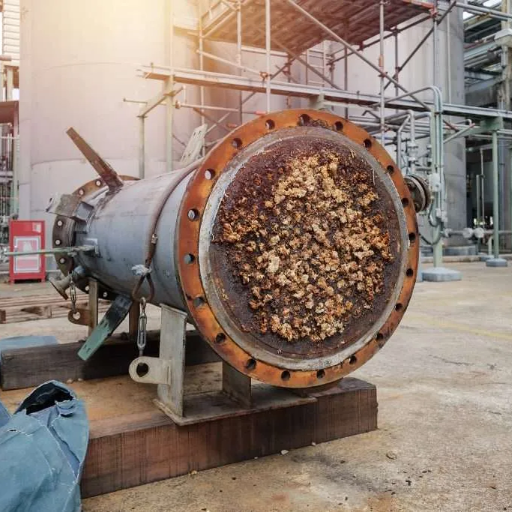
Fouling is the laying down of undesirable substances on its surfaces that greatly reduce a system’s efficiency and necessitate expensive maintenance. It is very crucial to understand and deal with these issues in order to maintain the exchanger performance.
Type 01
Scaling Fouling
Scaling fouling may result from salts, particularly from the crystallization of such salts as calcium carbonate or magnesium sulfate. Hard water areas are most affected by scaling, potentially reducing the heat transfer process to an insignificant level.
Type 02
Biological Fouling
Accumulation and growth of microorganisms such as algae or biofilms on heat exchanger surfaces. Very often it could lead to blockages with a considerable rise in pressure drop.
Type 03
Particulate Fouling
Deposition of solid particles, such as dust, dirt, or suspended matter, followed by its own set of effects in the fluid stream. Exposure to debris-laden operational surrounding areas or without current water treatment would be the main causes.
Type 04
Corrosion Fouling
It results when metal surfaces are exposed to liquids and gases, oxidizes, and creates products such as rust. These deposits reduce the efficiency of heat transfer, sometimes leading to metal failure too early.
Type 05
Reaction Fouling
The formation of insoluble by-products during the chemical reaction of process fluids and foulants upon the heat exchanger surfaces. Systems with oil, hydrocarbons, or reactive substances usually undergo this type of fouling.
Impact of Fouling on Efficiency
Again, deposition causing fouling makes heat exchangers terribly inoperable regarding thermal and hydraulic performances. The following suggest significant negative fouling effects on the efficiency:
2–50%
Heat Transfer Loss
The deposits act as thermal insulators that lower the overall rate of heat transfer by 2-5% in the case of minor fouling and by up to 50% or more for severe types of fouling.
10–30%
Energy Consumption Rise
Research suggests that energy consumption increases by 10 to 30%, thus increasing overall operational cost.
20–50%
Increased Flow Resistance
Laying down fouling material shrinks available areas and causes blocks to flow, creating a greater differential pressure across the heat exchanger.
Strategies for Reducing Fouling
Successful pro- and anti-foul development involves a combination of both preventive and corrective measures. The following formulations maintain system efficiency and longer equipment life:
- 01Continuous Chemical and Physical Cleaning: Maintenance system with such degreasing once a while helps avoid fouling and therefore maintains efficient heat transfer.
- 02Operating Conditions Optimization: The aim should be to reduce the rate of deposit formation by decreasing temperature and regulating flow, with a fully-working cleaning system of fouled sections from time to time.
- 03Strategic Materials Selection: Their great resistance against fouling increases the industrial performance in these materials. This improves the process of rhyming sessions at various stages of growth and further their development for the strategic market.
- 04Online Monitoring Techniques: Proprietary sensing technology and data libraries provide instantaneous feedback prompting direct investigations.
08
Heat Exchanger Cleaning Techniques
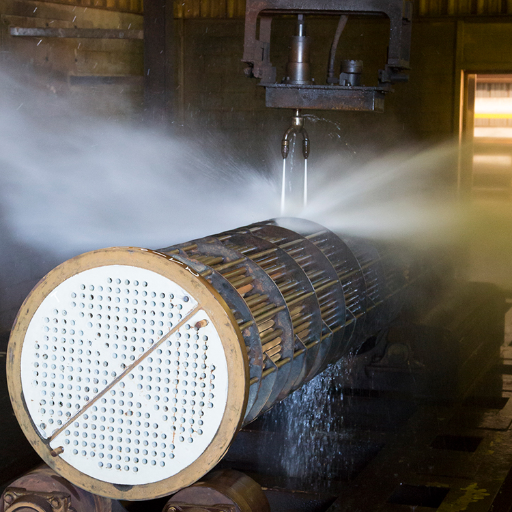
Effective cleaning methods for heat exchangers vary with fouling type. The removal techniques are mostly given in the following:
Method 01
Chemical Cleaning
Concentrated chemical goods are used, which are chosen according to the necessity, to dislodge or dissolve the deposit. Acid cleaning solutions are used for de-scaling, and alkaline or neutral cleaning solutions are used for removal of such things like organic matter.
Method 02
Mechanical Cleaning
These are made up of brushes, scrapers, or high-pressure water jet blasting, which removes solid debris from the surface of heat exchanger surfaces.
Method 03
Hydro Blasting
Using super-high water pressures to clean away even the most stubborn of deposits, while leaving surfaces completely intact from damages.
Method 04
Pigging
Specific pig-shaped objects are inserted into pipelines to remove all sorts of fouling inside tubular systems in particular.
Method 05
Foam Cleaning
The foam resources used have excellent penetrability, so it is considered appropriate for areas in which it is really difficult to access.
Important: Routine cleaning and regular checkups are necessary to maintain maximum efficiency and to avert lasting damage of equipment.
High-Pressure Cleaning Methods
High-pressure water jets or high-pressure liquids are used for scaling and debris removal from all kinds of surfaces. This is beneficial for industries where the efficiency of the entire process depends on precise cleaning.
Choosing the Right Cleaning Agents
Choosing the right cleaning materials may significantly aid in achieving superior quality, maintaining safety and meeting any compliance requirements. The choice of material will depend on the cleaning product, type of soil, and constraints imposed by industry regulations.
Critical Factors
- ✓Alkaline Cleaners: Perfect for the removal of oil and grease.
- ✓Acidic Cleaners: Suitable for dealing with minerals and rust.
- ✓Read Product Labeling: Review labels and technical data sheets for surface compatibility and risk assessment.
- ✓Eco-Friendly Alternatives: Assess biodegradable products, considering lowering environmental impacts without giving up performance.
- ✓Test First: Always carry a piece of a test somewhere small and inconspicuous first to prevent unintended damage.
Best Practices for Cleaning Heat Exchangers
Indeed, the adoption of these regulations will maintain performance, extend equipment life, and diminish the extent of unexpected downtime.
Reference Sources
-
Heat Exchanger Application for Environmental Problem-Reducing in Flare Systems of an Oil Refinery and a Petrochemical Plant: This study investigates the design and optimization of heat exchangers in petrochemical plants to improve efficiency and reduce environmental impact. Access the study here.
-
A Corrosion Failure Analysis of Heat Exchanger Tubes Operating in Petrochemical Refinery: This paper analyzes corrosion issues in heat exchanger tubes and their impact on maintenance and repair in petrochemical refineries. Read the article here.
-
Enhancement and Energy Optimized Integration of Heat Exchangers in Petrochemical Industry for Waste Heat Utilization: This study focuses on optimizing heat exchanger performance for energy efficiency and waste heat recovery in petrochemical plants. Read the study here.
-
Risks Management of Tube Bundle Heat Exchanger in the Petrochemical Industries Using the Risk-Based Inspection Approach: This paper discusses risk-based inspection models for maintaining and managing tube bundle heat exchangers in petrochemical industries. Access the study here.
- Bundle Puller
09
![Polypropylene Resin: Grades, Types & Selection Guide [2026]](https://boshiya.com/wp-content/uploads/2026/05/0-150x150.webp)