Get in Touch with BOSHIYA

Refinery Turnaround Bundle Extraction: Best Practices for Efficient Heat Exchanger Tube Bundle Extraction

An oil refinery turnaround is a stressful and challenging undertaking, which primarily relies on skillful operations, engineering, and management. A heat exchanger tube bundle extraction is one of the most certain tasks during such shutdowns, and this specific task adds more complexity and calls for careful consideration on how to approach the process. If wrongly controlled, it may cause high outlay, safety mishaps and loss of material. This piece describes a few good ways to simplify a bundle extraction process so that its risks are mitigated and a turnaround project stays within time limits. Regardless of whether this is your organized first turnaround project or looking to improve on your present strategies, this article provides practical steps to ensure optimum results.
Contents
show
01
Introduction to Bundle Extraction in Refineries
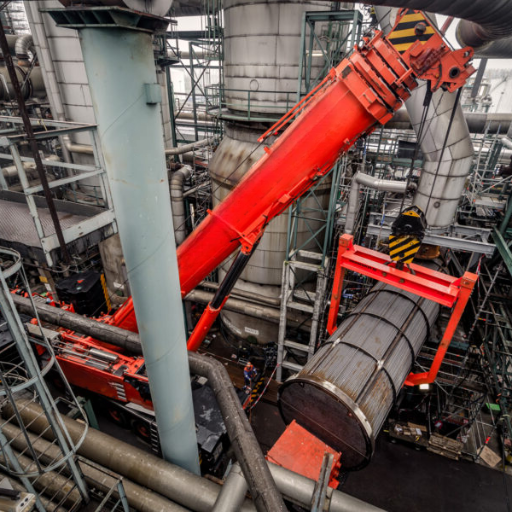
The term bundle extraction refers to the practice of extracting and transporting of tube bundles within heat exchangers during the maintenance or turnaround of the refinery. Cleaning, inspecting, and repairing activities are of critical significance to equipment functionality and such activities can only be achieved through bundle extraction. Poor bundle extraction with its prolonged downtime will torment the personnel and resources because of the associated additional risks which are unacceptable while ensuring compliance. Optimistic management ensures that with proper tools and correct methods maintenance practices occur effortlessly contributing towards operational efficiency in any factor including refineries.
02
The Importance of Efficient Bundle Extraction
Efficient bundle and tube extraction are key to sustaining operational capacity in industrial plants, particularly in pertinence to refineries or petrochemical units. The bundling process underplit by extracting is usually adopted for cleaning, inspection, or repair purposes. The process of removing the tubes effectively results in less downtime and a lesser of the associated high maintenance or the heavy losses incurred due to degradation in productivity.
Pillar 01
Reduced Downtime
Effective removal of tubes results in less downtime and a lesser of the associated high maintenance losses incurred due to degradation in productivity.
Pillar 02
Personnel Safety
Safely handling every step in tube extraction prevents unnecessary machinery distress that would otherwise lead to the safety and well-being of personnel involved in the system.
Pillar 03
Equipment Longevity
Timely maintenance of heat bundles assists in pinpointing potential problems such as corrosion, blockage, and wear, prolonging the lives of each critical equipment and ensuring regulatory compliance.
03
Overview of the Refinery Turnaround Process
The process of refinery turnaround is an essential and complex operation which calls for the closure of many refinery units and even their entire facilities to make way for work to be done, including maintenance, repairs, inspections, and upgrades. In most cases, these turnarounds are planned six to twelve months ahead so as to ensure that all safety standards, regulatory requirements, and operational efficiencies are adhered to. In a turnaround, highly skilled personnel act on the most critical tasks such as cleaning equipment, removing old or damaged parts, and altering the components for better performance.
Turnarounds demand meticulous planning and coordination covering activities prioritization, resources obtainment, and subcontractor engagement. Therefore, advanced technologies, like internet-connected monitoring systems and predictive analytics, will play an invaluable role in expediting the process, reducing downtimes, and reducing costs. While turnarounds are costly and time-consuming, they are both much cheaper than plant outages to uphold smooth operations and lengthen the service life of equipment. Indeed, with the aid of closures, refinery operations continue to ensure secure, sustainable, and optimal operations.
04
Key Challenges in Tube Bundle Extraction
Challenge 1 — Corrosion & Fouling
Dealing with bundles in corroded or fouled conditions makes the extraction physically challenging, labor-intensive, and time-consuming.
Challenge 2 — Restricted Accessibility
Heat exchangers are generally narrow in their pathways, making the portion of tube bundle extraction requiring big investment on accessibility issues quite grueling.
Challenge 3 — Handling & Misalignment
Handling problems could arise if tube bundles or their associated elements sustain some destruction due to compromised handling techniques or misalignment, expanding inefficiency and costs rapidly.
Challenge 4 — Safety Imperatives
Safety is a paramount concern, as machines weigh tons and even the possibility of high-pressure systems requires strict following of safety protocols. Effective control of these challenges guarantees that maintenance operations will be safe and efficient.
05
The Role of Tube Bundles in Heat Exchangers
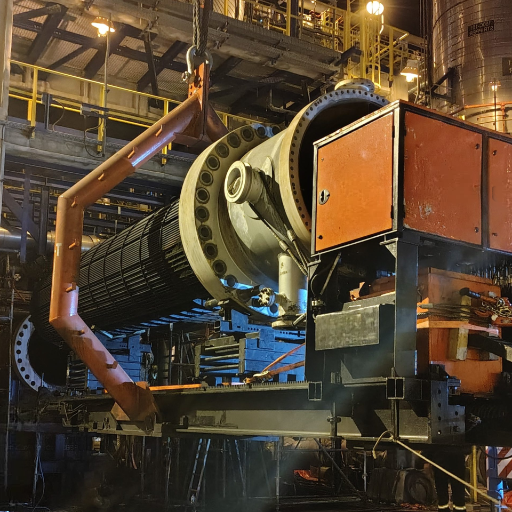
Understanding Heat Exchanger Tube Bundles
Heat exchanger tube bundles are vital for efficient heat transfer between two fluids. This consists of a collection of tubes secured in a cylindrical shell through which one fluid flows through or around them within the shell apart from the other. This design maximizes the effective area for heat transfer with distinctness. These provide the necessary interface for the two fluids between which heat transfer takes place, while ensuring that they are not mixed up and thereby contaminated.
Material of metallic tube bundles, ranging from stainless steel to copper to titanium, are chosen according to the operational environment, including variables tagged to temperature, pressure, and, most critically, compatibility with the respective fluids. Regular cleaning and inspection have always been at the cutting edge in the safety system of the tube bundling to avoid fouling, scaling, corrosion, and other worst-case scenarios that may affect the heat exchanger. This list acts like one great predator on the longevity of the equipment in power production to remove the margin on the lawn and efficiency from the system.
Considering the tube bundles should be made to order and may be adjusted in order to suit such angles. Furthermore, somewhere involved may address the needs of such additions by altering the required gaps/sheath tube numbers and/or through the inclusion of that part that suits the application. Industries can derive performance design advantages from tube bundles to help them save energy consumption and ensure that their operations are viable.
Importance of Efficient Bundle Design
Efficient bundle design is pivotal to ensuring good heat flow and operational reliability concerning industrial systems. There have been advances in resource technology and computational design, which have both increased the ability to tailor-fit tube bundles of efficiency with respect to heat transfer and pressure drop. An efficient designing strategy lessens maintenance costs as it enhances durability and resistance to fouling or corrosion. In addition, it is becoming a trend for industries to promote green solutions, and adequately designed tube bundles help towards that mission of energy efficiency and emissions reduction. Competitive advantages shall be realized by industries that use more modern data technologies, along with their design techniques.
Common Types of Heat Exchanger Tube Bundles
| Bundle Type | Description & Key Feature | Best Use Case |
|---|---|---|
| Fixed Tube Sheet Bundle | The two ends of tube bundles are fixed to the tube plate so that their gliding is restricted and their cost is less. Practice uses and thermal expansion still dictate a good deal about the longer-tube spacings used. | Cost-sensitive, fixed-temperature applications |
| Floating Head Bundle | Designed for perfect cleaning and maintenance, thermal expansion, and can handle high temperature and pressures — often the important factors in demanding environments. | High temperature & pressure systems |
| U-Tube Bundle | Available for virtually any application where there is an extensive temperature variation, offering flexibility and accommodation of thermal stresses. | Extensive temperature variation processes |
| Straight Tube Bundle | A simple design whenever internal tube maintenance is more or less often required, offering straightforward access for cleaning and inspection. | Frequent internal maintenance scenarios |
Each type has operational concerns — including temperature, pressure, and maintenance accessibilities — on an individual basis.
06
Understanding the Bundle Extraction Process
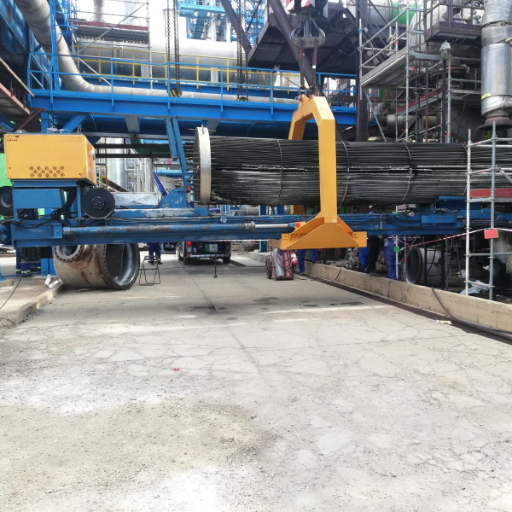
Step-by-Step Guide to the Extraction Process
- 01
Preparation & Planning
Acquiring all necessary permissions, ensuring safety standards, readying the site for extraction, and deciding on the bundle to withdraw and ensuring that all equipment and tools are available.
- 02
Isolation of the Heat Exchanger
Disconnection of related equipment, isolation of the heat exchanger-specific by the safety shut-off and sometimes drain fluids or depressurize the system to force safe working conditions.
- 03
Disconnecting Connections
Disconnecting inlet and outlet piping as well as any additional connections such as utilities to have free access to the heat exchanger bundle.
- 04
Removing the Channel Head or Cover
Remove the channel head, cover, or bonnet from the exchanger to expose the tube bundle, which is the component, for extraction.
- 05
Placement of Equipment to Extract
Set the required extraction equipment like hydraulic or mechanical pullers to align with the bundle so that during handling, the bundle is made comfortable.
- 06
Tube Bundle Extraction
Carefully pull out the tube bundle by utilizing the extraction equipment while making sure no damage is done to the tubes or shell.
- 07
Bundle Inspection
Post removing the bundle, visually examine the tubes for signs of fouling, corrosion, or any defect and treat if necessary.
- 08
Storage or Replacement
After being extracted, carefully store the tube bundle if the intention is to use it later or transport it for repair or replacement if required.
- 09
Installation of Tube Bundle
Reinstall the tube bundle after maintenance or replacement by reversing the extraction steps, ensuring secure connection.
- 10
Post-Removal Verification
A reassembly inspection of the heat exchanger should be efficiently made to ensure the heat exchanger operates safely and correctly.
- 11
Resuming Operations
If the system is checked for proper operation, consider beginning flow and engaging in newly designed action monitoring for anomalies that may arise.
Tools and Equipment Used in Bundle Extraction
| Tool / Equipment | Primary Function |
|---|---|
| Tube Bundle Extractor | A specialized device used mainly to remove and replace a tube bundle from a heat exchanger. |
| Lifting Equipment | Mainly includes cranes, hoists, or hydraulic jacks which operators use in order to handle the heavy components safely. |
| Torque Wrenches | Without measuring the torque, the nuts and bolts cannot be removed safely for inspection and maintenance. |
| Safety Gear | Includes safety gloves, safety glasses, helmets, and facility provided safety-material clothing for safety and protection of the workers. |
| Cleaning Tools | Brushes and high-pressure washers used for complete cleaning of the entire bundle before inspection and maintenance. |
| Inspection Devices | Could mean any sort of borescope or ultrasonic device used for the full evaluation of the tubes. |
Safety Protocols for Refinery Shutdowns
- ■
Comprehensive Planning — Develop a comprehensive shutdown plan that provides a systematic breakdown of the tasks, time frames, and personnel with assigned duties to ensure smooth shutdown exercise execution and safety-related risks are minimized.
- ■
Hazard Identification — Carry out an extensive risk assessment step to identify the potential hazards, like leaks, ignitions, and exposure to harmful substances in workers, as well as steps to contain or diminish them.
- ■
Employee Training — Ensure every staff involved in the shutdown is fully trained on matters of emergency response procedures, equipment handling protocols, and safety offenses that relate to shutdown.
- ■
Use of Personal Protective Equipment (PPE) — Provide personal protective equipment to the workers; the gear shields workers from any form of hazard. Personal protective equipment includes helmets, gloves, safety goggles, and respirators.
- ■
Clear Communication — Establish efficient communication means to collaborate, share instructions, and respond quickly to emergency cases.
- ■
Equipment Lockout/Tagout (LOTO) — Put in material lockout/tagout measures to forestall any unscheduled startup during maintenance.
- ■
Emergency Response and Readiness — Your site should be equipped with fire suppression systems, first aid kits, and emergency response teams that are all ready to take fast action in challenging conditions.
- ■
Environment and Good Housekeeping — Implement good practices to prevent spills, emissions, or contamination of the surrounding area even when the unit is shut down.
Strictly following these steps will guarantee the safety of the employees, the factory, and the environment during a shutdown of the refinery.
07
Technological Advancements in Bundle Extractors
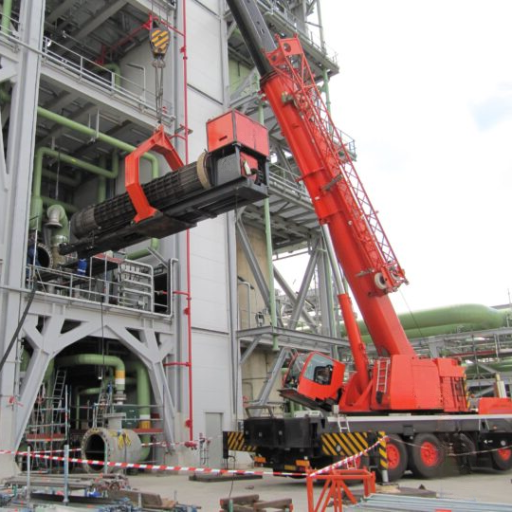
Innovations in Bundle Extractor Design
New innovations in the design of the bundle extractor consider efficiency, security, and adaptability. The advanced designs incorporate hydraulic systems increasing precision and ease of operation. Furthermore, materials such as strong, yet lightweight alloys have been considered in their preparation and use to the benefit of improved portability, without compromising structural strength. Automation and remote control possibilities were employed and remotely controlled so that operators are allowed to perform operations on the equipment at a safe distance, without any chance of endangering themselves. These technologies together help the extraction and installation of the bundles faster, minimizing downtime and ensuring workers’ well-being.
Automation and Its Impact on Extraction Efficiency
Automation has revolutionized the efficiency of bundle extractions in an industrial setup. Operating some advanced robotic systems controlled by AI, cutting-edge bundle extractors have been able to handle more progressive tasks with minimum possible human assistance. This has allowed the time for operation to be extensively reduced compared to manual conduct — the systems aptly optimize the extraction process by recognizing specific batches and how to tug them out. Besides these, the machine learning capability built into the programming ensures it is always on the lookout for impact from variations controlling the system and enables these tools for self-improvements over time in context to the operating conditions.
Automation thereby takes out the delays traceable to the manual operations, ensuring a steady performance and accuracy. Also, the data collected from an automated system shall enable predictive maintenance, thus diminishing the risks of unpredicted equipment breakdown, and therefore assists in guaranteeing uptime. Together with speed, exactness, and reliability, automation magnifies the total combination of this functionality, thereby adding concern to increase the bundled automation process.
08
Best Practices for Maintenance During Turnarounds

Routine Maintenance of Heat Exchangers
To maintain the life, performance levels, and operating efficiency of heat exchangers, inspection of the system every so often is especially significant. Routine assessment and inspection is necessary to check for leaks, corrosion attacks, and deposition that compromise the efficiency of the exchanger. Recommend welder-tested designs or non-destructive examination as well as ultrasonic or radiograph test to discover early signs of degradation and to prevent conditions of the breach.
Cleaning forms the basics for costumes in heat exchangers. It eliminates depositions, pockets of scale, or fouling on bi-metals, thus imparting superior heat transfer, similar to the blockage of contaminants. Mechanical, chemical, or high-pressure water blaster cleanings are used according to the type and make of heat exchanger. All vital precautionary measures need to be observed during the cleaning activity, with a check on the compatibility with dissolving materials on the material of construction of heat exchanger.
Maintenance also encompasses the inspection and tightening of the loose connections, seals, or gaskets so as to prevent leakage and breach of pressure integrity. It is imperative to document the activities and performance data in order to monitor the condition of the equipment over time. Such an upward-thinking and predictive track enabling rapid response minimizes the unplanned downtime as well.
Planning and Scheduling Turnarounds Effectively
For proper and efficient execution at the site under the plant turnaround, refinery shutdowns need to be planned efficiently with minimum downtime. The procedure starts by having the scope of work vividly defined, encompassing the major task of inspection, repair, and upgrade. It is important to develop a detailed time chart for every detail related to all jobs and interdependencies.
It was much better when all stakeholders, such as operations, maintenance, and contractors, were included in the process early enough to ensure that everyone involved is on the same page and has assets put in place. The procurement support of necessary materials should be given sufficient time and enough budget for them, beside the requirement to plan for contingencies. Tracking all the relevant data, using proper project management tools throughout the turnaround will allow transparency as far as the progress against the respective work is concerned; all the while under a robust safety regime. Regular updates, mixed with an eye of the needle on safety procedures, all get the job wrapped up properly and promptly.
Risk Management Strategies for Maintenance Tasks
To create a long-lasting and safe heat exchanger, the risk management strategies should be excellent. One of the major strategies includes, doing periodical inspection work to locate impoverished conditions like corrosion, fouling, blockages, etc. Non-invasive techniques like ultrasonic testing and infrared thermography can help in the early detection of these problems that could prevent catastrophic failure.
Predictive maintenance will also play an important role in the effective management of heat exchangers. It allows for real-time monitoring of heat exchangers’ performance. This provides ample information for prediction of service life characteristics up to unbearable conditions prior to damage with downtime. Training of staff means that they will be well prepared for these roles and that human error will be reduced in maintenance practices.
Moreover, at the very least, compliance with IT and engineering standards, such as ASME, API-code standards, and safety regulations is required. Done-all planned maintenance is guaranteed with the allocation of sufficient amounts of original spare parts and resource for repair. For continuous improvement by daily improvements, a regular risk management assessment, the integration of new technologies, and lesson learning require operational excellence.
09
Reference Sources
-
Optimising Turnaround Projects: A Case Study of an Indonesian Oil Refinery: This study analyzes critical factors for successful turnaround project management, providing insights into best practices. Access the study here.
-
Turnaround Management for the Oil, Gas, and Process Industries: A Project Management Approach: This book offers a comprehensive guide to turnaround management, including evolving best practices and professional insights. Read the book here.
-
Hybrid Multi-Attribute Framework for Optimizing Turnaround Inspection Scope in Oil and Gas Facilities: This paper discusses frameworks for optimizing turnaround processes, including FMEA for heat exchanger tube bundles. View the paper here.
-
Assessing the Implementation of Best Productivity Practices in Maintenance Activities, Shutdowns, and Turnarounds of Petrochemical Plants: This study evaluates the application of best practices in maintenance and turnaround activities. Read the article here.
- Bundle Puller
10
![Polypropylene Resin: Grades, Types & Selection Guide [2026]](https://boshiya.com/wp-content/uploads/2026/05/0-150x150.webp)