Get in Touch with BOSHIYA

Bundle Extractor Rental vs Buy: Choosing the Best Option for Your Needs

Key Takeaway
Contents
show
The decision between renting and buying a bundle extractor requires careful evaluation of three factors which include rental costs, operational convenience and future equipment requirements. This essential equipment serves multiple industries from construction work to telecommunications operations and thus becomes a major investment for professionals.
How can you identify the optimal solution that meets your needs? The article examines two equipment acquisition methods which users can evaluate to identify their most suitable option. This guide offers essential information for both experienced bundle extractor users and beginners who need to choose according to their financial limitations and business requirements.
Understanding Bundle Pullers
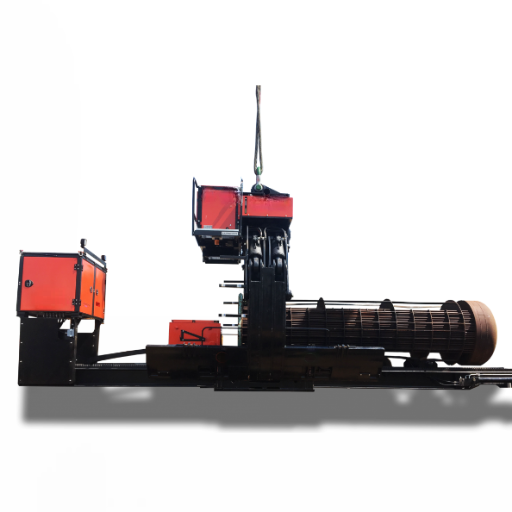
The tools known as Bundle pullers are designed to aid the re-positioning or change in position of several bonded materials, for instance hoses, cables, and wiring. Its invention was conceptualized in a manner that offers increased occupational health and performance levels, reducing the requirement of extreme labor in managing these materials. Many different fields of work such as construction, production, utility that demand the use of materials in the form of bundles, possess such devices because of the wide applicability of these devices. They optimize the process of work and they contribute to the maintenance of efficiency due to the fact that the material is well-handled and there is a lapse in its degradation.
What is a Bundle Puller?
A virtual gadget called a bundle puller is an invention that helps people in the process of moving and pulling tensions on material bundles which are elongated in the direction of the length such as ropes, cords, tubes and any other compressible or non-compressible material. The devices are very often comprised of adjustable arms with solid clutches and convenient grips or other simple to use ergonomic abstractly designed structures. Modern bundle pullers are made from high strength materials like steel and composites to stand the high tension often in the most adverse conditions.
💡
Pro Tip
Modern day francs involving the use of Bundle pullers has turned out to be most industries particularly the construction industries, telecommunication, electrical works and manufacturing. The means as a rule includes reducing the trouble of stuffing or breaking through very much filled systems and clearances, ribbed, occupied with bundles beside or tugging them at greater longitudes.
Well, not so from the present days versions of such simple machines because now they have all, anti-slip profits and those who have ever bought one then knows why there is this new dent free category of bundle pullers. Their presence remedies operations being carried out within the/or certain level thereby relieving joint and fatigue which bundles are subjected to while being carried around. This explains why it is appropriate to consider this equipment, the bundle puller, among primary tools in current industries.
Types of Bundle Pullers
The construction of different types of bundle pullers is aimed at fulfilling specific operational needs in different industries, all of them modified to suit the task at hand. There are five main types of bundle pullers and each is characterized by different attributes and benefits which are highlighted below:
- 1
Manually Operated Pullers
These are very simple and manual in nature. They best suit small scale activities where it is unlikely tools can be used say due to a limited number of activities being carried out. They have controls that require mechanical effort especially light objects require such simple controls. However, the tool’s capacity for handling huge workload remains to be diminished. - 2
Electric & Pneumatic Pullers
These types of pullers use electricity or air to move and are very popular across heavy duty industries. This is due to the fact that their use enhances pulling functionality along with the ability to control the direction of the force applied. A wide range of speeds as well as overloading mechanisms compromising safety and productivity are available in these pullers. - 3
Hydraulically Powered Pullers
Hydraulic pullers are made for use in high torques, large forces, and heavy equipment applications because of high durability and excellent pulling strength. The idea is that enormous loads can be pulled due to the hydraulic pressure involved in the operation of these machines; hence they are sometimes used in construction, oil and gas, and manufacturing industries. - 4
Portable Bundle Pullers
These pullers are portable in nature and used in smaller spaces for work as such, they are designed to be light in weight and easy to lift as well as balancers. Even if they are much smaller products, most modern portable pullers have features such as quick-release and very strong materials. - 5
Overhead Bundle Pullers
These pullers are specially made for pulling bundles from above or hard to reach or elevated points and are primarily suspended using a crane or similar equipment. These structural attachment apparatuses can be easily attached to them and are mostly used in places like worksites with eye-boards and ware rooms.
Each type of promise puller has its advantages and disadvantages, and it is up to the professional to choose a suitable variant depending on the nature of their work.
Applications of Bundle Pullers in Industries
A bundle puller is an effective and widely used tool across multiple industrial applications. The purpose of the invention is to aid in te use, transport, and storage of bundles in applications where users are required to exercise accuracy and enhance output. Some of the major uses of bundle pullers in industries involve:
- ✓
Assembly Plants in Manufacturing: In the event that large bunches of materials or partly finished products need to be moved from one section of an assembly plant to another, bundle pullers are often used. The time taken to perform tasks improves since it enhances operational processes, thereby reducing idle time or time when less work is done. - ✓
The Warehouse and Transport Industries: For these applications, it helps to reduce the heavy lifting aspect of operation as these tools are essential in helping in warehouses and the transportation of bundled goods in all logistics management. This decreases the amount of groundwork done by human beings and allows for the safe handling of materials. - ✓
Building Business: Construction sites consider bundle pullers essential when they need to haul and position heavy bundles of cables, steel bars, or pipes. They are sturdily made thus enabling them to carry out their purpose which is to move heavy construction. This brings in an element of safety and consequent effectiveness to the completion of a construction project. - ✓
Textile Sector: Bundle pullers find their place in dealing with huge rolls of particular fabric or textile bundles that must be transported. Thanks to their delicate manner of transport, the materials do not get dirtied in any way thereby making it easy to move bulky foams in garment and textile outfits. - ✓
Applications to Motors and Aviation: These dies marry glue cables which are not cut, conduits, and/ or components into bundles pulled with the assistance of bundle pullers in the course of assemblage processes in these industries. These metals are manufactured and used in a way that fulfills the performance levels expected of this industry.
All the advancements highlight how multifunctional bundle pullers are in almost any production processes as well as the role they play in managing the working conditions of employees in several industries.
Benefits of Renting a Bundle Puller
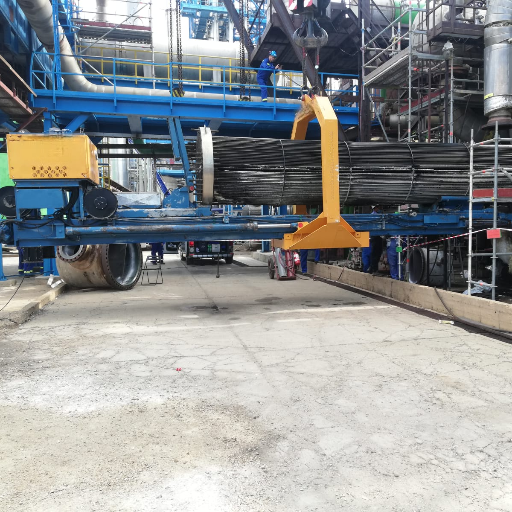
Significant advantages link to the decision of whether to lease or acquire a bundle puller; both aspects have had their own issues and benefits with several efficient and effective benefits relating to and stemming from the two sides: benefits and relevance of considering any rental of any equipment.
- ✓
Financial Savings: The most significant benefit of renting is that it avoids lots of strategic costs incurred at the initial phase of a business venture, which in turn can be used in the execution of other capital intensive ventures. - ✓
The Latest Technology is Used: The technology advancement in the equipment is only offered by their rental purchase companies to their customers for maximum and effective usage of the equipment. - ✓
Flexibility: Renting gives an advantage to any business to use it selectively according to the scope of business activity; resources can also be used for a specific time without a contract for a given period. - ✓
Assets and Smaller MRO Services: In this case, the work of maintaining, repairing, and overhauling the rental equipment is in most cases performed by the renting agency and therefore operational expenses and any expansion costs are reduced. - ✓
Simplicity: To improve management and equipment storage, there are some things that need to be done. For example, the tools will not be owned, people do some work and return the items when they are done.
As such, renting enables corporations to meet project requirements satisfactorily within those applied through economic and operational limitations.
Cost-Effectiveness of Rental
In addition to all that, it is notable that the equipment renting eases the process of distributing financial costs within business because it is cheaper even as not much capital is needed. For the most part, this is the cost that is usually incurred where the facilities are purchased on permanent basis and wasted up with idle times, for this cost rather the deficit is covered only having rental facilities for the given project. In addition, excess hiring of any equipment or renting of equipment is fixed where it also includes the maintenance of the equipment, hence it does not ring very well to most people’s ears and budgets. One other advantage that this design has is that it minimizes and reduces loss due to capital wear out by avoiding long term investment which would make the business more rigid in a dynamic environment.
Flexibility and Short-Term Needs
The rental equipment fills in seasonal gaps of limited time usage of equipment notably project execution within the expected and reasonable period. This strategy will enable any business, for example, to rent a given piece of equipment, which might not make sense to invest in, for a limited period of time. The possibility of going up or down with resources is however project specific and prevents maintenance of any excess reallocated inventories thereby enhancing activities. In more flexible work environments, balance these two objectives and provide an adequate level of operation by the use of hiring equipment.
Maintenance and Upkeep in Rentals
It is quite usual to ask the rental company for maintenance and servicing of equipment mentioned in the rental agreement as the respective person with the optimum resources should fulfil the safety and performance criteria for the equipment of the customers. They consist of inspection of machinery, and perform scheduled maintenance and repairs so as to avoid unexpected interruptions during operations. Consequently, they ensure that the rented equipment functioning is not impaired and extensive repairs are not necessary when the equipment is in use. Ideally, renters need to take care of such simple problems like washing off the equipment and storing it properly as well as submit reports, if any, as avoidance of more serious damages is provided. Concise and well- structured summaries of each party’s obligations towards maintenance are made which in turn fits into a framework of a standard lease agreement in good faith.
Purchasing a Bundle Puller
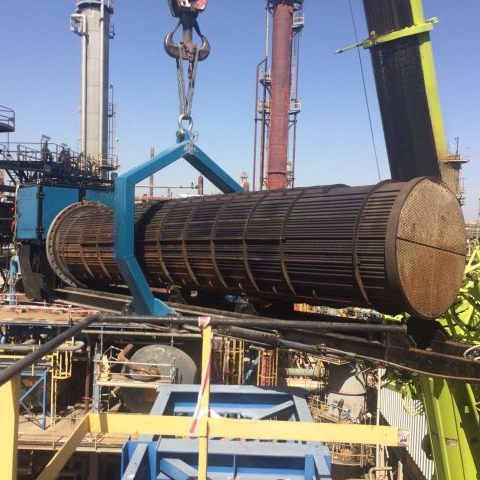
When Buying a Bundle Puller that is in great demand, Some of the Major Concerns Should be about the project usability and its durability. First is to look at the performances and composition of the machine to examine how much load can be carried. Those models that are of poor quality and cannot be used daily nor even in a harsh environment are highly discouraged. A consumer should also remember to evaluate how well will the puller fit into the existing equipment and working concept to prevent discordance upon purchase. Concerning the choice of producers or traders, it should be sensible or reputable ones in the market for purposes of quality assurance and aid whenever required. Lastly, be informed of the warranty terms and servicing contracts for appropriate saving against possible costs in the future.
Long-Term Investment Considerations
It is essential to appreciate the fact that items that are going to be utilized for a significant duration, require to put into consideration factors of durability, effectiveness and he cost of such materials. Depending on how long the product or service will last and to what extent it will be utilized, that’s when one should come to the conclusion that it’s not worthless for them, and opt for solutions that do not seek regular replacements. Alternatively, it would help to analyze power or any other resource consumption, so that operational expenditures are optimized. It is worth also examining if such an investment allows for an outward expansion when needed in the future or enhanced demand appears on the market. Lastly, ensure that you stay away from those who have big words and rather engage those who offer guidelines on how to look after their products and offer warranties against possible defects or wastage in your part.
Customization and Ownership Benefits
For enterprises, infrastructure customization is an indispensable element which allows for better management of company activities and processes at the present time. In this regard, it has become more and more common within businesses today to offer a solution, which extends to include a certain extent of customization thereby maintaining healthy workflows and targets. Furthermore, customization minimizes downtimes as well as enhances performance since customization facilitates the incorporation of an upgrade effortlessly into an already existing structure.
It should be noted that ownership gets rid of certain long-term costs such as those costs of renting or licensing a product on a periodic basis. It also ensures that the upgrades, security, and performance concerns remain within your control. Independence such as these helps to maintain a lower level of reliance on other agents and also facilitates the issue of data security that concerns most businesses. This kind of customization helps the consumers in building several walls collapsing the monopolistic set ups which are formed quite frequently.
Resale Value and Depreciation
It is very common for equipment to depreciate over time due to usage, technological product, or market development. On the other hand, possession of these assets sometimes grants tangible values specifically resale values which provides for containing long period costs. In poor economy industries with leading asset quality which long compare and contrast. This is because degradation curve of all the products in that industry is very slow hence. Straight line and revisionism gimmisment centers and reconstruction there of help ensuring its value is bearable accurately keeping every one’S healthy balance within the investment bridging the gap between ‘the chop want and the value of the highlighted optimal opportunity.
Key Considerations When Choosing Between Renting and Purchasing
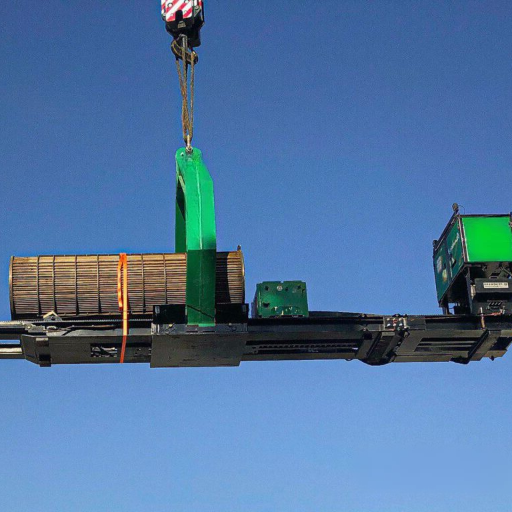
| Factor | Renting | Purchasing |
|---|---|---|
| Cost Implications | Lower initial investment; expensable currently. | High upfront cost; depreciable over time. |
| Duration of Use | Ideal for short-term/one-off projects. | Better for frequent or permanent needs. |
| Maintenance | Responsibility of the rental provider. | Responsibility of the owner. |
| Flexibility | Access to latest tech without ownership. | Full control, but subject to obsolescence. |
Evaluating these aspects with regards to existing circumstances, monetary objectives and particular function is often essential in arriving at the right decision.
Assessing Your Business Needs
Every time there is a purchase or rental made pertaining to assets, there has to be a reliable & proper needs assessment against them in the light of the new ways criticized from known data. Organizations can be viewed as having increased their flexibility & developing ability to magnify the overall scope or intentions of carrying out business in this competitive environment. However, it is preferred to rent than buy especially in such sectors like fast moving consumer goods manufacturing as well as the startups due to the fact that such costs are very low themselves at first and there is no worry about its depreciation. Alternatively, corporations, which have been repetitively engaged in crucifying Billsions of the Tomahawk-cruise style strategies for a very long time, may decide to Buy and take advantage of the Cost of the Asset being spread over a period of depreciation.
To assess the needs, a number of issues have to be evaluated which include, but are not limited to the projected growth, funds or cash flow that is available as well as use of technology in the running of the operations. Finally, it is worth noting that success in decision making is largely attributed to evidence-based practice and an understanding of the organisation’s strategy and availability of resources.
Evaluating Cost-Benefit Analysis
Data trends for example, growing demand for green goods or technological changes shape the way in which firms optimize cost-benefit analysis figures including tendencies. For example, while installing green power systems may cost a lot in the initial stages, after a while the operational costs are reduced and the consumer consciousness favors the incorporated costs and benefits. Therefore, businesses need to rely on ordering factors such as return on investment (ROI), payback period, risk mitigation and analyzing other factors according to the market. The reasoning is that such a structured perspective helps when making difficult finance and operations related decisions, because it requires concrete evidence and strategic evaluation which enhances growth and development.
Duration of Use and Financial Implications
The duration in which a commodity is utilized is pivotal in determining its cost-effectiveness as well as its net present value. As the time over which the product or the property is used increases, so does the return since the initial investment is longer, and thus the cost reduces each year. However, it is likely to cost much more to maintain and repair it moderately in order to continue its usage. It has to be accounted for in the lifecycle in the form of additional costs. These costs may be cut where by companies are able to evaluate the performance of assets on a continuous basis and see if it is worth the cost internally and other costs to let an asset remain in use.
Reference Sources
-
The Price Bundling of Services: A Normative Framework
Link to source
Explores the concept of bundling services and products, offering a framework for understanding cost-effectiveness in rental versus purchase decisions. -
When Less is More: Consumer Aversion to Unused Utility
Link to source
Examines consumer behavior in buy-rent markets, including the psychological and economic factors influencing decisions. -
A Critical Literature Review on Comparative Analysis of Construction Equipment – Rent and Buy
Link to source
This paper provides a detailed cost comparison framework for deciding between renting and buying construction equipment, which can be applied to industrial equipment like bundle extractors. - Bundle Puller
Bundle Puller Frequently Asked Questions (FAQs)
How much will it cost to rent or buy a bundle extractor?
According to the kind of equipment required and the rental duration, rent can range from daily to monthly fee; meanwhile, buying a bundle extractor requires a higher initial investment but turns out to be more economical in the long run for more than one job or if frequent use is expected. Rental agreements usually encompass maintenance and support coverage, which adds value but is not possible in all cases. Rent fees must be considered against the total purchase price, juxtaposed with long-term savings created in practice. Think of the number of times you will employ the tools and the storage structure in making your decision. If you do not use these tools frequently, leasing can be more cost-effective. For ongoing projects, buying will provide better savings and operational benefits.
What is an ideal way through which long-term cost savings could be measured while debating renting versus purchasing?
To evaluate the cost effectiveness in the long run better understand how frequently you expect to use the product and project scope. Compare the overall costs of renting to the total rental fees from the anticipated total of projects versus the purchase value the equipment is worth, together with resale possibilities. Honoring general maintenance and repair responsibilities for the tool can considerably change the cost factor. Owner issues absurd as delivery costs with rental agreements, such as downtime, can only affect a decision. Nonetheless, the machinery owner may tailor maintenance schedule to expand the tool’s service life. For an item to emerge out of the most cost-effective path, careful cost analysis can prevent unplanned spending for businesses.
What are some best practices for decision-making regarding the debate of buying and renting?
In deciding to resort to renting or buying, you can begin by weighing your project scale and the frequency of use that the equipment can receive. While the ownership confines your need for space, care, and protection in anticipation of long-term life, the best scenario is when you asses the contract’s terms against your specified rent or purchase warranties. Lastly, the other thing is the influence of their budget amide, as they consider cost sensitivity versus the investment of owning these tools. Having as many stakeholders as possible involved in the operational processes, however, should greatly help in sharing the decision to stay on a common chord. Now, you should additionally make inquiries on the different bundle extractors available to ensure that you are on the right model as per what is needed.
⚠️ Important Note: Logistical Challenges
When you have rented a plastic bag extractor, there arises the need for logistical management with respect to delivering and returning the equipment and understanding rental agreement tipts. Some rental companies may have restrictions on rental periods and may have stubborn limitations on equipment availability during peak periods. You must work as a team to ensure that the plastic bag extractor reaches work sites when it is needed without delaying projects. Storage facilities and logistical planning should be done ahead of time, particularly when the job location is in a remote environment or does not have easy access for equipment transport. However, also be prepared for possible fines as a result of the lack of timeliness, damages, and the extent of use beyond rent. What becomes the way out is to maintain clear and ceaseless communication with one’s rental provider in the prevention of any untold problems.
How do maintenance and repair responsibilities vary when Renting and Owning?
Maintenance and repair is largely carried out by the provider where the bundle extractors are rented; this way, downtime is minimized and there is less of a possibility for a breakdown occurring aback. However, in the event that a person decides to buy one instead, the costs of maintenance and repair will quite naturally shift onto the list-entry of such a device, or would necessitate the making of an appointment with any local repairman – for an additional service fee of course. Most owners actually decide on the frequency of their inspection and maintenance work, rather than just relying on the manufacturing company for certification. The operating costs and downtime evaluation is another task that relates directly to maintenance and repair. Warranty and maintenance contracts are also available from some product vendors who can make your life easy and assist in the deal. Be very clear on what comes with your rental or purchase agreements, so read the small print.
![Polypropylene Resin: Grades, Types & Selection Guide [2026]](https://boshiya.com/wp-content/uploads/2026/05/0-150x150.webp)