Get in Touch with BOSHIYA

Heat Exchanger Turnaround: Best Practices Guide

The task of maintaining the optimal activity of heat exchangers in continuous materials processing conditions is, however, challenging in logistics and technology. A turnaround can thus be difficult because of the means of downtime reduction, efficient cleaning and prolongation of equipment service life for adequate practice intelligence from all points of view toward this aim. The below discussed framework is beneficial for the plant operator, the maintenance technicians, and also the managers to bring in some pragmatism to the whole operation so that the turnaround reaches high standards. In a nutshell, the focus should be on carefully planned implementation from a skillful perspective, concentrating on planning and following constructive steps toward manual handling, to turn the Heat Exchanger Turnaround, the next time around, into something highly economical and less demanding on manpower.
Contents
show
Understanding Heat Exchanger Turnarounds
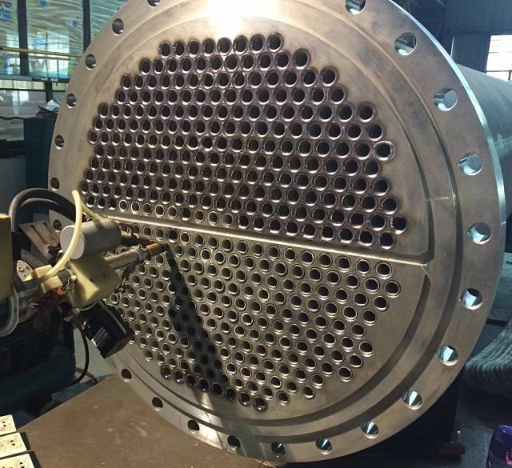
Heat Exchanger Turnaround comprises a matching of maintenance, repair or eventually replacement in the heat exchanger itself to make sure that everything functions at its optimum. Such works are generally conducted by the unit engineering team save tests of fouling, corrosion, or other materials or wear from the operations of the unit. The majority of the time, this work involves examining changes, fixing, as well as testing to get the unit back into workflow. Regular turnarounds will help prevent failures, maximize energy efficiency, and prolong the life of the equipment. An efficient planning and successful implementation come to the forefront in lessening the downtime and achieving the credibility of specified results.
What is a Heat Exchanger Turnaround?
A Heat Exchanger Turnaround refers to a condition-based overhaul of operational heat exchangers for the purposes of improving their efficiency and performance. This entails carrying out a detailed audit of the unit, disassembly of the unit and cleanup, rectifications and most repair works and performance evaluations of the unit in order to take care of any pussycat problem faced like sedimentation, leakage, rusting, and usage. In these devices, heat is passed by the medium of heat exchangers and the presence of deposits minimizes heat transfer, increasing energy consumption and economicrce cost. The turnaround goes further to address these problems and hence optimizes the equipment working for a longer period. Innovations and trends in current turnarounds include online monitoring, ultrasonic cleaning, and predictive maintenance among others in order to improve process benefits. Regarding the turnaround, careful consideration should be made for planning and its thoughtful execution in order to keep down time to a minimum in addition to ensuring safety and environmental regulations are met.
Importance of Regular Heat Exchanger Maintenance
Proper heat exchanger maintenance will guarantee optimal performance, making energy operation more efficient and reliable and helping the heat exchanger become crucially operational in many industries and in the utilization of commercial industrial processes in maintaining the temperature of transferring heat from one fluid to another. Thus, when scaling, fouling, and corrosion develop over time, the heat exchanger performance deteriorates markedly, resulting in repair costs above its economic value or massive costs on downtime. Regular maintenance, on the other hand, helps minimize these failures because it deals with them much before they get any worse.
In addition to ensuring a steady performance, a well-kept heat exchanger increases energy efficiency. Any fouling or scaling leads to the addition of foster fuel consumption in order to carry out the same heat-transmission action, thereby increasing the costs of operation and also having the undesirable side effect of high energy consumption-the chief villain on this planet when it comes to regard for Mother Nature. Routine cleaning and equipment checkups remove whatever residue accumulation results have been made and as a result increases energy use by doing so.
Additionally, to continue the service life of heat exchangers, there should be routine checks and maintaining regular upkeep for preventing unexpected failures. Minor problems, such as leaks or wear and tear, when rectified in maintenance, can help avert major problems later on which would have been costlier to solve. An operation that is constant about maintenance of the heat exchangers leads to compliance of safety and environmental regulations that will give the necessary assurance of safe and environmentally-friendly operation of the equipment. Maintenance of heat exchangers is a cost-effective way of protecting operations and enhancing their overall efficiency over time.
Overview of Heat Transfer and Its Impact
Heat conduction is the process by which heat can be transferred from one body to another because of temperature variance. The three fundamental mechanisms by which this process can occur are: conduction, convection and radiation. In conduction, heat is transferred by the particles of solids in direct contact with each other. Convection happens in gases and liquids causing heat transfer via liquid or gas, which is known as convection currents. However, radiation works in a spatial arrangement and does not need any kind of medium for heat transference as it occurs through electromagnetic waves.
The importance of heat transfer is particularly high for industrial processes such as power plants, chemistry, and air conditioning & ventilation. Energy use can be optimized, operating costs can be decreased and product output can be increased by efficient heat transfer. On the other hand, poor heat transfer management can cause equipment damage, energy wastage and stress on the environment. For example, improvement of heat exchanger performance in order to bring operational efficiency, stay within prescribed limits, and sustain heat exchanger turnaround and quality.
Best Practices for Heat Exchanger Maintenance
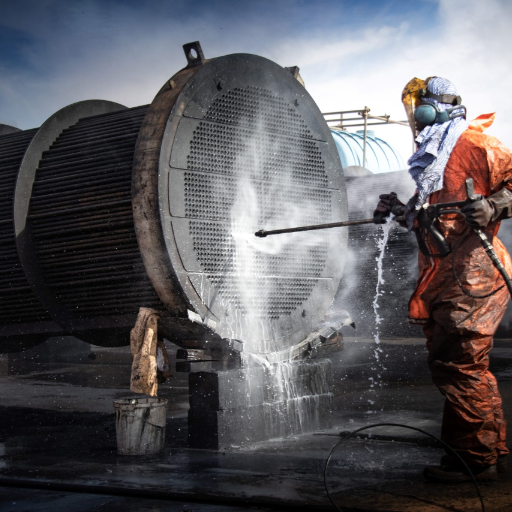
Developing an Effective Maintenance Schedule
Effective maintenance schedules for heat exchangers will involve several key initiatives to help ensure high reliability and energy efficiency:
Assess Operating Environment
The operating conditions, i.e., temperature, pressure, and type of fluids in use, should be reviewed. This will help in determining potential wear and tear on the heat exchanger.
Routine Inspection Schedule
Visual inspections and monitoring should be conducted on a schedule to spot early signs of scaling, fouling, or corrosion.
Cleaning Schedule
A plan to clean normally, based on deposit buildup, to maintain the efficient transfer of heat between the exchanger fluids; this generation would be determined by factors like fluid composition and system usage.
Performance Tracking
Continuously monitor and check critical performance indicators of pressures, heat transfer efficiencies, and pressure drops. A deviation from normal levels likely points out for an immediate maintenance check.
Documentation of Maintenance Activities
Keep detailed logs or records of all maintenance activities, findings, and repairs to provide future services that are well guided and efficient.
Comply with Manufacturer Standards
Consult and follow the maintenance guidelines of the heat exchanger manufacturer, assuming they are tailored to individual designs of heat exchange units.
The correct following of this structured approach will reduce downtime, maximize life expectancy, and promote safe and efficient operations.
Inspecting the Exchanger Bundle Regularly
Daily inspection done for a heat exchanger tube bundle forms an important element; thereby, it makes the heat exchanger enclosure for efficient operating over an elongated period of time. It should ideally be suspicious of the fouling, corrosion, or other mechanical damage impacting its proper function. Detecting those before they magnify ensures prevention from subsequent repair job, which is often cost-wired and time-consuming.
The first step in this Heat Exchanger Turnaround is checking the cleanness of the bundle. The deposition of dirt, scale, or biological fouling will cause the loss of heat transfer capacity in a heat exchanger. In the event fouling is encountered, the cleaning operation must be done as soon as possible using efficient means such as high pressure washing or chemical cleaning with regard to all safety precautions.
Inspecting a heat exchanger during a turnaround, examine the assy to check for corrosion and other physical defects, for instance, fissures, deformations or holes. Damage due to corrosion may affect the strength of the material and mechanical damage may impede the flow of fluids or cause serious operational downtime. In circumstances where the situation is beyond repair, the damaged items have to be changed or replaced. These include ensuring that a routine maintenance of the exchanger takes place, which in turn, enhances performance.
Common Foul and Its Effects on Performance
The accumulation of extraneous materials on the heat exchange surfaces is referred to as fouling in heat exchangers and spells adverse consequences on the existing performance in most instances. Fouling can occur due to mineral scale formation, biological encrustations, and the settling of particles suspended in fluids. These materials create insulating films that reduce the rate of heat transfer and thus, more energy is consumed in the process. If untreated for a long period of time, fouling will become a source of pressure losses, diminished flow rates and even equipment malfunction. Therefore, without interference, fouling shall persist and destroy the equipment. In an effort to control and alleviate fouling slated to occur during the use of heat exchanger, regular cleaning as well as water treatment takes precedence.
Exchanger Cleaning Methods and Techniques
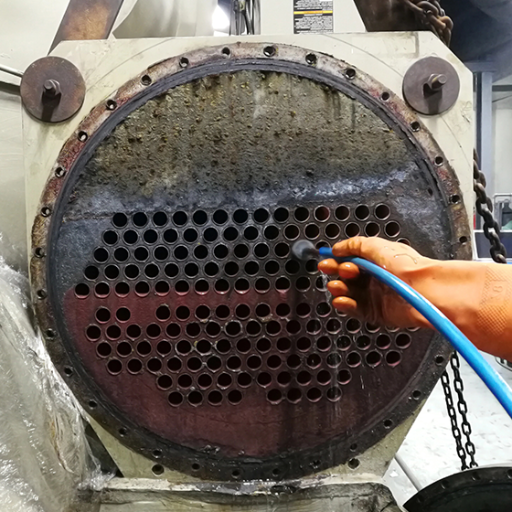
Overview of Cleaning Methods for Heat Exchangers
Heat exchanger cleansing is necessary to maintain efficiency, reduce energy consumption, prevent equipment failure, and offers several choices in heat exchanger cleaning methods depending on the type of fouling, heat exchanger design, and operational requirements.
Mechanical Cleaning
Mechanical Cleaning is about removing ash deposits from inside the heaters. This method involves physically removing deposits using tools such as brushes, scrapers, and high-pressure water jets, especially unwanted fouling at the high end of the scale. It is most commonly used for water tube and fire tube boilers and shell and tube heat exchangers, specifically plate heat exchangers.
Chemical Cleaning
In heat exchanger cleaning, acid compounds destroy deposits from alloys. In the course of collapsing proceedings, exchangers become freshened. Acid cellinates, nitratic cellinates, cellates (even organic), broimersalts, dative horns refills, and dative horn bluffs can easily be destroyed.
Hydroblasting or High-Pressure Water Jet Cleaning
Hydroblasting utilizes high-velocity particle jets to eliminate challenging types of deposit from the surfaces of exchangers. This is labor- and environmentally friendly; it does not imply disadvantageous usage of chemicals-causing it to be a fit option in industries exhibiting incident environmental regulations.
Pigging
In pigging, a pig-a projectile-is forced through the tubes of a heat exchanger to knock deposits out of the way. This is an efficient technique used widely and well suited for tube-type heat exchangers.
Ultrasonic Cleaning
Ultrasonic cleaning machines work by producing sound waves in a cleaning solution that forms micro-bubbles. These bubbles are collapsed and deliver energy that softly and reliably takes off fouling from the surfaces. This is a very good method for situations in which gentle or delicate heat exchanger pieces are engine.
Steam Cleaning
Steam cleaning involves high-temperature steam, this displayers and acts too as a removalal agent for encrustation. Mostly suited for exchangers that process the nondesi garbage-such as oily or greasy water and the cooperative removalal agent too-steam cleaning requires a minimum amount of peculiar pollution.
Regularly applying appropriate cleaning techniques that can best address the foulant and the type of exchanger design concerned so as to ensure high efficiency and prolong equipment life; hence, techniques to be used in a clean and cleaning process are concept, cost, time, and environmental impact.
Innovative Strategies for Efficient Exchanger Cleaning
Clever techniques for effective exchanger cleaning are aimed at enhancing the efficiency of cleaning procedures while cutting down on the time taken and resources used. One the strategy involves employing cleaning systems that are self-cleaning which involves the removal of fouling without any physical aid. Self cleaning systems use mechanisms that ensure cleaning is done in hard to reach areas, such mechanisms include adjustable nozzle jets rotating in 360 degree.
Chemical cleaning technologies, which target a certain type of fouling in an exchanger, are yet another evolution to cleaning methods. Such chemicals ensuring that deposits from the exchangers, which could be scale or organic material, are dissolved faster than the chemicals which were previously used. This also includes avoiding non-biodegradable cleaning products or the ones with a lot of chemicals in them in order to properly maintain the centers.
From the results of the review, constant surveillance of the heat exchange system as well as predictive analysis of its current state is necessary to achieve efficient heat exchanger cleaning. This has been made possible by high precision monitoring components, including ultra sound and infra red scopes, which are imaging equipment. With this approach it fosters cleanings which are less frequent and less tedious, thus promoting consistency in the service life of a heat exchanger without premature wear.
Comparison of Chemical vs. Mechanical Cleaning Methods
Chemical cleaning and mechanical cleaning for heat exchangers differ in cleaning approach, cost, effectiveness, environmental impact, and maintenance time.
Executing a Successful Turnaround

Planning and Preparing for Every Turnaround
Maintenance turnarounds, especially those involving heat exchangers, cannot be successful without proper planning and preparation. First and foremost is the proper inspection of the equipment to understand the currency of all issues that the equipment might be undergoing. For example, denting, wearing off, or erosion of the particular components. Proper assessment of the equipment to determine its condition helps in designing priorities of work, marshaling and assigning resources, and making the decision whether to clean, repair, or change the component. Inspection information helps to make decisions effectively and objectively.
One of the most important next steps is establishing clear boundaries of what we will be able to accomplish. This means that each activity to be performed must be detailed, with an additional timeline of when each should be completed. It is also necessary to determine which tools, ancillary personnel, or materials are needed to perform the task. The project manager should develop a clear layout of the schedule and write a schedule control plan in order to avoid defaulting in terms of time limits. Moreover, rules on health and safety need to be outlined and disseminated to the workforce in line with the turnaround phase. By getting the engineers or other relevant practitioners involved in the planning stage, one can mitigate the risk of time and cost related surprises.
Ultimately, successful completion of a Heat Exchanger Turnaround requires skilled labor, either on retainer or as needed, to be identified and trained. Ensuring there is no shortage of labor available for cleaning and/or dismantling or re-assembling for instance, would certainly minimize mistakes. Sound project management coupled with regular checks on activity progress would equally be of help in ensuring good time and cost management. When a strategic plan is effectively combined with the appropriate actions, the heat exchanger is used optimally for a longer period.
Key Steps in the Turnaround Process
- Initial Evaluation and Inspection
Examinate the heat exchanger to learn of the wear, damage or trouble of any kind. - Preparation and Scheduling
A detailed plan from timelines, resource requirements, Safety Protocol Procedures, and assignment for various departments shall be made to bring the execution of the turnaround on track. - Cleanup Procedures and Loading
Proceed to gear up the spare parts, tools, and equipment. Afterward, ensure they are brought to the site for smooth execution. - Implementation of Safety Measures
Identify safety hazards that include lockout/tag-out procedures, personal protection requirements, and hazard identification for a safe working environment that prevents accidents. - Disassembly
The heat exchanger system can now be disassembled following the manufacturer’s guidelines to avoid damaging the internal components. - Cleaning and Degreasing
Perform a meticulous cleaning by suitable methods like chemical, hydroblasting, or mechanical cleaning. cleansing up all the working parts laden with deposits and materials. - Control and Examination
Technical checks and thorough inspections shall be performed subsequent to the cleaning of some parts, i.e. the tubes, tube sheets, and gasket, for cracks, corrosion, and other damages. NDT (non-destructive testing) may be suggested if required. - Restoration or Replacement
Repair or replace worsened parts to effectuate better working efficiency at a later stage after putting them back together. - Reconstruction
The reassembly should be executed according to the design to get it all working together and keep the bolts torqued to their point. - Pressure Test
Test the unit through hydrostatic, or pneumatic pressure testing to be confident that ‘the heat exchanger/permanent tube bundle’ has no leaks and complies with required operating design pressures. - Commissioning and Startup
Start-up the newly arranged heat exchanger by incrementing slowly while watching for anything remarkable, which ensures operation within the design parameters. - Documentation and Reporting
For future reference, it is imperative that the turnaround process, including all activities, outcomes, and switches, be well documented.
Challenges and Pitfalls to Avoid
- ⚠️ Omitting Regular Inspections
Discarding scheduled inspections can breed undetected issues, resulting in expensive damage or even downtime. - ⚠️ Incorrect Cleaning Method
Use of incorrect cleaning methods or the application of harsh chemicals can lead to damage to the heat exchange part and reduce its longevity. - ⚠️ Ignoring Early Signs of Corrosion or Fouling
Repairs shall be done on corrosion or fouling specimens so as to avoid complications and the early breakdown of the machine. - ⚠️ Failure to Check Seal and Gasket Integrity
Failure to repair seals and gaskets when worn or damaged will only lead towards leakage and reduction in equipment performance. - ⚠️ Underestimating the Importance of Documentation
Inadequate documentation of maintenance activities can lead to recurring errors or omissions in future maintenance schedules. - ⚠️ Neglecting Calibration of Monitoring Equipment
Incorrect readings from poorly calibrated tools can result in misdiagnosing problems or in unacceptable maintenance.
Mitigating these challenges results in optimal performance and longevity of heat exchangers.
Post-Maintenance Analysis and Startup
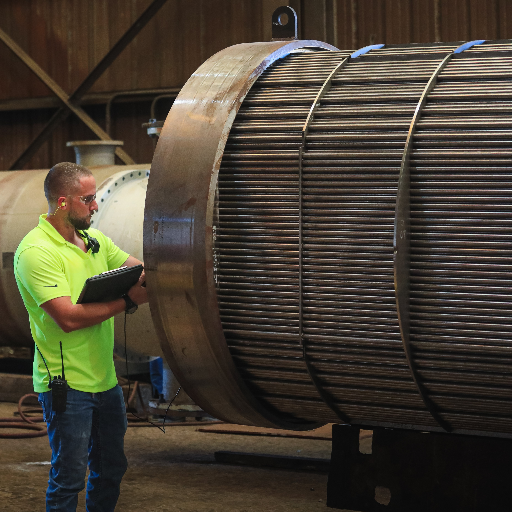
Evaluating Turnaround Effectiveness
Reviewing the effectiveness of a heat exchanger turnaround is important, in ensuring that maintenance goals are accomplished and future plant operations operate per the highest criterion of efficiency. A good evaluation will take into consideration some very important secondary factors. The first of these could be the perfomance metrics of the equipment, like the heat transfer rate, pressure drop, and overall efficiency, so that comparisons may be made to benchmarks set before the maintenance was performed. These points give a glimpse into the improvements achieved due to the maintenance.
As part of method two, study of operational records will be done, bar any anomalies or lingering problems recurring from the past operations, especially as those might have been endemic to the equipment. In the same breadth, set up a hotline to the maintenance department to learn any challenges encountered or any aspect that could benefit from improvement during the turnaround.
Performance data could be leveraged by combining it with thorough post-maintenance inspections to determine whether the turnaround effectively fixed the predicament and added run length to the exchanger directly or extended its life thereafter-summing up to optimize any future maintenance cycles.
Preparing for Startup
Before introducing any media to heat exchangers to start it, be sure all pre-operational checks are duly performed. First of all, check that all components are well assembled and fixed with proper gaskets, tubes, and connections. The system was cleaned and flushed very thoroughly of debris or contaminants. Don’t fail to spot any leaks or signs of damaged equipment. Gradually bring the subsystem up to operating conditions by slowly introducing fluids to it from the respective auxiliary elements to avoid any thermal shock. Make sure that sequence-operation valves are all being respectably operated. Be alert during the startup of the heating system for any non-linear behavior/Konoklasm or irregularity, and adjust as necessary to maintain stable operation and good efficiency. Proper records must be maintained, and the document housed properly for future reference.
Long-Term Maintenance Strategies
For peak performance of heat exchange operations and reduced operational downtimes, it is imperative for maintenance to focus on long-term solutions and chemistries. The most important maintenance actions are those performed day in and day out to inspect and clean the components of the heat exchangers. Over years, heat transfer efficiency can be significantly reduced by accumulations of fouling, scaling, and sediments. If a study suggests a 0.1″ fouling layer will result in a 30% decrease in performance. Regular chemical or mechanical cleaning of the surfaces, according to the resistance of fouling, will prevent these problems.
Another key strategy is the implementation of an effective monitoring system. Advanced diagnostics on early wear, corrosion, and cracks such as thermal imaging or ultrasonic tests are some of the hardware that may be used to locate early signs of wear, corrosion, or cracks. In partnership with authenticators like IoT sensors, real-time monitoring of performance criteria (like flow rates, pressure drops, and temperature gradients) is introduced. This data then provides convenient predictive-maintenance programs to be prepared rather than behaving in a reactive manner. This cursory the downtime of the affected machinery.
The maintenance of plant equipment appears to be a major challenge when talking about chemical plants. Many aspects affecting plant life are within the hands of plant operators. Among them are cheap water treatment chemicals, record inefficiencies, budget spreadsheets, and skimping corners. By having superior water treatment, the lifespan of the plant’s asset is increased significantly. Bad water quality encourages higher corrosion and scaling in heat exchangers. The need for better water treatment, like reverse osmosis, and a proper pH balance, is already gaining approvals for longer plant life. Advanced water treatment is estimated to have a 20–25% return on an investment toward plant life in a decade, according to industry press.
This is the importance of detailed record keeping involving maintenance history. Reports should indicate the nature of the maintenance activities performed, together with the dates, any problems detected during inspections, processes, or failures that needed to be fixed, etc. Not just for audit trails, this information can highlight any recurring problems, show up potential roots causes, and then serve for the eleventh-hour tweaking of future maintenance schedules.
With regular inspections, advanced monitoring, preemptive maintenance, and detailed record-keeping, an organization can achieve energy efficiency to recover the economics behind the operations and avoid undesired plant shutdowns.
Reference Sources
-
Heat Exchanger Fouling Model and Preventive Maintenance Scheduling Tool: Discusses the impact of fouling on heat exchanger performance and the importance of preventive maintenance during turnarounds.
-
Effects of Fouling on Performance of Retrofitted Heat Exchanger Networks: A Thermo-Hydraulic Based Analysis: Analyzes the effects of fouling on heat exchanger networks and provides insights into optimizing performance during maintenance.
-
Turnaround Planning: Provides detailed planning strategies for heat exchanger turnarounds, including coordination with specialized teams.
-
The Use of Comparative Modelling of Heat Exchangers in Cooling Water to Avoid Unscheduled Production Downtime: Explores best practices and modeling techniques to prevent unscheduled downtime and optimize heat exchanger performance.
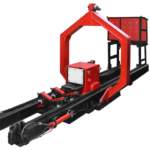
- Self Propelled Bundle Extractor
Frequently Asked Questions (FAQs)
How can an outage triggered by an event like boiler demand a couch-up situation to report quick recovery and reduced downtime?
Stepping up a boiler-focused turnaround requires a closer look at planning maintenance windows, the most critical path tasks and deploying on-site specialty equipment. Cramped Cleaning and Met tests, executed in such a way that one happens somewhere in the middle of any other activities undertaken during previous parallel workstreams, will serve as an amalgamation to cut down activities that otherwise consume a considerable amount of time that lead to unplanned plant shutdowns and lost production. Performance monitoring prior to the shut down would disclose those units needing cleaning many times or a metallurgical evaluation, allowing synchronized efforts across multiple units to protect throughput and profit.
What are the general cleaning requirements for boiler tube bundle cleaning services during turnaround?
Common cleaning requirements for boiler tube bundles include removal of blockages at the inlet caused by decomposition and deposits, bundle cleaning with either chemicals or mechanical treatment to reinstate the heat transfer rate and thermal efficiency, and fixing any spalling or erosion problems on the tubes. During cleaning, the cleaning services firms perform bundle cleaning, water flushing, targeted on-site mechanical descaling, and document the work, following various refinery or petrochemical plant protocols to prevent leakage and premature degradation.
What effects accelerate the harnessing of accidents in boiler tube bundles under eddy-current testing?
Eddy-current testing is a non-destructive inspection method carried out in-coil events to check for the presence of fatigue cracks associated with tensile, compressive, or slant cracks on the edge, erosion, and wall losses from erosion, and those related to cracked weld. Implementation of eddy-current testing at an early turnaround phase speeds up decision-making on which tubes require repair, replacement, or metallurgy so leakage from a high-pressure tube is prevented after start-up, thereby swelling the unplanned downtime.
Can going for specialized equipment on site quicken bundle cleaning for a large number of units in a refinery turnaround?
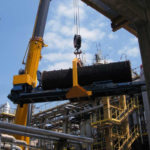
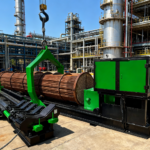
Definitely. Utilizing high-pressure lancing rigs and bundle-pulling mechanical tools and portable on-site non-destructive testing machines can conduct cleaning and inspection that involves multiple vessels concurrently. Cleaning more than one with a technique will maintain productivity and alleviate loss of production during refinery or petrochemical shutdowns, but would need some logistics coordination to complete the cleaning requirements and avoid waste of resources with longer-than-normal maintenance hours.
What could be the measures that would quicken the restoration of outlets of energy owing to cleaning processes?
Restoration of performance should prioritize more fouled heat exchange sections to facilitate uptrend in their cleaning, as verified by proof of bundle integrity through NDE eddy current testing. Chemical treatments should be modified by the mechanical technique to enhance heat efficiency. Performance monitoring should be implemented soon after restart to have certainty about efficient heat transfer, detect continued leaks, help development work, and ensure a faster recovery to full job capacity and the company’s profitability.
![Polypropylene Resin: Grades, Types & Selection Guide [2026]](https://boshiya.com/wp-content/uploads/2026/05/0-150x150.webp)