Get in Touch with BOSHIYA

Bundle Extractor Rental vs Purchase: Cost Analysis

Contents
show
The choice between renting and buying heavy-duty machinery requires complex decision-making because bundle extractors are classified as such equipment. The correct decision needs detailed evaluation because all three factors of costs and maintenance requirements and equipment usage rate must be studied. The article presents a detailed financial assessment which compares the costs of renting against purchasing a bundle extractor to provide essential information that will enable you to make the best financial choice for your company requirements. This guide provides industry veterans and newcomers with essential information which will enable them to assess their options and select the most suitable solution for their business operations.
Introduction to Bundle Extractors

Specialized machines called bundle extractors work to separate bundled materials into their individual components which include textiles and paper and other compact things. They play a vital role in improving operational efficiency through their ability to decrease employee work requirements and boost work output in recycling facilities and manufacturing plants and warehouse operations. The machines automate the extraction process which results in time savings and consistent output for companies that process high quantities of bundled materials.
Definition and Importance of Bundle Extractors
Bundle extractors function as specialized machines which separate tightly packed materials through their high-efficiency operational capacity. These could include items such as textiles, packages, paper bales, or other industrially bundled materials. They fulfill critical functions across multiple sectors which include recycling and manufacturing together with logistics and warehousing operations.
Bundle extractors have become increasingly vital in modern operations because they enable companies to execute work through automated systems which reduce the need for manual labor. The system boosts workplace safety through its design, whereas it protects materials from damage, which results in faster operations. The system enables precise operations which create efficient production processes that result in increased output and reduced business costs. Business operations which require large-scale material handling need bundle extractors because these machines help companies achieve their goals of sustainability and higher productivity.
Overview of Rental vs Purchase Options
The decision to rent or buy bundle extractors requires evaluation of three main factors which include their financial cost and how often they will be used and their future requirements for operation. Renting provides the best solution for people who need equipment for short durations because it requires them to pay less money at the start while they also gain protection from equipment upkeep duties. The system enables companies to use the most recent equipment without needing to make permanent financial commitments. The option to purchase equipment becomes the most economical choice when customers plan to use it frequently or for extended time periods. Equipment ownership gives complete equipment control to users while it removes all rental expenses which makes it a suitable choice for businesses that need equipment on a daily basis. The organization needs to use its budget limits project requirements and future growth plans to make its final decision.
Importance of Cost Analysis in Decision Making
The process of conducting a complete cost analysis needs to be done because it helps organizations make better decisions through its detailed analysis of costs combined with expected benefits. The financial assessment enables businesses to assess different financial options which helps them to distribute their resources in an optimal manner. Through cost analysis, businesses discover their unrecognized expenses while evaluating their extended and immediate financial consequences which helps them reduce risks and make decisions that support their business goals.
Upfront Costs of Bundle Extractors
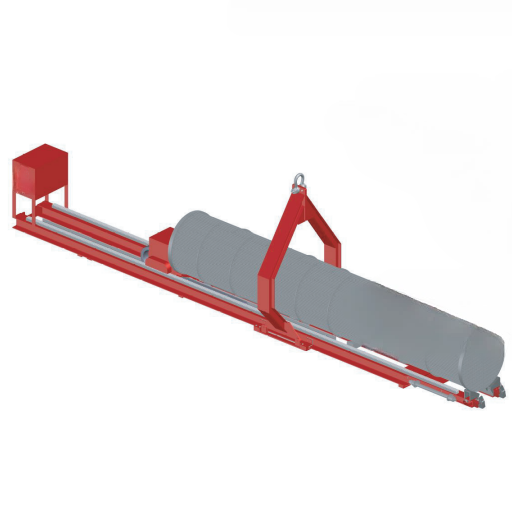
The upfront costs of bundle extractors can vary significantly depending on their size, capacity, and technological features. Smaller, basic models generally have lower initial costs whereas larger systems with advanced automation and precision capabilities need more financial investment. The business needs assessment should guide proper selection between cost-effective solutions and functional requirements.
Initial Purchase Price of Bundle Extractors
The first cost of bundle extractors starts at $10000 and reaches $50000, which depends on their specific model and capacity and features. The lower price range basic models from the bundle extractors provide sufficient functionality for small-scale operations, but the advanced systems require higher price range. Businesses should compare models basedon their specific processing needs and budget constraints to achieve optimal value.
Rental Fees and Associated Costs
The practice of renting bundle extractors functions as an economical option for businesses which need equipment for temporary use or require equipment that can be used flexibly. The monthly rental fees for equipment range from $1,000 to $5,000 based on three factors which include the equipment model and its capacity and the length of the rental period. The rental costs for high-end extractors with advanced features exceed those of basic models which customers can rent at lower prices. The total costs for delivery and setup and maintenance and insurance should be included in the budget because they create additional expenses. The process of comparing different providers while studying their rental agreements enables businesses to find the most cost-effective solution which meets their operational needs.
Comparative Analysis of Upfront Costs
The evaluation of bundle extractor upfront expenses requires an assessment of brand reputation and technological capabilities and operational capacity and equipment performance. Recent research shows that established brands sell their high-end products at industrial-grade extractor prices which start from $15,000 and reach $25,000. The products include advanced operational capabilities which enable automatic system management and precise control functions and superior energy usage assessment.
Basic models and products from unknown brands start from a lower price range which usually falls between $5,000 and $10,000 but these products do not include features that enhance product lifespan and technical progress. Short-term projects and low production activities make these models attractive to businesses that need to control their expenses.
Market changes together with new green technology solutions have created price variations. Energy-efficient models which manufacturers now develop will lead to higher initial costs but these models will generate long-term energy cost savings through decreased energy requirements.
Businesses need to evaluate their initial expenditures against the expected maintenance cost benefits and improved operational performance and product durability. The assessment of these factors together with rental and financing choices enables companies to create production solutions that meet their particular operational requirements.
Ongoing and Long-Term Expenses
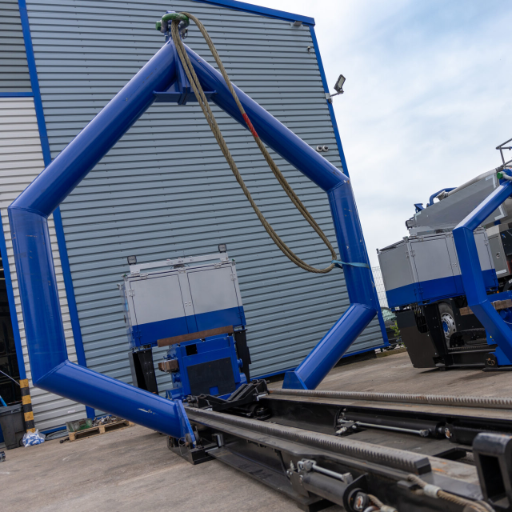
The ongoing and long-term costs of bundle extractors depend on three main factors which are energy consumption and maintenance activities and the need for replacement parts. The total utility expenses of energy-efficient models decrease over time because their initial high costs are compensated by their energy savings. Regular equipment maintenance through activities like cleaning and lubrication helps maintain equipment function while preventing expensive breakdowns. The assessment needs to include both part availability and part pricing because these factors will determine the company’s future costs. The assessment of these factors enables businesses to achieve environmentally friendly operations while reducing their overall operational expenses.
Monthly Rental Costs Over Time
The monthly rental costs of bundle extractors can vary based on factors such as equipment size, efficiency, and rental agreement terms. The average monthly costs for businesses will range from $500 to $1,500 for each unit. The monthly payment during the rental period will decrease when customers choose long-term rental agreements which provide price discounts. The price of the rental package will rise when customers select maintenance and support services as part of their package. The organization needs to assess its rental contracts by evaluating total value because this approach will drive efficiency during its ongoing operations.
Maintenance and Repairs for Purchased Equipment
The equipment requires upkeep because it needs to be maintained and repaired by businesses who choose to buy bundle extractors instead of renting them. The machinery requires regular maintenance to achieve maximum efficiency while its operational life extends through this process. The latest findings recommend that maintenance checks should happen every six months or according to the manufacturer’s recommendations. The checks need to involve cleaning vital parts of the system while checking for damage and applying lubrication to the moving components which will help prevent equipment failures.
The repair process needs authentic spare parts which must be handled by certified technicians because this ensures the equipment functions at its optimal capacity. The most recent Google research shows that bundle extractor repair costs range between $300 and $1,000 for each service, which depends on the machine’s complexity and the repair’s extent. Businesses can reduce these expenses through purchasing extended warranty programs and annual service agreements, which typically include coverage for replacement parts and the associated labor costs.
The operators need proper training because it helps them operate equipment correctly, which protects the equipment from expensive damage. Businesses which establish a strict maintenance system together with prompt equipment fixes will safeguard their assets while maintaining smooth operational processes.
Investment in Additional Services
The expansion of bundle extractor services through additional financial investment will lead to improved machine durability and operational performance. The primary services delivered through this business provide two main offerings which include regular maintenance services for essential equipment and calibration services that keep machines running at their highest efficiency. The extended warranty protection safeguards businesses from unplanned equipment failures while the training programs for operators decrease mistakes and boost productivity. The organization achieves two benefits through their financial commitment which includes reduced machine downtime and maximum operational efficiency which results in decreased expenses over time.
Maintenance and Repair Considerations
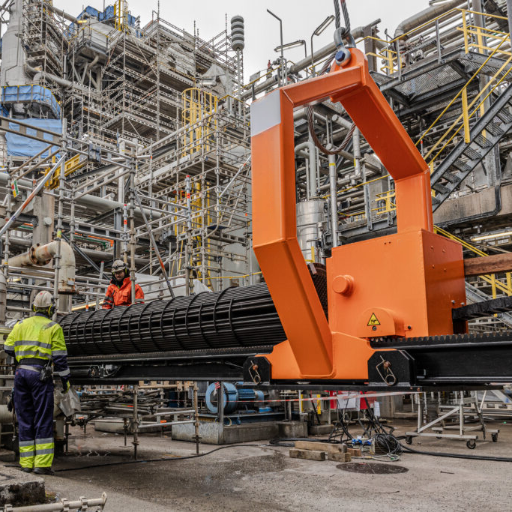
The maintenance and repair process for bundle extractors needs regular maintenance work to achieve perfect operation and extended equipment lifespan. The primary tasks require scheduling inspections to detect equipment deterioration and performing component cleaning to stop blockages and executing system calibrations to preserve operational accuracy. The organization will achieve better results through proper operator training because it decreases the possibility of mistakes which cause operational interruptions. The organization will experience fewer operational interruptions because it maintains an extensive spare parts stock and uses authorized repair teams from manufacturers. The process of proactive maintenance extends equipment lifespan while it boosts operational effectiveness and decreases total expenses for running the business.
Maintenance Obligations for Rental Equipment
The lessee must perform all standard maintenance duties according to the rental contract when they rent bundle extractors. The maintenance work requires inspection of equipment at scheduled times and cleaning activities to remove dirt and proper application of lubrication to all operational components. Equipment failure occurs when organizations fail to follow the manufacturer established maintenance timetable. To avoid additional damage to rented equipment rental users must notify the rental company about all operational problems and equipment breakdowns. The rental provider will either manage the advanced repair work or offer instructions to maintain the equipment at its highest operational efficiency.
Cost of Repairs for Owned Bundle Extractors
The repair costs for owned bundle extractors will change because two elements damage extent and required replacement parts together with extractor model create the repair costs. Common repair costs include replacing worn parts such as belts, motors, or seals, which can range from $100 to $500 on average. Major repairs which require hydraulic system and electronic component repairs need specialized skills which make their costs exceed $1,000. The recent research established that regular maintenance decreases expensive repair needs while preventive maintenance costs less than major repair work. The owners need to establish partnerships with trustworthy suppliers for parts while following expert recommendations from manufacturers to achieve permanent cost savings.
Impact of Maintenance on Overall Costs
Regular maintenance of bundle extractors plays a crucial role in reducing overall costs. The process of proactive upkeep which includes cleaning and inspection together with the replacement of worn parts helps to avoid major equipment breakdowns that result in expensive repairs and equipment downtime. Industry reports show that maintenance costs represent only a small portion of repair costs which creates an economical method to maintain operational productivity. The operation of properly maintained equipment becomes more efficient which results in decreased energy use and increased machinery lifespan thus generating additional savings over time. The implementation of a scheduled maintenance plan stands as one of the most effective methods for organizations to control their expenses while preserving equipment dependability.
Side-by-Side Comparison of Rental vs Purchase
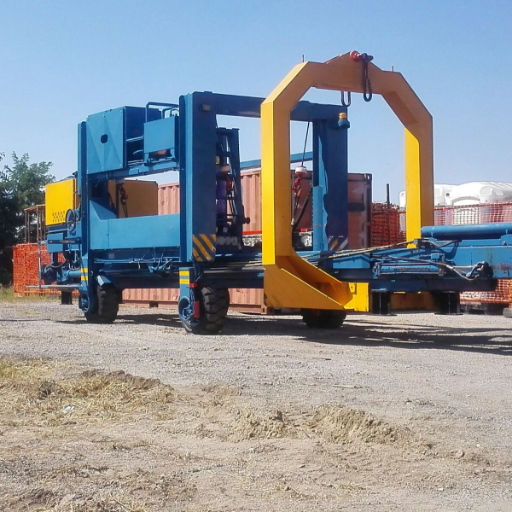
Renting offers flexibility, lower upfront costs, and no maintenance responsibilities, while purchasing ensures ownership, long-term cost savings, and unlimited usage.
| Key Point | Rental | Purchase |
|---|---|---|
| Upfront Cost | Low | High |
| Flexibility | High | Low |
| Maintenance | None | Required |
| Ownership | No | Yes |
| Long-Term Cost | Higher | Lower |
| Usage Limits | Yes | No |
| Depreciation | N/A | Yes |
Usage Frequency Scenarios: Infrequent vs Seasonal vs Continuous Use
1. Infrequent Use
The better choice for occasions when people need something rare is to rent it. The lower upfront cost and the ability to pay only when needed make renting more economical. The option becomes a hassle-free choice because users need to handle neither maintenance tasks nor depreciation costs.
2. Seasonal Use
The practice of renting remains effective when users need equipment for specific seasonal periods. Businesses can maintain high operational flexibility through their ability to rent equipment during busy times while avoiding costs related to equipment ownership, which includes equipment that remains unused during non-busy times. This approach ensures cost-efficiency aligned with demand.
3. Continuous Use
Businesses that require ongoing access to equipment should make equipment purchases because this option delivers better long-term advantages. Companies must pay a higher purchase price but their expenses become predictable because they gain permanent access to the equipment without paying any additional rental costs. The total expenses become cheaper through time because ownership enables users to avoid the expenses of permanent equipment rentals. Users who own equipment gain complete control over their assets and they also receive tax advantages through equipment depreciation deductions.
Financial Implications: A Comparative Table
| Aspect | Rental | Purchase |
|---|---|---|
| Initial Cost | Low upfront cost, pay-as-you-use model | High upfront investment required |
| Recurring Costs | Rental fees increase with extended usage | No recurring fees after purchase |
| Flexibility | Suitable for short-term or occasional needs | Best for long-term, consistent usage |
| Control | Limited, as equipment must be returned | Full control and ownership of the equipment |
| Maintenance | Usually covered by rental provider | Responsibility falls on the owner |
| Tax Benefits | Rental costs may be deductible as expenses | Depreciation may provide tax advantages |
| Overall Cost Over Time | More expensive for long-term usage | Cost-effective over extended periods |
The comparison shows that renting benefits short-term needs and uncertain usage situations. The comparison shows that purchasing provides better financial value for long-term regular use of equipment.
Qualitative Considerations: Flexibility and Equipment Upgrades
The decision to rent or buy bundle extractors requires evaluation of operational requirements because flexibility stands as the primary element which should guide this assessment. Businesses can adapt their operations through renting because it provides equipment that meets their project requirements without requiring them to make permanent commitments. The solution works best for organizations dealing with changing work patterns or temporary work because they can rent equipment whenever necessary and return it after finishing their tasks. Renting equipment allows businesses to access the newest equipment and technological advancements without having to buy equipment which enables them to maintain technological progress without paying high costs for equipment upgrades.
Equipment purchases provide organizations with different types of operational direction and financial security. The company gains a permanent bundle extractor asset through purchase which enables them to customize the equipment while enjoying continuous access. The method requires more money at first but it creates a risk that equipment will become outdated when new technology comes to market. Businesses need to weigh these qualitative factors carefully based on their operational requirements project timelines and the pace of industry innovation. Recent trends show that companies operating in fast-changing sectors prefer renting because it helps them stay competitive while organizations with consistent operational patterns choose to own their assets for long-term advantages.
Reference Sources
-
A Critical Literature Review on Comparative Analysis of Construction Equipment – Rent and Buy: This study provides a framework for comparing the costs of renting versus buying equipment, which can be applied to bundle extractors.
-
Analysis of Renting Versus Buying Construction Heavy Equipment: Explores the financial viability and cost implications of renting versus purchasing heavy equipment, offering insights relevant to bundle extractors.
-
A Profit Maximization Problem of Equipment Rental and Scheduling with Split Services: Discusses the economic considerations of the “Rent Instead of Buy” model, focusing on cost efficiency and scheduling.
- Self Propelled Bundle Extractor
Frequently Asked Questions (FAQs)
What is a bundle extractor system and how does it work?
A bundle extractor system functions as equipment which enables secure and efficient extraction of tube bundles from heat exchangers and shell-and-tube units. The system uses hydraulic or mechanical winches together with pullers and lifters to grip the tube bundle which it then extracts from the exchanger through its entire length while operators control the process from either remote control or cab-mounted controls. Industrial plants, refineries, and petrochemical facilities benefit from this system because it decreases manual work while protecting employees from heat and pressure hazards and it increases their operational efficiency.
Can I rent an aerial bundle extractor or aerial mount bundle puller for high-height work?
You can find rental services which provide aerial bundle extractors and aerial-mounted bundle pullers for high-altitude operations. The units provide operators multiple options because they can connect to self-propelled platforms and cranes and aerial lifts for reaching high-altitude exchangers. The use of aerial systems enables contractors to safely reach extended or elevated heat exchangers while their remote-operated systems perform effective height-based cleaning and extraction tasks.
What safety features should I expect from a bundle puller or lifter rental package?
The equipment includes safety features which protect against overload situations and provide secure mounting points and enable remote operation from both the control room and the cab to protect workers from danger and the equipment includes fail-safe brakes and certified lifting attachments which work with forklifts and cranes. The rental companies provide trained operators who deliver safety briefings to ensure that tube bundle removal operations meet both safety standards and industrial and refinery regulations.
Is a self-propelled heat exchanger extractor better than using a crane or forklift?
Self-propelled extractors deliver operational mobility together with their built-in diesel engine and hydraulic system power capabilities which make them more effective for extensive locations that require multiple equipment relocations. Cranes and forklifts are viable for many applications and may be cheaper short-term, but hydraulic extractors and self-propelled units provide more control, reduced rigging time, and often safer, more consistent pulls—especially for long or heavy bundles measured in tons.
What accessories and transport options are available with a bundle extractor rental?
The rental package contains mounting fixtures together with winches and hydraulic hoses and lifting frames which work with cranes and forklifts and various transport skids and specialist tools which are designed for cutting and cleaning operations. The equipment can be delivered by companies to your plant where they will help with setup while the larger units need truck transport and crane assistance but the compact self-propelled models can be easily lifted and moved on-site.
![Polypropylene Resin: Grades, Types & Selection Guide [2026]](https://boshiya.com/wp-content/uploads/2026/05/0-150x150.webp)