Get in Touch with BOSHIYA

Bundle Cleaning Equipment for Turnaround: Efficient Heat Exchanger Cleaning Services

Achieving heat exchanger optimal performance is crucial for plant shutdowns, and here, cleaning remains a significant factor in achieving this objective. Bundle cleaning equipment has surely influenced the process by offering an advanced solution to help save time and cost and bring additional efficiency to the process. What then is the secret to how these tools are so successful, and what does it do for the turnaround strategy on your end? This text provides a deep dive into the bundle cleaning equipment, highlighting some features, benefits, and best practices while building the best use workflows in maintenance tailored to integrate these into. If you are eyeing productivity efficiency or increased downtime, this guide serves as a tool into getting the shoes wherever it seems appropriate to concentrate more about debunking unclerk of your efforts taking the edge off heat exchanger cleaning processes.
Contents
show
Key Takeaway
Regular bundle cleaning is not just a maintenance chore—it is a strategic necessity for thermal efficiency, equipment longevity, and cost-effective plant turnarounds.
Introduction to Bundle Cleaning
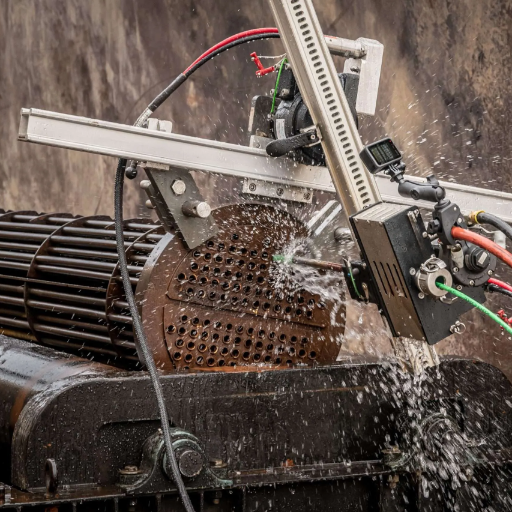
Tube cleaning is the process of eliminating deposits, dirt, and debris from tube walls and surfaces of exchanger bundles in order to restore their efficiency and rebuild it to new performance. In general, heat exchangers run in quasi-optimal conditions, steering well away from the risk levels of energy loss or expensive emergency downtime. When regularly conducted, the cleaning effort not only enhances prolonged equipment life but also creates additional thermal efficiency, minimizing expensive downtimes. Integrate the cleaning process into your maintenance routine to see to it that the reliability of your heat exchange is maintained so you can pursue smooth operational workflows.
The Importance of Bundle Cleaning in Turnaround
During plant shutdowns, bundle cleaning activities are crucial as they ensure that various heat exchangers and related equipment work efficiently. According to recent research and search trends, the industries prioritize precise maintenance activities during turnarounds, forgoing time and productivity, to maximize downtime. Clean technologies such as hydroblasting and chemical cleaning are gaining greater interest, providing better and greener cleaning solutions actively. The two options allow the removal of fouling, scale, and deposits without affecting equipment integrity.
Effective bundles cleaning during a turnaround will shut down potential blockages that impede heat exchange and cause energy wastage. Also, unplanned equipment stoppage can be ruled out. By synergy of modular maintenance team and state-of-the-art technologies, companies can optimize their machinery performances, minimize operational costs, and lengthen service life of their assets, hence reiterating the critical bundle cleaning themes during turnaround works.
Overview of Heat Exchanger Systems
Heat exchanger systems are pivotal components of a number of industrial processes. In these systems, heat is exchanged between two or more fluids separated by a wall or by other means; isolating the streams from each other so that the interchange cannot lead to mixing. This efficiency is even more crucial in keeping energy conserved along with the other demands of specific industries like power generation or even chemical processing and HVAC, allowing substantial revenue cost-savings. Well-regulated temperature helps economize energy sustainably and maintain the smooth running of processes by the thermodynamic operation of heat exchangers.
A system of tubes or plates used as a heat exchanger works in a way aimed at separating fluids between thermally communicating vessels. It may have specific heat requirements, thus requiring it to be fashioned either for heating or cooling. Several types of heat exchangers, which are usually built with a shell-and-tube, plate, or air-cooled type, are each known to serve various operations and have been optimized to meet different operation requirements. Most importantly, subject to any further improvement and technologies, pertinent equipment performance is not rationalized, service lives optimized, and hence cost structures are overturned.
For a unit to run continuously and efficiently, the heating system must be properly maintained. With time, scale, fouling, or just deposits of solid debris get built up on the internal surfaces, causing a blockage in heat transfer and increased energy consumption. Periodically removing these becomes a very effective proactive measure to save money and benefit the system’s reliability. The importance of investing in proper maintenance promotes enhanced operation, which leads to enhanced energy efficiency and is certainly more environmentally friendly.
⚠️ Key Challenges Faced During Turnaround Maintenance
- Time Constraints: Refurbishment operations usually have to be done within very tight time frames during which planning and execution play their most important role, particularly in the minimization of disruption.
- Resource Allocation: It is always challenging to arrange for required skilled labor, tools, and spare parts, in large numbers.
- Safety Risks: Increased tasks complexity and dangerous chemicals increase the potential risk of accidents. Very strict safety protocols have been developed.
- Unforeseen Issues: Failures can also occur in equipment and some other obstacles can be faced during inspection which may cause a delay and increase the costs.
- Coordination Challenges: In order to avoid disturbance, you need excellent communication and efficient coordination skills to manage several teams and contractors at a time.
Types of Bundle Cleaning Equipment
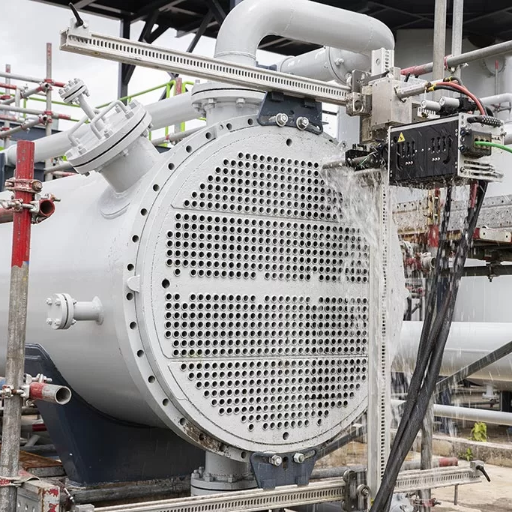
Manual vs. Semi-Automated Cleaning Solutions
Manual cleaning solutions involve hand-operated tools, while semi-automated options use mechanized systems for enhanced efficiency and consistency.
| Key Point | Manual | Semi-Automated |
|---|---|---|
| Operation | Hand-operated | Mechanized |
| Efficiency | Lower | Higher |
| Cost | Low | Higher upfront |
| Time | Time-consuming | Time-saving |
| Consistency | Variable | Reliable |
| Ease | Labor-intensive | User-friendly |
| Suitability | Small-scale | Large-scale |
Innovative Lance Technology for Exchanger Cleaning
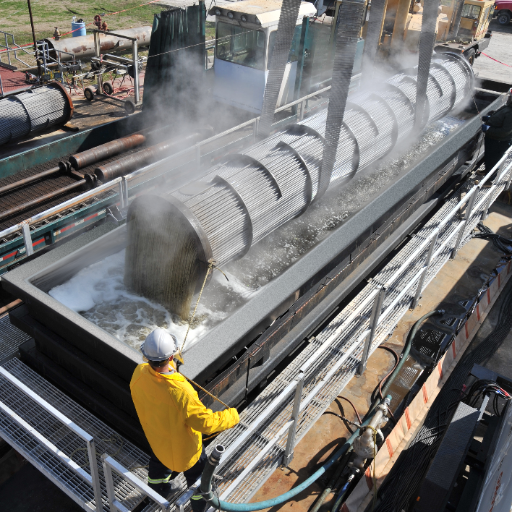
Spearheaded by new technology, major leaps in cleaning expertise occurred in exchanger cleaning while building on improving efficiency, safety, and operating results. It operates by pressurized water jets squeezed through precise controls to forcibly remove accumulated fouling or debris in tube folds of heat exchanger tubes, where preventive exercises are requisite to ensure reliable equipment performance, reduced downtime for maintenance, and longer life.
One significant benefit of the innovative approach is its complete independence from any human steering, primarily keeping interruptions to the minimum for an almost self-sustaining system. Unlike the traditional practices in which humans had to undertake arduous labor to clean, new systems guarantee spotlessly clean tubes that will remain operationally efficient. With a quick click of a button to control the water, the cleaners can lash out and cleanse even the most awkward-to-reach sites, without unnecessarily heavy-labor actions that damage the metal.
Apart from this, the lance cooling system ensures that operators work in a safe environment. Many applications in this category have been designed to work with a low level of human interface in a hazardous environment so that they can be handled remotely. This protects quality by enabling the operator to carry out tasks from a non-hazardous stand-off position and mitigating physical strain in the interest of mitigating injuries and fatalities. Thus, overall, the deployment of this kind of technology impacts on sustainable and efficient operation in industry, dependent upon heat exchanger efficiency.
Tube Bundle Cleaning Tools and Techniques
Maintaining the efficiency and maximizing the durability of a heat exchanger requires keeping tubes in a nice neat at all times. Thus, some popularly known tube-cleaning mechanisms and items are discussed here:
- ✓
Hydroblasting: High water pressures remove materials, scales, and dirt through jets of water from their surface of tubes. They are very efficient and have a wide usage because they compromise none of the properties of the material, while cleanliness is attained for effectiveness. - ✓
Mechanical Cleaning: Using brushes, scrapers, and shafts to forcefully rid tough, lingering thicknesses of debris within the tubes. From experience, employees often prefer motorized tools. It is often a practice for them when small-scale production or specific activity is concerned. - ✓
Chemical Cleaning: Chemicals are used a wall blocking the way in front of ample scaling tarnished with various layers of corrosion or biological matter. Some deposits are somewhat hard or cannot be reached by using mechanical means. - ✓
Pigging Systems: Pigs, or cleaning plugs, are inserted into the tubes and propelled through with pressure. This method ensures thorough cleaning with less abrasion to the internal tube surface.
The strategies differ in costs, efficiency, and applicability, depending on the fouling type, tube material, and heat exchanger type. In many cases, combining some of the techniques will produce better results, if applicable. Regular maintenance schedules and the use of advanced tools can minimize downtime and keep industrial systems that process virtually incompatible.
Benefits of Bundle Cleaning Services
25%
Potential decrease in energy consumption through optimal heat transfer surfaces.
Cost Savings Through Efficient Cleaning
Clean and efficient plants save operational costs by lifting heat transfer performance, improving energy efficiency, and extending plant life. About a 25% decrease in energy consumption is achievable through the immediate presence of thoroughly clean and optimally effective heat transfer surfaces. Clean plants also prevent equipment failures and unplanned downtimes that would disrupt production. Central to setting proper standard operating procedures for cleaning is modern cleaning technology, which integrates current equipment and cleaning chemistry with sound and environmentally safe methods. In this way, costs will be significantly reduced as a two-way win-situation for asset protection remains available.
Enhanced Heat Transfer Performance
Regular heat exchanger cleaning service is vital to keeping heat exchangers in top condition. Over time, tube wall fouling and deposits will accumulate, effectively blocking the heat transfer barrier and decreasing overall heat exchange or effectiveness of the system. Consistent cleanup work finally removes the foul and deposits, returning equipment to full operation and ensuring delivery of the requisite thermal performance while minimizing power utilization and mitigating maintenance expenses.
Moreover, higher heat transfer performance equates to lower levels of component stress, further lowering the possibility of overheating or wear, plus increased longevity for the equipment. Regular pipe cleaning protects clients from an exponential decay on their ground in terms of thermal efficiencies and keeps the functional requirements in a safe operating threshold.
Reduction of Downtime During Turnaround
The water-disinfection system set up for Weil sewage helps stop undesirable growth and metabolic activity within pipes. Scaling on heat exchangers is controlled with little or no scale deposition from hard water, leading to better heat exchange. Particles from bearing surfaces in the cooling tower are minimized or completely prevented. Whereas fluid circulating time determines cool-water setpoint temperature, more efficient cooling of the plant’s tube sheets and environment means saving high-energy consumption and smooth operation.
Advancing predictive maintenance is another way to diminish interruptions to operations due to pre-scheduled cleaning procedures. Real-time data shows companies with very sharp cleaning programs need less downtime; their reliance on precision cleaning tools raises a great deal. By taking advantage of these breakthroughs, plants can address fouling issues proactively, halting operation of critical equipment so as to enable smooth transitioning through the scheduled turnaround.
Choosing the Right Bundle Cleaning Equipment

Factors to Consider in Equipment Selection
- •
Fouling Type: Knowing the cause of the deposit or residue, whether particulate, biological, or chemical, is a basic parameter on which the selection of equipment depends for efficient cleaning of the specific kind of fouling. - •
Heat Exchanger Material: It should be made possible to choose very well-compatible equipment for the material of the heat exchanger tubes, so as to avoid damage or corrosion during the cleaning process. - •
Cleaning Pressure and Power: It is an important criterion that power ratings and pressure levels be ensured to meet the expected requirements in such a way that accents do not end up damaging the system’s integrity. - •
Portability and Accessibility: Most installations should have equipment that can be put to use almost anywhere; thus, its ability to be wheeled or moved is as important as its ability to clean efficiently from all angles and reach all the necessary surfaces. - •
Operator Safety Features: The equipment chosen for cleaning must be equipped with features that provide maximum safety to the operator such as a method to control pressure and ergonomic design of the equipment in order to avert risks through proper occupational safety measures during cleaning operations.
Evaluating Service Providers for Bundle Cleaning
When evaluating service providers for contractors in the bundle cleaning operation, it is key to look at the crucial variables that affect service quality and customer satisfaction. The first consideration is to ascertain the supplier’s knowledge and field experience. Organizations having substantial exposure in bundle cleaning are more likely to have equipped themselves with specific tools and techniques for dealing effectively with difficult cleaning jobs.
Secondly, one must evaluate the usage of sophisticated technology by the service provider. Companies employing the most modern equipment, for example, automated cleaning systems and agents that comply with the environment, are better able to serve with excellence and meet regulatory requirements for the protection of the environment. Consider what customers say about them and look at any testimonials that should be expected to act as some kind of report card telling those interested something about this service provider’s experience and standing.
Lastly, you need to take pricing transparency, adherence to safety, and customization of cleaning solutions, which are designed to meet various industry needs, into consideration when selecting a service provider. Assessing quotes from multiple parties lets you zero in on the organization that matches both your operational and fiscal needs best. It, with much-needed patience and time, will meet the desired cleaning solution for varying needs.
Case Studies: Successful Turnarounds with Effective Cleaning
📊
Case Study 1: Improved/Refined Efficiency at a Refinery
After dealing with more significant efficiency dwindles due to hydrocarbon depositions, on-hippieis the water-pushing exchanger bundle maintenance firm, the company managed to bring the facility’s efficiencies back to peak value, including better then 30% more heat exchange capacity with low energy input, thus cutting down on refiner’s variable costs.
📊
Case Study 2: Extended Lifecycle of Machinery at a Petrochemical Plant
At the petrochemical plant, a significant amount of maintenance was required to provide equipment service because of the deposition of vein exchanger bundles. After they contracted with the bundle cleaning services provider, who offer tailor-made chemical, innovative cleaning technologies improved the equipment life and significantly shortened unpredicted downtimes. According to another perspective, the cleaning program improvement simultaneously expanded profitability and resulted in better shipping schedules.
Examples given have shown how effective bundle cleaning can directly affect operational efficiency, cutting down costs while ensuring the longevity of crucial industrial equipment.
Best Practices for Heat Exchanger Maintenance
Regular Inspection and Maintenance Schedules
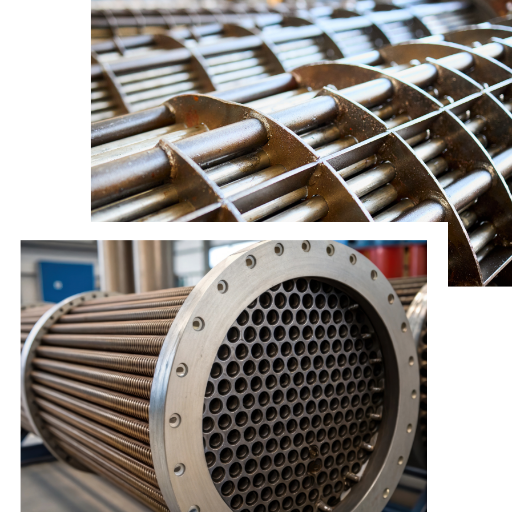
Performing timely and structured monitoring and maintenance is very important in maintaining the viability and operational dependability. Periodic inspections should include looking at fouling, corrosion, and leaks as nowadays the most likely damages that lead to malfunctioning. Maintenance routines such as cleaning, tube swaps, and gasket meters should be adhered to based on manufacturers’ instructions and, of course, on principle, set in accordance with actual demand.
By implementing an effective AI-based monitoring system aimed at a preventive approach, enterprises can further optimize such maintenance schedules. These systems can predict system failures based on an analysis of performance data and thereby contain unplanned downtime. It is clear from investigations that cleaning should be increased for areas with a greater presence of potential external contaminants. Combining minor, yet routine, maintenance alongside the benefits of real-time monitoring will also ensure the longevity and effectiveness of the heat exchangers. These advantages will no doubt contribute to significant gains for companies in economic terms, in addition to keeping or further stabilizing the safe operation of the whole installation.
Integrating Bundle Cleaning into Turnaround Planning
For the best performance and prevention of expensive downtime, bundle cleaning in workover must be integrated seamlessly into the turnaround maintenance planning. It is crucial to assess the fouling of heat exchangers rationally, and the variables of maintenance have to be well-taken-care-of according to how the situation justifies it. By the use of such high-tech diagnostic tools as IR thermography and delta P, and as soon as maintenance cleaning becomes necessary, it effectively minimizes downtime. Finally, the overall efficiency of cleaning activities is optimized as a consequence of the alignment with turnarounds within other plant maintenance activities, also saving on costs by efficiently utilizing the resources. It is important to choose the path of cleaning, chemical aeration, hydro-blasting, or mechanical action, in accordance with the type of fouling so that the maintenance work may be more meaningful and effective. The alliance of bundle cleaning with a staged-in cross-disciplinary turnaround regime is supposed to increase equipment reliability, energy efficiency, and alternately, ensure safety equipment together with environmental accountability.
Training Staff on Cleaning Equipment and Procedures
Proper training of personnel on bundle cleaning equipment and activities is of vital importance to impart safety and productivity during operational shutdowns. Some kind of theoretical training, practical work experience, or both can be developed. All workers need to understand the method of operation of equipment such as hydroblasting or chemical cleaning systems and how to work with them, respectively, within the safety frameworks outlined ahead. Based on recent data, it is discernible that a regular retraining course and certification training/testing have great benefits in retaining skill levels and in minimizing operational risks. The addition of modern technology in the process, in the form of online training or virtual reality training tools, proves to be a widely favored strategy when it comes to keeping trainees interested and ready for real-life experiences. The training thus becomes highly industry-specific and hence helps prepare the personnel for effective operations in the context of fouling types they are expected to encounter in their operational scenario.
Reference Sources
-
The Practical Application and Innovation of Cleaning Technology for Heat Exchangers
-
Mitigation of Fouling in Refinery Heat Exchanger Networks by Optimal Management of Cleaning
- Bundle Cleaning
Frequently Asked Questions (FAQs)
- 1
How do I decide on the perfect bundle cleaning equipment for my turnaround job?
Several factors play into whether or not the best bundle cleaning equipment is selected, including the type of fouling being removed, the metal or non-metal material of the heat exchanger, and the effective working capacity. Operation requirements, cleaning pressure, and demand for manual, semi-automatic, or, perhaps, fully automated solutions are taken into account while choosing the equipment. The evaluation should base on operator safety features, portability, and cleaning power. Innovative lance technology equips anything up to high-pressure water jet exchangers for professional concrete surface cleaning, obtaining the high-points of cleaning effectiveness and safety. Vendor history, user testimonials, and support services are necessary for a sound decision for a turnaround project. - 2
What are the most important benefits that can be achieved with automated bundle cleaning systems?
Automated bundle cleaning systems promise substantial advantages, such as increased safety, greater efficiency, and very similar cleaning results. The penetration from the manual fields should be limited to operate a safe environment while at the same time limiting their exposure through the necessary laborious situations are most critical, making sense for the timing during plant turnarounds. Techniques on programmable robotic lances and remotely operated cleaning heads ensure bundle areas that are inferiorly maintained actually being accomplished correctly. Automation tech is advantageous in bringing total round-trip time down and in putting fewer caustic agents and water on the grounds that help maintain the environment. Automation enables compliance and performance support standards, making practices simpler and less cumbersome. - 3
How do the schedule of routine inspections and maintenance activities serve to strengthen the cleaning efficiency of the bundles?
For overall prolonged use and optimal performance in bundled cleaning plant operations, maintenance activities emphasizing preventive maintenance must be effectively addressed. A planned inspection program will expose any trouble such as fouling or damage early and alert the plant team so that cleaning is done before anything becomes more significant. Predictive maintenance solutions incorporating the use of predictive analytics or AI in condition monitoring will enable setting adequate cleaning intervals and thus avoid unscheduled downtimes. Stabbing the cleaning regime based on operating conditions and the amount of pollution will assure efficient use of resources. Continuous maintenance serves to strengthen the equipment while based on its useful life and lowering the total cost of ownership. - 4
What are some of the key operational safety issues to consider when using machine for cleaning bundles in a turnaround?
Safety is paramount in operating the machine for bundle cleaning, especially when working in a high-pressure system a super-hazardous environment typical of the turnarounds. All the workers should always have on approved PPE equipment, and full training in the correct procedures should always be given to them. Carrying out hazard and risk assessments or using safety checklists before doing the work would give a head start in reducing the accidents. Equipment with auto-stoppage safety systems or fully automated systems should be considered, and the systems should block any re-entry to the bundle once the operation has been concluded. Safe and successful turnarounds depend upon clear communication and coordination with every worker. - 5
How shall bundle cleaning be integrated into the plant turnaround?
Integrating bundle cleaning involves assessing foulant severity at an early stage and identifying the cleaning methods that best suit the specific situations. In such a way, these methods must fit into the broader maintenance schedule. This, in turn, hinges on the use of advanced diagnostic tools like thermal imaging, pressure drop analysis, and, maybe targeted cleaning. Coordination ensures that the right personnel, bundle cleaning accessories, and equipment are available for the job at hand. Effective coordination means minimal disruption process operation and a tightened barrage on unneeded downtime. If a bundle cleaning-based predictive and condition-based maintenance approach is done effectively within the turnaround plan, then it will gradually help improve process efficiency and the plant’s overall reliability.
![Polypropylene Resin: Grades, Types & Selection Guide [2026]](https://boshiya.com/wp-content/uploads/2026/05/0-150x150.webp)