Get in Touch with BOSHIYA

Polypropylene Resin: Grades, Types & Selection Guide [2026]

When engineer or procurement officer specify polypropylene resin for a project, they are choosing from a commercially available palette of over 14,000 grades – each a different mixture of melt flow rate, impact performance and chemical resistance. However, the playbook for the polypropylene selection process is rarely set out alongside the grade catalogues. Patent descriptions provide a listing of all the varieties. Chemical handbooks introduce the underlying technology. But what product managers need is a composition-first guide that is also practical.
Contents
show
This guide covers everything that matters to industrial buyers and process engineers: the three core grade families, how to decode a melt flow index (MFI) value, which ASTM-tested mechanical properties determine material selection, and what the 2025 market signals suggest for procurement planning. If you are sourcing PP pellets for injection molding, blow molding or engineered parts manufacturing, read on.
Quick Specs — Polypropylene (PP) Resin
CAS Number
900³-07-0
900³-07-0
Chemical Formula
(C₃H₆)ₙ
(C₃H₆)ₙ
Density (ASTM D792)
0.895–0.92 g/cm³
0.895–0.92 g/cm³
Melting Point — Homopolymer
160–170°C
160–170°C
Melting Point — Copolymer
130–159°C
130–159°C
MFI Range (ASTM D1238)
0.3–100+ g/10 min
0.3–100+ g/10 min
Tensile Strength (ASTM D638)
25–38 MPa
25–38 MPa
Flexural Modulus (ASTM D790)
900–1,720 MPa
900–1,720 MPa
Heat Deflection Temp (ASTM D648)
55–115°C
55–115°C
Resin ID Code
#5 (PP)
#5 (PP)
Global Production (est. 2024)
~80 million metric tons/year
~80 million metric tons/year
What Is Polypropylene (PP) Resin?
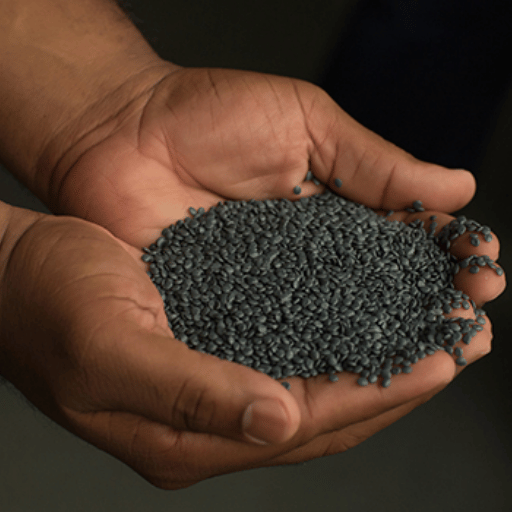
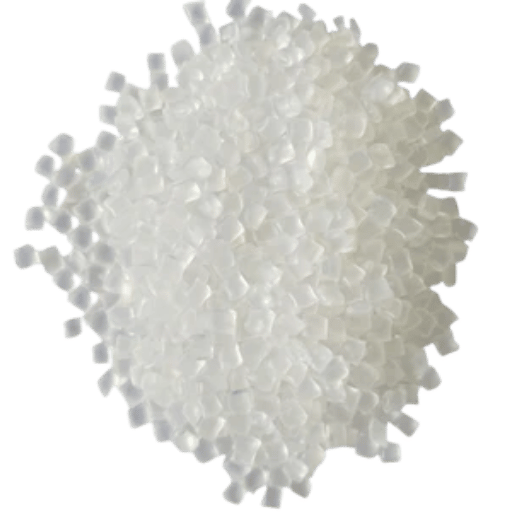
Polypropylene resin (PP) is a semicrystalline thermoplastic polymer — and more specifically a thermoplastic resin — created by the chain-growth polymerization of the propylene monomer (CH₂=CHCH₃). Serving as a critical raw material across manufacturing supply chains, it belongs to the polyolefin family alongside polyethylene and is the world’s second-most-produced plastic resin by volume. The characteristics of polypropylene that drive its commercial appeal were first identified in 1954, when Italian chemist Giulio Natta synthesized crystalline isotactic PP using a stereospecific catalyst developed by Karl Ziegler — work that earned both scientists the Nobel Prize in Chemistry in 1963.
PP’s commercial properties stem from tacticity — the spatial arrangement of methyl (–CH₃) side groups along the polymer chain. Atactic PP (random methyl placement) is amorphous and used only as an adhesive modifier. Syndiotactic PP finds limited optical film applications. Isotactic PP (i-PP), with all methyl groups on the same side of the chain, achieves 60–70% crystallinity and accounts for virtually all industrial and commercial grades.
Today, PP resins are produced using either Ziegler-Natta or metallocene catalyst systems, both relying on the polymerization of propylene under controlled temperature and pressure. Metallocene catalysis, developed commercially in the 1990s, offers narrower molecular weight distributions and more precise control over comonomer incorporation — enabling high-performance copolymer grades with superior optical clarity and low-temperature impact. Propylene feedstock for PP production is largely derived from propylene production via steam cracking and fluid catalytic cracking (FCC) at oil refineries, keeping PP economics tightly linked to crude oil and naphtha pricing.
With a density of just 0.895–0.92 g/cm³ — lighter than water — PP resin offers an exceptional strength-to-weight ratio, making it indispensable across petrochemical industry applications, consumer packaging, and engineered components. Global PP production reached approximately 80 million metric tons in 2024, according to industry estimates.
Types of PP Plastic Resin: Homopolymer, Random Copolymer, and Impact Grades
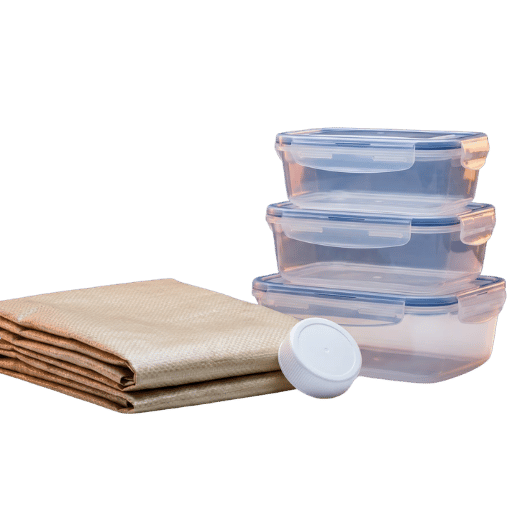
Staggeringly there are over 14,000 (SpecialChem, 2024) commercial forms of polypropylene resin, however all of them are categorized into three architectural family types, defined by the presence of a comonomer and whether one is included.
| Property | Homopolymer (PP-H) | Random Copolymer (PP-R) | Impact Copolymer (PP-ICP) |
|---|---|---|---|
| Ethylene Content | 0% (no comonomer) | 1–7% (random insertion) | 45–65% (EPR rubber phase) |
| Crystallinity | 60–70% | 40–55% | 40–50% |
| Rigidity | Excellent (highest) | Good | Fair–Good |
| Impact Strength | Low–Medium | Medium | High–Excellent |
| Optical Clarity | Translucent–Opaque | Clear–Translucent (best) | Translucent–Opaque |
| Melting Point | 160–170°C | 135–159°C | 135–155°C |
| Typical Applications | Rigid containers, living hinges, fibers, pipes | Food containers, medical, flexible packaging, film | Automotive bumpers, appliance housings, outdoor furniture |
What Is the Difference Between Homopolymer and Copolymer Polypropylene?
Introduction to Polypropylene
The primary distinction between these resins is that homopolymer PP is purely polypropylene repeat units – a homogeneous, crystalline, tightly coiled polymer chain resulting in high crystallinity and high stiffness. By incorporating ethylene into the chain, copolymer PP disturbs the crystalline structure. Random copolymer, with 1-7% of ethylene in random locations in the chain, has very much reduced crystallinity, improving optical characteristics; impact copolymer simultaneously contains a dispersed EPR rubber phase that absorbs shocks up to – 20C – where homopolymer brittle (-35C).
Engineering Note — Tacticity and Crystallinity
Isotactic PP (i-PP) is the form found in all commercially supplied structural grades of PP – hydrocarbon methyl groups all on the same side of the chain backbone, resulting in ~60-70% crystallinity. Atactic PP (a-PP) has randomly distributed side groups and forms an amorphous, waxy, soft, adhesive – not a structural polymer. Syndiotactic PP (s-PP) is now available via metallocene catalysis, but is only of interest in specialist optical films. When identifying a PP resin, always assume isotactic unless given other details.
Key Physical Properties of Polypropylene: Impact Resistance, MFI, and Mechanical Specs
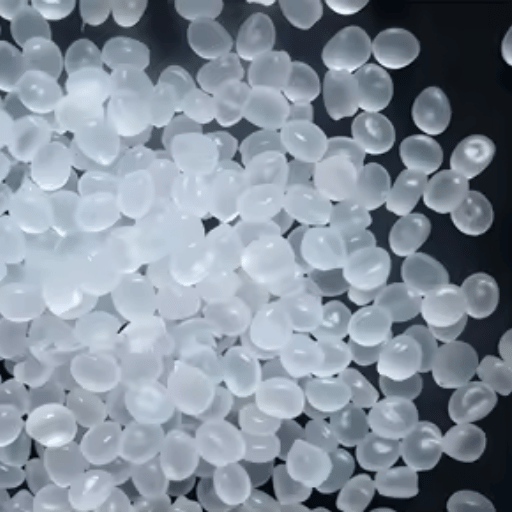
A polypropylene resin datasheet covers mechanical properties, physical properties, and thermal resistance values — all measured against ASTM or ISO standards. Knowing which values are critical — and what ranges are acceptable for your process — prevents costly grade substitutions midway through a production run.
| Property | Test Method | PP-H | PP-R | PP-ICP |
|---|---|---|---|---|
| Tensile Strength | ASTM D638 | 32–38 MPa | 28–35 MPa | 25–32 MPa |
| Flexural Modulus | ASTM D790 | 1,380–1,720 MPa | 900–1,400 MPa | 900–1,250 MPa |
| Notched Izod Impact | ASTM D256 | 27–80 J/m | 45–100 J/m | 215–640 J/m |
| Heat Deflection Temp (0.46 MPa) | ASTM D648 | 100–115°C | 70–100°C | 55–80°C |
| Density | ASTM D792 | 0.904–0.908 g/cm³ | 0.904–0.908 g/cm³ | 0.898–0.900 g/cm³ |
Values represent typical ranges for unfilled grades. Adding talc, mineral, or glass fiber filler will increase stiffness and shift impact values significantly.
In every plastics process, of all the measured parameters, the Melt Flow Index (MFI) – alternatively called Melt Flow Rate (MFR) and specified by ASTM D1238 (or ISO 1133) at 230C / 2.16kg for PP – is of the most concern to a process engineer. MFI measures the rate in grams of polymer extruded through a die in 10 minutes. It indicates the molecular weight of the PP – and the ease of flow, with a low MFI, in a standard process rig. A low MFI connotes a high molecular weight. This means a process is likely to run smoothly in terms of its impact strength, tensile properties and shape retention: however, warping and shrinkage must be closely monitored.
| Processing Method | Target MFI (g/10 min) | Standard (230°C/2.16 kg) | Typical Grade |
|---|---|---|---|
| Injection Molding | 5–50 | ASTM D1238 / ISO 1133 | PP-H or PP-R |
| Blow Molding | 0.3–3 | ASTM D1238 / ISO 1133 | PP-H low MFI |
| Extrusion (Film / Sheet) | 2–10 | ASTM D1238 / ISO 1133 | PP-H or PP-R |
| Fiber / Nonwoven Spinning | 15–35 | ASTM D1238 / ISO 1133 | PP-H high MFI |
| Thermoforming | 1.5–8 | ASTM D1238 / ISO 1133 | PP-H or PP-R |
please also note: unlike some other hygroscopic polymers (nylon, PET), polypropylene requires no pre-drying before processing, because it equilibrates with atmospheric moisture to a very low level. Standard specification for chemical equipment is high flow, high toughness, high chemical resistant PP-H grades, with high heat deflection (> 100 C).
How to Choose the Right PP Resin Grade: The Grade Triangle Framework

No single PP grade excels simultaneously at optical clarity, impact strength, and rigidity. All three properties form a tradeoff triangle — every grade selection involves choosing which corner to prioritize. A named framework makes that tradeoff explicit:
The PP Resin Grade Triangle: Rigidity–Impact–Clarity Tradeoffs
You can maximize any two of these three properties — but not all three simultaneously.
Rigidity Corner
PP Homopolymer (PP-H)
highest impact strength, highest optical clarity, highest stiffness
This will provide:
Clarity Corner
Random Copolymer (PP-R)
rigid parts and pipes, living hinges
This tradingoff might be observed:
Impact Corner
Impact Copolymer (PP-ICP)
for impact strength, of up to 640 J/m with a clear polyproylene plate. It has very good impact performance in sub-zero temperatures.
Use the decision matrix below to filter application requirements into a given grade class, and targeted MFI range:
| Application | Priority Property | Recommended Grade | Target MFI | Key Additive / Modifier |
|---|---|---|---|---|
| Food container lids | Clarity + rigidity | PP-R | 10–15 | Nucleating agent, FDA-compliant |
| Automotive bumpers | Impact at −20°C | PP-ICP | 4–12 | UV stabilizer, mineral filler |
| Living hinges / flip-top caps | Fatigue resistance | PP-H | 4–8 | None (no filler — preserves hinge flex) |
| Medical syringes / IV parts | Clarity + autoclavable | PP-R | 12–20 | Thermal stabilizer, USP Class VI |
| Nonwoven / fiber spinning | High melt flowability | PP-H (high MFI) | 20–35 | Antistatic agent |
| Industrial piping / fittings | Chemical resistance + HDT | PP-H (low MFI) | 2–6 | Antioxidant, UV stabilizer |
| Outdoor furniture | UV + impact durability | PP-ICP | 4–12 | HALS UV stabilizer package |
| Flexible packaging / BOPP film | Film clarity + toughness | PP-R | 4–10 | Slip agent, clarifier |
Specification Scenario — Food Container Lid
A packaging engineer specifying PP for injection molding yogurt lids needs: optical clarity for visible product, FDA food-contact compliance, and MFI ~12 for a 4-cavity mold with 1.2mm wall. The appropriate specification is: Random Copolymer (PP-R) type, MFI 10-15 g/10 min, with nucleating agent to improve clarity and cycle time, in accordance with 21 CFR 177.1520 (FDA regulation for food contact PP). Homopolymer PP would be hazy at this wall thickness; impact copolymer PP would not be FDA compliant, and would have optical issues.
Common Procurement Mistake
Designating PP by brand trade name, without identifying grade type + MFI range creates fragile supply chain; when a specific brand/type is inaccessible you cannot rapidly qualify an alternative because you have no specifications. Better to define the material grade type (PP-H/PP-R/PP-ICP), MFI window, and mechanical parameters in detail prior to contacting vendors.
Processing Methods: Injection Molding, Extrusion, and Blow Molding
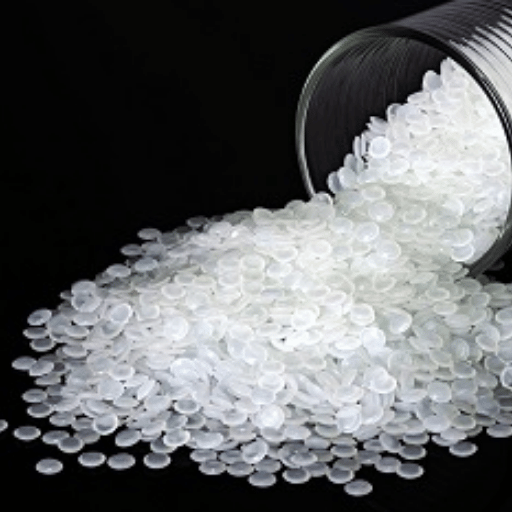
Polypropylene processability is one of its strengths, it is adaptable into all common thermoplastic fabrication techniques. Because the grade variants differ in processability, the selection criteria diverge significantly.
Injection molding is the most prevalent fabricating process for resin derived from PP. Typical melt temperatures are 200-280 Centigrade with mold temps of 10-40 Centigrade. PP’s heat resistance and fast crystallization rate work well within these conditions, enabling short overall cycle times. One critical caveat: PP exhibits linear mold shrinkage of ~2%, which must be accounted for in tooling design. High-MFI grades process with less injection pressure but increase the risk of weldline issues, sinkmark later warpage and dimensional instability after part ejection. For delineated part thin sections (<1 mm) use 25-50 MFI grade; for larger thicker industrial parts, down to 4-12 MFI range minimizes distortion. Heat exchanger parts used in petrochemical service: shell-side end caps, baffles, high corrosion-resistant components tend to be injection molded PP-H, MFI 4-8 (see heat exchanger components for application criteria).
Extrusion turns PP into pipe, sheet, film and profile. Biaxially oriented polypropylene (BOPP) is the primary film application for PP-R (4-10 MFI) as a wrapping material; industrial fluid processing relies on the long term pressure resistance and chemical compatibility of PP-H pipe grades (2-6 MFI). Air-laid nonwoven fiber manufacturing both draws fine filaments for hygiene manufacture and converts high MFI resin into GE/t to save on costly polymer feed stock. A separate filtration application uses PP melt-blown filter cartridge equipment from UDTECH to form cartridges from polypropylene; the resin grade and melt-flow behavior must be matched to that specific process rather than borrowed from pipe or film specifications.
Blow molding is carried out at very low MFI (0.3-3 g/10 min) because the parison needs to be stable through the draw. Typical blow mold parts include those sold for automobiles etc., though HDPE often is preferable for blow mold processing because of parison strength.
Pro Tip — Living Hinges
PP is in effect one of the few polymeric materials capable of withstanding millions of flex cycles without any evidence of fatigue – a property only possible with a semicrystalline material. Living hinges (think one-piece flip-top shampoo caps or toolbox lids) must be unfilled PP-H with a high MFI of 4-8, where the hinge is designed so as to sit ‘as-drawn’ with respect to the mold fill direction. Incorporating a filler such as glass fiber, talc, or calcium carbonate (CaCO3) into a living hinge grade abolishes this fatigue life instantly.
Where PP Resin Is Used: Industry Applications and Grade Requirements
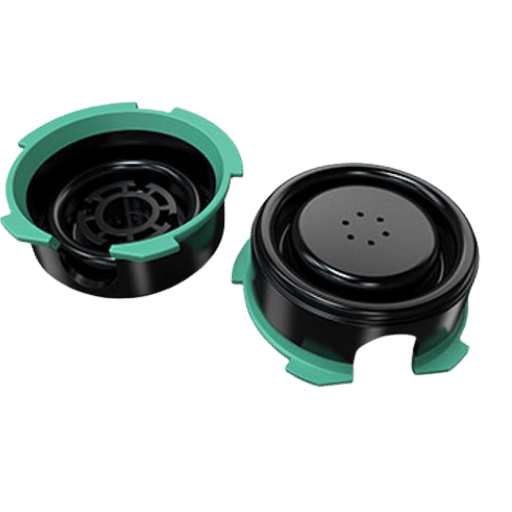
Polypropylene is one of the most widely used plastics in the world. Below is a structured overview of the six major industrial application areas, the specific grade attributes required for each, and the critical property that governs material selection.
| Industry | Key Products | Grade | Critical Spec |
|---|---|---|---|
| Automotive | Bumpers, door panels, battery cases, dashboards | PP-ICP (mineral-filled) | Impact at −20°C, UV package |
| Packaging | Food containers, BOPP film, caps, closures | PP-R / PP-H | FDA compliance, MFI 8–20 |
| Healthcare | Syringes, IV containers, labware, surgical fabrics | PP-R (medical grade) | USP Class VI, sterilization-stable |
| Textiles / Nonwovens | Geotextiles, hygiene products, filtration fabrics | PP-H (high MFI) | MFI 20–35, moisture resistance |
| Industrial / Chemical | Chemical tanks, piping, vessels, fittings | PP-H (low MFI) | HDT >100°C, corrosion resistance |
| Electrical / Electronics | Cable insulation, capacitor film, connectors | PP-H or filled | Dielectric strength, flame retardant |
In the automotive industry, PP commands the highest volume of any plastic resin by value (Fortune Business Insights, 2025). Its combination of low weight, impact toughness, and paintability makes it the dominant material choice for vehicle components. Electric vehicles (EVs) are creating new industrial applications for PP — battery enclosures, wiring insulation, and lightweight body panels all draw on PP-ICP and mineral-filled PP-H grades. PP’s electrical properties also qualify it for capacitor film and cable insulation. Consumer products such as household containers, garden tools, and outdoor furniture represent another major segment. For piping systems in petrochemical plant and oil refinery applications, PP-H pipe grades handle continuous service temperatures up to 90–100°C with long-term durability, while PP-lined vessels resist most acids, alkalis, and organic solvents below 80°C.
Procurement Scenario — Automotive Door Panel Skins
A Tier 1 automotive supplier might visit a resin house to buy a quantity of PP-H for the door panel inner skin stating that they require: MFI 10-15 (for injection molding, large panel), impact copolymer and PP-H quality for operating conditions between 20 C and+85 C, 20-30% of mineral filler (dimensional stability), and a UV/heat stabilizing package for the parts penetrating the solar load as quickly as possible in the car interior. This would represent an increasingly common demand, with automakers increasingly utilizing thermoplastic composite skins to reduce weight (and boost car range capacity) in the place of traditional steel-backed constructions.
Is PP Resin Safe? Food Contact, Medical Use, and BPA-Free Status

Is Polypropylene Resin Food Safe?
Yes. Polypropylene (resin identification code# 5) is designated as FDA compliant for food contact use under 21 CFR 177.1520 concerning olefin copolymers for food contact applications. In Europe, PP for food contact is governed by EU Regulation No 10/2011 on plastic materials and articles intended to contact food. When submitting for medical approval, use of USP class VI measurements on testing for biocompatibility (cytotoxicity, intracutaneous reactivity, hp50 sensory testing) will always be required with any project involving products intended for direct contact with the human body. In this context the following approvals are relevant:
| Regulation / Standard | Jurisdiction | Scope |
|---|---|---|
| 21 CFR 177.1520 | USA (FDA) | Food contact — polyolefins (PP, PE) |
| EU Regulation 10/2011 | European Union (EFSA) | Plastic food contact materials |
| USP Class VI | USA (USP) | Biocompatibility for medical device components |
| Resin Code #5 (How2Recycle) | North America | Residential recycling identification |
Fact Check — Does PP Resin Contain BPA?
No. Bisphenol A (BPA) is used in the synthesis of polycarbonate plastics and epoxy resins — it plays no role in polypropylene production. PP is synthesized from propylene monomer (CH₂=CHCH₃) using Ziegler-Natta or metallocene catalysts, chemistry that contains no bisphenol compounds at any stage. PP resin is inherently BPA-free by its molecular structure, confirmed by FDA, EFSA, and Health Canada regulatory frameworks. When product listings state “BPA-free,” any PP-based item qualifies without additional BPA-specific testing.
Source: Healthline, GlobalRPh (healthcare professional reference), EFSA food contact materials database.
Is polypropylene resin good for outdoor furniture? Untreated PP is inherently susceptible to UV photooxidation — prolonged sunlight exposure causes chain scission, surface chalking, and embrittlement. However, PP-ICP grades formulated with Hindered Amine Light Stabilizer (HALS) compounds and UV absorbers (benzotriazoles, benzophenones) are both tough and flexible enough for outdoor furniture, garden pots, and playground equipment. These UV-stabilized grades maintain mechanical integrity and surface appearance for 5–10+ years of direct outdoor exposure — delivering the long-term durability required for exterior applications. Always request accelerated weathering test data (ASTM G154 or ISO 4892-2) when specifying PP for outdoor use. Chemical processing equipment used outdoors carries the same UV stability requirement.
And just a note to procurement: get a CoC, and in the case of consumables (food, medical) also a Migration Test Report that the migrating substances are below the regulatory limits (0.5 ppb ceiling for FDA food contact notifications).
PP Resin Pricing and Market Outlook 2025–2026
By 2025, global demand for polypropylene was around $92.9 billion1. Asia-Pacific accounted for 56% of global market share, driven by China’s dominant PP production capacity and India’s rapidly expanding packaging and automotive end-markets. over the forecast period from 2019 until 2028, the market is predicted to grow at a CAGR of 5.4%. up until 2034. Packaging, accounting for around 40% of overall demand for polypropylene, and automotive light weighting are the main demand drivers for PP in the coming years.
The shift toward electric vehicles, will further lead to incremental demand for polypropylene in battery housings, cable insulation and light-weight structural components; a structural tailwind for polypropylene that separates it from a number of more cyclical commodity resins.
PP Resin Price Benchmark — May 7, 2026
8,712 CNY/T
▼ −5.98% month-over-month
▲ +22.89% year-over-year
Source: TradingEconomics (CFD), May 7, 2026.
Note: CFD prices are indicative benchmarks; spot and contract rates will vary by grade, region, and supplier.
Note: CFD prices are indicative benchmarks; spot and contract rates will vary by grade, region, and supplier.
Notice the YoY +22.89% at the top indicates considerable tightening in supply against 2025 feedstock levels. Spot buyers now are likely to see meaningful inflationary risk before/if price come down near the end of the season: this cycle is relatively mild for low- and ultra-low-cost (supermarket packaging) demand [see seasonality chart]. Large-volume procurement groups with plans for PP demand in the second half of next year should urgently hedge at current spot levels for Q3/4 2026.
The peak of global capacity additions for PP will be in 2025, resulting in an estimated 11 million metric tonne over capacity and compromising a strategic window for procurement teams to ensure contract prices before the massive automotive and packaging demand absorbs the glut.
– ICIS Senior Industry Analyst Lucy Shuai. 2025 Plastics and Packaging Outlook.
On the sustainability side, polypropylene (PP) recycling infrastructure continues to evolve rapidly. In the U.S., The Polypropylene Recycling Coalition – supported by a $55MM push – has increased access to PP (resin code #5) recycling from a handful of initiatives to more than 60% of the U.S. population today, with a target of achieving a 30% state-wide residential recycling rate (Recycling Partnership Annual Report, 2024). PureCycle Technologies has attracted close to USD300MM in mid-2025 to scale up recycled PP (rPP) capacity, while Borealis has committed over EUR100MM to build a new High Melt Strength PP line in Germany. Bio-based PP remains a niche, yet rapidly expanding industry segment today, with the bio-PP market forecast to grow from $32.5MM (2024) to $116MM (2029), a ~29% CAGR. For context on how ammonia processing and other chemical industry feedstock dynamics interact with petrochemical supply chains, the broader industrial context is relevant to PP cost forecasting.
Frequently Asked Questions
What is polypropylene resin?
Polypropylene (PP) is a mass-produced semicrystalline thermoplastic polymer made by polymerizing the monomer propylene (CH). It ranks as the world’s second most produced plastic today and can be characterized by a package of performance properties offering a synthesis of heat and chemical resistance, low density, excellent processability via injection molding, extrusion, and blow molding.
Is polypropylene resin safe for food contact?
Yes. Polypropylene (resin code #5) is approved for food contact use under the US FDA 21 CFR 177.1520 and in the EU under Regulation 10/2011. Both regulatory agencies deem PP safe following migration testing assays, criteria, and validation protocols. BPA, a suspected endocrine disruptor, is absent in the chemistry of PP and its catalysts. Consult your vendor and suppliers and request a Certificate of Conformity and Report of Migration Test.
What is the difference between polymers of homopolymer and copolymer resin of PP?
PP homopolymer is composed solely of propylene monomer units, providing maximal polymer stiffness, heat-, and chemical-resistance. Random copolymers of ethylene (containing 1-7% ethylene) modulate the refractive index and improve impact at lower temperatures, while impact copolymers blend a rubbery ethylene-propylene copolymer phase with PP and sufficiently contain more than 45% ethylene in order to provide large increases impact toughness versus the standard impact copolymer. (The trade-off is a loss of yield of stiffness and clarity.)
Is PP resin BPA free?
Yes. Polypropylene (PP) is produced by coupling propylene monomer with catalysts along the lines of the Ziegler-Natta or metallocene chemistry. BPA however has no structural chemistry related to that used for PP. Inquire for a Certificate of Conformity from the Producer, formulated with trade nomenclature, if desired.
How is polypropylene resin made?
The chemical structure of PP repeats as a propylene monomer (CH=CHCH) is polymerized in a chain-growth process that employs Ziegler-Natta or metallocene catalysts at 60-80 C, in a slurry or gas phase reactor, under 30-40 bar pressure. Can also be produced at other states-of-matter, and in suspension, solution, etc. The catalyst emphasizes tacticality of the PP chain relative to the methyl functionality en situ, which further determines the nature of the PP as isotactically crystalline or atactically amorphous and the specific end properties obtained. The powder product is then blended with stabilizers and other additives and transformed into pellets for storage, shipment, and sale.
Is polypropylene resin recyclable?
Yes. PP has resin ID code# 5 and can be recycled using the curbside collection programs currently accepting it (now servicing over 60% of the U.S. population, according to the Polypropylene Recycling Coalition). An estimated 8% of all polypropylene used is recycled. Investment in recycling infrastructure by the Recycling Coalition envisions an economy-wide 30% recycling rate by 2020. Recovered polypropylene (rPP) can be blended with virgin resin at up to 50% for non-Food Contact applications.
Conclusion
Polypropylene resin’s combination of mechanical versatility, chemical resistance, competitive pricing, and processability across every major thermoplastic conversion method makes it the most broadly specified plastic resin in industrial and consumer manufacturing. Matching the correct grade to your application unlocks PP’s full potential. PP-H delivers rigidity and fatigue resistance; PP-R provides clarity with food compliance; PP-ICP handles toughness demands at sub-zero temperatures. Pair the right grade type with the correct MFI range for your process, specify the appropriate additive package (UV stabilizers, nucleating agents, or impact modifiers), and request regulatory compliance documentation for food or medical applications.
For procurement specialists and engineers sourcing PP resin for petrochemical facility operations, Boshiya’s petrochemical industry solutions support material handling and processing equipment across the full refinery and chemical plant value chain.
Specifying PP Resin for an Industrial Project?
We provide petrochemical clients with material specification, equipment integration, and procurement advice for PP processing.
![Polypropylene Resin: Grades, Types & Selection Guide [2026]](https://boshiya.com/wp-content/uploads/2026/05/0-150x150.webp)